
Article

Endoscopic Surgery: Hysteroscopy & Laparoscopy
The aim of an endoscopic surgery is to visualize the interior of an organ or cavity. The two main techniques of endoscopic surgery used in gynaecology are the hysteroscopy and the laparoscopy.
Read more
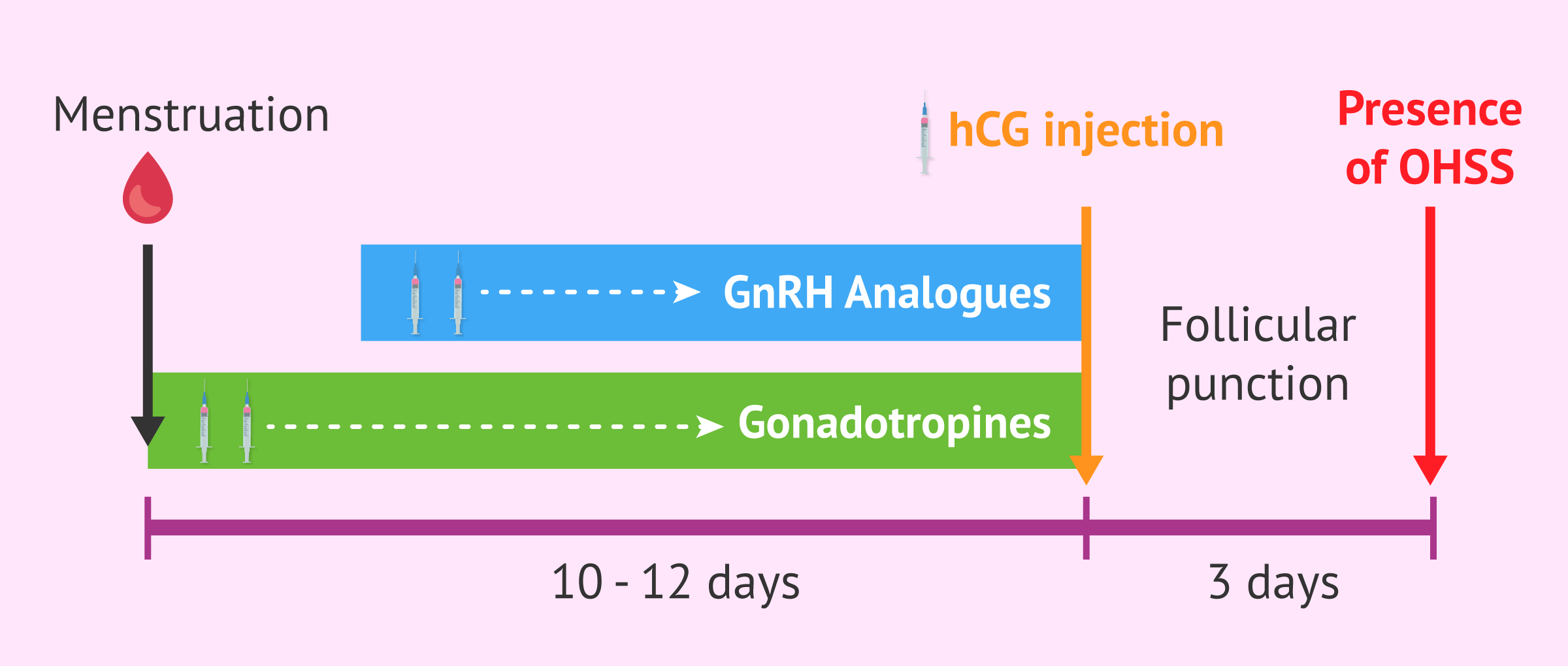
What Is the Ovarian Hyperstimulation Syndrome (OHSS)?
This syndrome occurs in women when an abnormally exaggerated ovarian response occurs. It may occur naturally or as a consequence of hormone administration during assisted reproductive treatments.
Read more
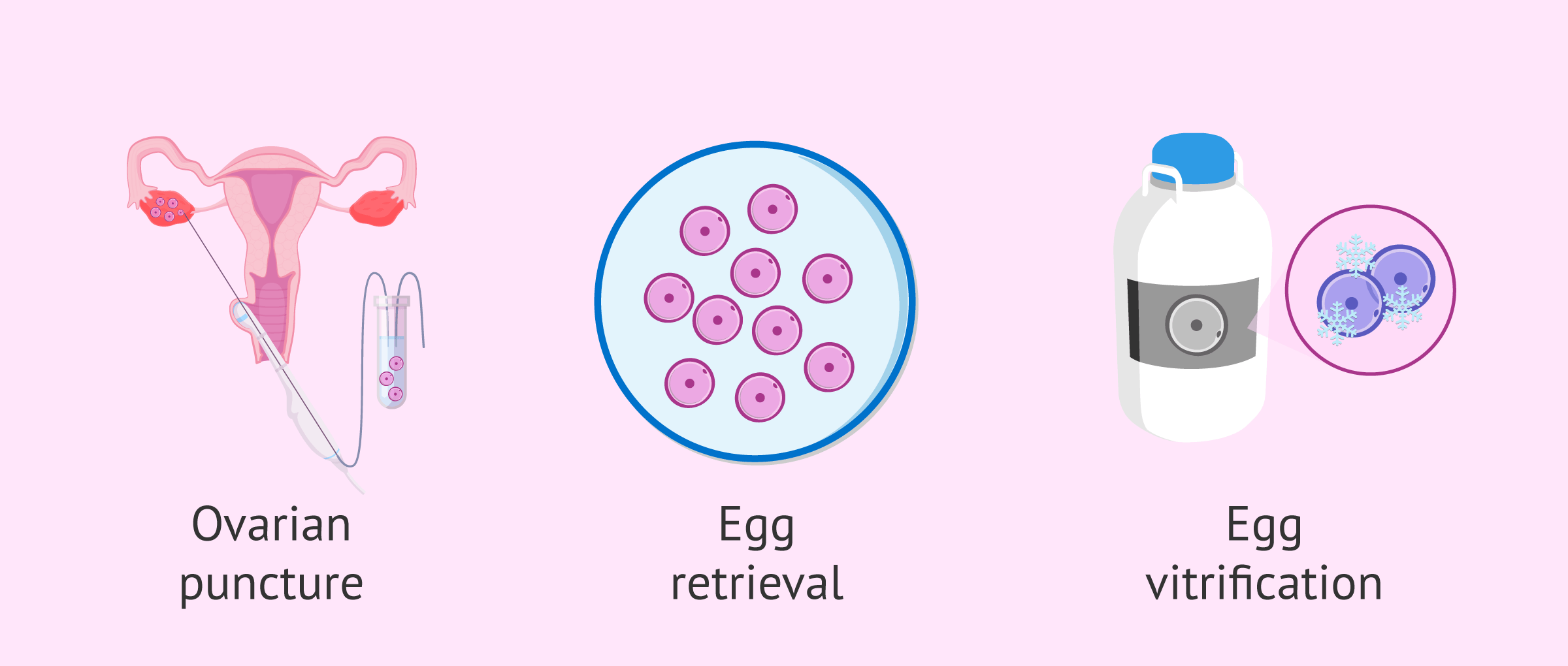
Fertility preservation in young women: recommendations and ideas
Women who want to delay childbearing have the option of preserving their fertility with egg freezing. However, it is advisable to do so before the age of 30-35 to obtain good quality eggs and increase the chances of future success.
Read more
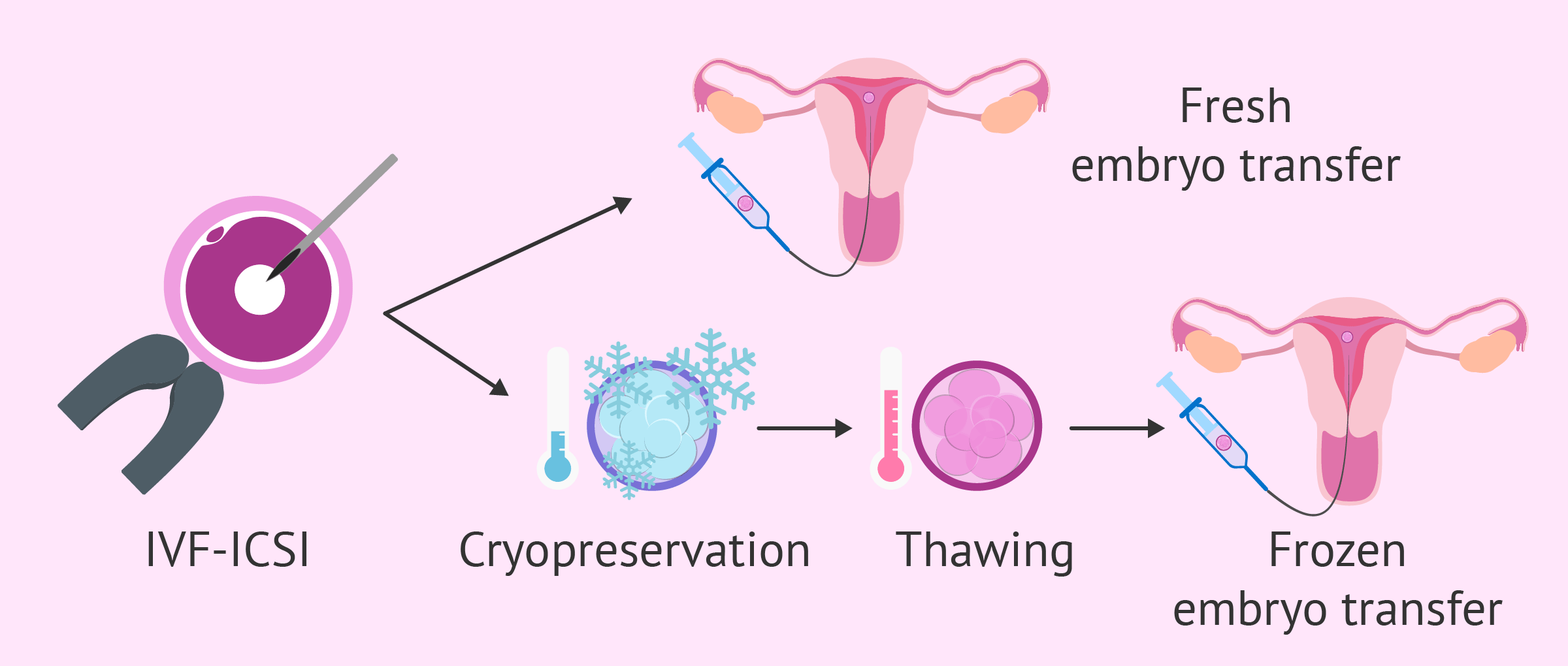
How Does the Frozen Embryo Transfer (FET) Procedure Work?
Frozen embryo transfer, also known as delayed embryo transfer, is an option that can be performed in both natural and surrogate cycles. The cost of frozen embryo transfer is lower than IVF.
Read more

What is the two-week wait? - Symptoms and tips after treatment
All couples trying to conceive, whether naturally or by assisted reproduction, have ever heard about the dreaded two-week wait or 2WW. Indeed, it is the time period between ovulation or the embryo transfer, and the moment when you can take a pregnancy test. Here's what you can expect and tips to survive it.
Read more
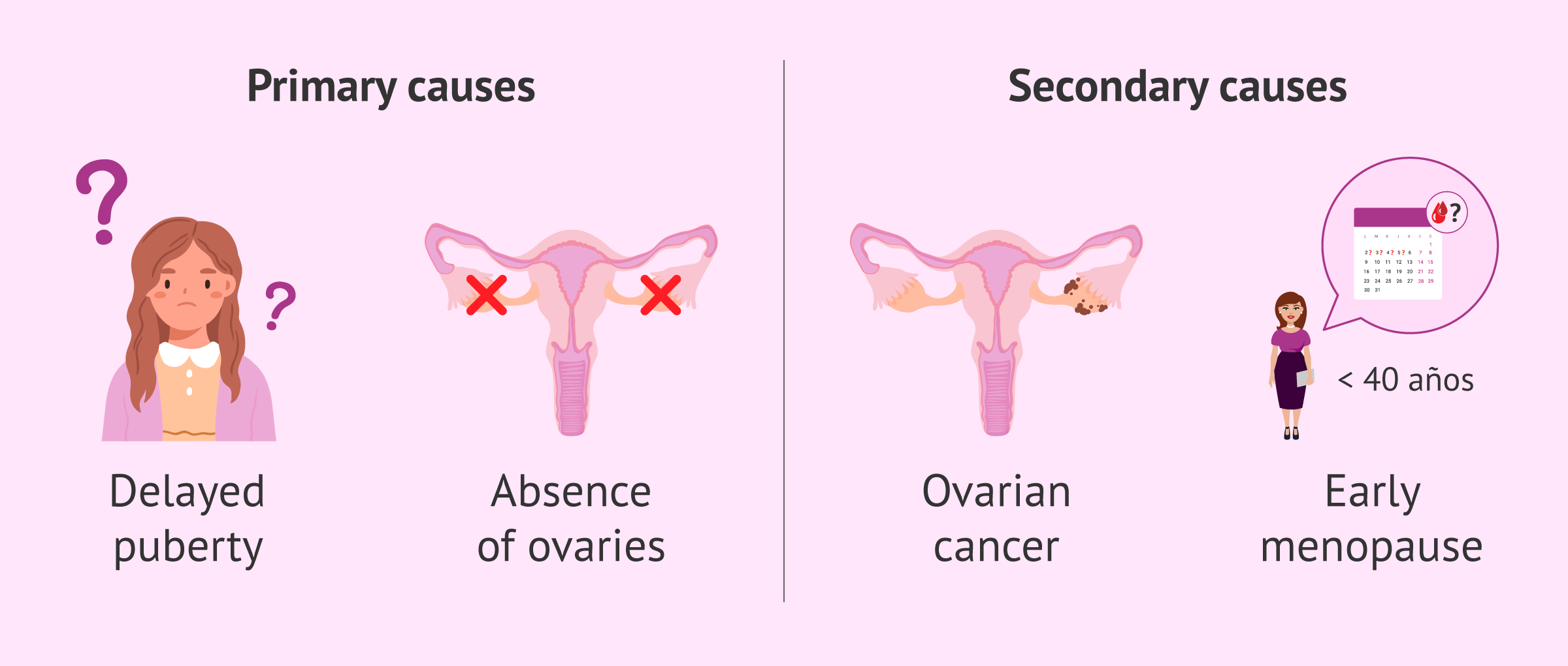
What is irregular menstruation like and what are its causes?
Many women do not have regular periods. Sometimes irregular menstruation can indicate serious alterations in a woman's fertility, but this is not always the case. An irregular menstrual cycle is one whose duration exceeds or falls short of what is considered normal
Read more

Sperm freezing: indications, process, result and price
Semen freezing is a technique to preserve male fertility. It is a procedure that allows cryopreserved seminal samples to be stored in semen banks. In this way, patients will be able to use these samples in the future to carry out assisted reproduction treatments.
Read more
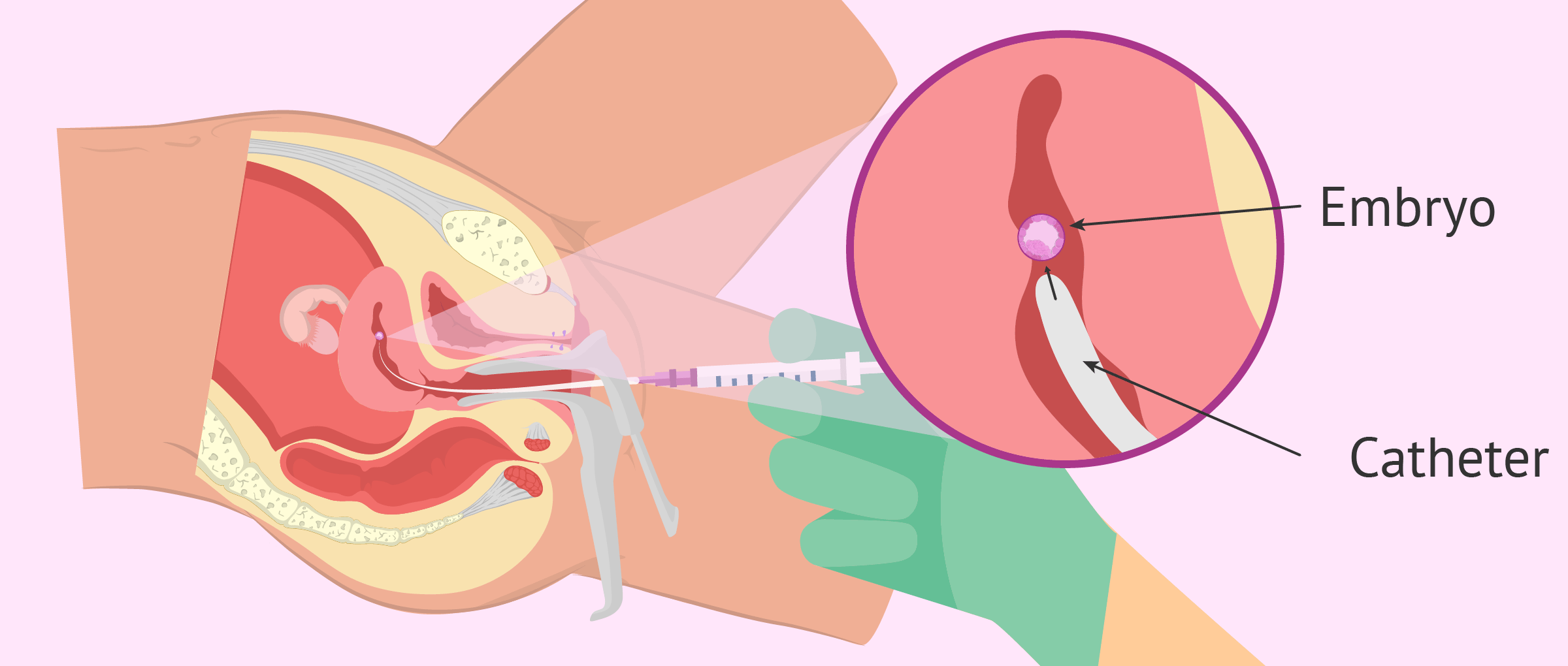
Embryo transfer: when and how is it done?
In the embryo transfer, the best quality embryos created in the laboratory by IVF/ICSI are introduced into the patient's uterus. It is a simple process that does not require anesthesia and after which the patient returns home with a normal life, but avoiding great physical efforts.
Read more

IVF or ICSI: What is the difference? Which is better?
The conventional IVF technique and intracytoplasmic sperm injection (ICSI) have certain differences, although both are in vitro fertilization (IVF) techniques. Each of these techniques is characterized by the way in which it promotes fertilization of the egg by the sperm.
Read more
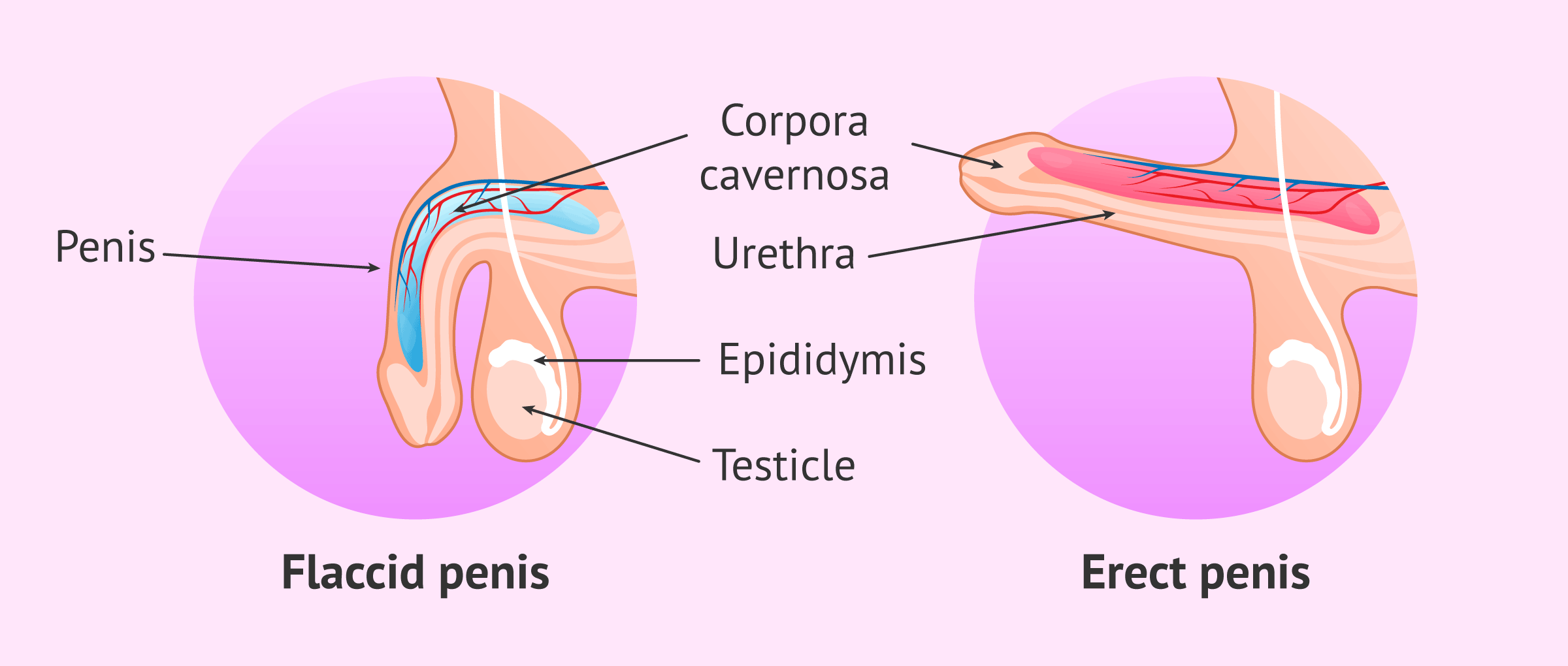
What is erectile dysfunction, and what treatments are available?
Sexual dysfunction is defined as the incapacity of a man to maintain his penis erect for long enough to have full sexual intercourse. It causes male sterility because of post-testicular factor.
Read more

When is 4D ultrasound performed in pregnancy? Its advantages
The 4D ultrasound allows you to observe the baby morphologically, but also its movement. Therefore, 4D ultrasound is like a three-dimensional ultrasound, but also in real time, so you can see the baby's movement and gestures.
Read more

Assisted reproduction techniques to combat female infertility
Certain fertility problems in women can be overcome with assisted reproduction treatments, which help to achieve the desired pregnancy. These treatments can be artificial insemination (AI), conventional in vitro fertilisation (IVF) or by ICSI and the reception of donated oocytes.
Read more

