
Article
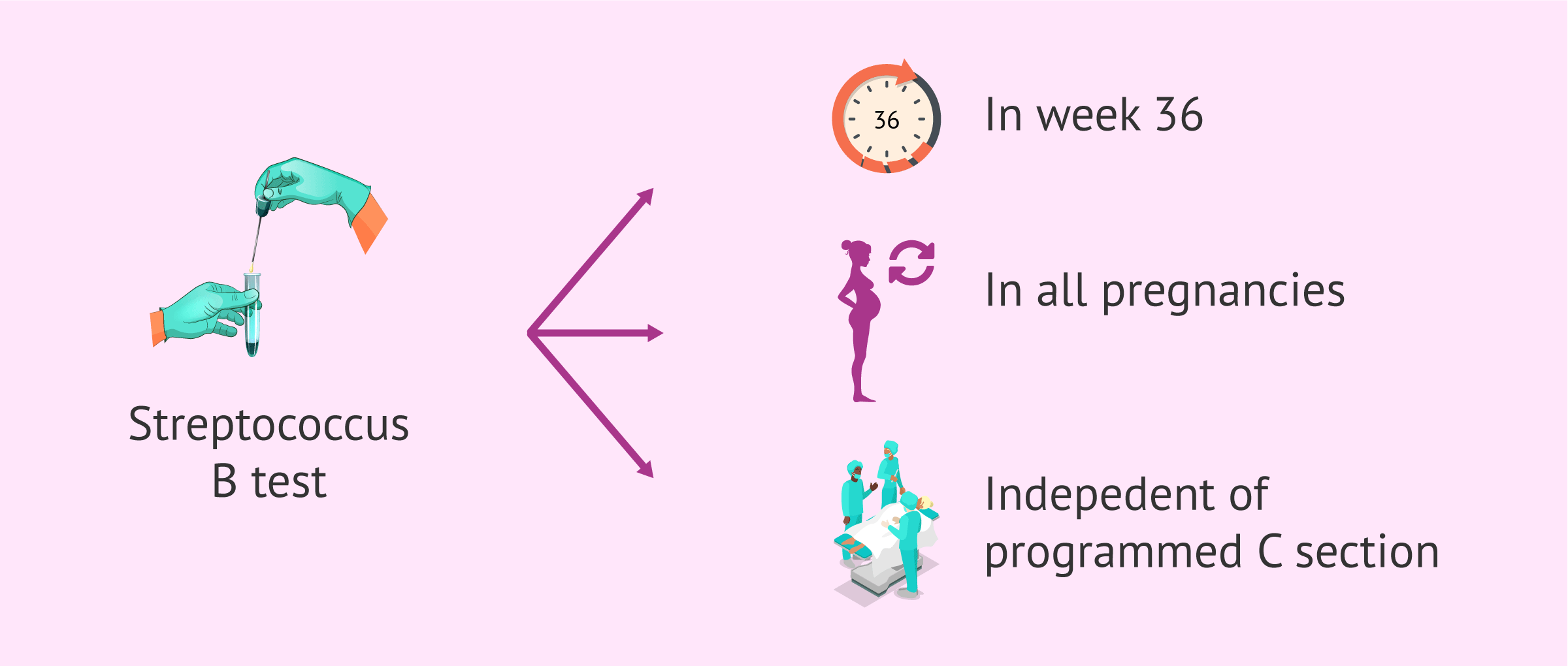
Why and when are pregnant women tested for group B Streptococcus?
Strep B is a bacterium that can be in the gastrointestinal and/or genitourinary tract of some women without producing symptoms. However, this bacterium can cause very serious infections in babies. Therefore, it is tested for in pregnant women, to avoid the possible infection of the baby at birth.
Read more
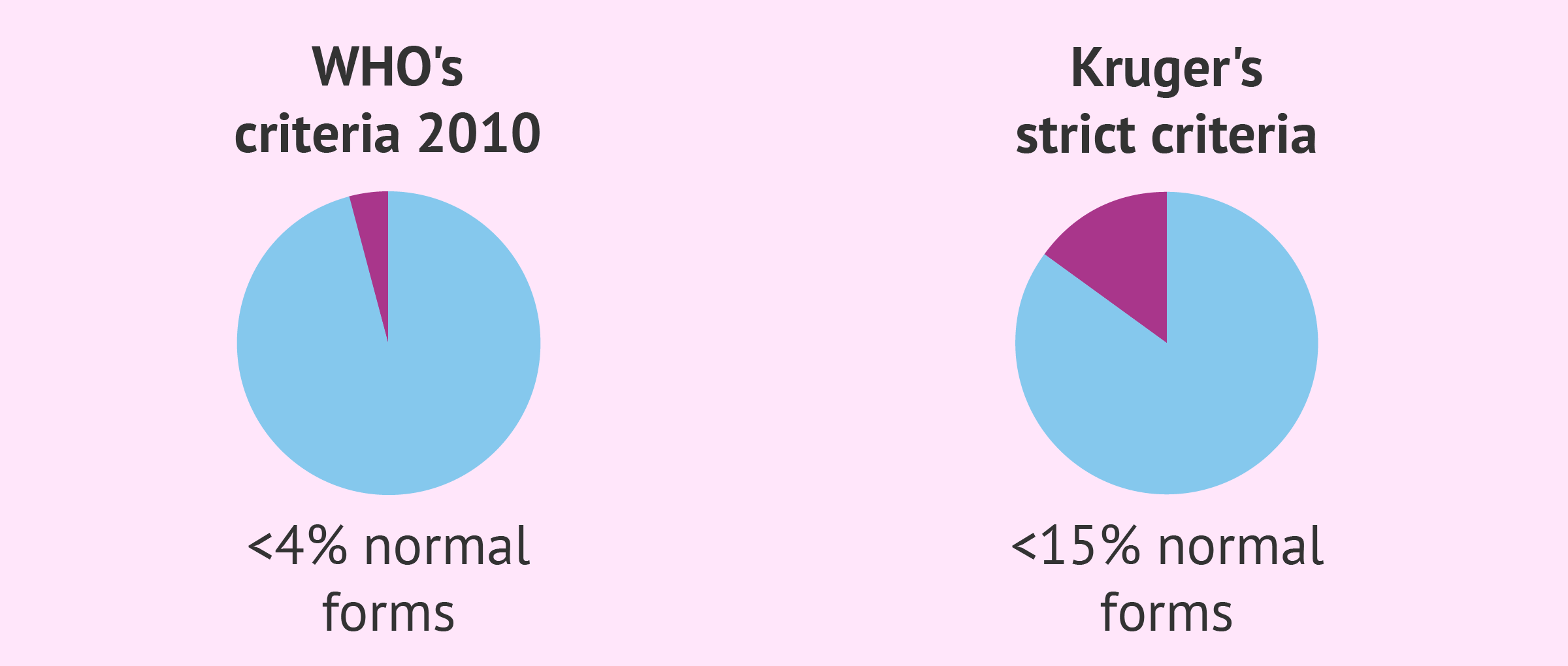
What is teratozoospermia? Its causes, diagnosis and treatment
Teratozoospermia is the appearance of a high percentage of spermatozoa with an abnormal morphology in the semen, causing male sterility. If mild teratozoospermia, pregnancy can be attempted naturally or by AI. In contrast, moderate or severe teratozoospermia will require IVF-ICSI.
Read more

Post-Testicular Factors of Male Infertility - Causes & Treatment
Male sterility produced by a post testicular factor refers to the alteration of the semen or spermatozoa once they have been produced in the testicles. The main causes are related to the transport and expulsion of sperm through the seminal ducts.
Read more

Mittelschmerz - ovulation pain: is it normal and what causes it?
Pain during ovulation is normal and does not usually have serious consequences for the woman. Ovulation occurs in the middle of the menstrual cycle, that is, about two weeks after the menstrual period. Among the most common symptoms of ovulation are pain in the ovaries, breasts, kidneys, etc.
Read more

Intrauterine hematomas in pregnancy: their cause and treatment
Intrauterine hematomas are clotted blood structures that appear in the uterine cavity. Specifically, they are located between the tissues of the chorion or placenta and the surface of the uterus, resulting in a high-risk pregnancy.
Read more
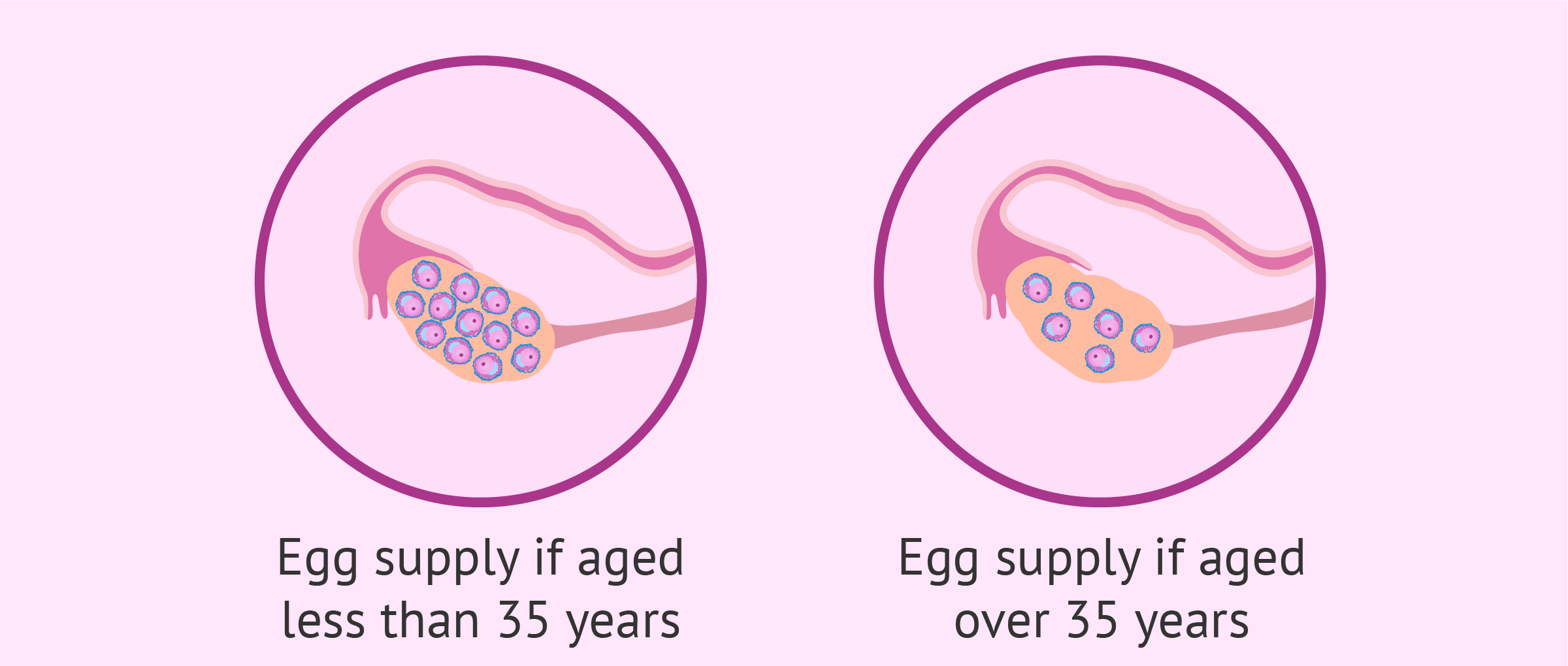
What is a woman's ovarian reserve & how does it affect fertility?
Ovarian reserve refers to the number of eggs available in a woman. There are different tests to assess ovarian reserve. Low ovarian reserve is one of the most common fertility problems today, mainly due to advanced maternal age.
Read more
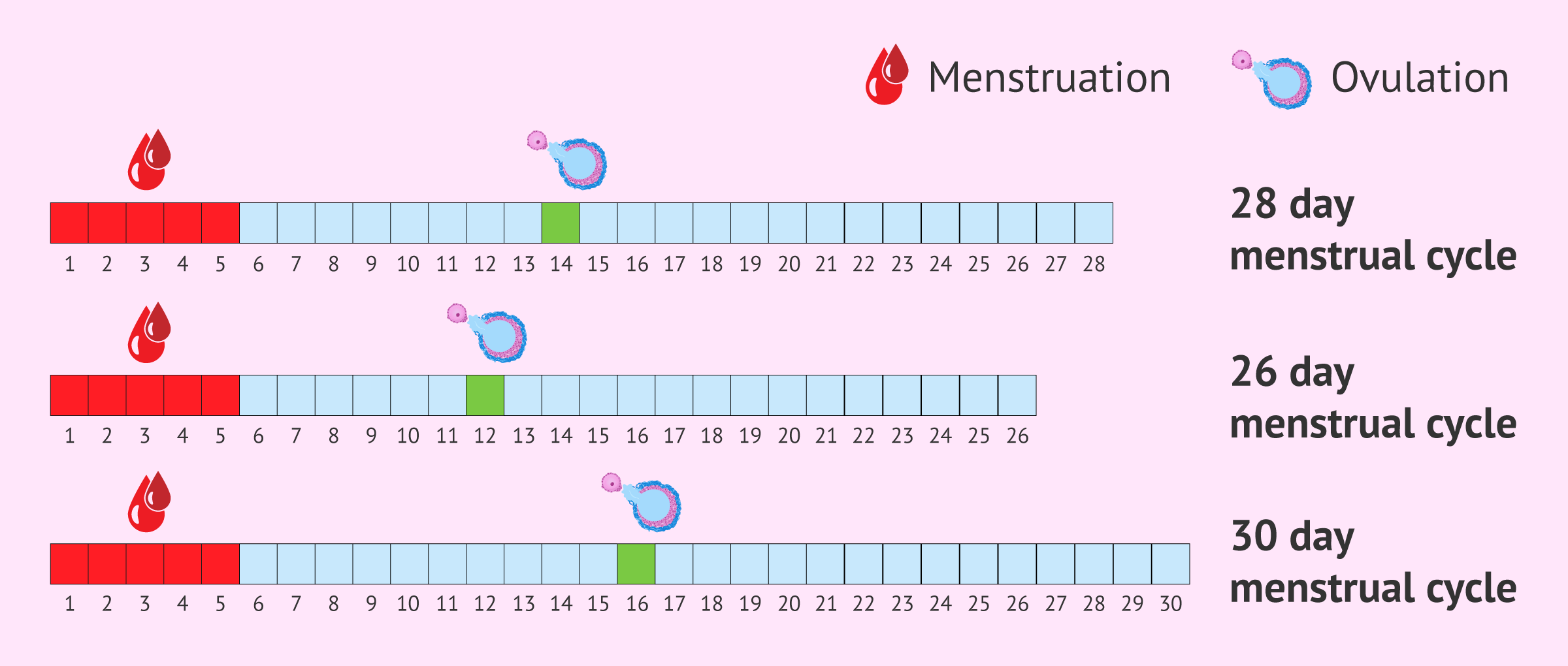
How do ovulation calculators work out your most fertile period?
Fertility calculators help to estimate the day of ovulation and, therefore, the days when you are most likely to get pregnant. However, these types of tools are more accurate when the menstrual cycle is regular.These calculators should not be used as a method of contraception.
Read more

Week two of pregnancy: symptoms and advice for the mother-to-be
During the first two weeks of pregnancy, the woman is not pregnant yet. Her body is still preparing for ovulation and egg fertilization. If you are TTC, do not miss this guide to get useful tips on what to do during week 2 of pregnancy.
Read more
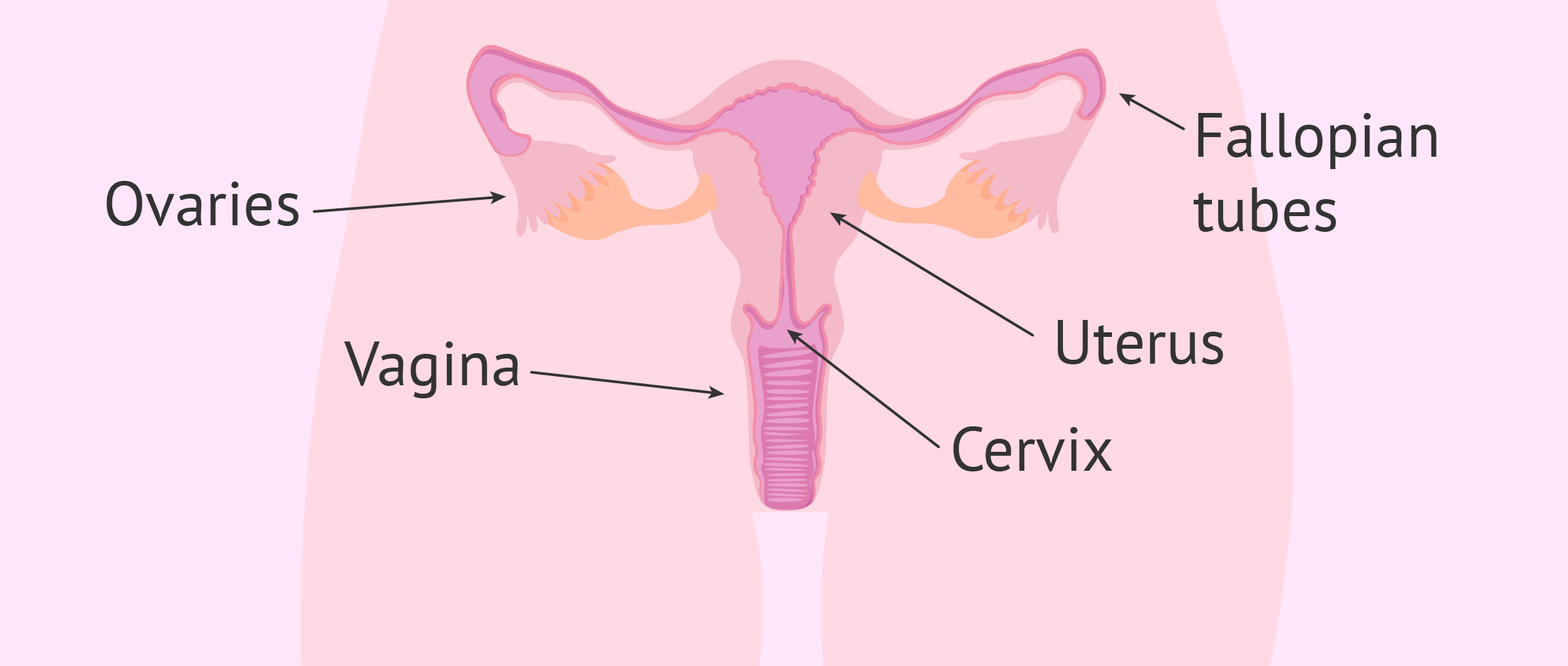
Female fertility: development of the female reproductive system
Female fertility starts when the reproductive system becomes functional thanks to the secretion of the female sex hormones.
Read more
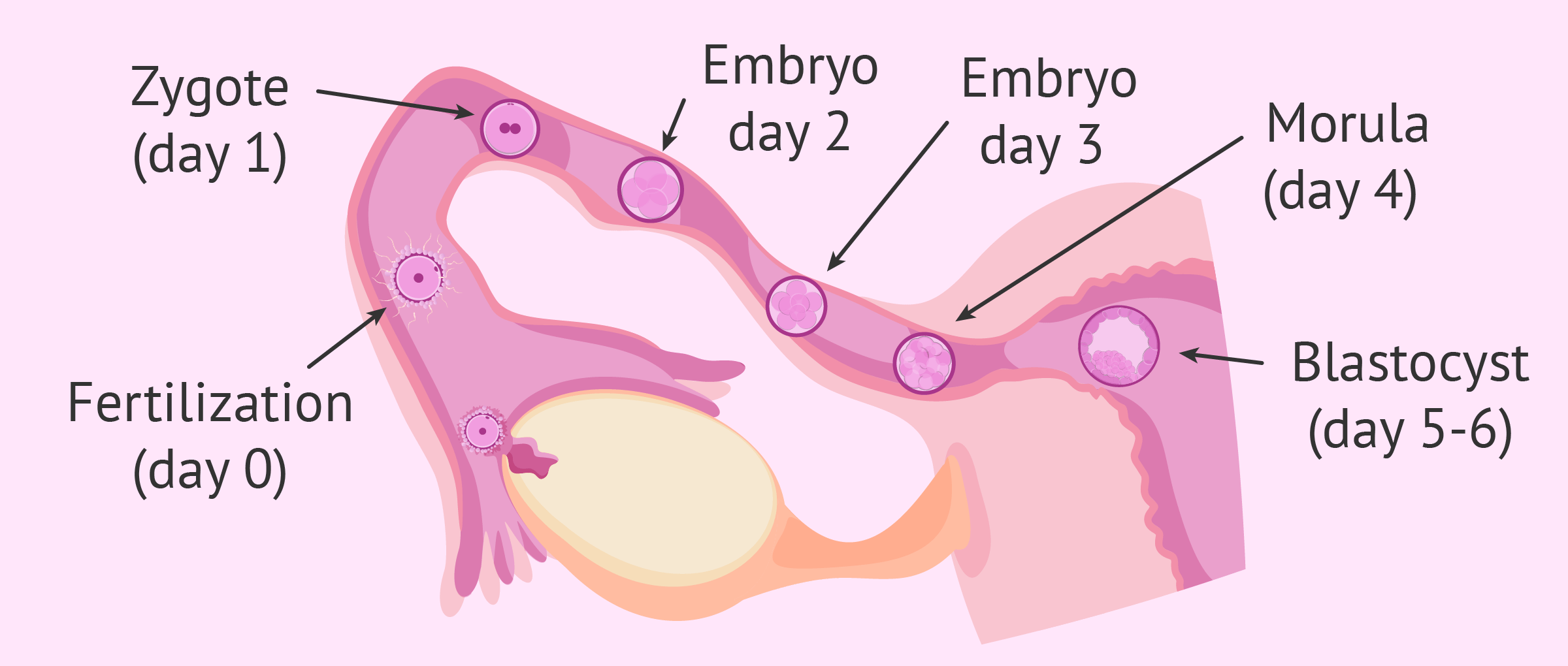
3 weeks pregnant - the start of the development of the embryo
The third week of pregnancy corresponds to the first week of embryonic development and it is not yet possible to detect it with a pregnancy test. The woman will not yet know that she is pregnant, unless she has undergone fertility treatment..
Read more

Male hormone analysis: what should the normal hormone levels be?
Testing the levels of male hormones, such as testosterone or dihydrotestosterone, can help discover the cause of infertility and treat it. The levels of these hormones, as well as FSH, LH and prolactin can be analysed in a simple blood test.
Read more
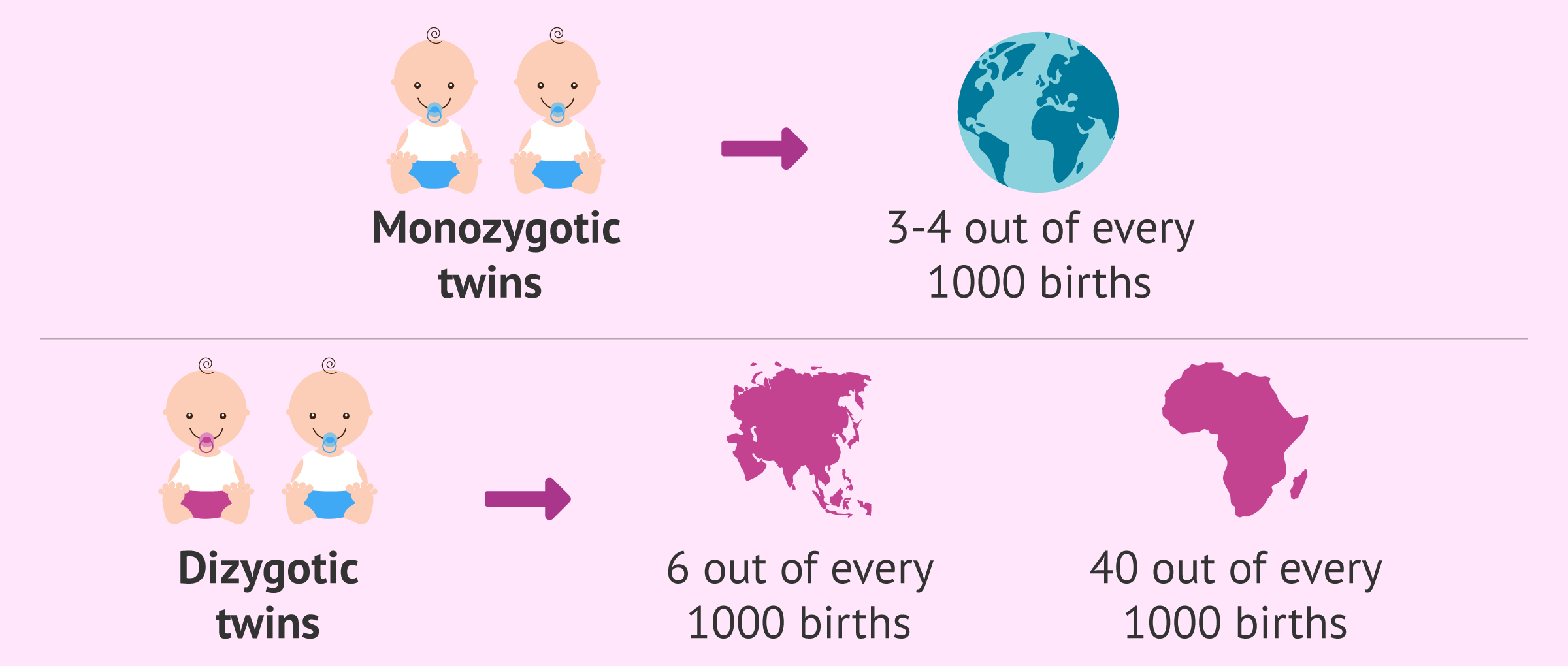
Is having twins hereditary? What are the influencing factors?
There are many popular beliefs about whether having twins is hereditary, and the factors that affect the chances of a multiple pregnancy. One certain fact is that the situation vairies in the case of monozygotic twins (identical twins) or dizygotic twins (non-identical, fraternal twins).
Read more

