
Article
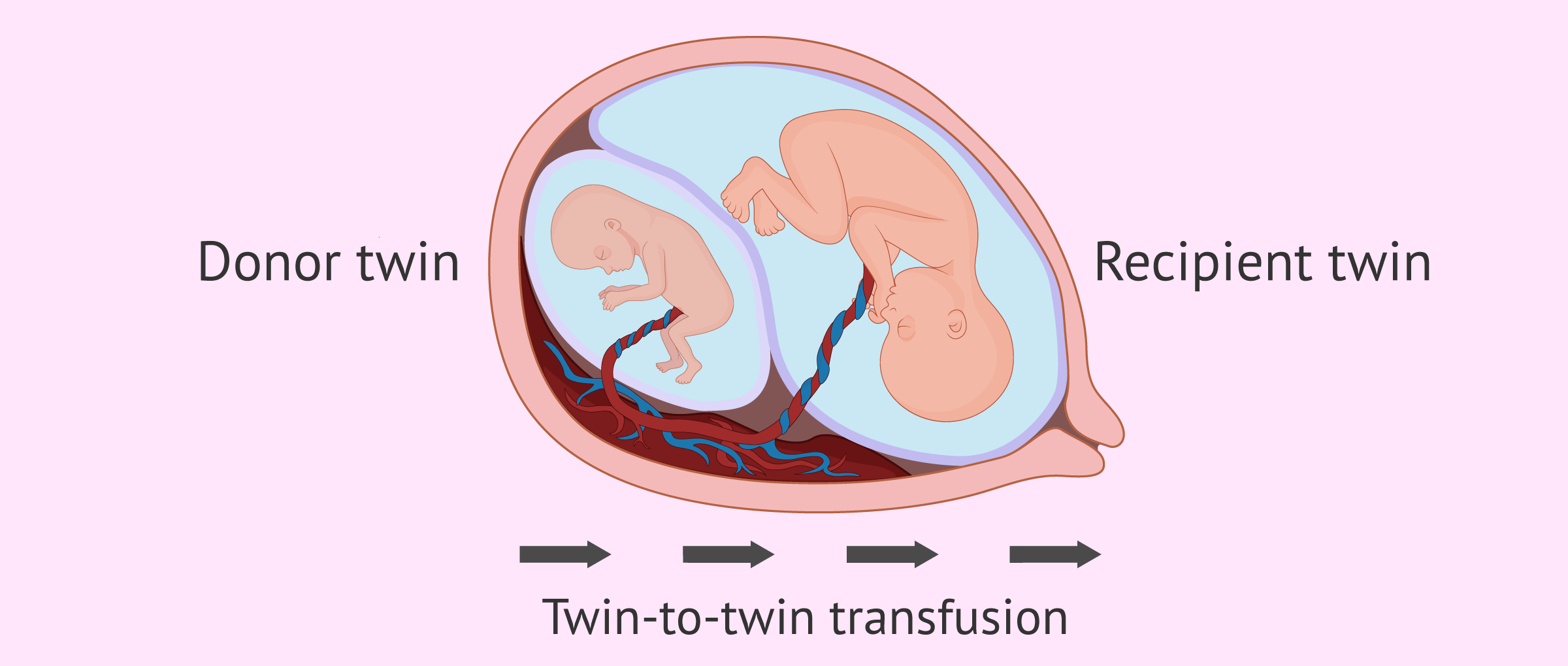
Risks associated with multiple pregnancy for the mother and babies
Multiple pregnancy involves more risks than a single pregnancy, both for the mother and for the future babies on the way. In general, the risk of premature delivery and low birth weight is very high.
Read more
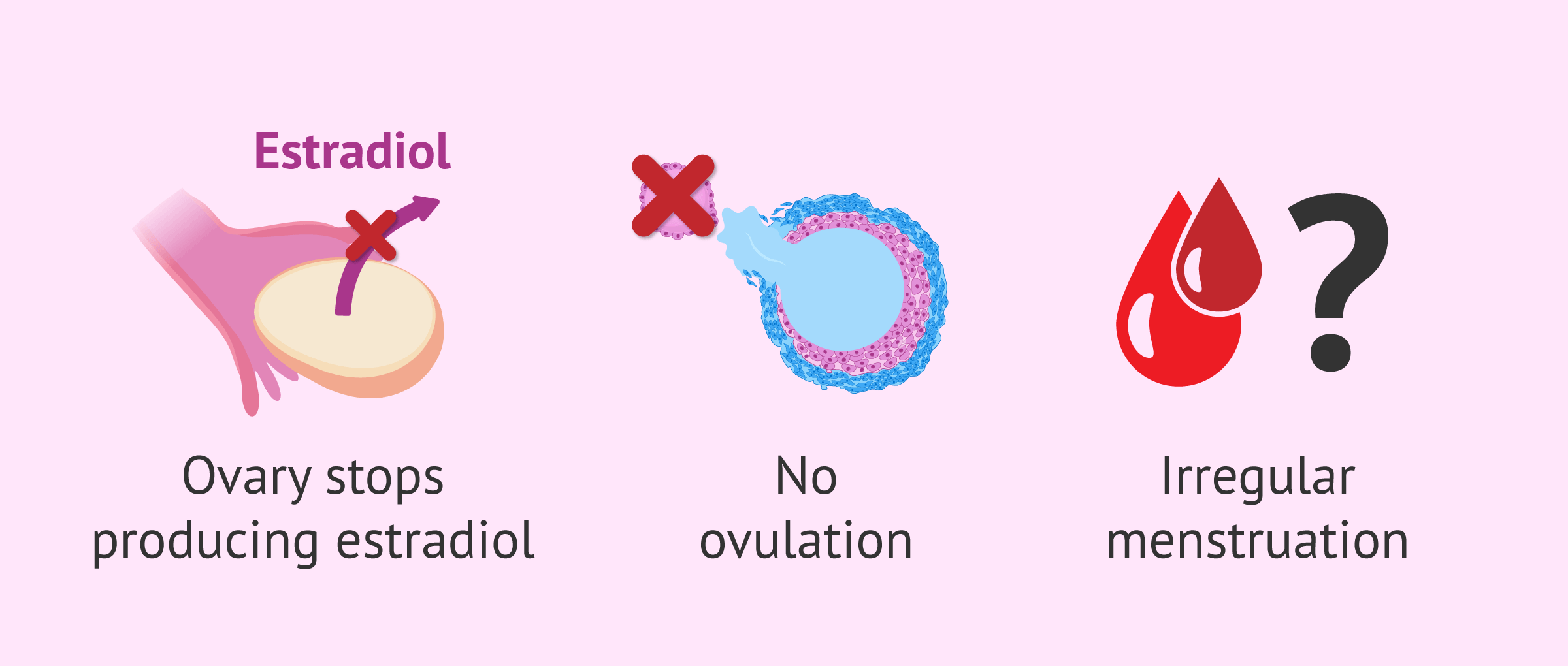
Early or premature menopause: causes, symptoms and treatments
Also known as premature ovarian failure, it relates to those cases in which menopause approaches women before age 40, thus preventing them from getting pregnant. Women suffering from this condition should undergo assisted reproductive technologies.
Read more
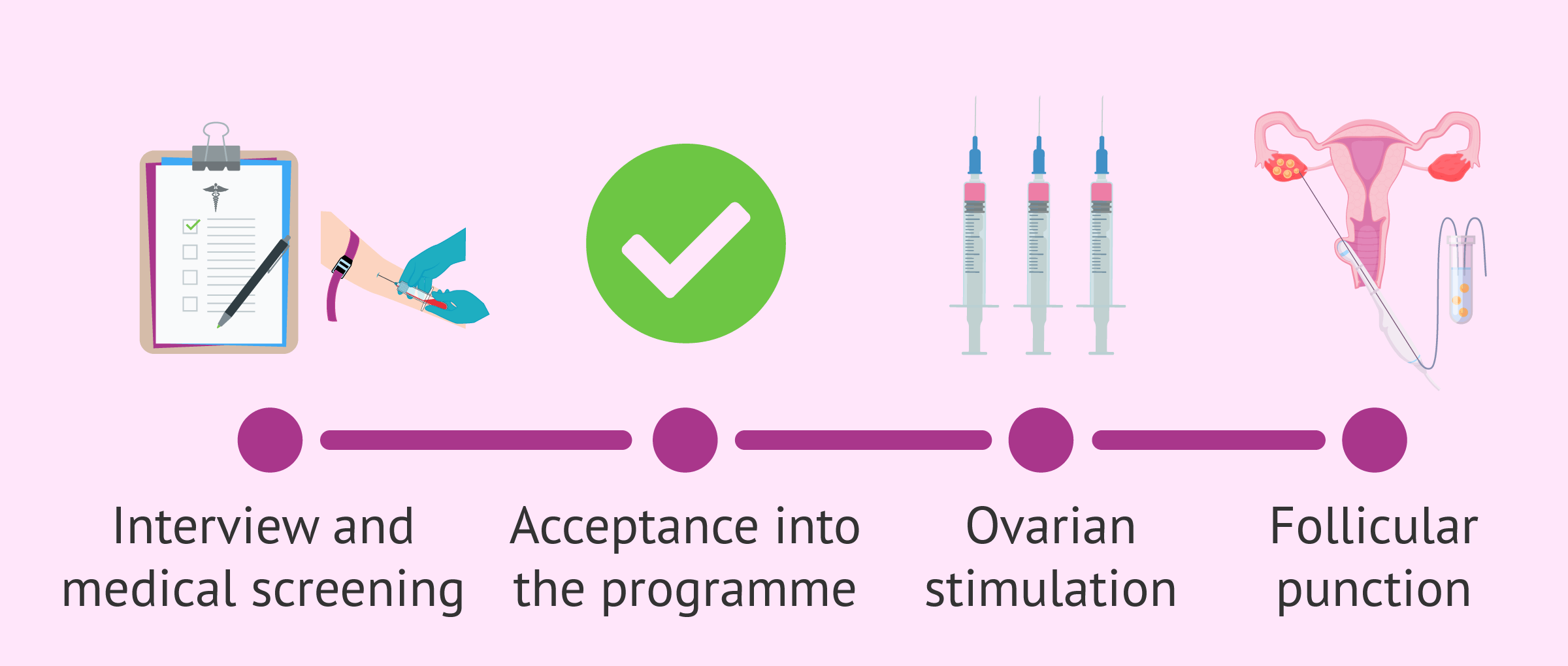
What Are The Single Steps Of Egg Donation?
Once the medical and psychological tests to become an egg donor have been passed, ovarian stimulation is performed to mature the eggs and follicular puncture is performed to extract them from the ovary.
Read more
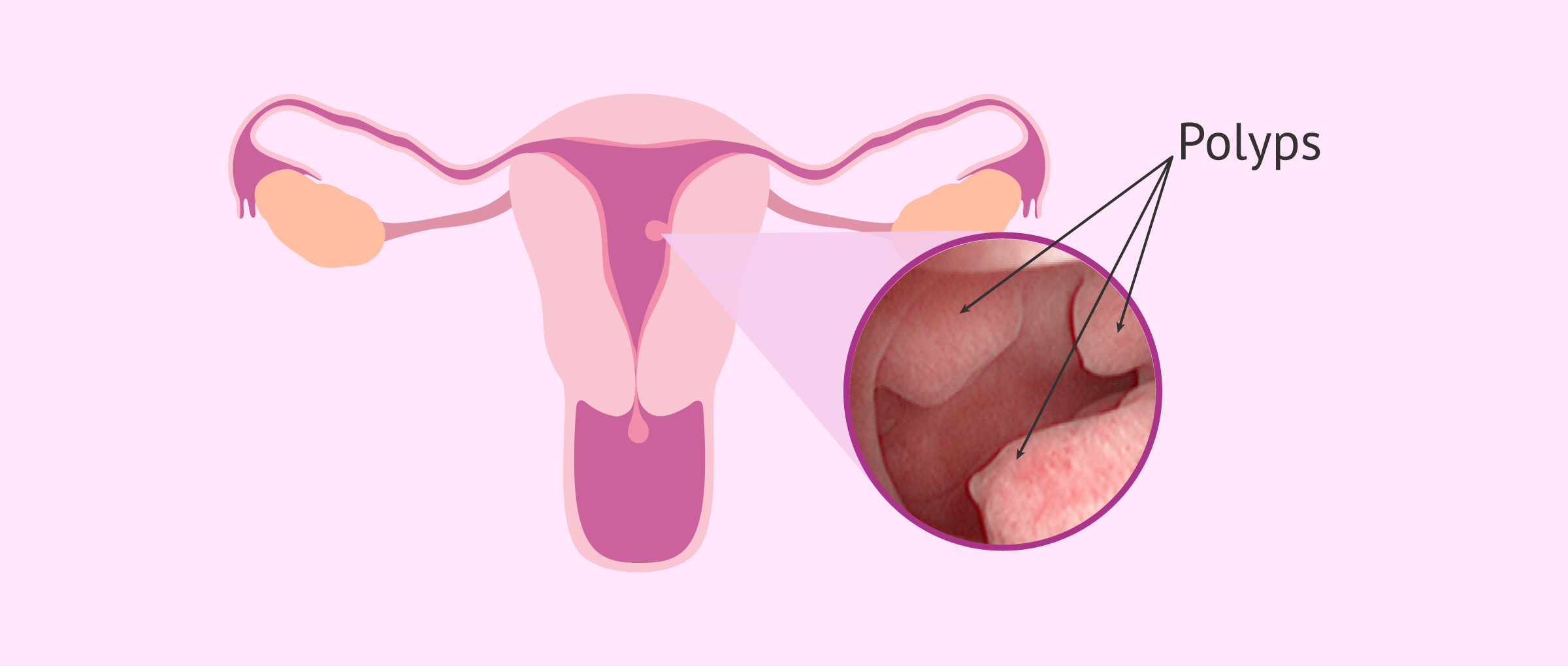
Malignant uterine polyps: types, symptoms and treatments
Overgrowth of cells in the endometrium (lining of the uterus) cause the formation of uterine or endometrial polyps. They are usually non-cancerous or benign, but it is estimated that about 5% may turn into cancer. Polyps should be removed by a surgical procedure called polypectomy.
Read more

Baby led weaning - what is it, when to start and how to do it
Baby-led weaning (BLW) is a method of complementary feeding that has become very popular. It involves introducing foods to the baby (older than six months and ready to start on solids) as prepared soft solids for them to feed themelves, instead of spoon feeding purees.
Read more
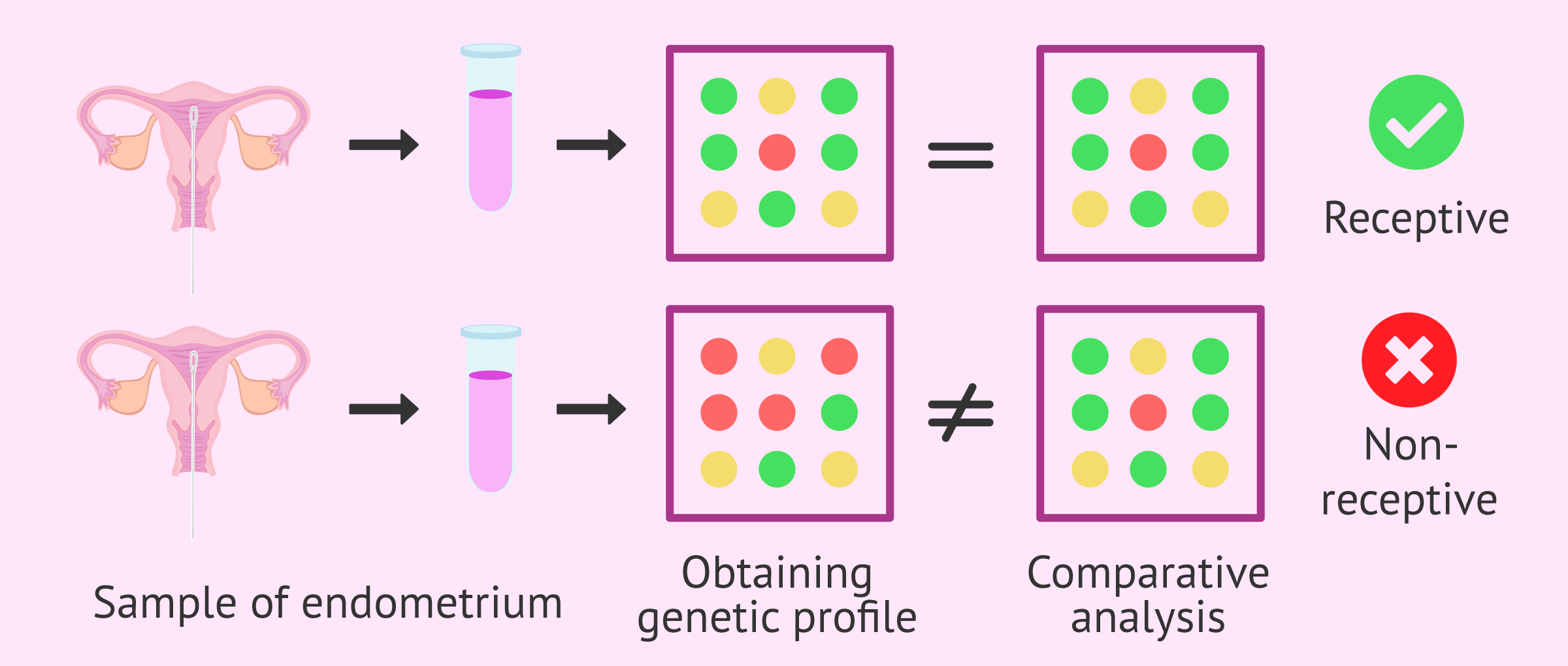
Endometrial Receptivity Array (ERA): Procedure and Success Rates
The ERA (Endometrial Receptivity Array) is a molecular diagnostic method that allows studying the expression of a set of genes closely related to the state of the endometrium and its receptivity, in order to determine the days of the implantation window.
Read more
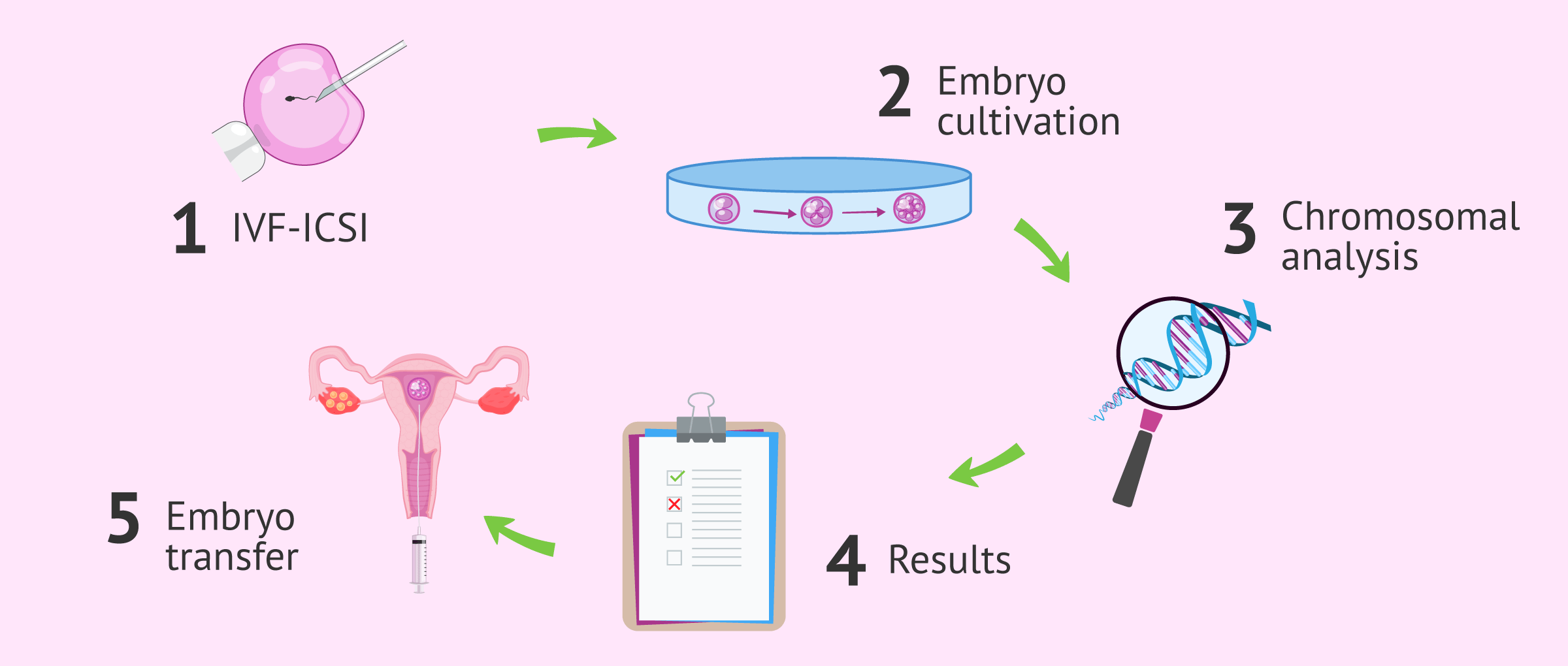
The Embrace test: non-invasive preimplantation genetic testing
The Embrace test is a type of non-invasive preimplantation genetic analysis that consists of analyzing the drop of culture medium where the embryo has developed up to day 5-6. The Embrace test does not require an embryo biopsy and, therefore, the embryo is not damaged.
Read more

Diagnosing oligozoospermia via semen analysis and hormone tests
Rendering a diagnosis of oligospermia is possible with a simple semen analysis and bloodwork to determine the levels of male hormones.
Read more
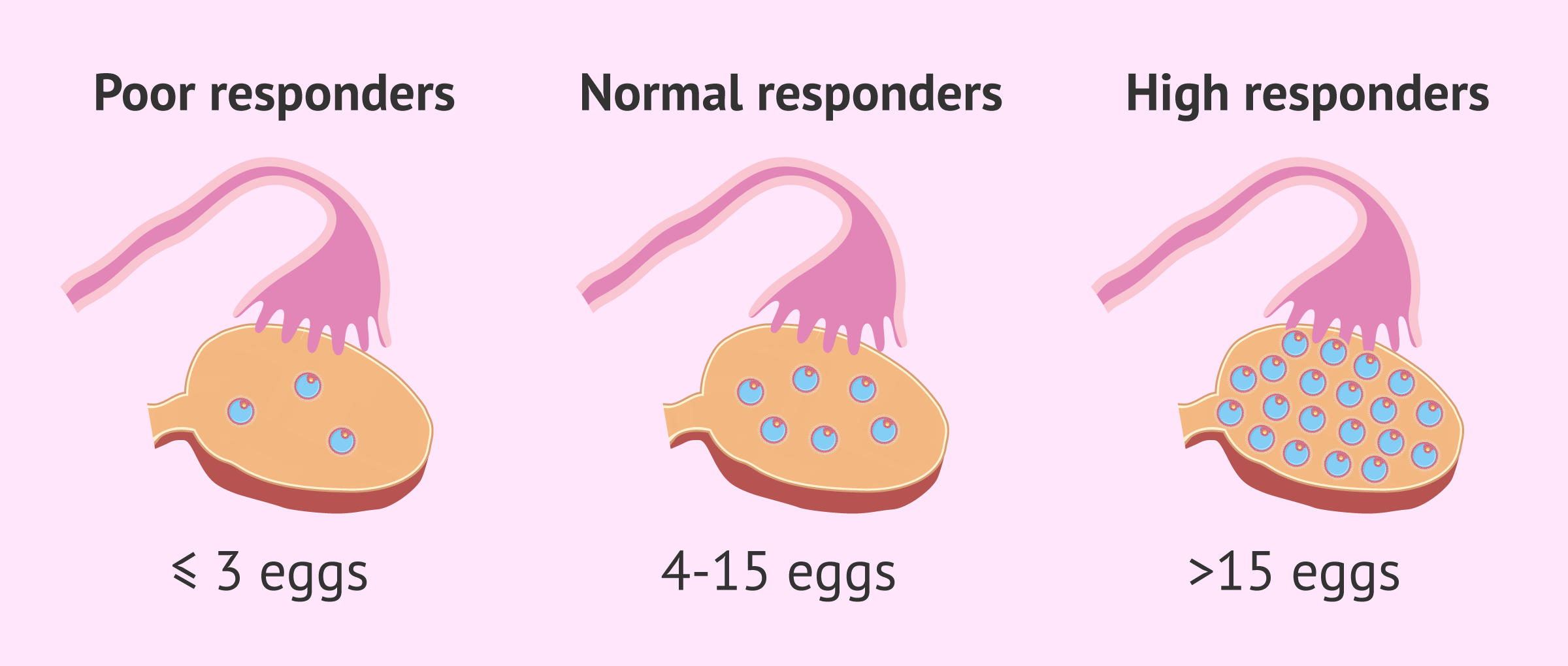
How many eggs do you need to obtain to perform IVF?
It is common for a woman or couple to wonder how many eggs need to be retrieved in the follicular puncture in an in vitro fertilization (IVF) cycle. The truth is that there is no specific number of eggs for an IVF to be positive.
Read more
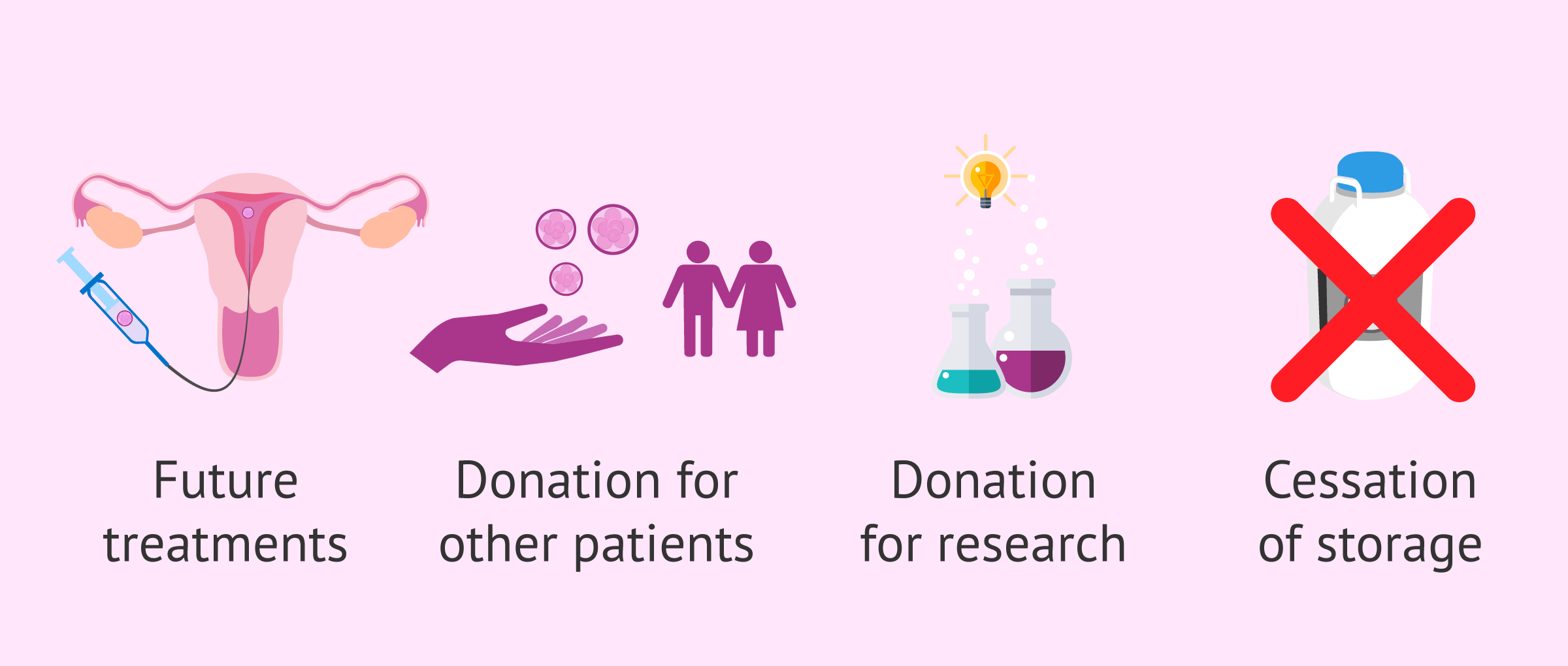
What happens to the excess unused embryos after an IVF treatment?
While undergoing an assisted reproductive treatment, more embryos are produced than can be transferred and these excess embryos can have various destinties. Their use is governed by the law and is the decison of the patient. However, it is common for patients not to responsd to communication from the clinic to renew consent.
Read more
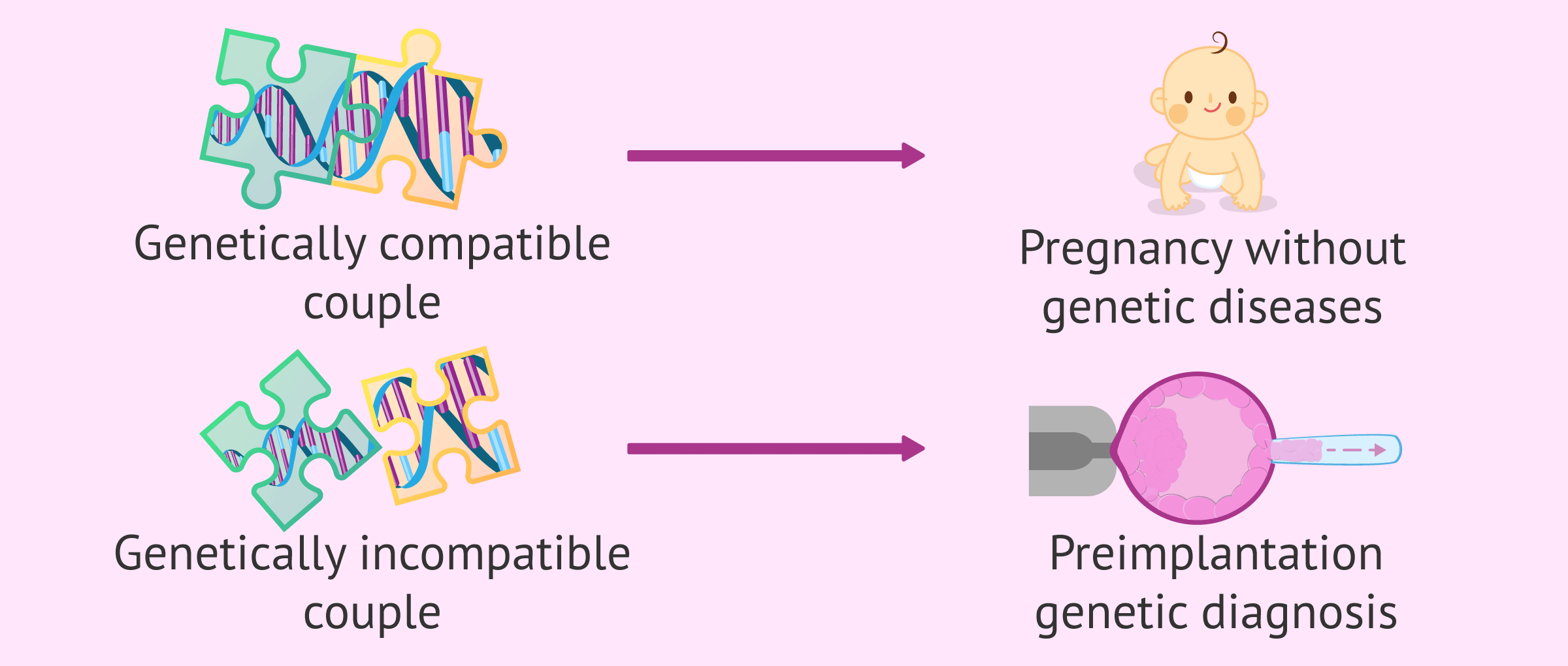
Testing For Hereditary Diseases: Genetic Compatibility Test (GCT)
With only one blood test, the genetic compatibility test allows us to know if both members of the couple are carriers of the same mutation and, therefore, if there is a risk of having a child affected by the genetic disease.
Read more
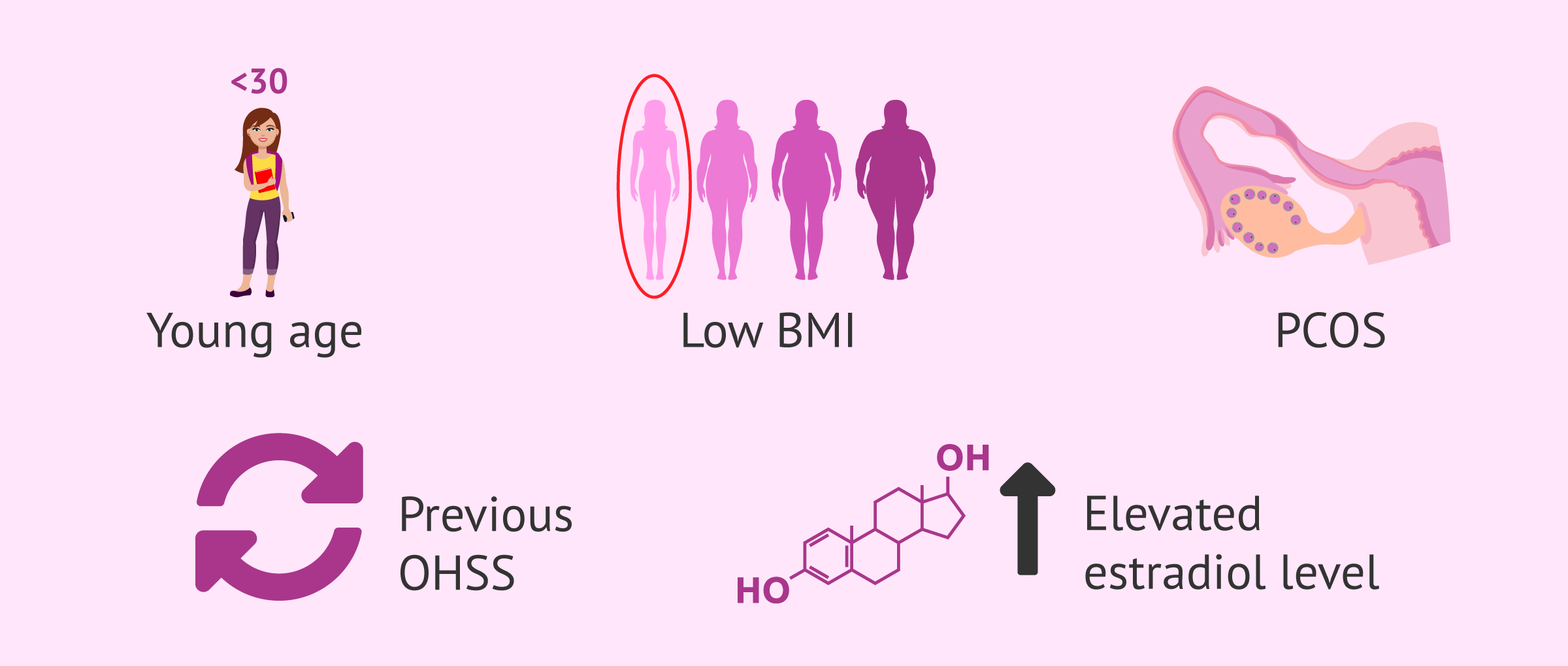
Natural evolution of the ovarian hyperstimulation syndrome (OHSS)
Ovarian hyperstimulation syndrome (OHSS) is a complication that can occur from assisted reproduction treatments administered for ovarian stimulation. When it appears, OHSS is usually mild and subsides completely with the onset of menstruation.
Read more

