
Article

What is a premature baby? - Causes, care and complications
Premature babies are those born at 35 weeks of pregnancy or earlier. There are a number of symptoms that can be a sign of preterm labor. In addition, if the birth were to occur between 35 and 37 weeks, they would be late preterm babies.
Read more
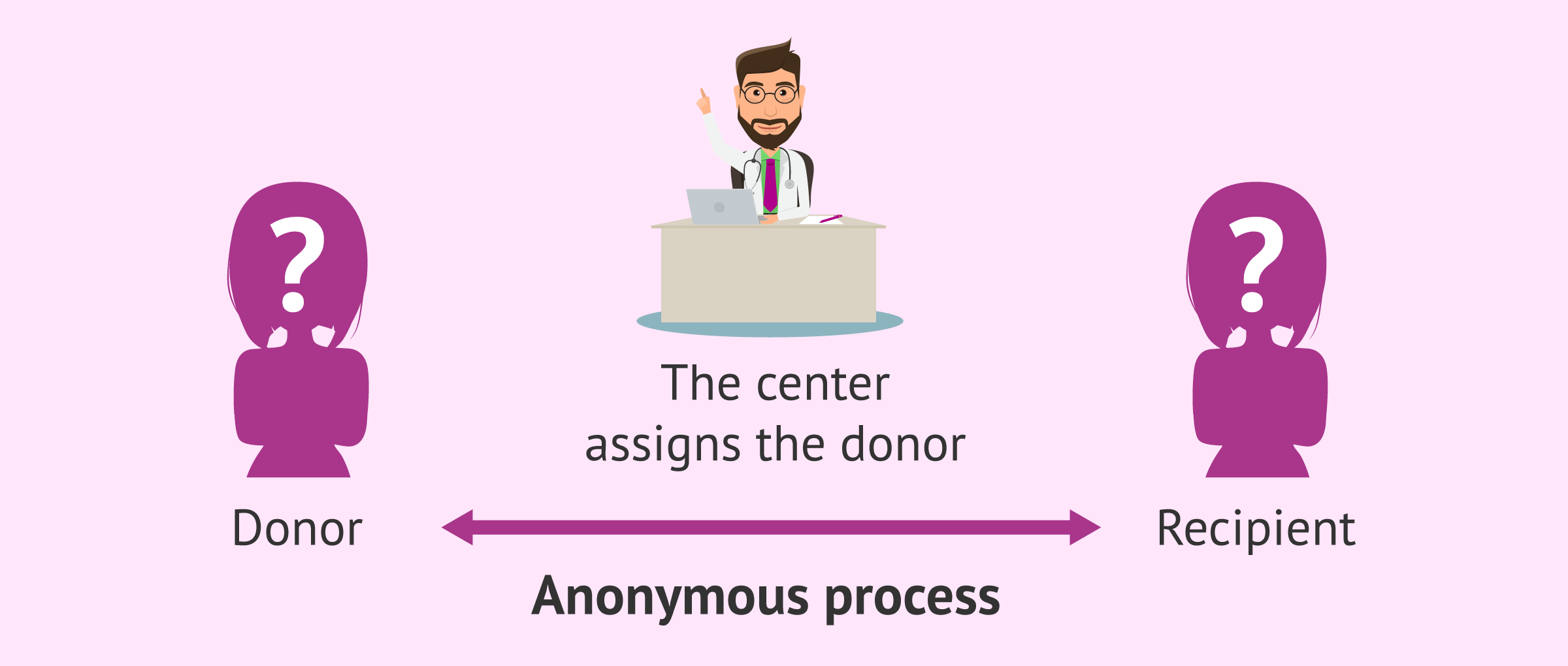
How is an anonymous egg donor assigned to the recipient woman?
The assignment of the most suitable egg donor for the recipient woman is a procedure performed by the medical team. In no case will the recipient woman or couple be able to choose the donor or her characteristics, since it is a totally anonymous process for both parties.
Read more
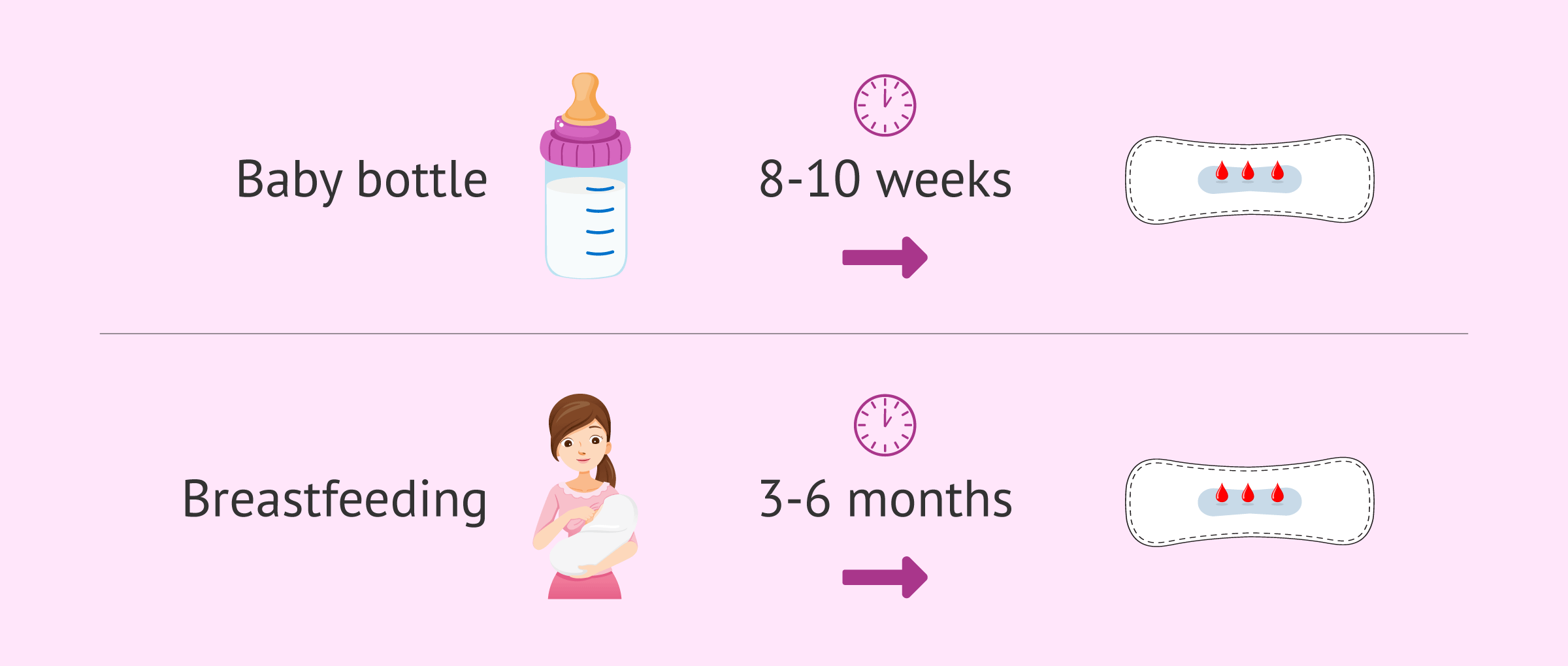
Menstrual periods after childbirth - when will they start again?
The period after childbirth usually takes about two months, although, if the mother chooses to breastfeed, it will take longer for the first period comes on.
Read more
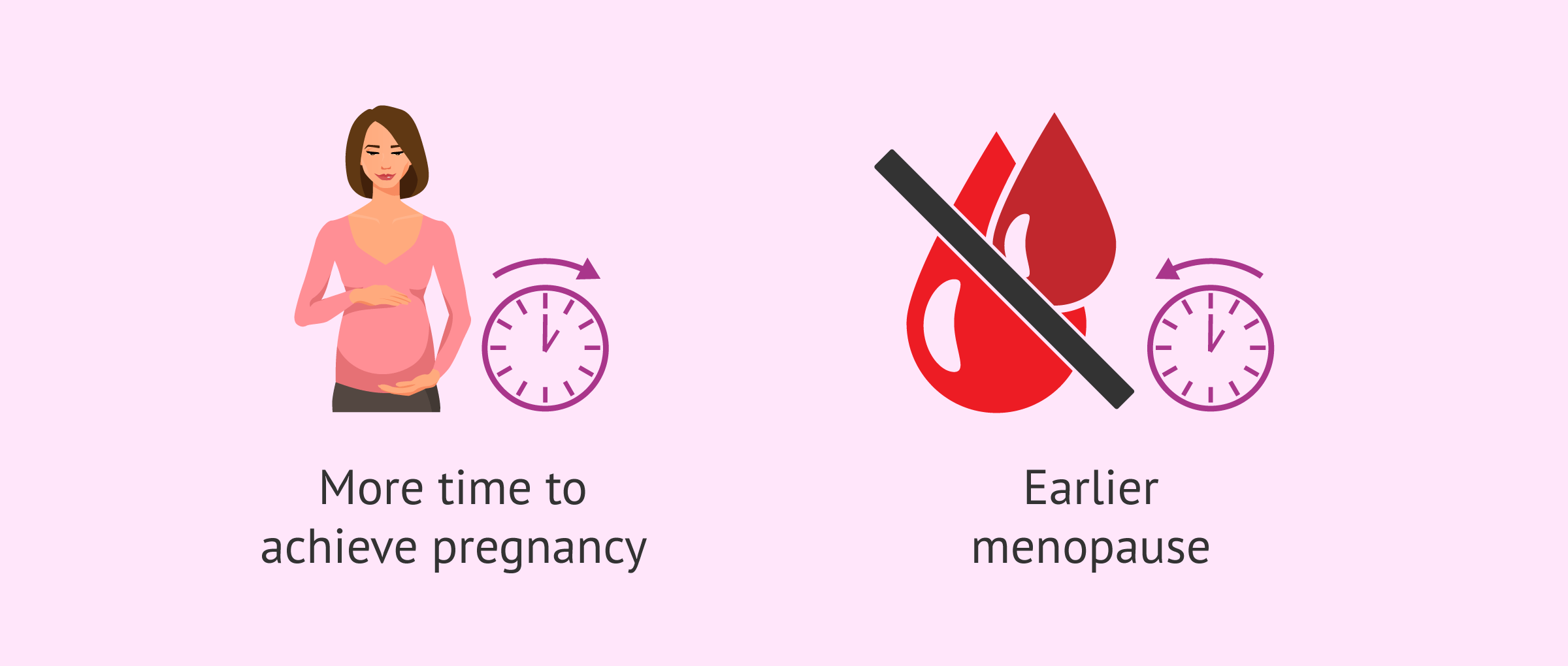
Does smoking affect fertility and assisted reproduction techniques?
Tobacco has negative effects on the health of both men and women. However, although less well known, it also has effects on fertility. On the other hand, smoking during pregnancy also increases the risk of certain complications such as miscarriage, premature birth.
Read more

What are the benefits of acupuncture for improving fertility?
Acupuncture is a thousand-year old technique through which many illnesses are treated and prevented. It has been used in assisted reproduction in order to solve problems related with hormonal regulation.
Read more
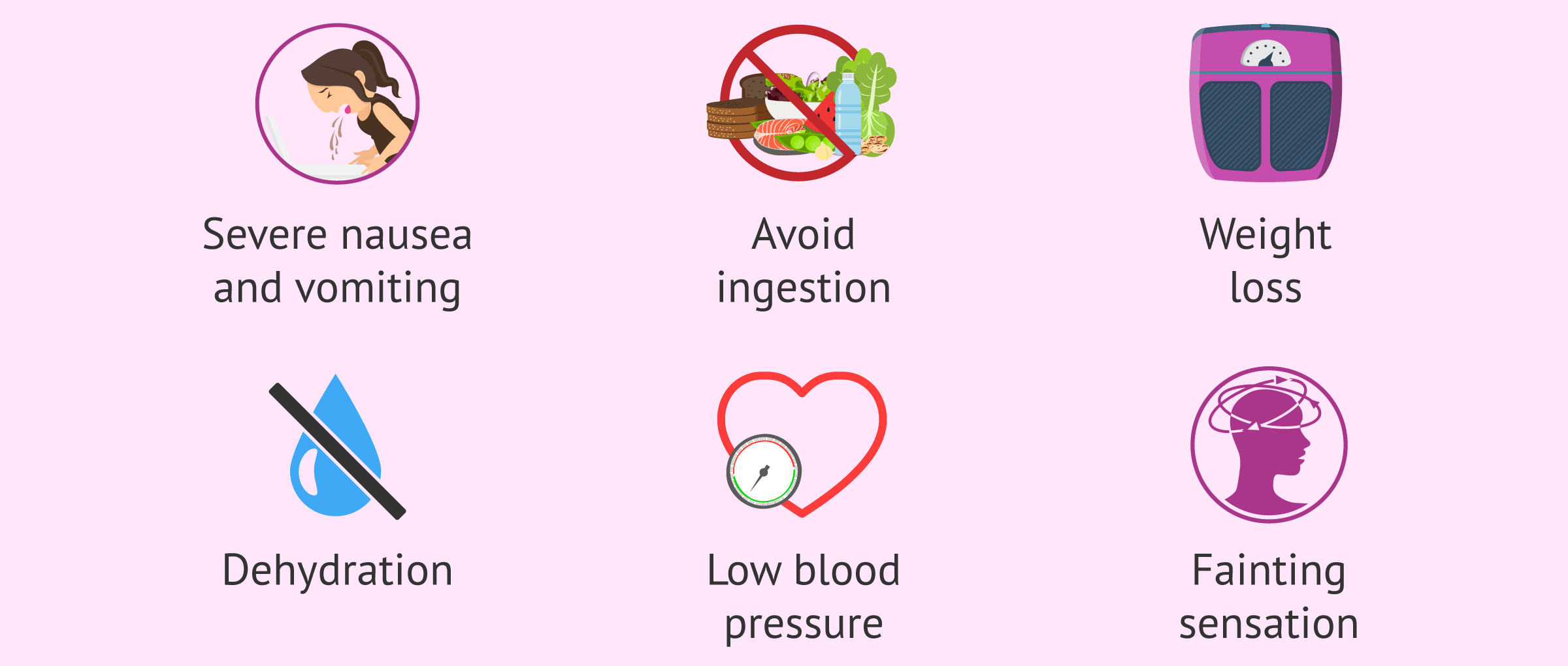
What is hyperemesis gravidarum and what are its symptoms?
In early pregnancy, nausea or vomiting is normal. However, if the nausea or vomiting is very strong and persistent, it is a condition known as hyperemesis gravidarum. In this case, constant nausea and vomiting prevent the pregnant woman from eating, leading to weight loss and dehydration.
Read more
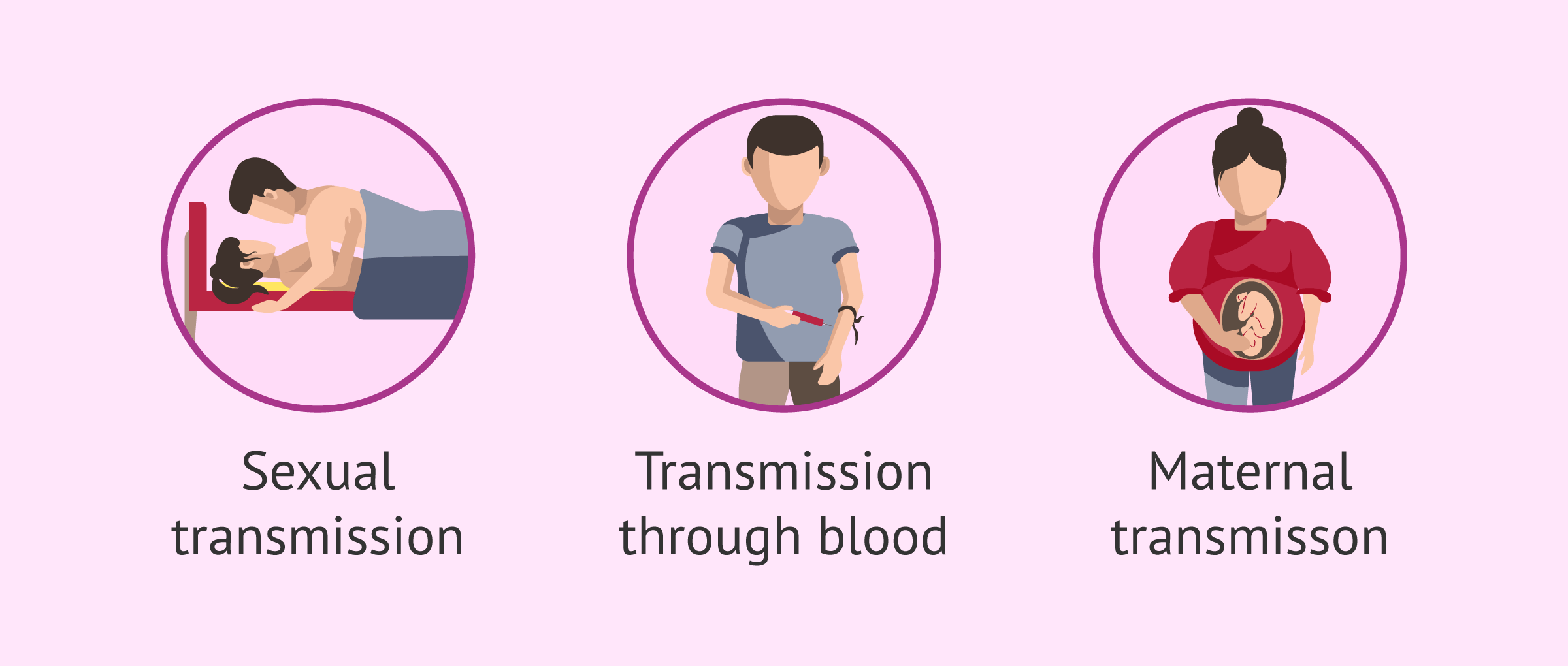
Where is HIV transmitted, and are HIV and AIDS the same?
HIV transmission in humans can occur in different ways: through unprotected sexual intercourse with an HIV-positive person, through direct contact with the blood of a person with the virus, or from mother to baby during pregnancy or breastfeeding.
Read more
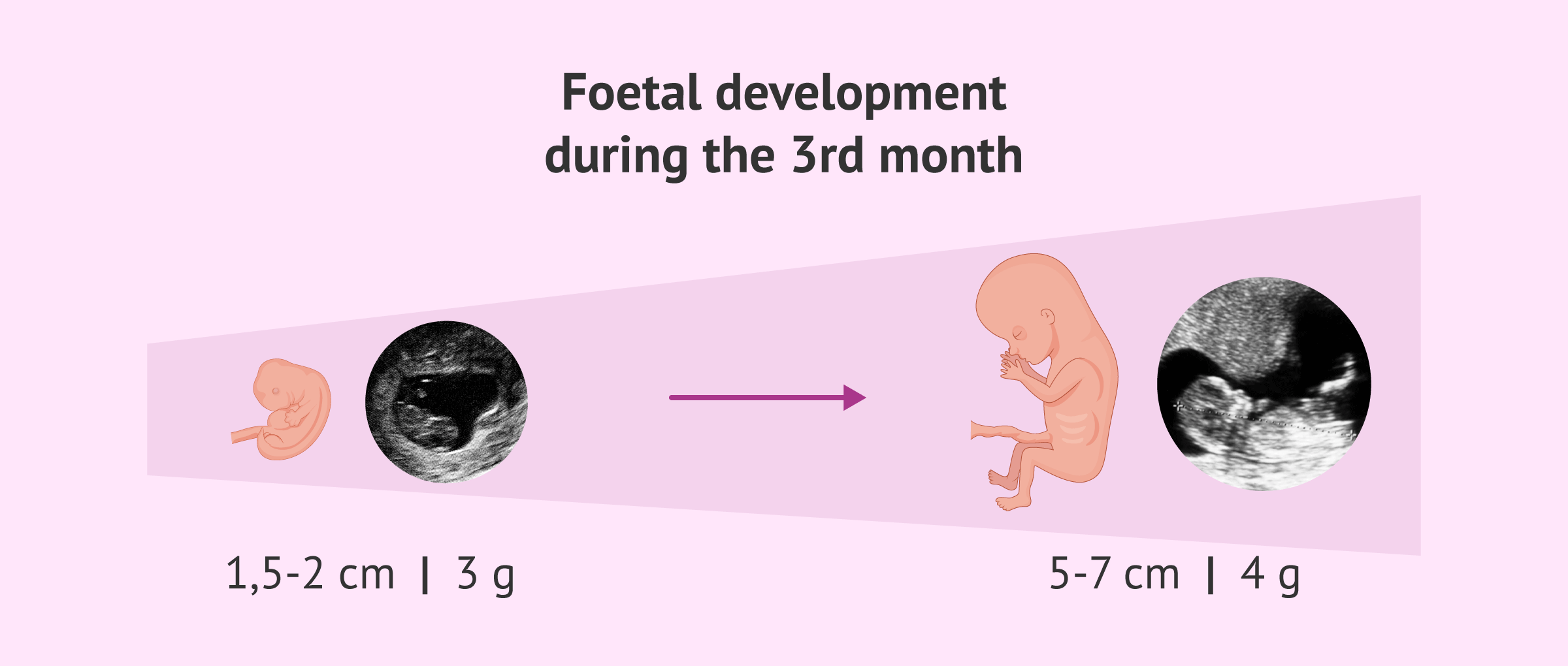
3 Months Pregnant - Baby Development, Symptoms & Tips
In month 3 of pregnancy, the embryo becomes recognizable as a pre-human, and unpleasant symptoms as nausea disappear. You will start showing. In short, you will start looking pregnant.
Read more

What are the effects of caffeine on fertility in men and women?
Many people drink caffeinated drinks daily, but do they know the effects it has on their fertility? There are studies that indicate that caffeine decreases female fertility and, therefore, the probability of pregnancy. However, the exact causes of this effect are not known.
Read more
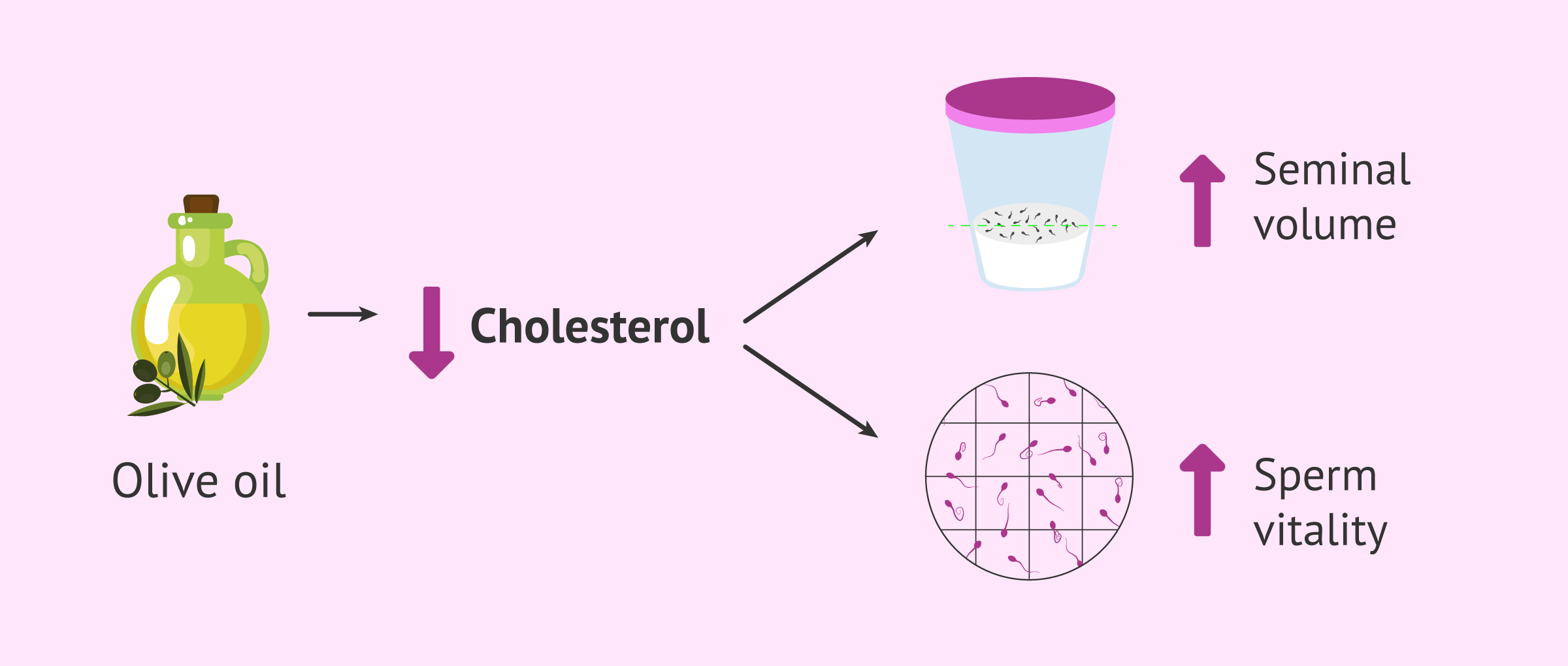
Is olive oil good for male fertility?
Olive oil, due to its composition, has multiple beneficial health effects. Among them, olive oil could have a positive effect on male fertility. In addition, the Mediterranean diet associated with this type of oil could also be beneficial for male seminal quality.
Read more

Uterus Tipped Backwards: Causes & Symptomes of Retroverted Uterus
It's an alteration in the position of the uterus that doesn't affect ferility but causes pain during menstruation and sexual intercourse. It's also a risk factor during pregnancy.
Read more
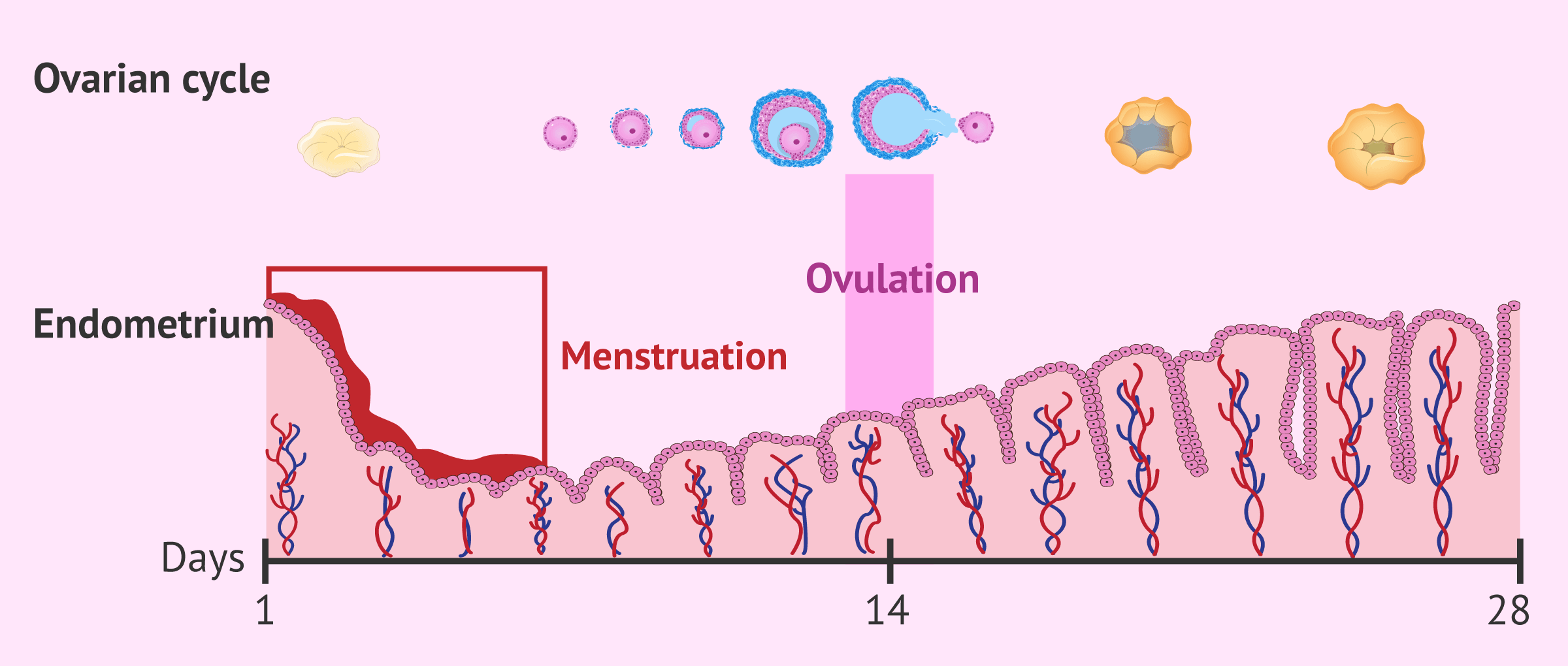
Ovulation and menstruation at the same time: is this possible?
Ovulation usually begins midway through the menstrual cycle. However, in either short or long menstrual cycles, ovulation can happen almost at the same time as menstruation.
Read more

