
Article

What Is Perimenopause? Symptoms and Pregnancy Possibility
Perimenopause is the transition period until menopause. It usually happens in women between 40 and 48 years old and many of them experience recurrent symptoms.
Read more

What Is Time-Lapse Technology in IVF? - Definition & Benefits
Time-lapse embryo monitoring systems allows embryologists to see the entire process of embryo development by means of videos, without altering the culture conditions.
Read more
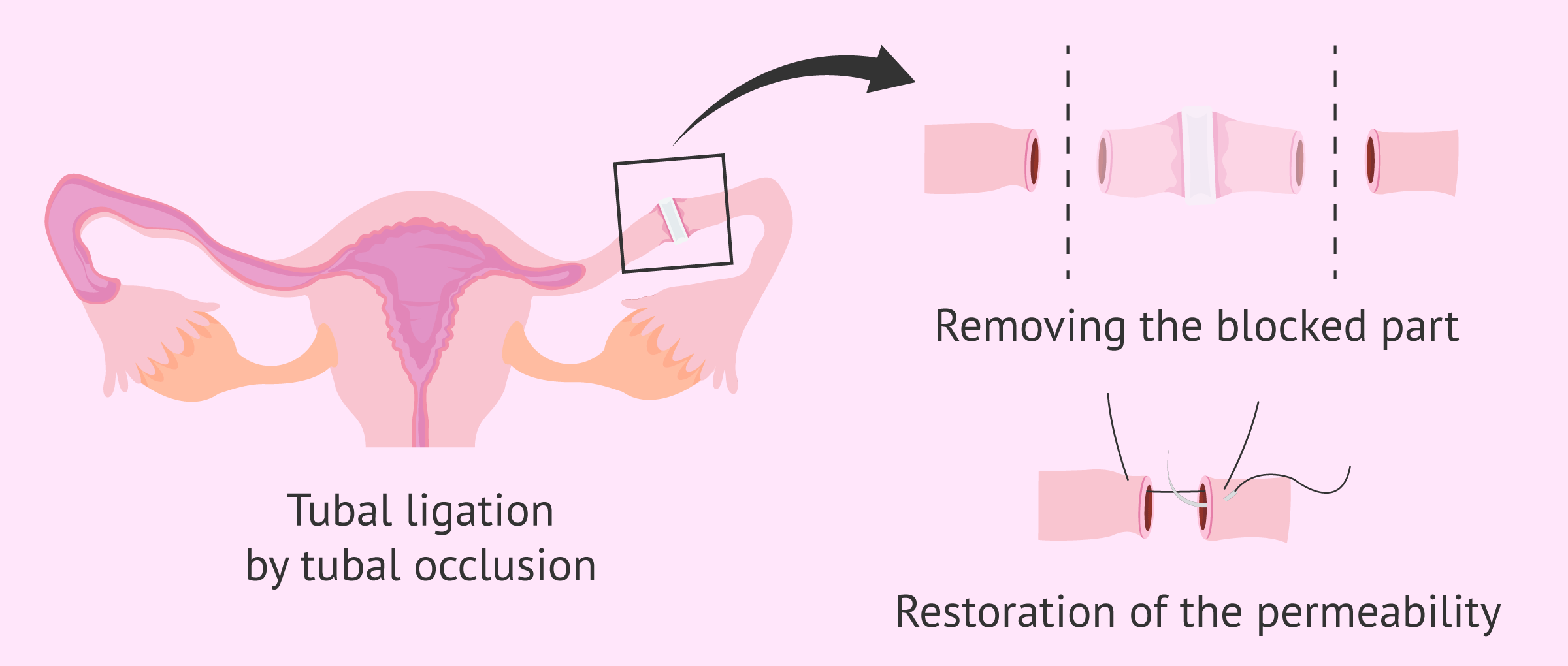
Is It Possible to Reverse Tubal Ligation?
Achieving pregnancy in women with tubal ligation is possible thanks to tubal reversal surgery. The success of tubal reversal surgery depends on the technique used for tubal ligation. However, the performance of this technique will be evaluated according to fertility studies and the age of the patient.
Read more
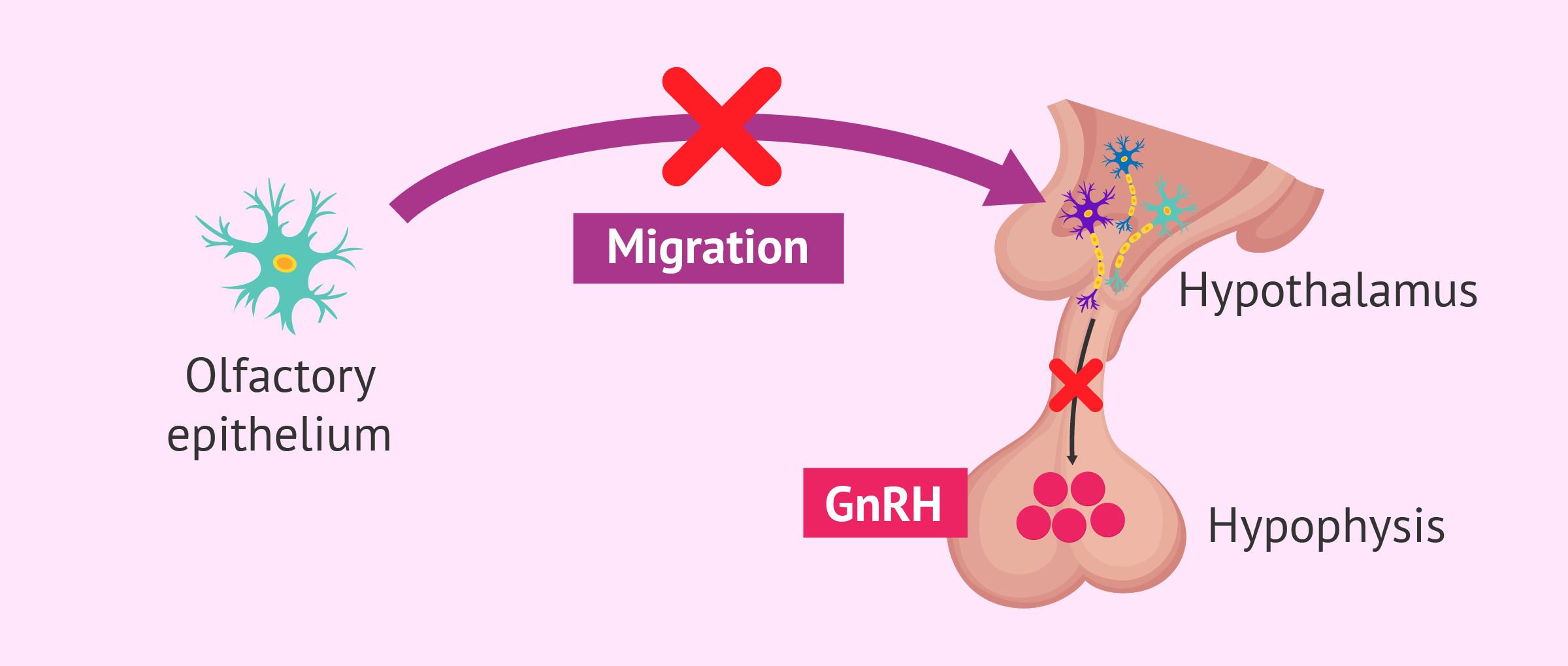
Kallmann Syndrome (KS) - Symptoms, Causes & Treatment
Kallmann Syndrome (KS) is a genetic disorder caused by a lack of GnRH (gonadotropin-releasing hormone), responsible for releasing vital hormones for the adequate funtioning of the body and sexual development.
Read more
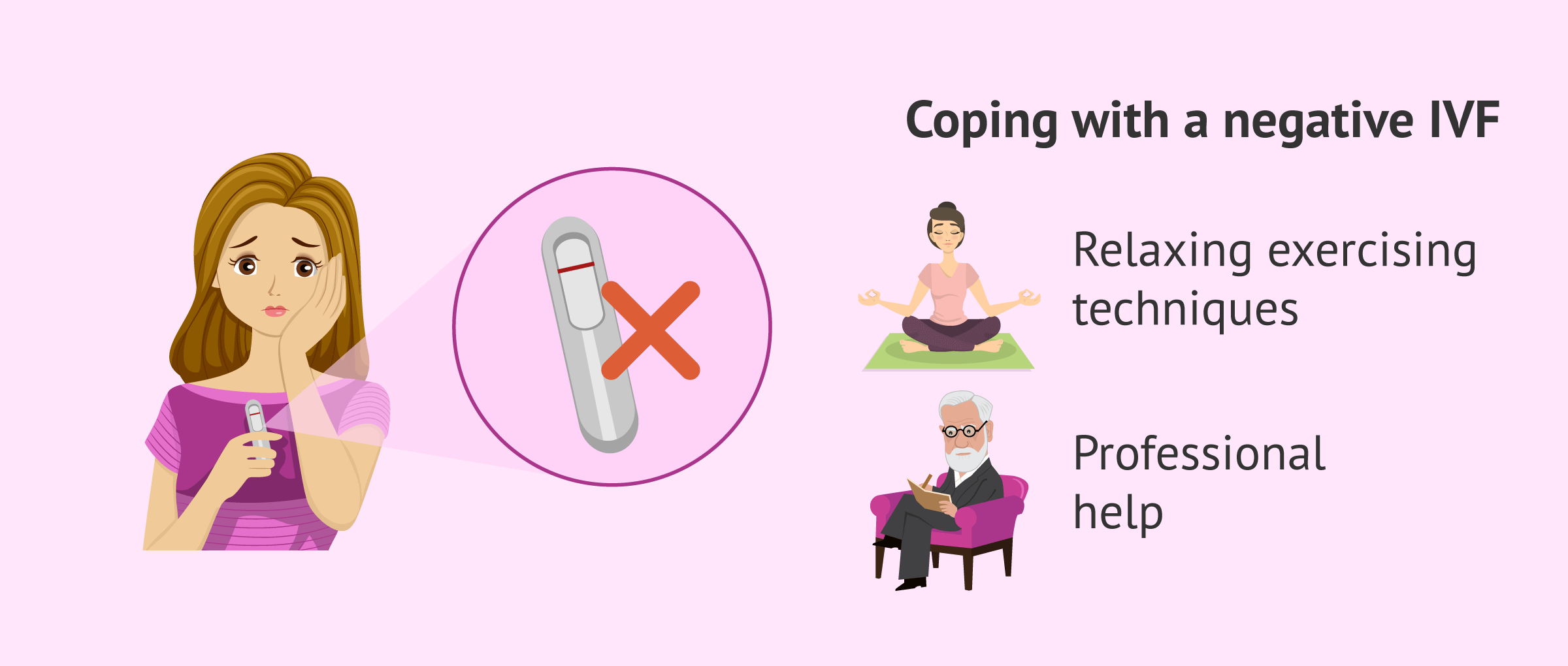
IVF Failure - Staying Positive & Options for Success
What to do if you have not become pregnant after in vitro fertilisation (IVF)? It can be a very difficult situation. Therefore, you have to be mentally prepared to cope with any outcome you get after a pregnancy test.
Read more

Menopur: Patient's Manual for Ovarian Stimulation in IVF
Menopur is the name of a medicine used in some assisted reproduction techniques in order to stimulate the woman’s ovulation. It is chemically composed by the Human Menopausal Gonadotropin.
Read more
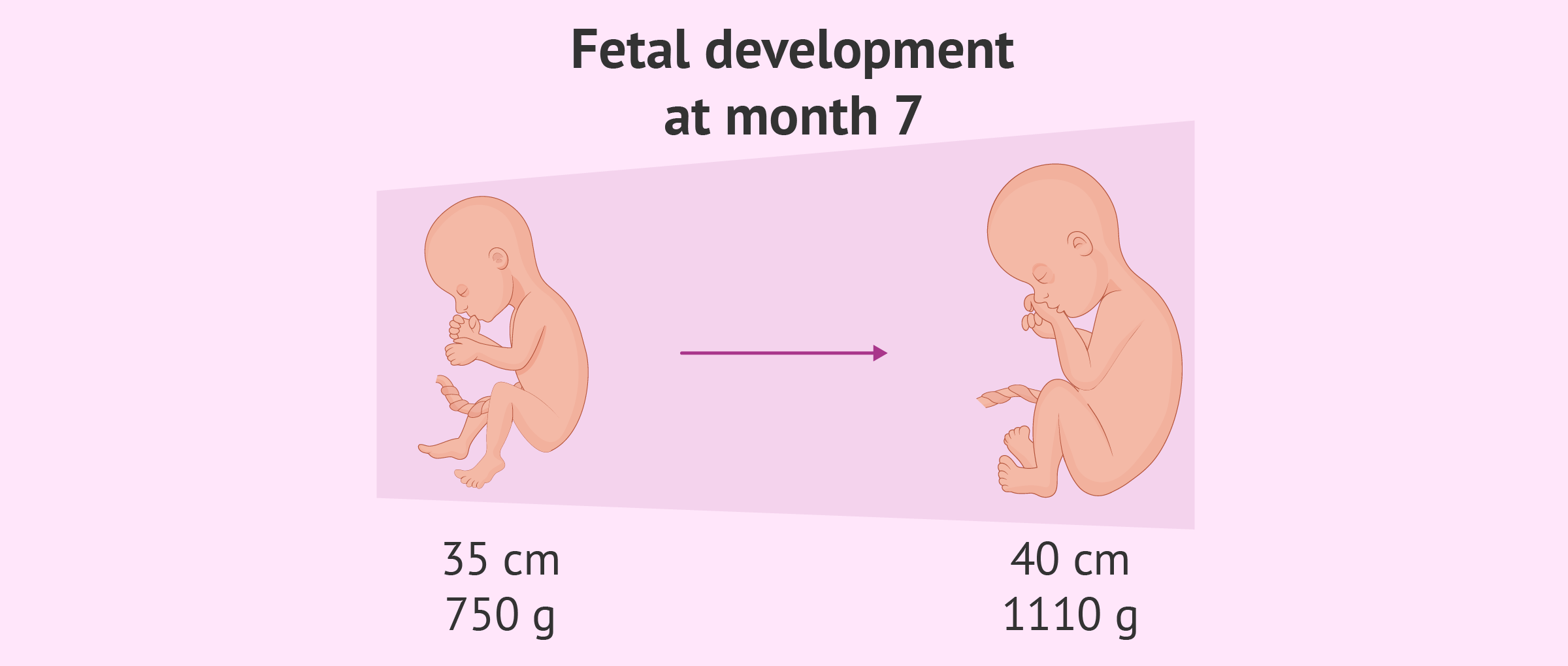
Seventh Month of Pregnancy - Symptoms & What to Expect
The main symptoms of the seventh month of pregnancy are exhaustion, stretch marks, insomnia, and back pain. The five senses of the baby are almost fully developed.
Read more
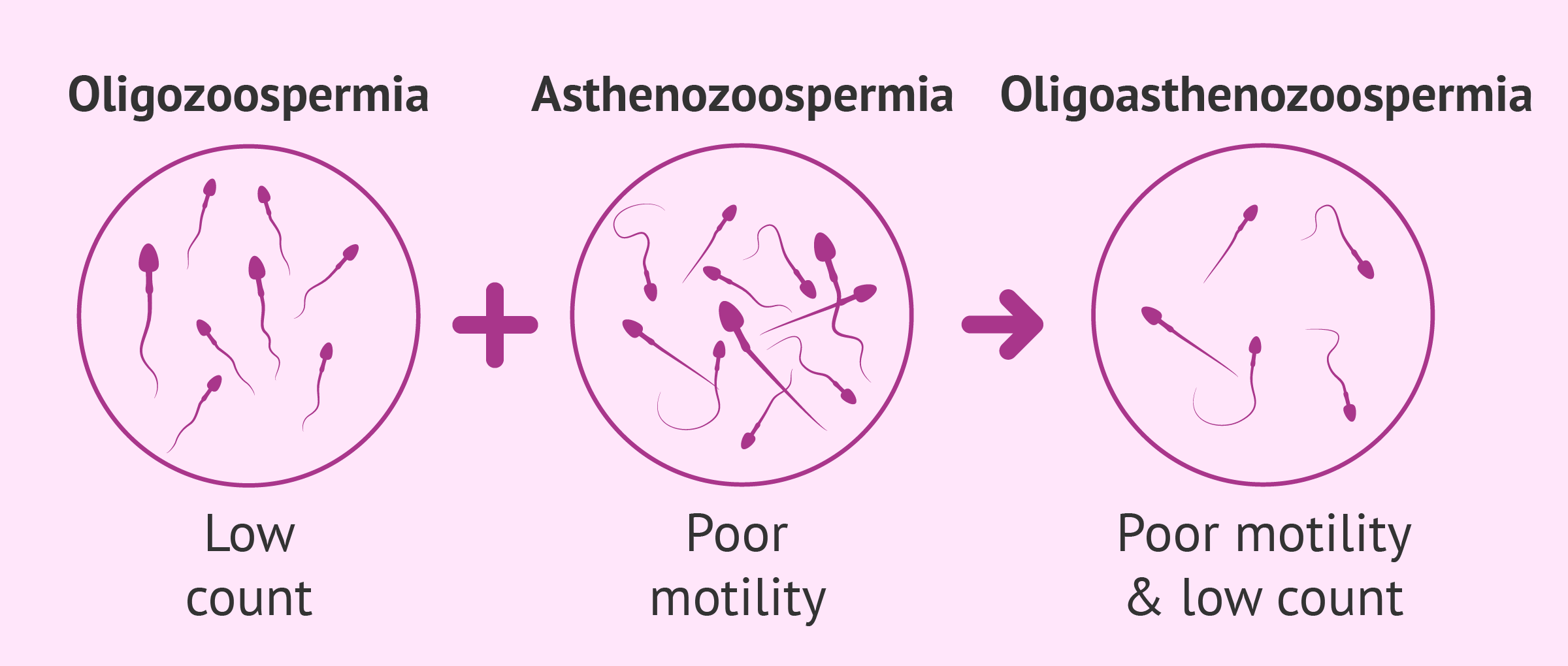
What Is Oligoasthenozoospermia? - Causes & Treatment
Oligoasthenozoospermia is the alteration of the concentration and mobility of spermatozoa in the semen, which causes male infertility. Men suffering from oligoasthenozoospermia will have difficulty achieving pregnancy naturally, so they will have to resort to fertility treatments.
Read more
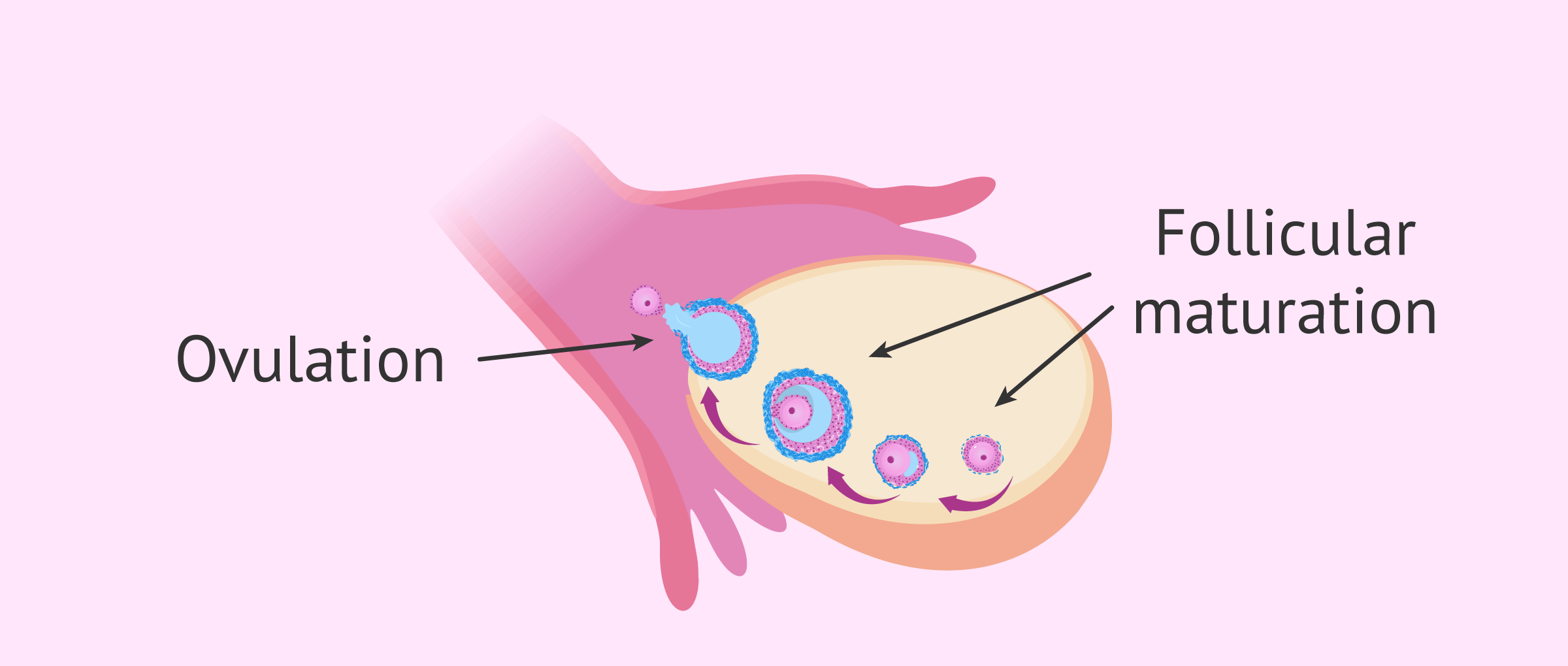
Female infertility due to endocrine-ovarian factor
This type of infertility in woman is due to alterations in the hypothalamic-pituitary axis, alterations in the gland that produces sexual hormones (pituitary) or in the cerebral structure (hypothalamus) that stimulates that gland.
Read more

What is Luveris Used For in IVF? Administration Instruction & Side Effects
Luveris is a drug prescribed to women undergoing assisted reproduction treatment. It stimulates the production of follicles in the ovary using recombinant LH.
Read more
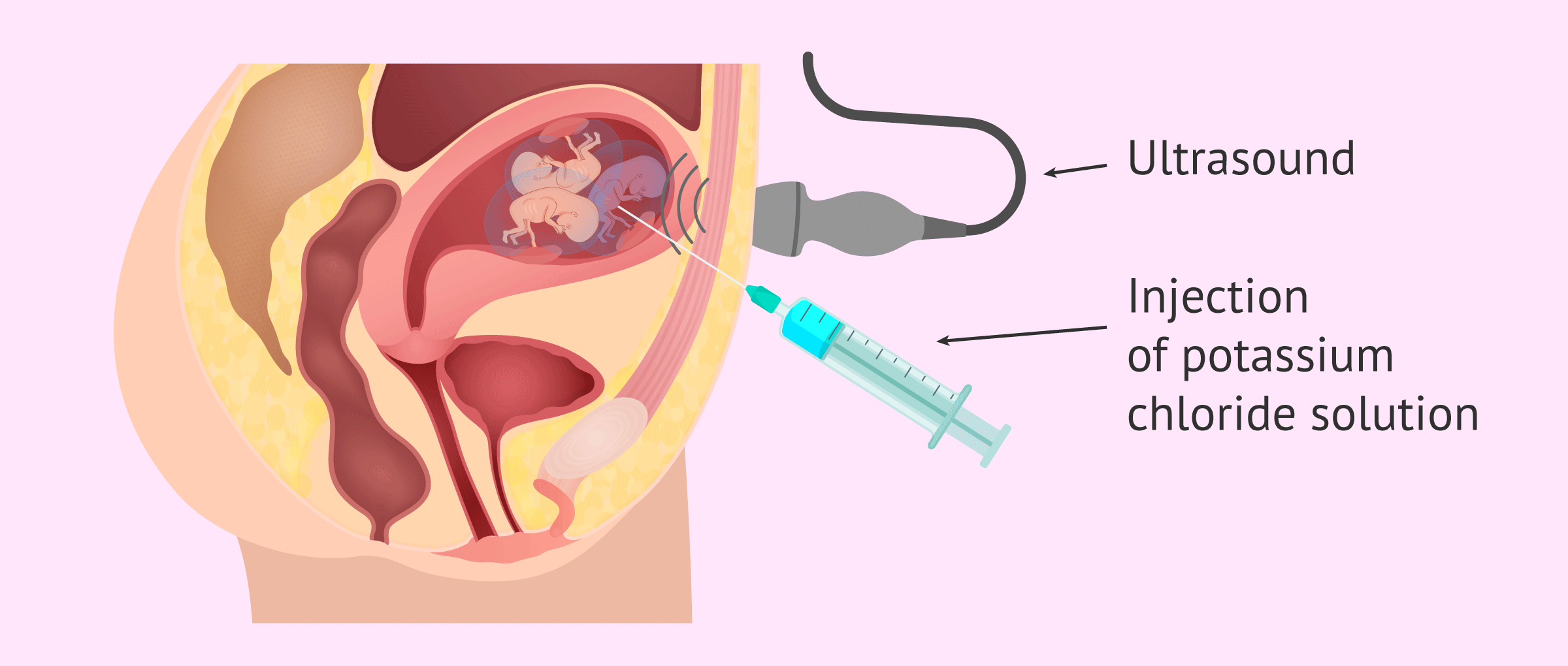
Multifetal pregnancy reduction - the how and why of the procedure
Multifetal pregnancy reduction is an intervention in which the development of one or more fetuses is interrupted because the woman has a high-risk multiple pregnancy, with 3 or more babies in her womb.
Read more
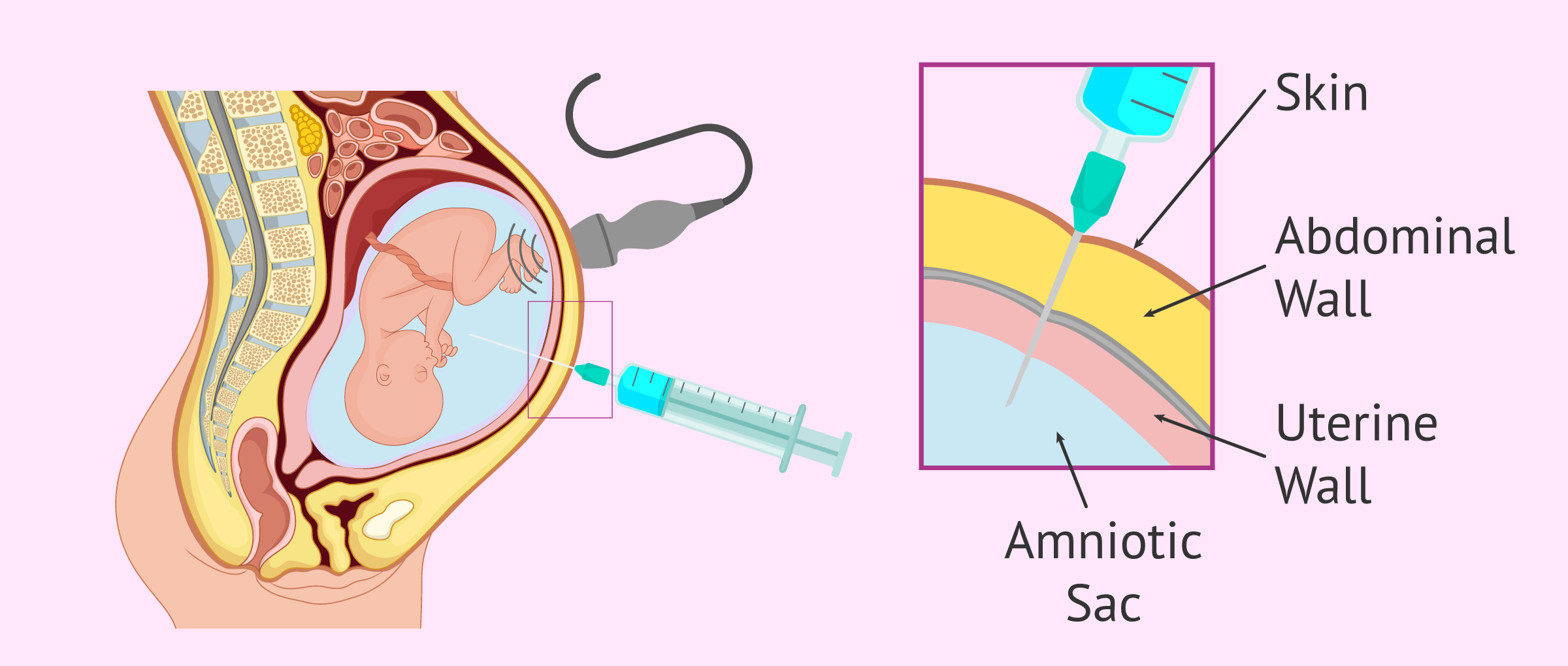
Amniocentesis: Why it is done and what are the possible risks?
Amniocentesis is a prenatal test performed between the 15th and 20th week of pregnancy to detect certain diseases in the baby such as chromosomal alterations or fetal malformations.
Read more

