
Featured Publications

Hydrosalpinx: what is it, what causes it and how to treat it.
Hydrosalpinx is an alteration of the Fallopian tubes caused by dilation and accumulation of fluid in the tubes, resulting in female infertility. Women with hydrosalpinx in both tubes will need IVF to become pregnant.
Read more
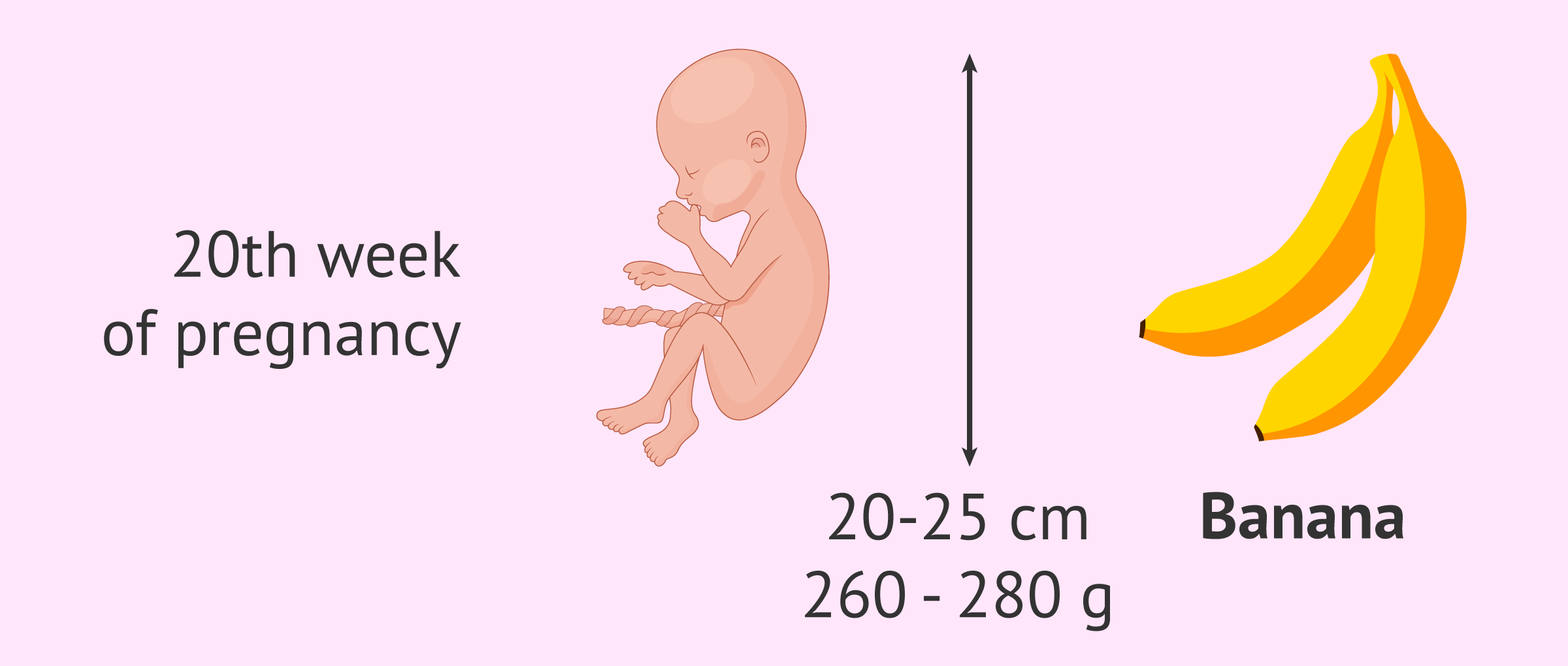
What happens to the baby and the mother in the 20th week of pregnancy?
The 20th week of pregnancy corresponds to the last week of the fifth month of gestation. At this point you are already halfway through the process, your belly has a significant volume, but you can still move easily.
Read more
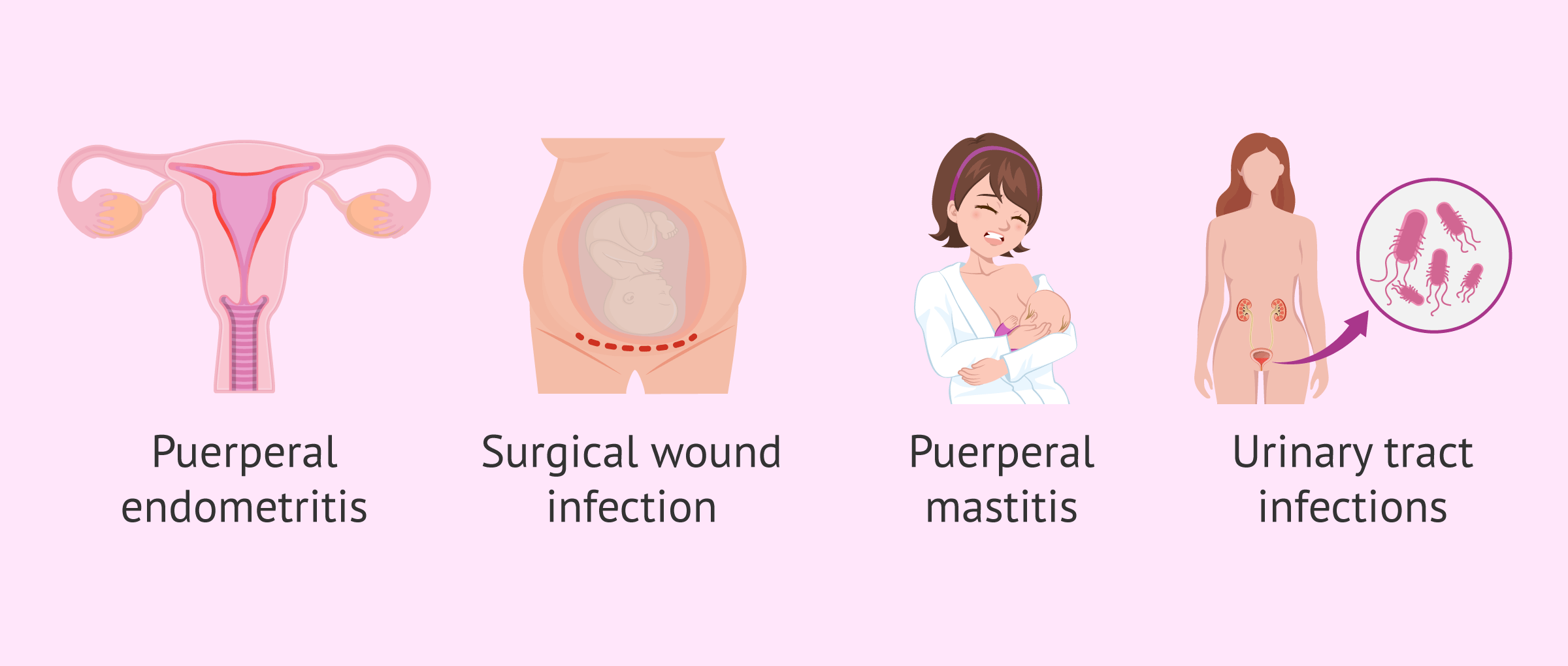
What is puerperal fever? - Symptoms, causes and treatment
High fever during the puerperium or postpartum period is a warning sign of a possible puerperal infection that can cause more serious problems in the mother if not treated properly.
Read more
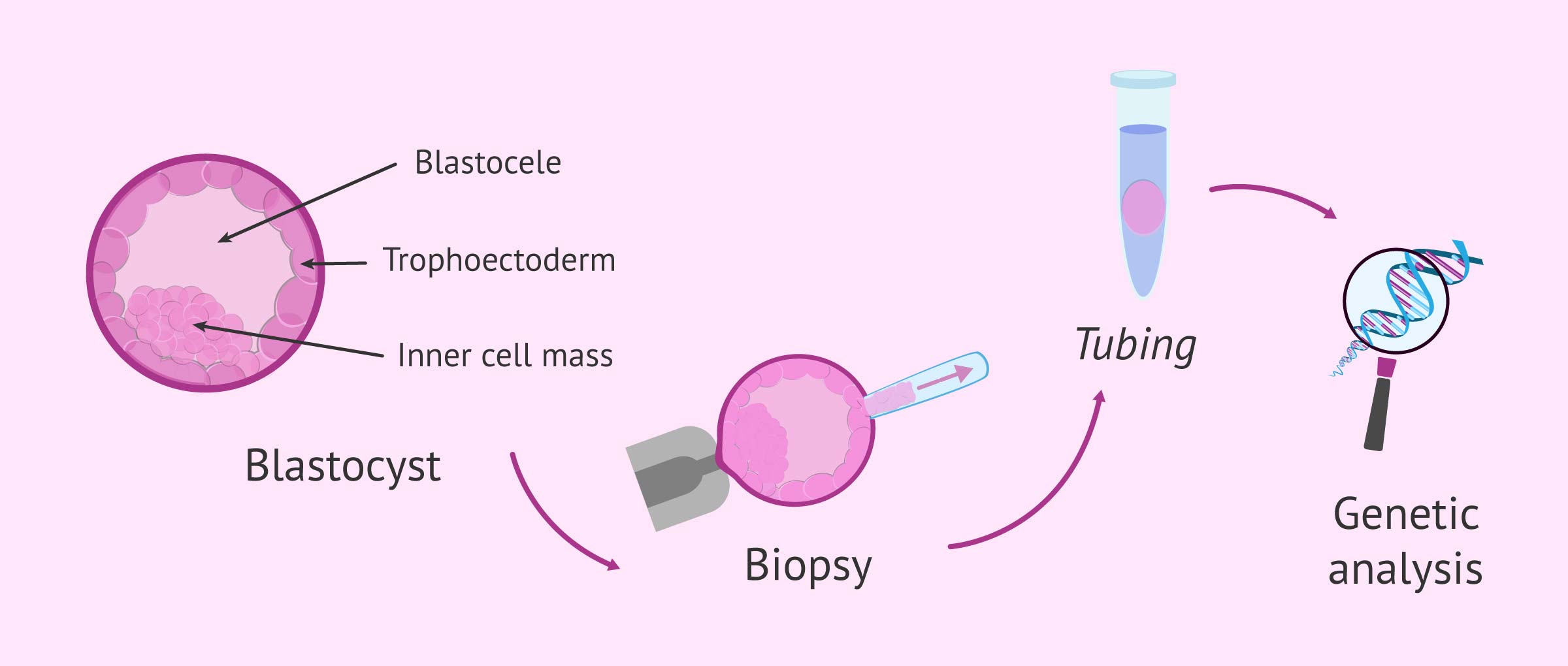
What is embryo biopsy and how is it done step by step?
Embryo biopsy is the procedure by which one or more cells are removed from an embryo in order to analyze its DNA. If the embryos are genetically healthy, they can be transferred. On the other hand, genetically altered embryos will be discarded.
Read more
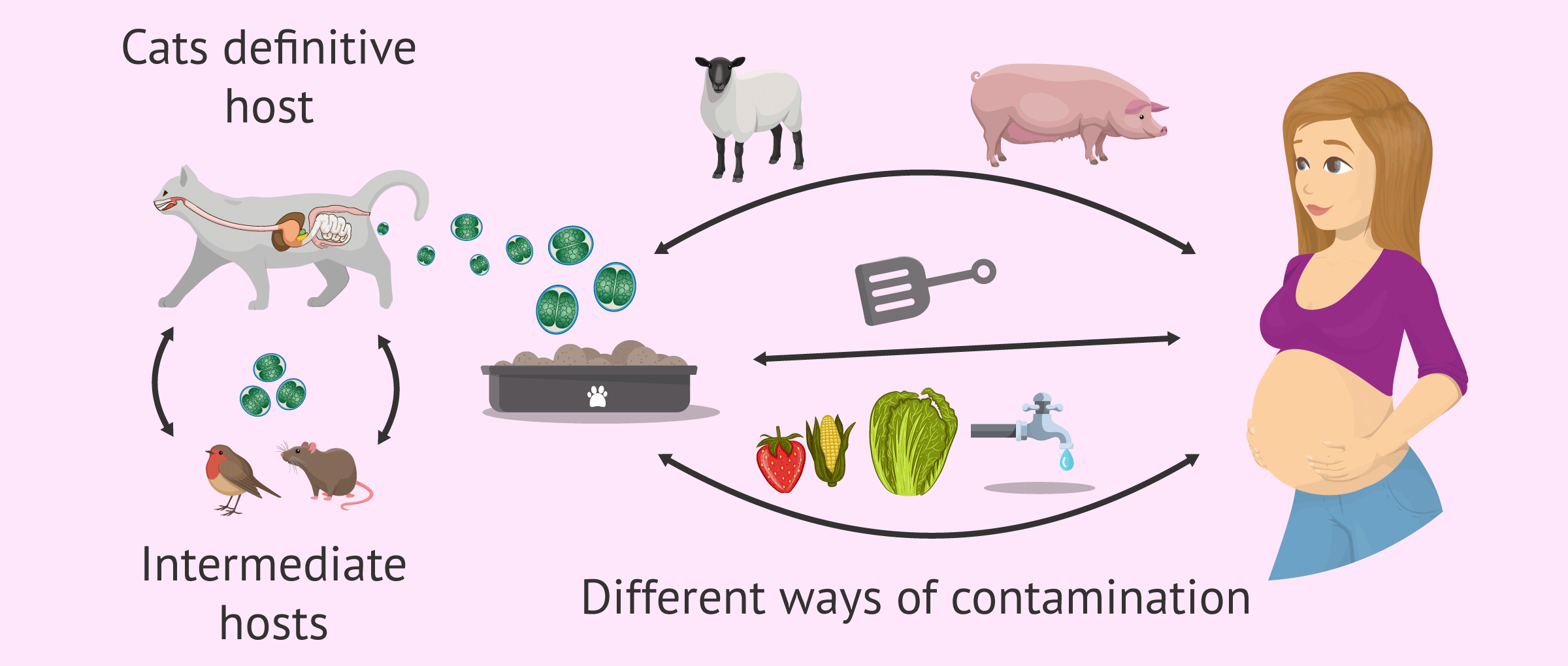
Toxoplasmosis in pregnancy: special care and nutrition
Toxoplasmosis is a parasitic disease that is usually transmitted through cat feces or by eating contaminated raw meat. This type of infection can become very serious in pregnant women, as there is a risk of transmission to the fetus.
Read more

Uterine receptivity as a cause of sterility and solutions
Endometrial receptivity refers to the capacity of the uterus at a given moment of the menstrual cycle for the embryo to interact with it, implant and give rise to pregnancy. Low uterine receptivity, therefore, is a cause of female infertility.
Read more

Premature Ovarian Failure - Causes & Symptoms
Early ovarian failure (POI) refers to the cessation of ovarian activity before the age of 40. These women may have difficulty achieving pregnancy naturally and may require assisted reproductive treatment such as oocyte donation
Read more
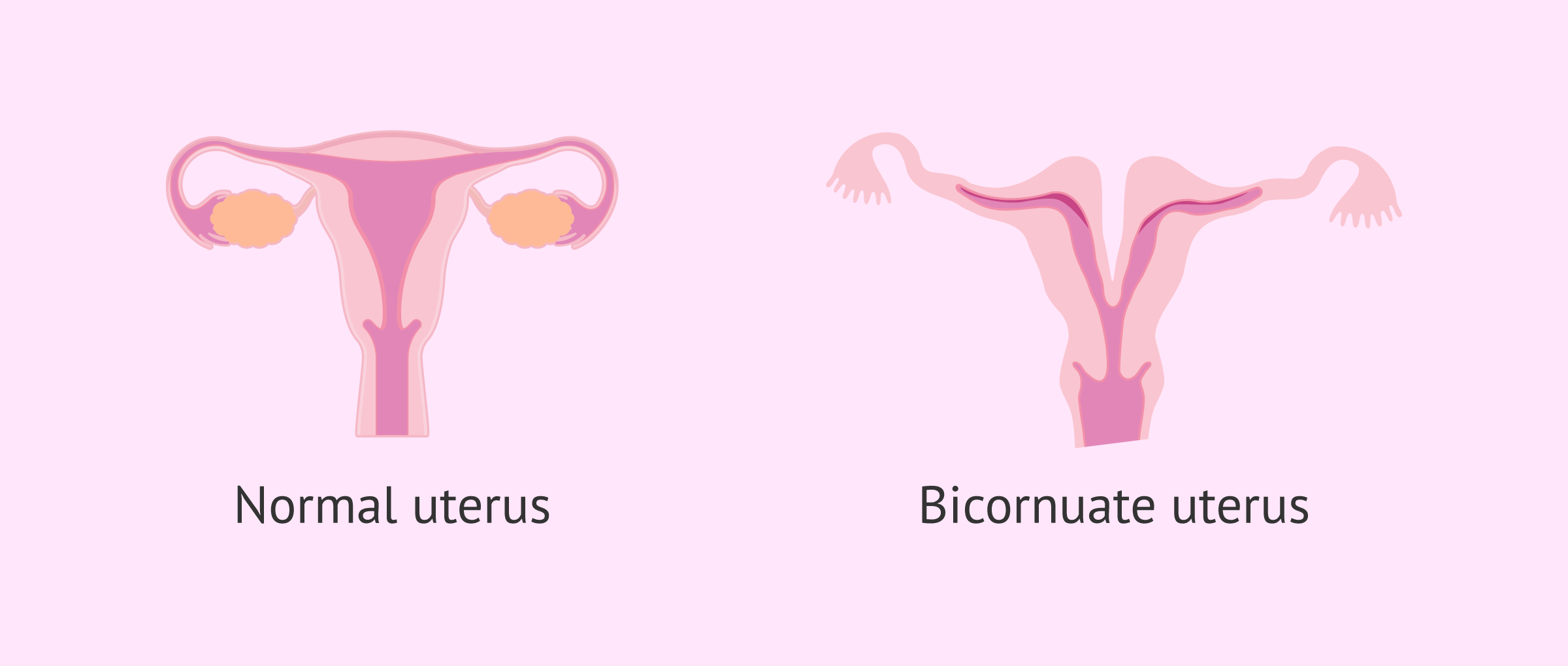
What is a bicornuate uterus? Is it possible to achieve pregnancy?
Bicornuate uterus or heart-shaped uterus is a uterine malformation from birth caused by incomplete fusion of the Müllerian ducts during embryonic development. Pregnancy with a bicornuate uterus is possible, but there is a risk of miscarriage and premature delivery.
Read more

How to take care of your hair during pregnancy and postpartum?
During pregnancy there are some changes in a woman's hair, which will generally look fuller, shinier and healthier from the second trimester of pregnancy onwards. The reason for this is the increase in estrogen levels, which favor the hair growth phase and delay hair loss.
Read more
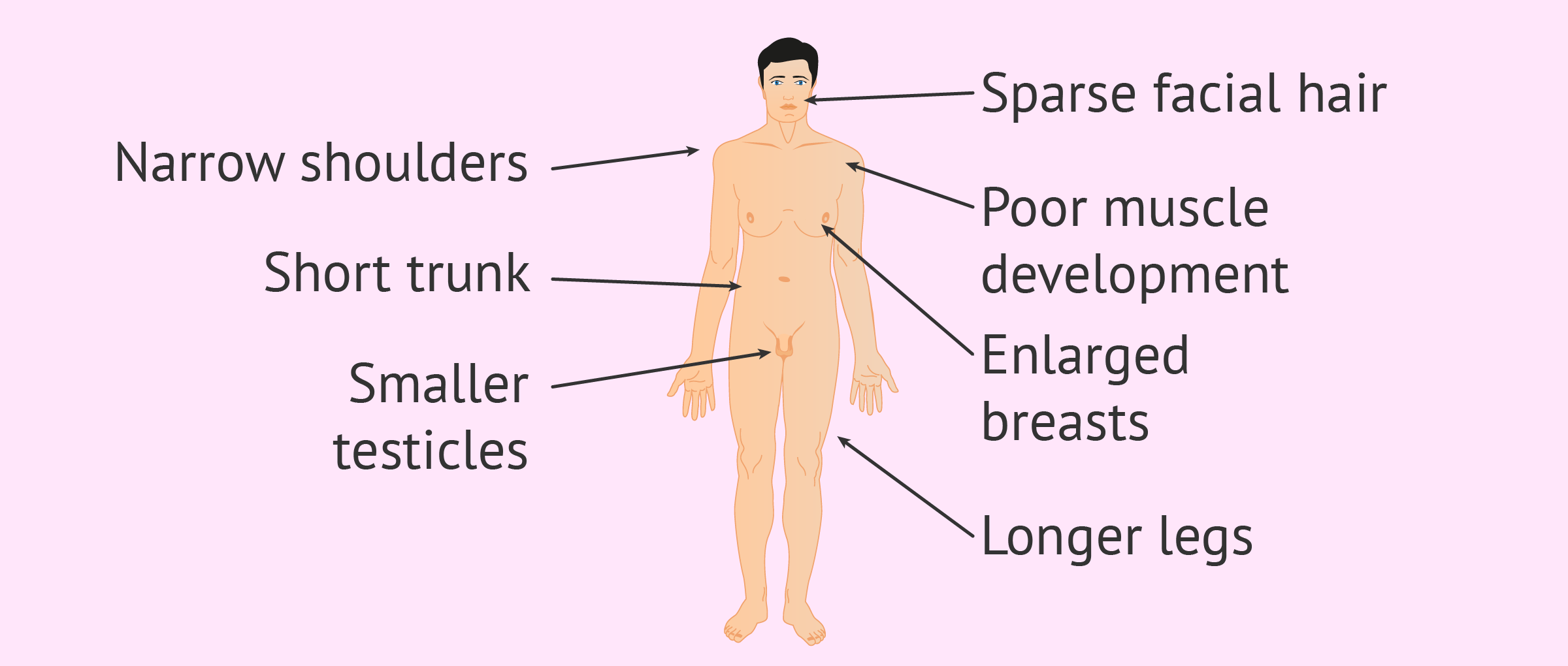
Klinefelter Syndrome (XXY Syndrome) - Symptoms, Causes & Fertility
Klinefelter syndrome is a disorder of genetic cause that affects males, who are born with an extra X chromosome, their genotype being 47, XXY. Males with Klinefelter syndrome suffer infertility due to secretory azoospermia.
Read more
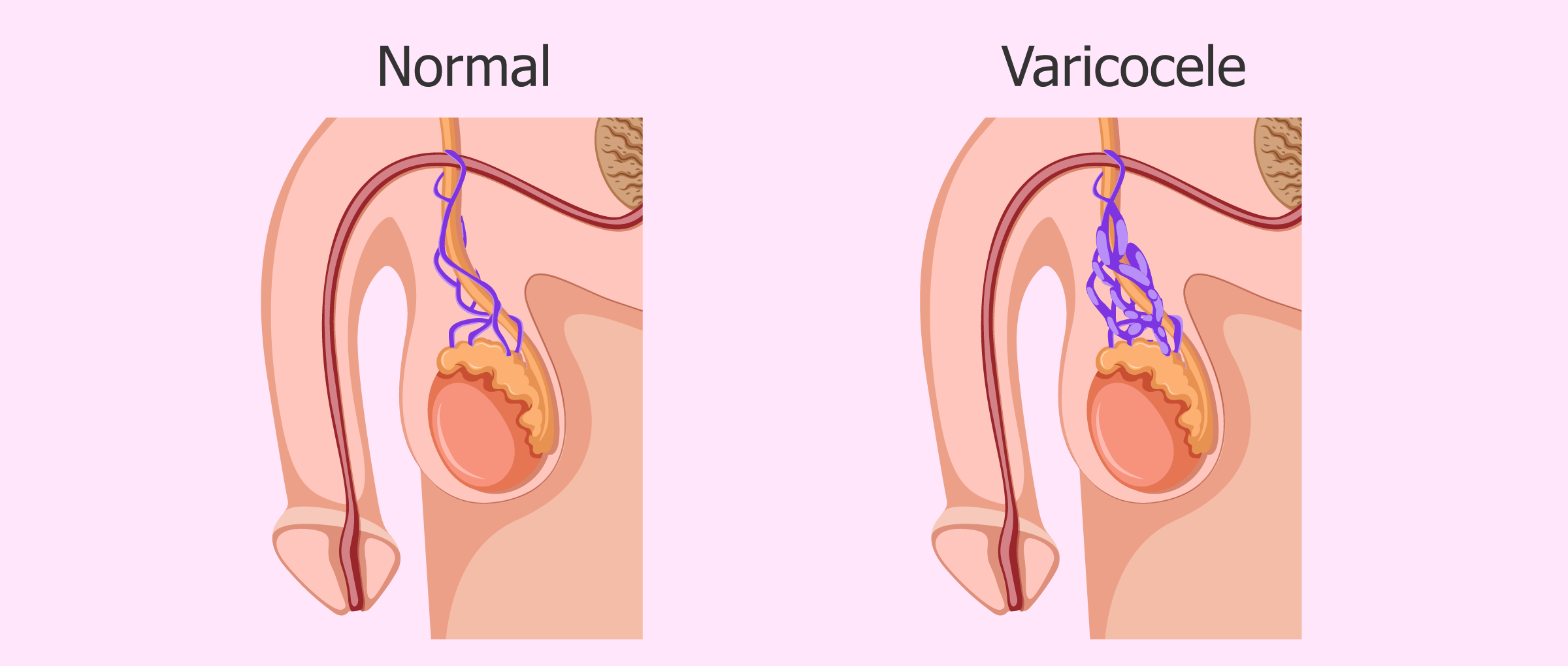
What is a Varicocele? - Causes, Symptoms & Treatment
A testicular varicocele is an enlargement of the veins in the testes. If it causes infertility or pain, treatment with microsurgery is recommended.
Read more
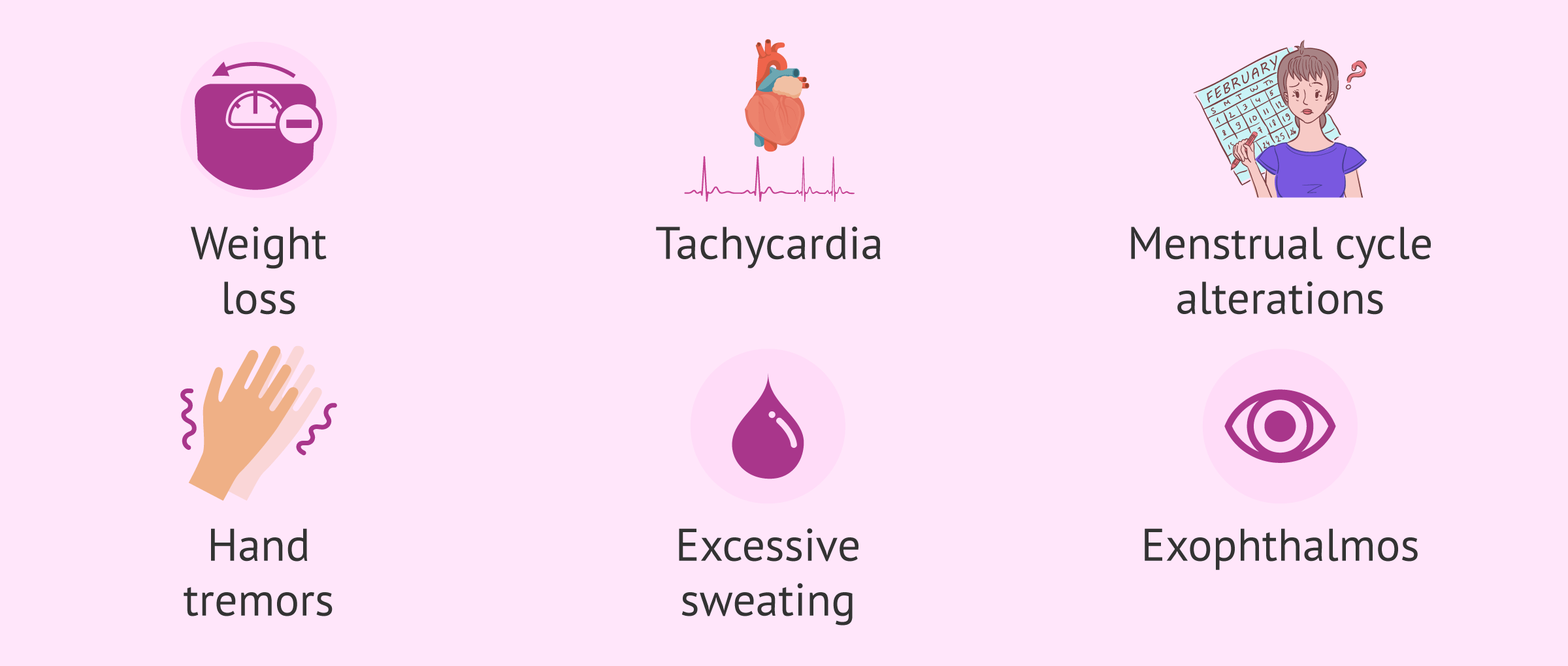
Hyperthyroidism and its effects on male and female fertility
Hyperthyroidism is defined as an excessive production of thyroid hormones by the thyroid gland. The most common cause of hyperthyroidism is Graves' disease, but there are other reasons as well. In any case, a link has been seen between hyperthyroidism and fertility problems.
Read more

