
Featured Publications
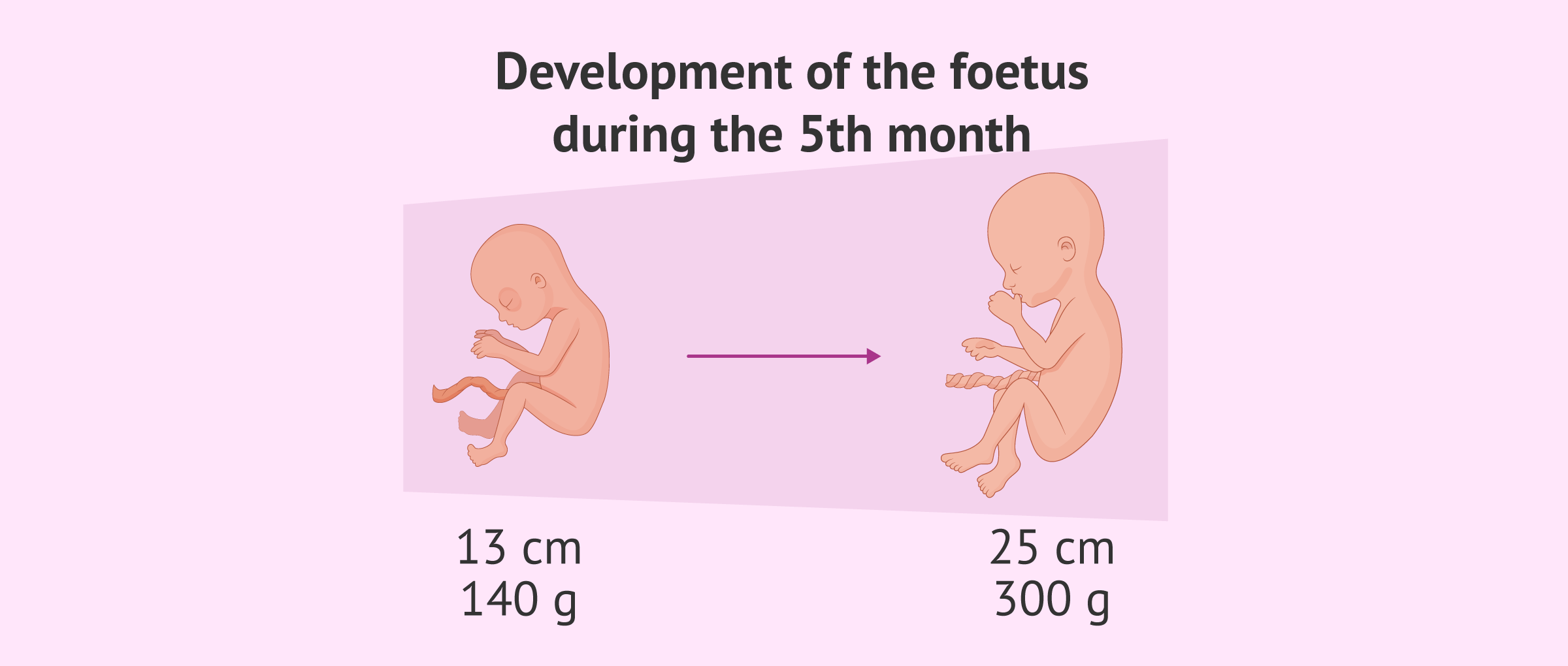
Five Months Pregnant: Symptoms and Changes in the Baby
Month 5 of pregnancy marks the beginning of the second trimester of pregnancy. It encompasses from week 17 to 20. Great changes occur in the unborn fetus.
Read more

How does the mother's advanced age influence pregnancy?
Advanced maternal age decreases fertility and increases problems in pregnancy and childbirth. The older the woman, the greater the risk.
Read more
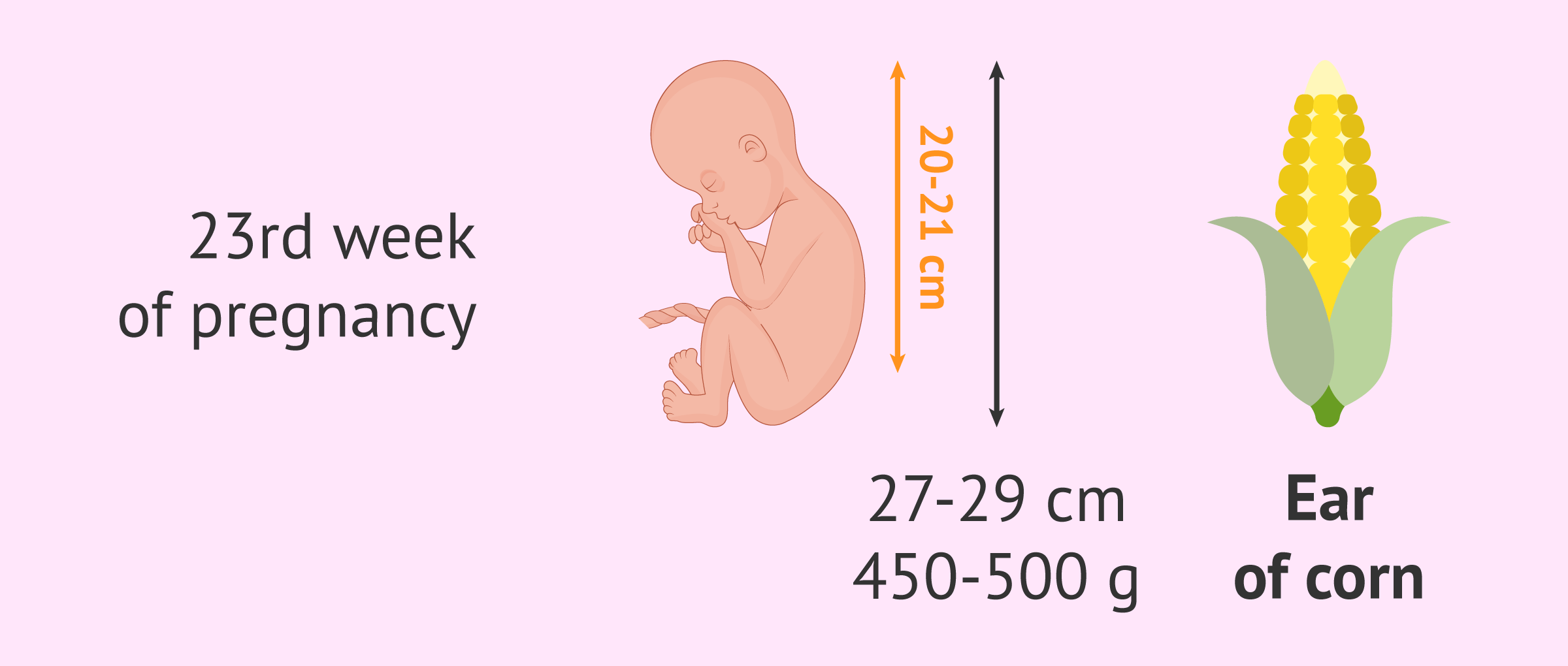
23 Weeks Pregnant: baby's development and recommendations
The 23rd week of pregnancy corresponds to the sixth month of gestation. During this week, the woman feels quite well, the nausea and headaches have disappeared. In addition, the baby continues to grow and is already about 27-29 cm long. Its weight is around 450-500 grams
Read more

What are the main causes of azoospermia?
The most common causes of azoospermia include hormonal imbalances, genetic abnormalities, testicular problems, and ejaculatory duct obstruction.
Read more
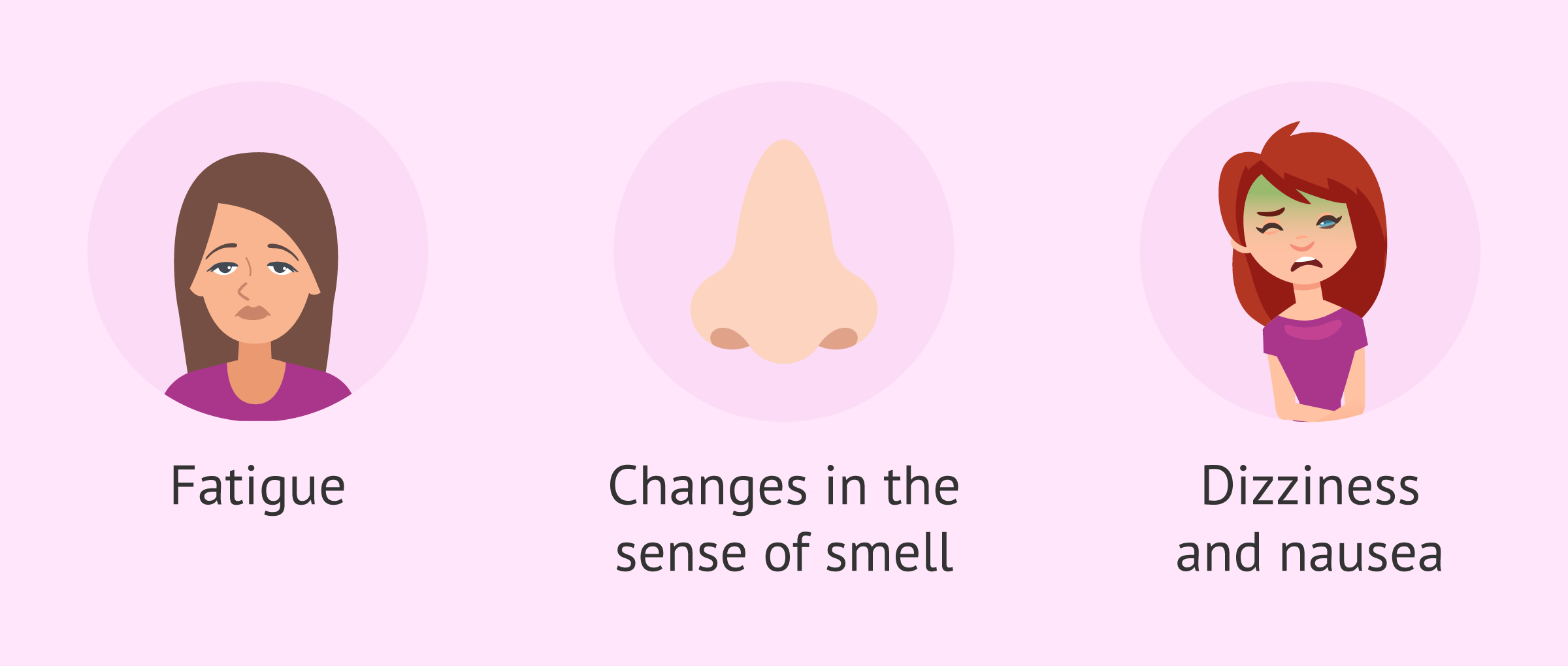
Am I pregnant? - early signs and symptoms before a missed period
Symptoms in early pregnancy do not usually occur in all women, but some women may notice breast changes, fatigue or spotting before the menstrual delay.
Read more
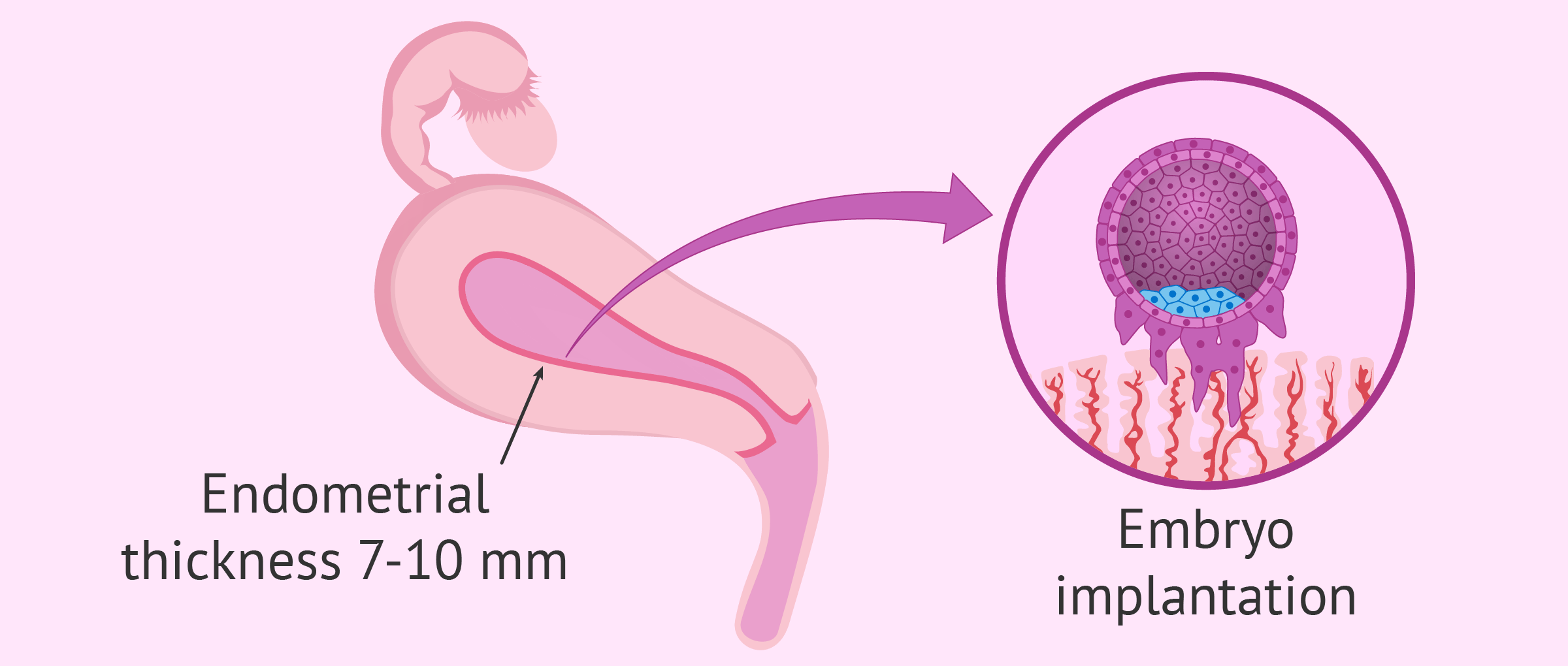
6 Effective Ways to Increase Endometrial Thickness Naturally
Is it possible to increase endometrial thickness naturally for embryo implantation? The answer is yes! The secret to endometrial quality is to follow a healthy lifestyle. Continue reading to find out six effective ways to improve uterine lining thickness.
Read more

Leukocytospermia or Pyospermia - Causes & Treatment
Pyocytes or leucocytes are generally scarce in the seminal fluid, but when infections are present, they are detected in high numbers in the spermogram. A high number of leucocytes in the semen causes a reduction in semen quality.
Read more
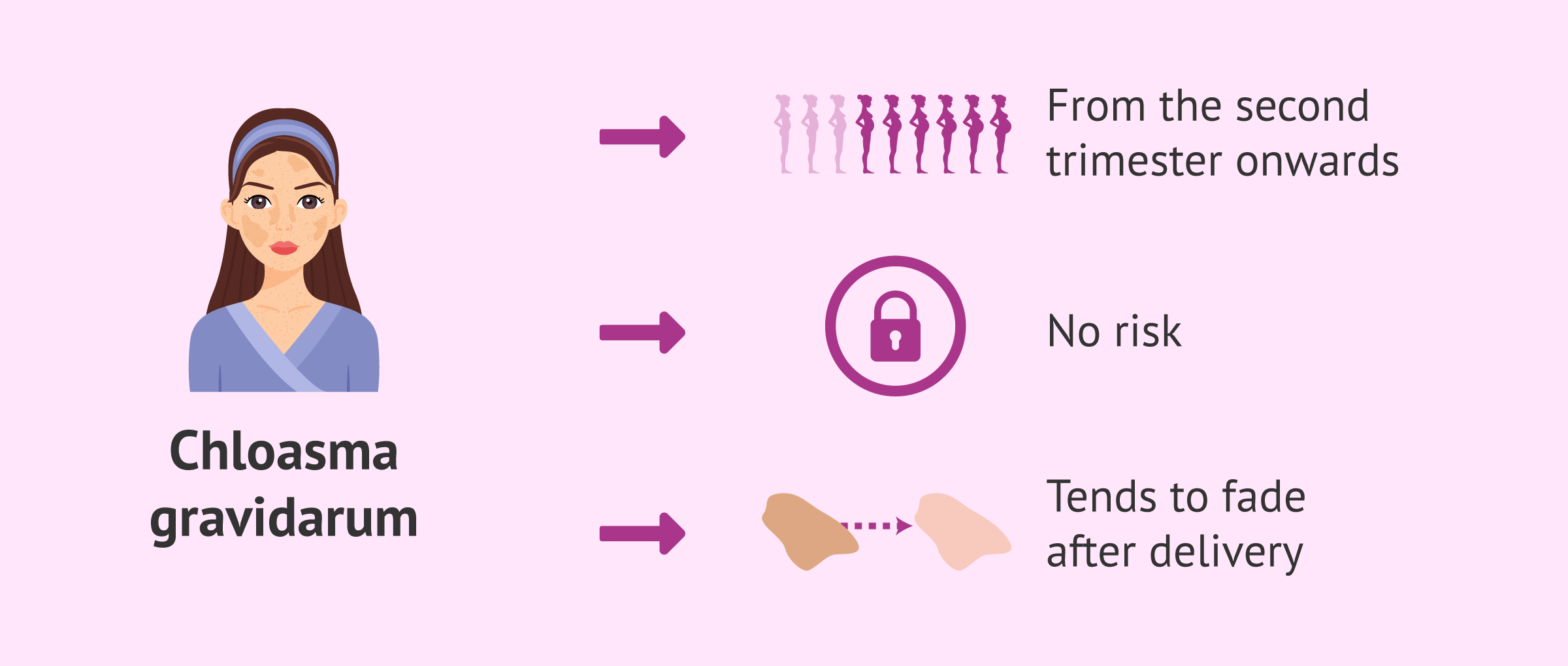
Why do skin blemishes occur during pregnancy?How can they be prevented?
During pregnancy, dark brown spots may appear on the forehead, cheeks or upper lip. These skin patches are known as melasma, chloasma gravidarum or, more popularly, as the cloth or mask of pregnancy. Melasma does not cause any further symptoms and usually fades when the pregnancy is over.
Read more
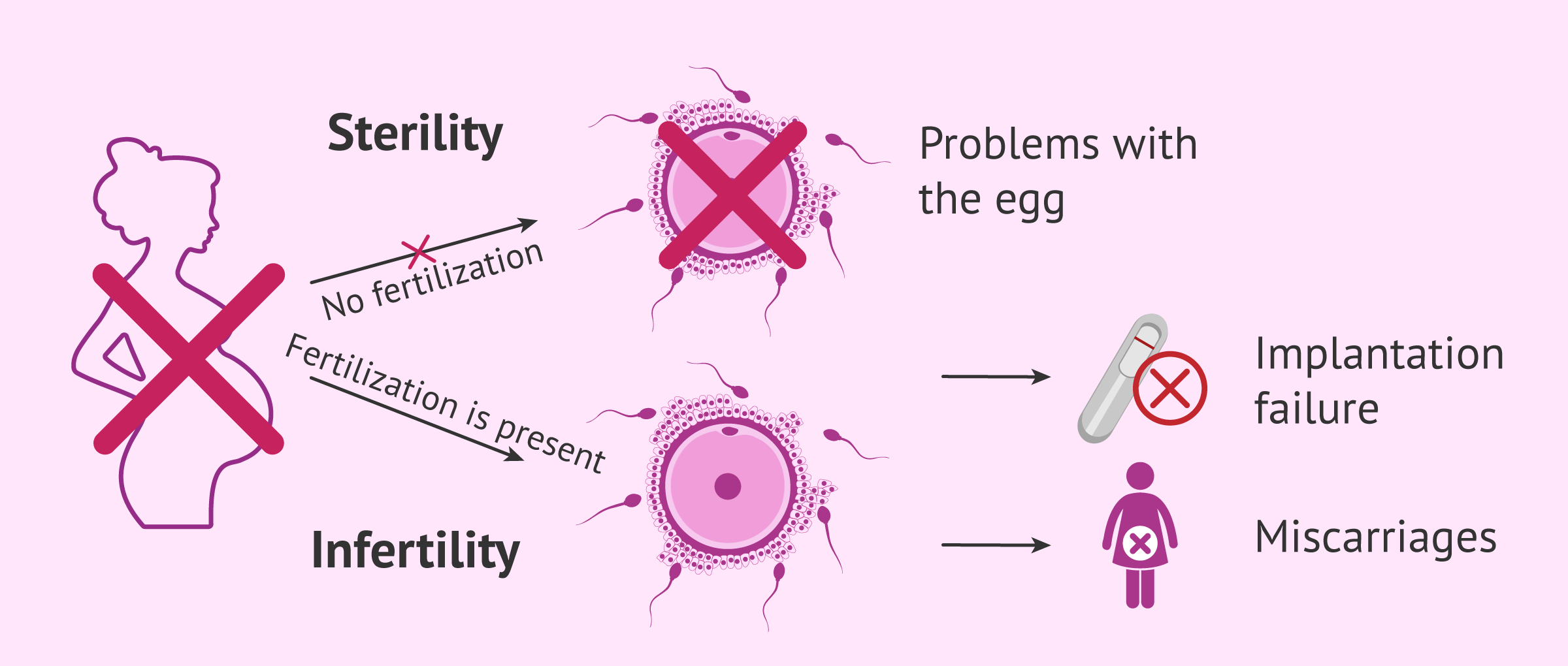
What causes female infertility & sterility? Symptoms and treatments
There are several reasons that can cause sterility and infertility in women. Among them, ovulation problems and uterine alterations. In addition, there is female infertility due to cervical factor, immunological factor, unknown origin, etc.
Read more
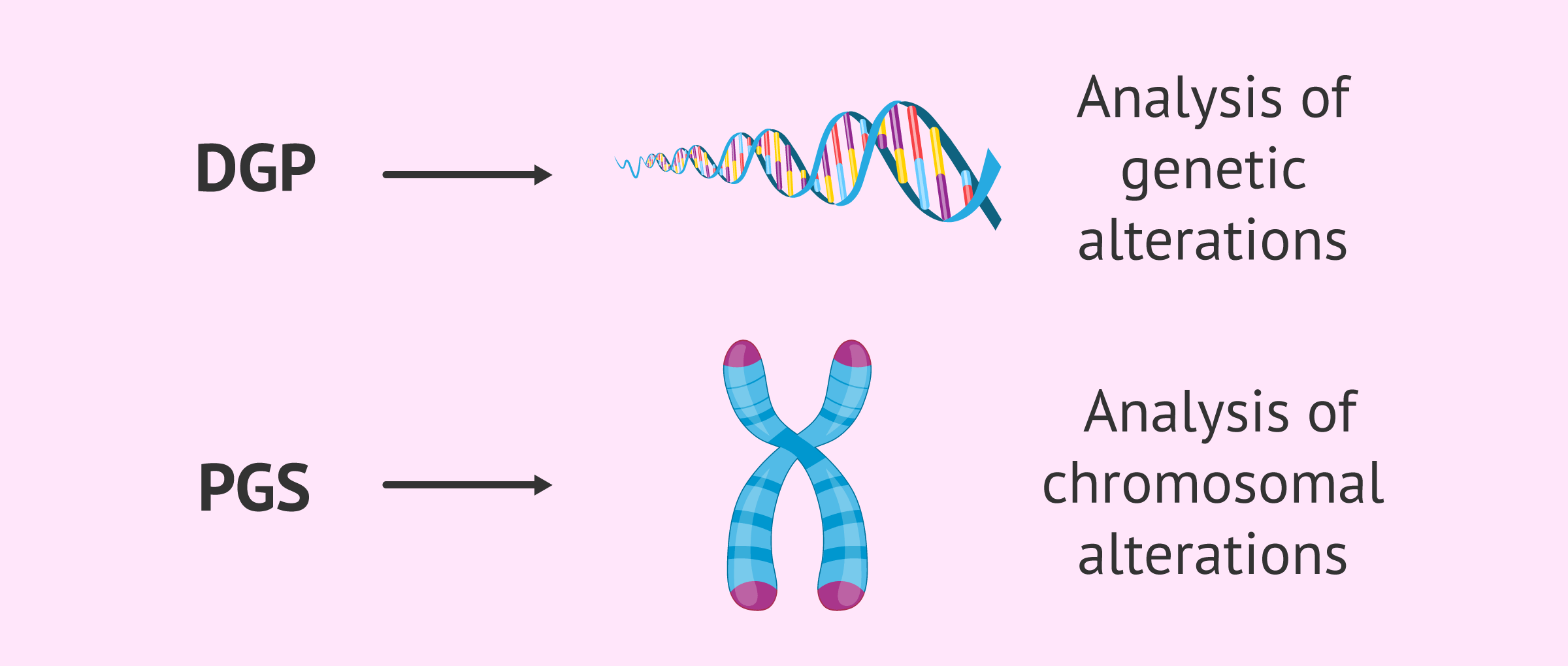
What is preimplantation genetic diagnosis or PGD?
Preimplantation genetic diagnosis is a complementary technique to IVF that allows the detection of genetic abnormalities in embryos, which increases the probability of achieving pregnancy and the birth of a healthy child.
Read more
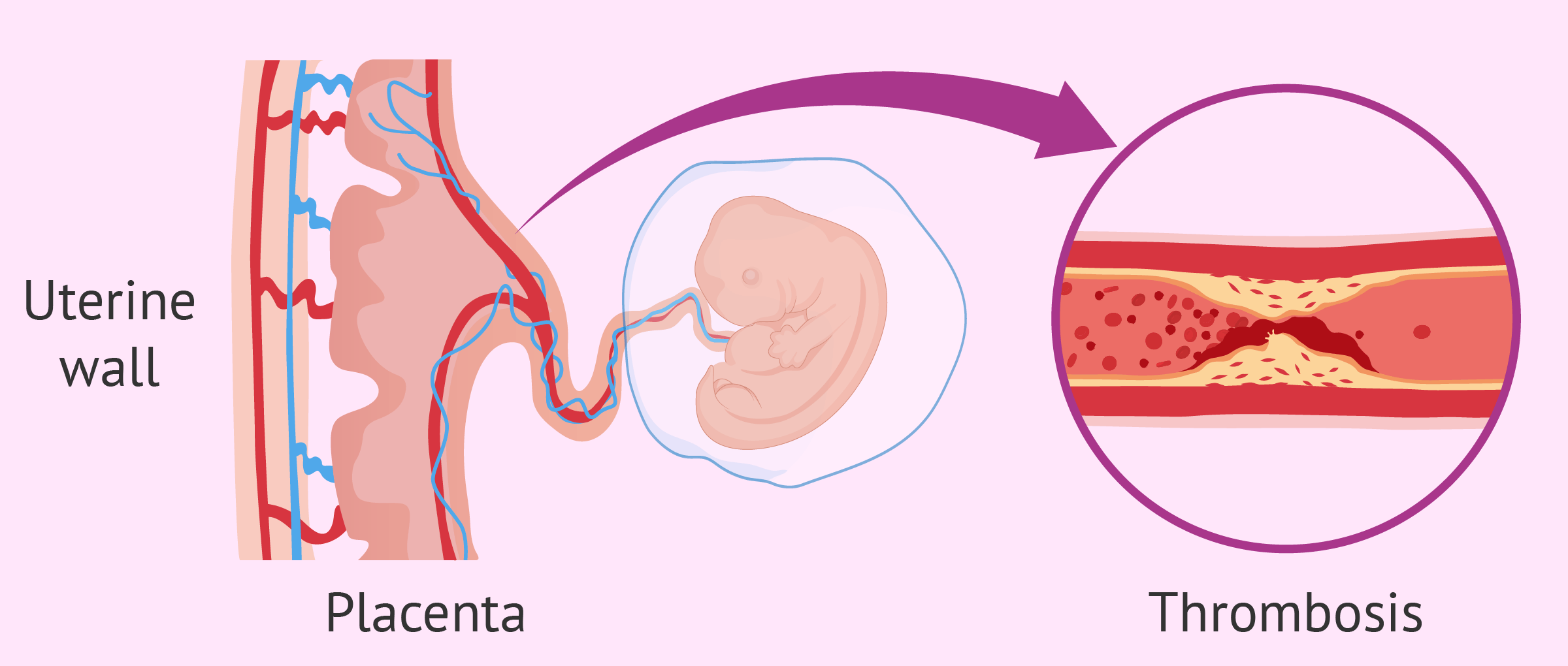
Immunologic infertility: types, causes and treatments
People affected by immunological infertility experience trouble getting pregnant, as their body identifies part of the reproductive function as an "invader" and sends an autoimmune response.
Read more
What are recurrent miscarriages? - Causes, diagnosis and treatment
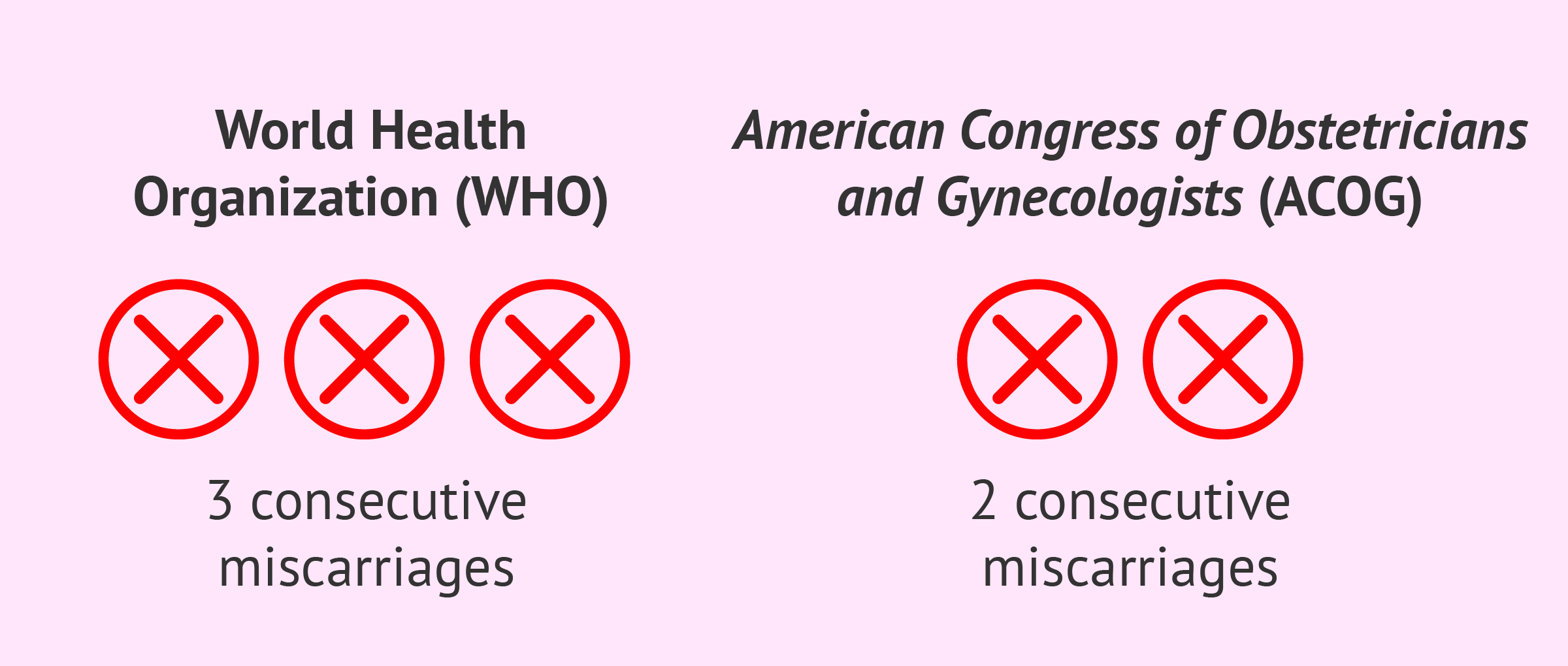
Repeated miscarriage is the loss of three or more consecutive pregnancies before the 20th week of gestation and its causes are diverse.
Read more

