
Featured Publications
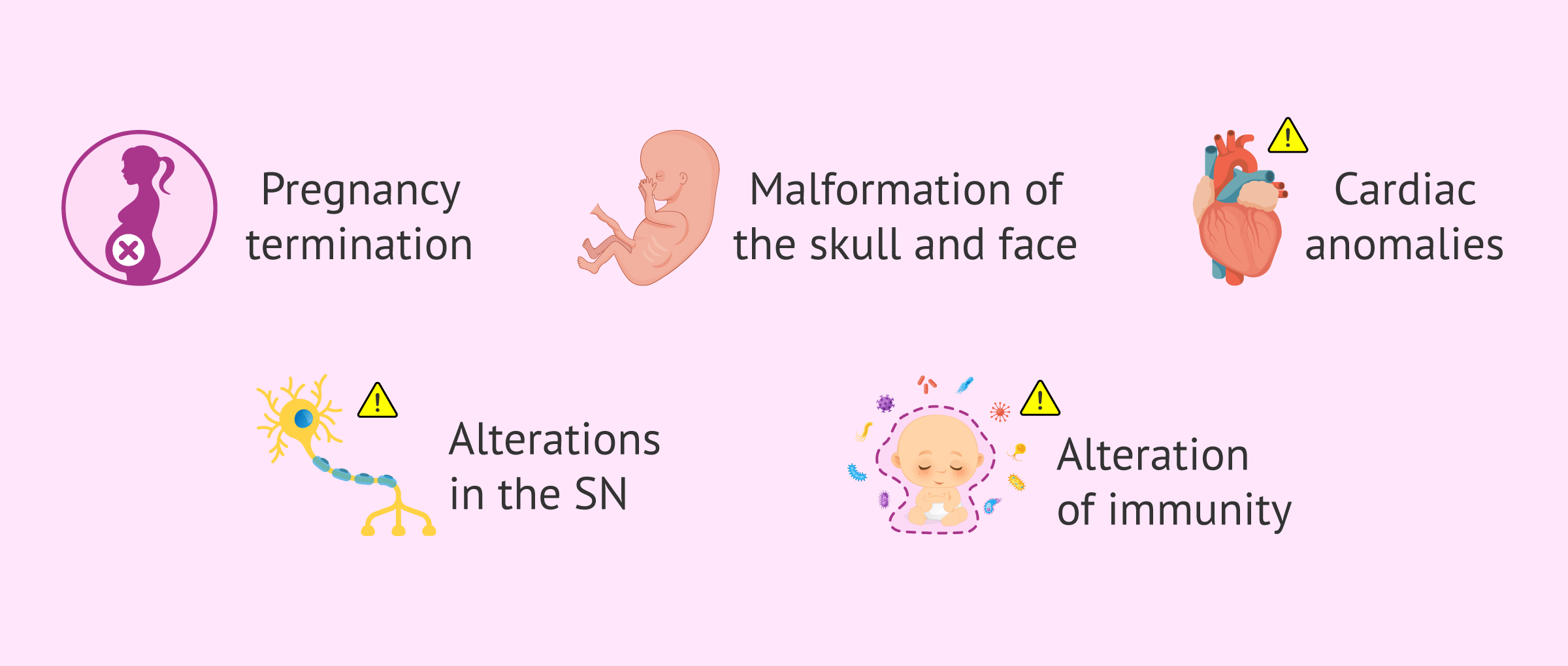
What levels of vitamin A are recommended during pregnancy?
Vitamin A is found in fish, carrots and yellow, orange or reddish foods. It is good for the development of the baby's eyes and skin, but in excess its effect can be negative for pregnancy since it could cause fetal malformations.
Read more
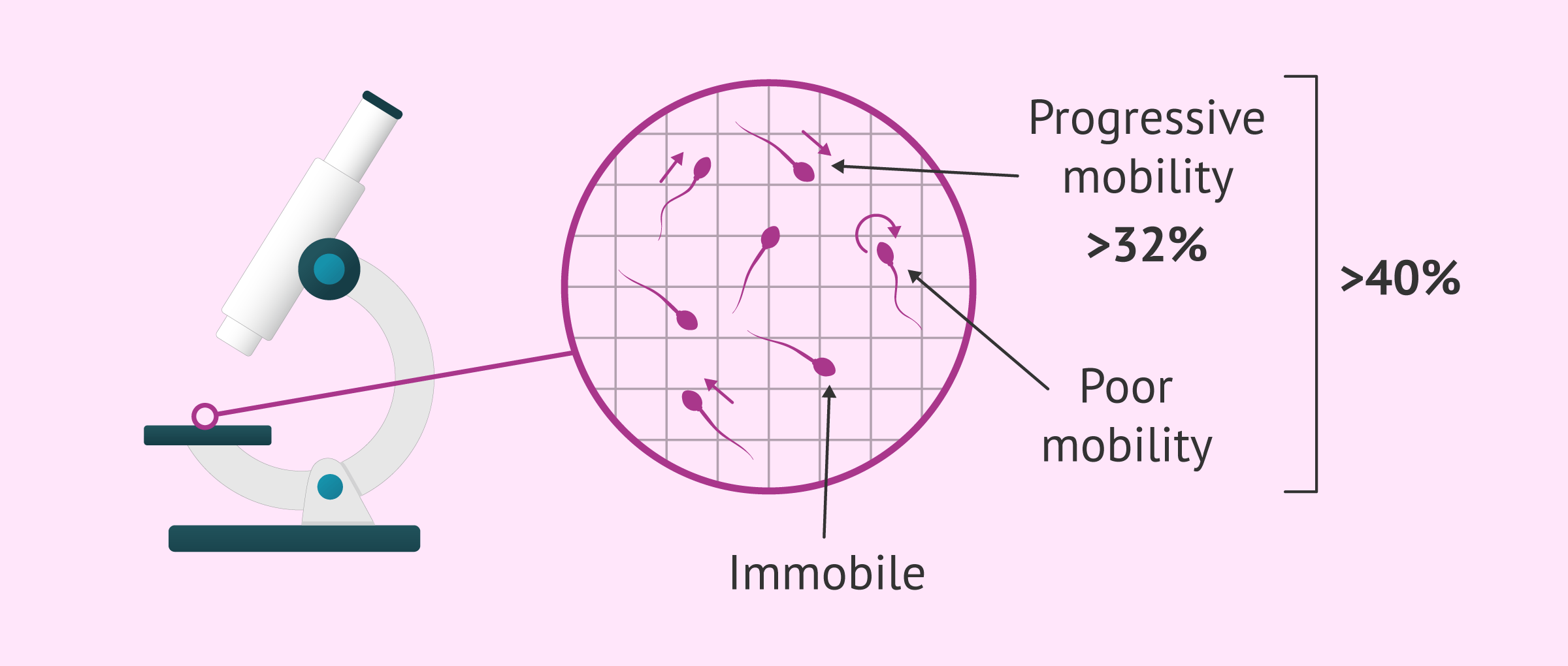
What values are normal in sperm motility analysis?
One of the most important values in the study of male fertility is sperm motility. It is analysed by means of the semen analysis.
Read more
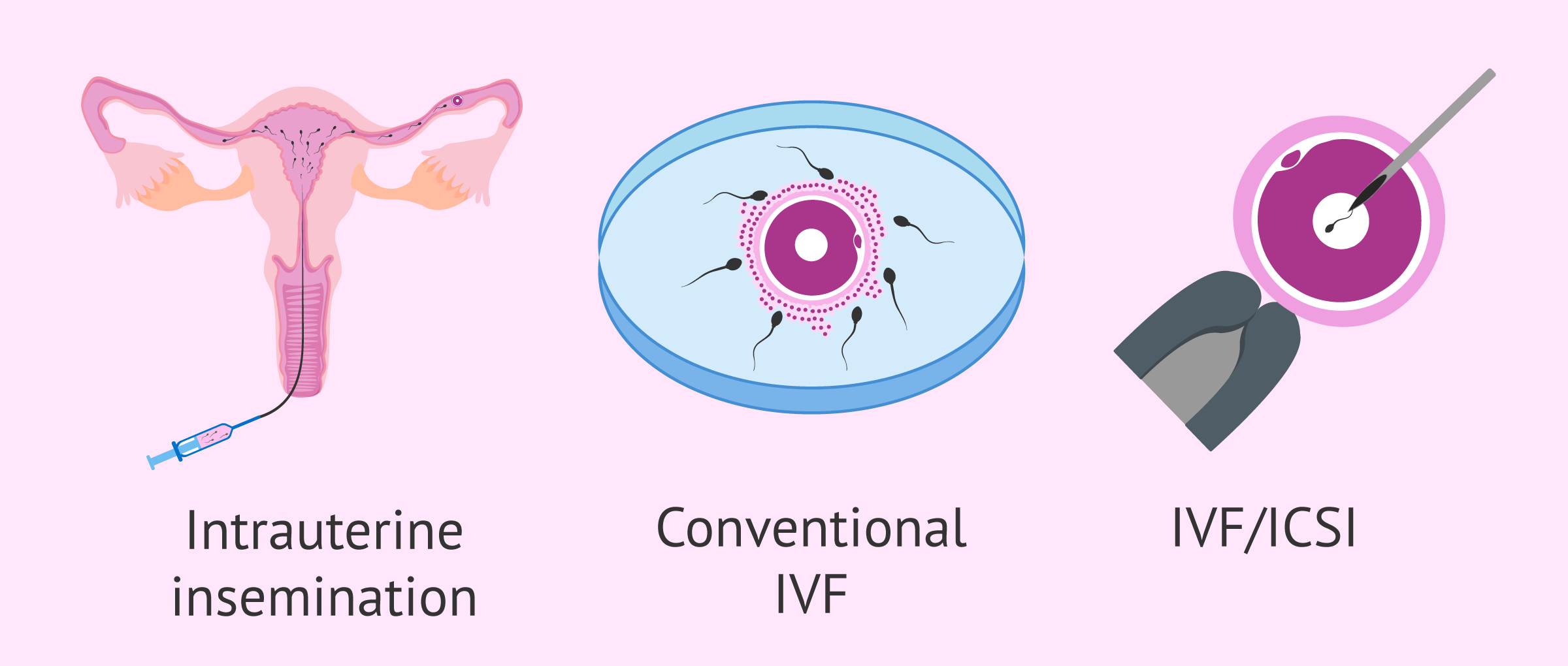
Assisted reproduction techniques: differences and complexities
Assisted reproduction techniques are classified into low or high complexity treatments, depending on whether it is artificial insemination or IVF/ICSI, for example. The choice of one fertility treatment or another will depend on the characteristics and needs of each patient, as well as the reason for infertility.
Read more
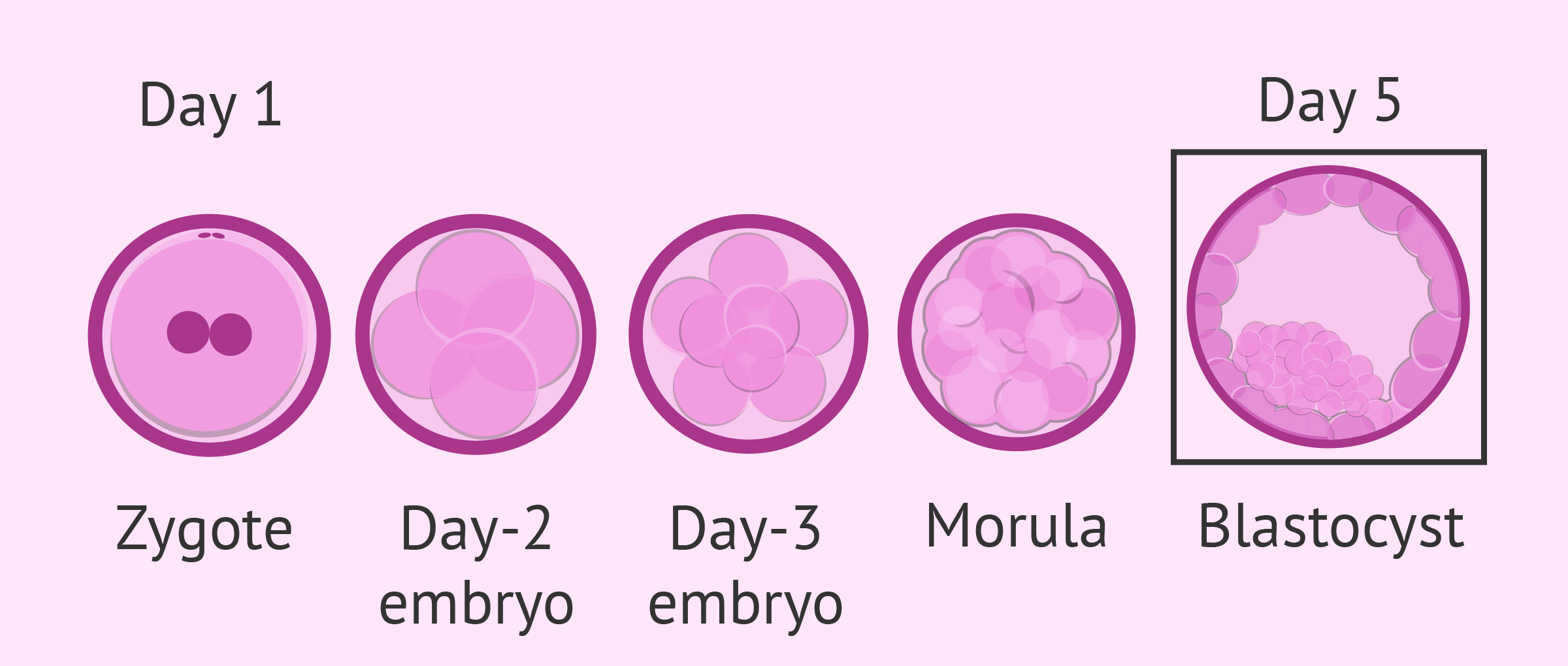
What is long embryo culture and blastocyst grading?
Blastocyst is the stage in which embryo implantation to the uterus occurs naturally. To reach this stage in IVF, the embryo is cultured up to day 5-6 by means of a sequential culture system.
Read more

What Are Müllerian Duct Anomalies? - Classification with Pictures
Uterine malformations in women can be congenital or acquired. Septate and arcuate uterus are the most common types. There are several reasons why women may develop malformations in their uterus, such as genetic problems, exposure to radiation, taking certain drugs, etc.
Read more
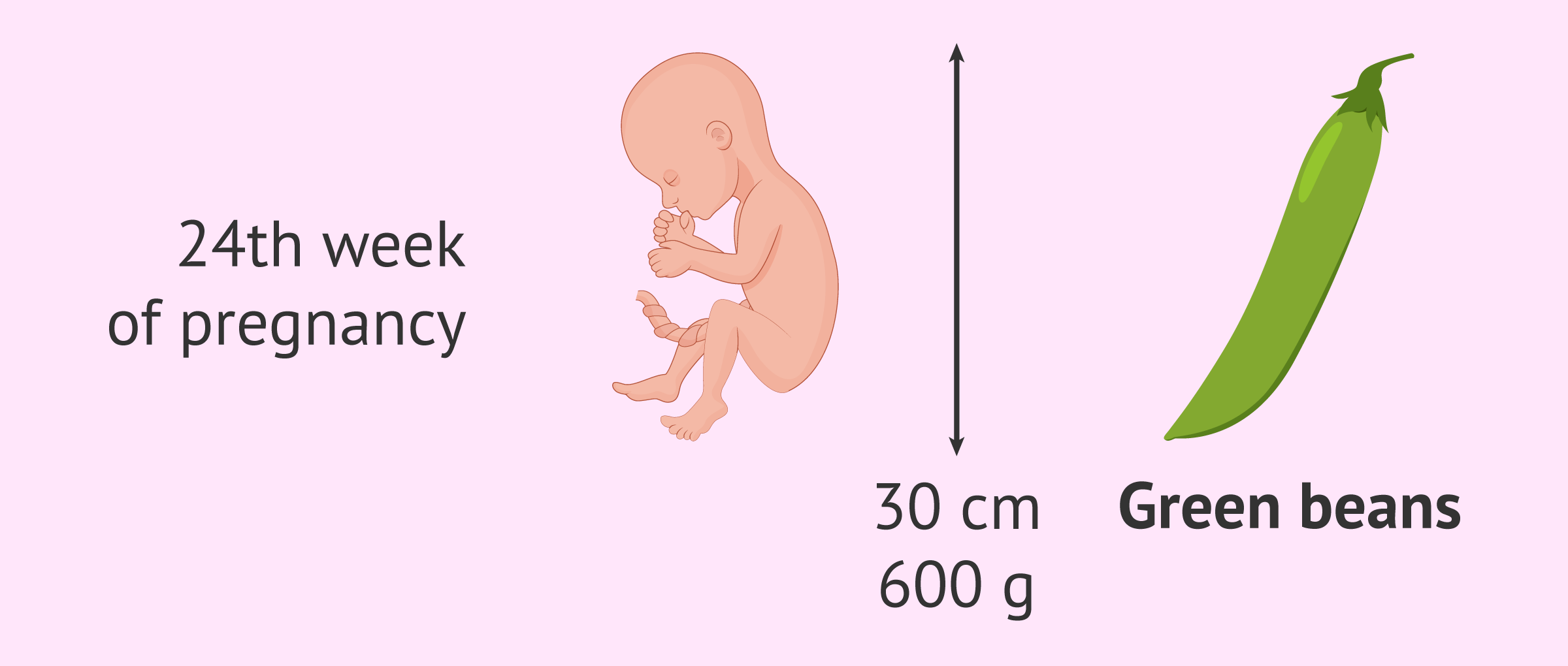
The baby in the 24th week of pregnancy and main symptoms in the mother
The 24th week of gestation corresponds to the last week of the sixth month of pregnancy. It therefore corresponds to the second trimester of pregnancy. Although the baby sleeps most of the day, when he is awake the mother will notice his movements and kicks with great intensity.
Read more
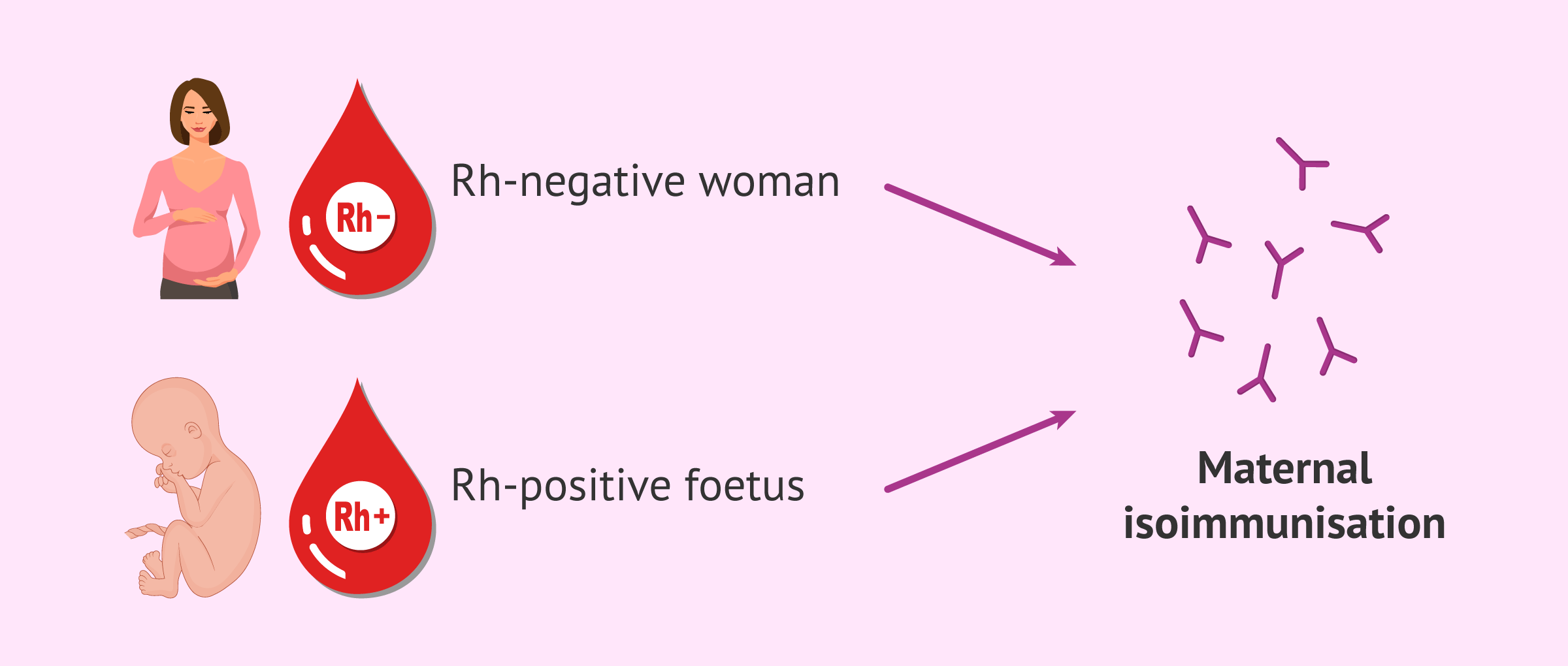
Maternal isoimmunisation due to Rh incompatibility, what are the risks?
If an Rh-negative woman has an Rh-positive partner, there is a possibility that the baby will be Rh-positive. In that case, there is an Rh incompatibility that can lead to maternal isoimmunisation if appropriate preventive measures such as administration of the Rh vaccine are not carried out.
Read more

Why are contraceptives taken before IVF? How many days?
Although it may seem contradictory, the gynaecologist sometimes prescribes contraceptives before starting in vitro fertilisation (IVF). The reason is to have a better control of the ovarian function and the menstrual cycle, to avoid asynchronies in follicular development and to be able to plan better.
Read more
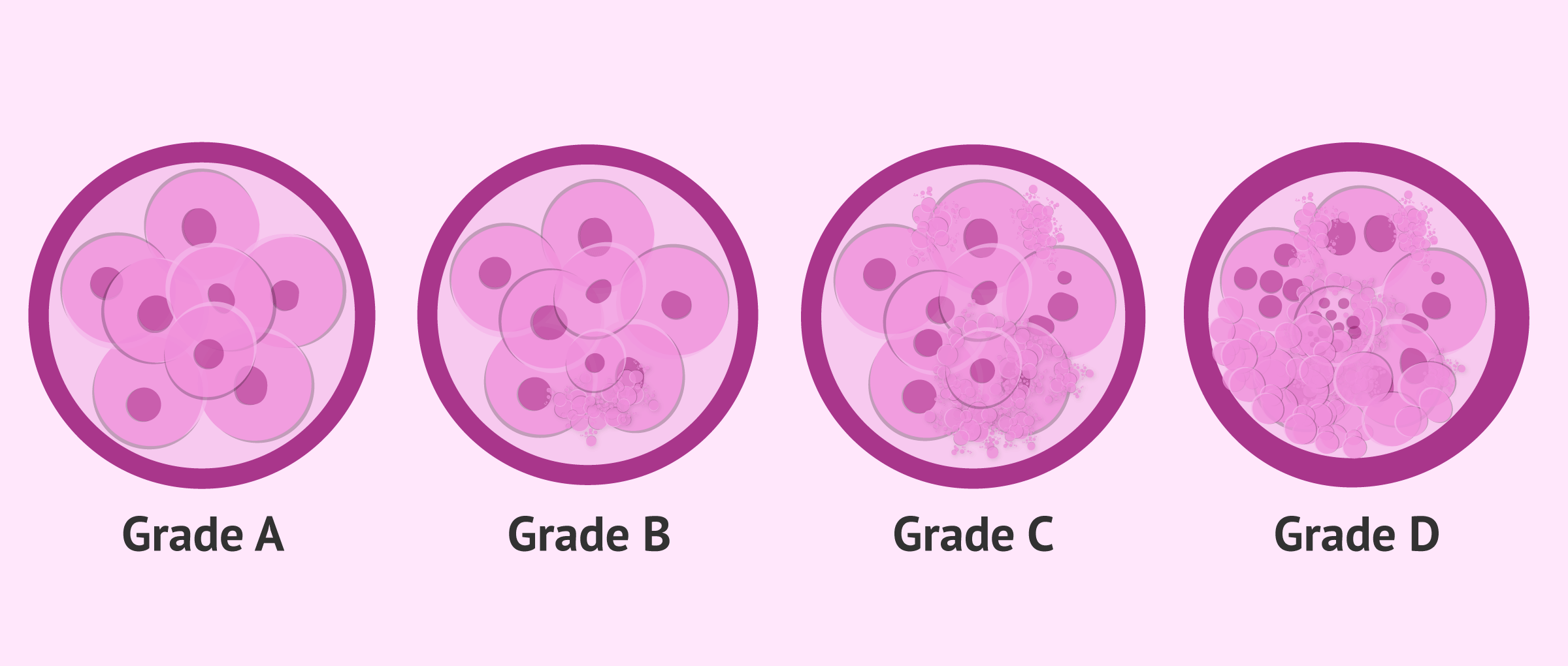
Embryo Quality & Grading - Does It Affect IVF Success?
Assessment of embryo quality is determined by checking their development once a day from the moment of fertilisation to the day in which embryo transfer is performed –on day 3 or day 5, depending on the case.
Read more

How is anaesthesia used in ovarian puncture for assisted reproduction?
The ovarian puncture required for some assisted reproduction treatments (and in egg donors) is a procedure that can be uncomfortable and even painful. For this reason, ovarian puncture is usually performed under sedation to improve the comfort and safety of the woman.
Read more
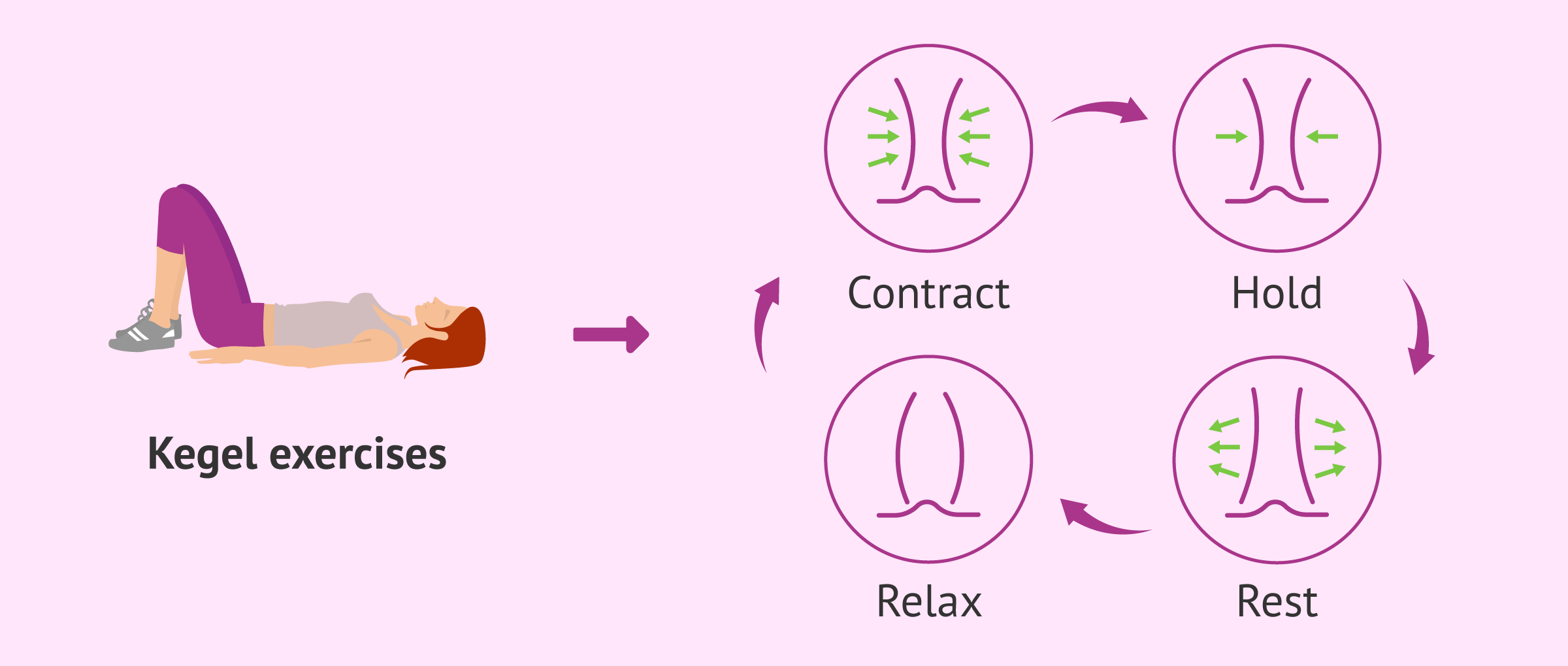
Kegel exercises: how are they done and what are their benefits?
Kegel exercises are based on voluntary contractions of the pelvic floor muscles, followed by relaxation. However, it is important to recognise which muscles need to be contracted in order to perform Kegel exercises properly and reap the full benefits.
Read more

How Long Should I Wait Before Having Another Baby?
Making up your mind about how long should you wait before having another baby is a very personal issue. However, you should be aware that the age gap between siblings can be both advantageous and disadvantageous at the same time.
Read more

