
Featured Publications
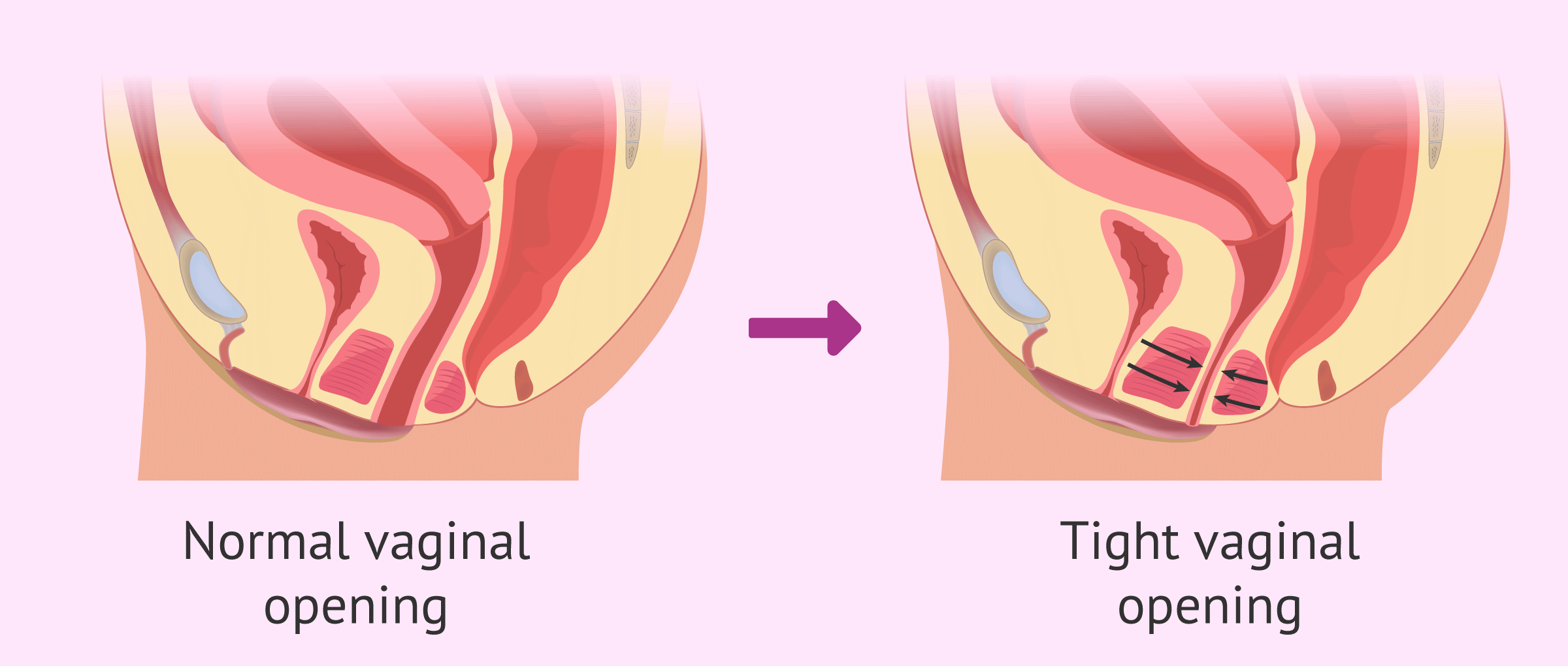
What is Vaginismus? - Causes, Symptoms & Treatment
Vaginismus is a sexual dysfunction that entails the impossibility of penetration, since it is associated with pain. Its causes and treatment vary.
Read more
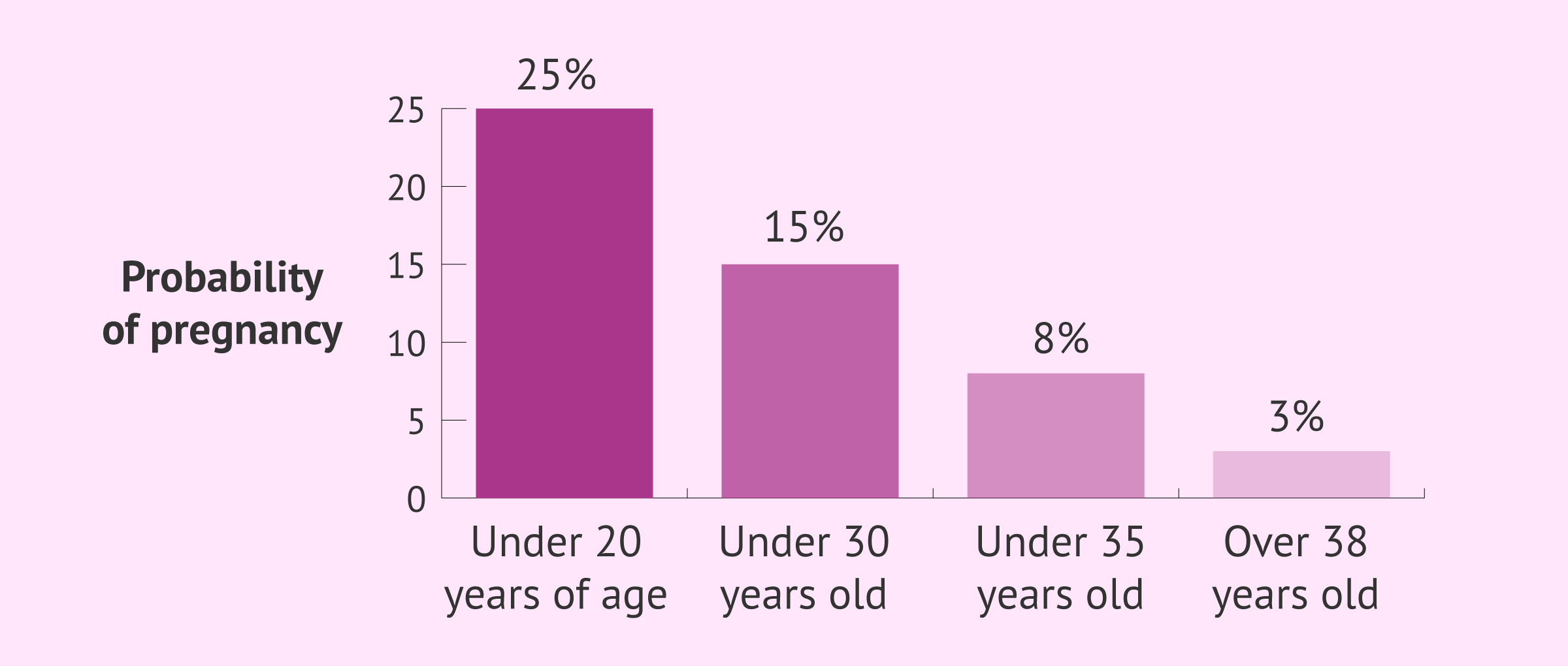
What is the best biological age to become a mother?
Is there an ideal age to become a mother? Many women wonder what is the perfect age to become pregnant and raise their first child. What you should know is that as a woman's age advances, her ovarian reserve decreases and with it her fertility.
Read more
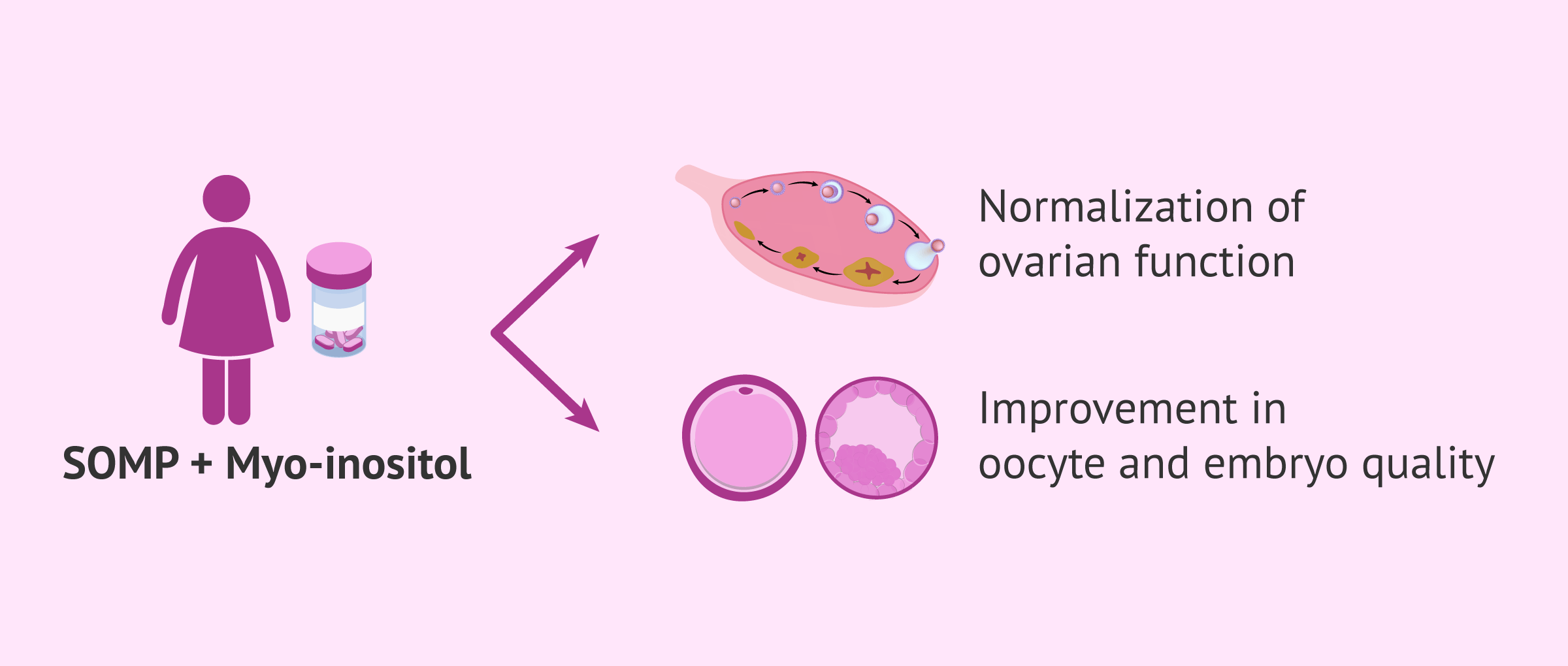
IVF Supplements: The danger of taking them without control
A recent review evaluates the efficacy of supplements during IVF treatments. While Omega-3, Coenzyme Q10, and myo-inositol show benefits to boost fertility, other supplements could compromise endometrial development if taken without clinical supervision.
Read more
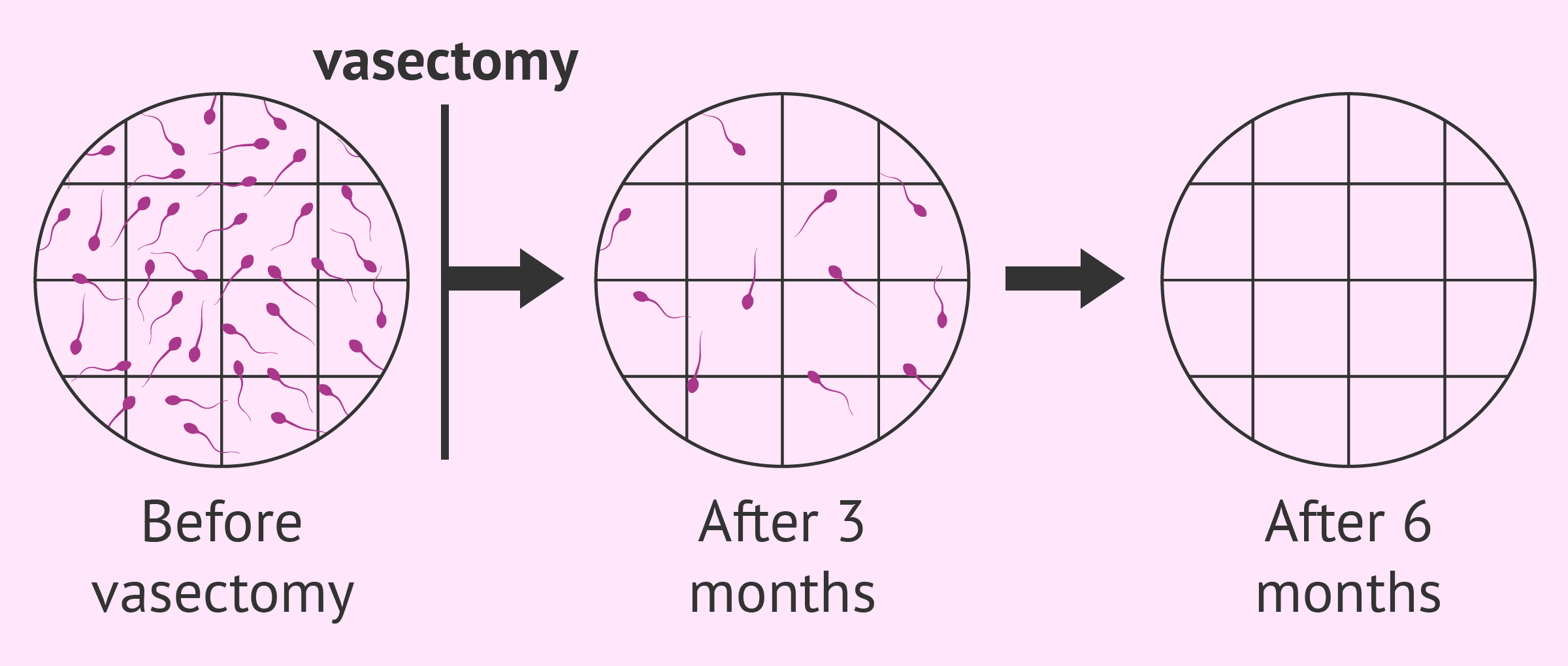
Post Vasectomy Semen Analysis - How Many Tests to Confirm Sterility?
After a vasectomy, various semen analyses are needed as a control to ensure the prodecure has worked and there are no sperm present in the semen. If after some time there are still sperm in the ejaculate, then it would mean that the vasectomy has not been successful.
Read more
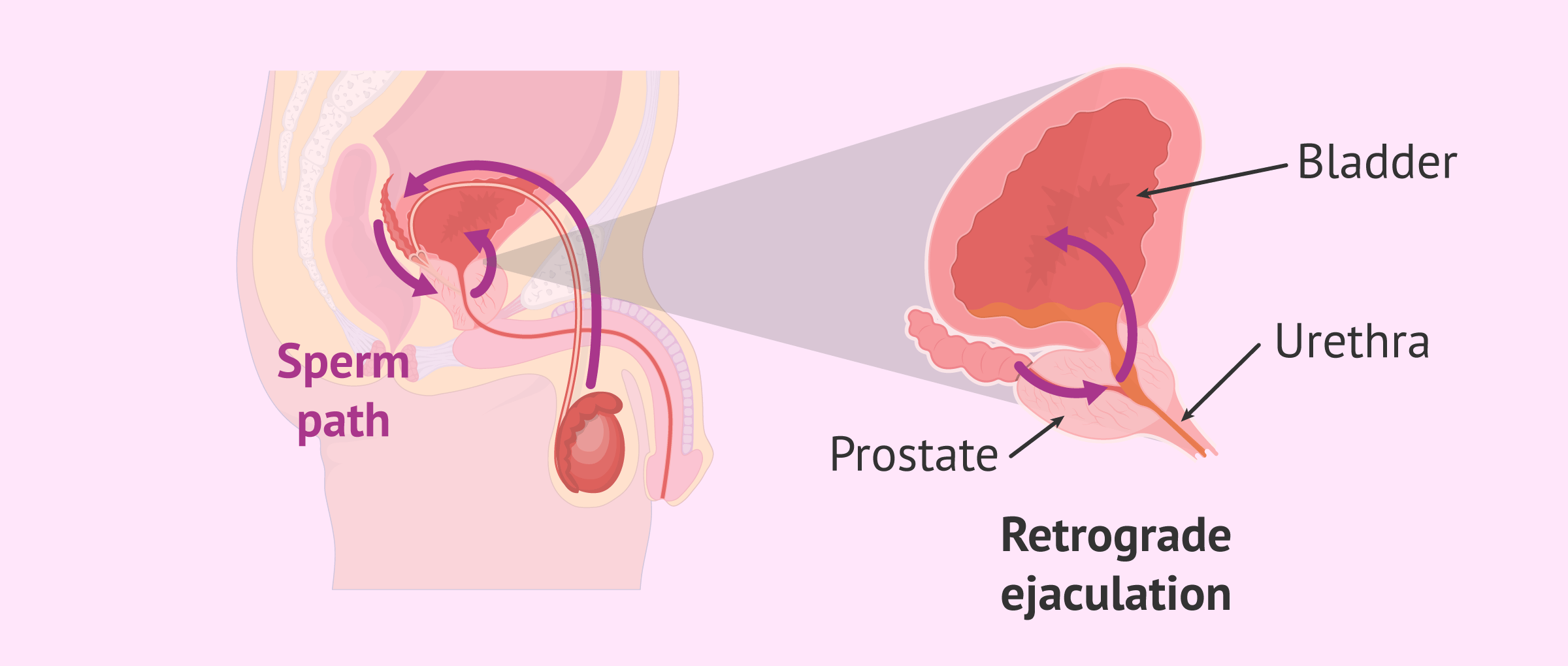
What Is Retrograde Ejaculation? - Causes & Treatment
Retrograde ejaculation is an uncommon anomaly. Men who suffer retrograde ejaculation do not expel semen out through the urethra, but they ejaculate inside the bladder.
Read more
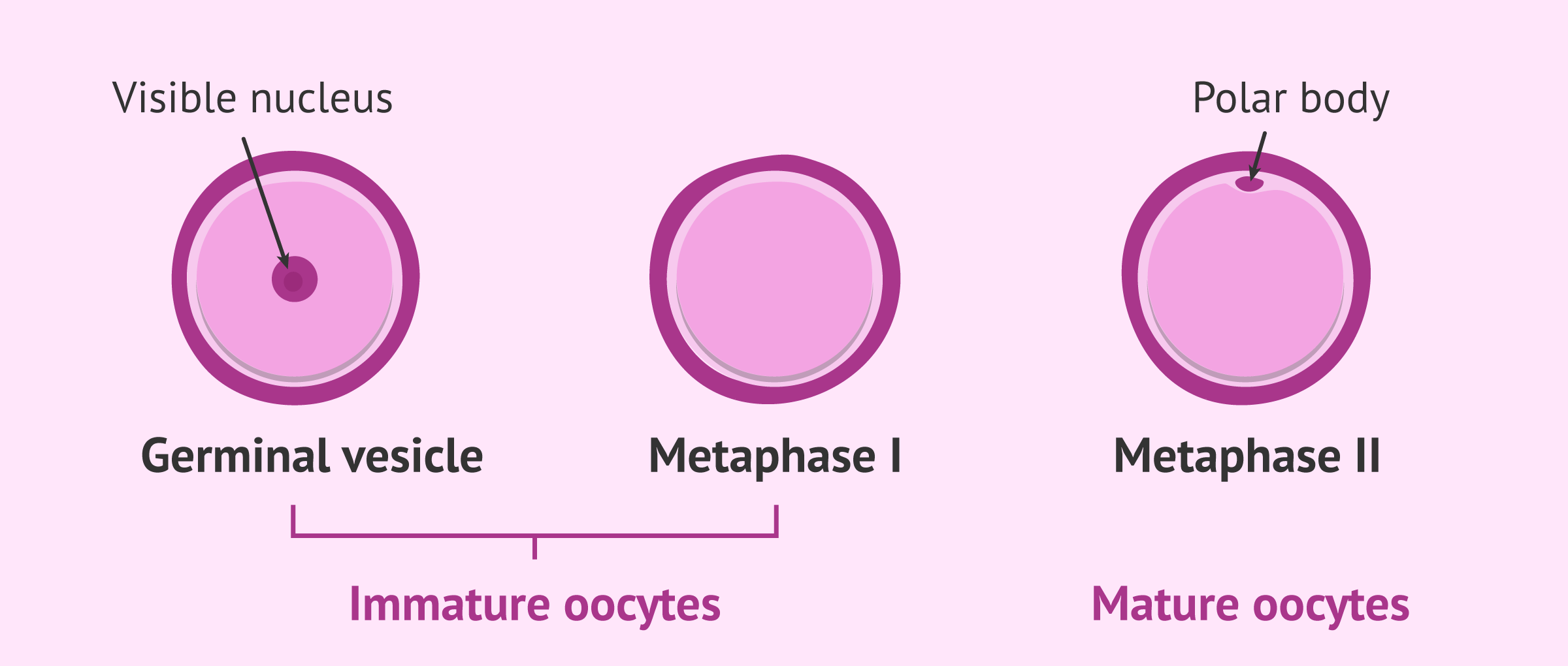
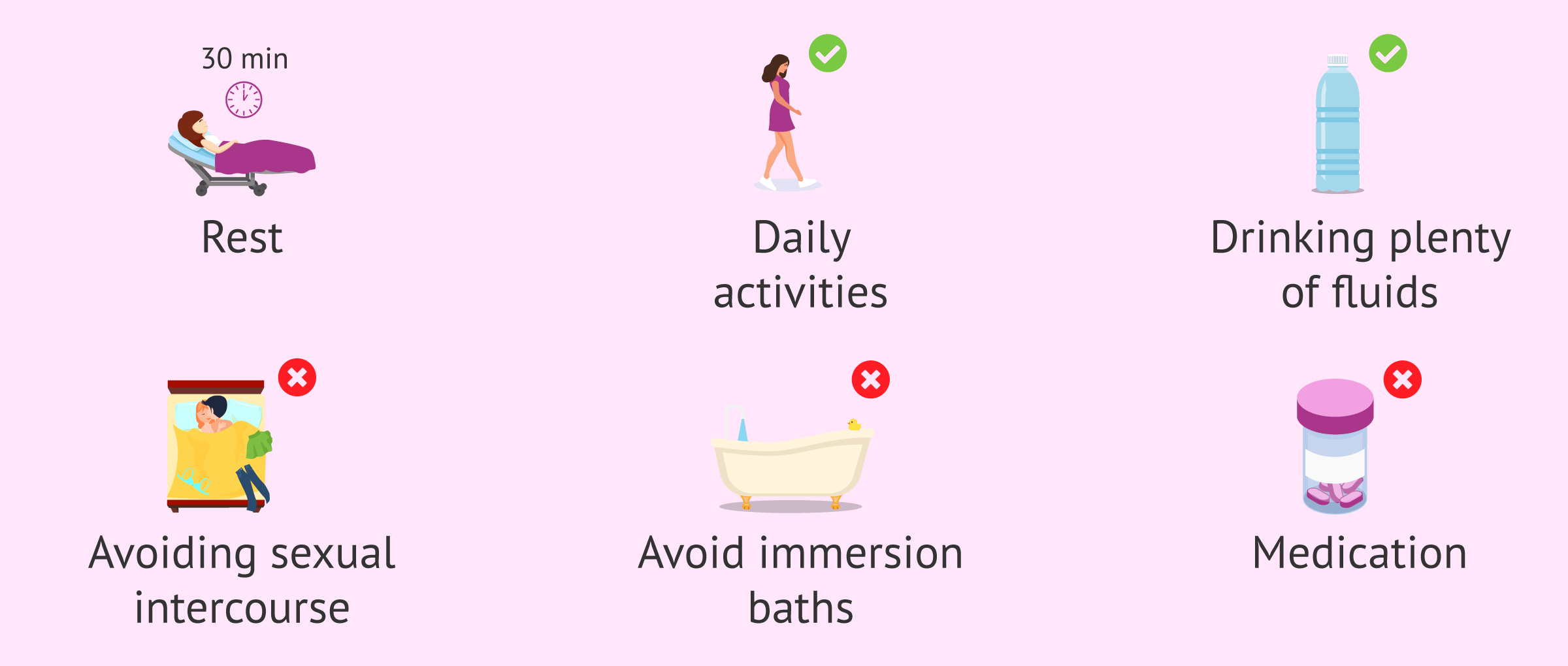
What to do after embryo transfer? - Recommendations
When the embryo transfer to the mother's uterus takes place, a period of time known as beta waiting begins. There are many doubts, fears, questions about what to do and what not to do. However, life after embryo transfer is completely normal, there is no need to obsess.
Read more
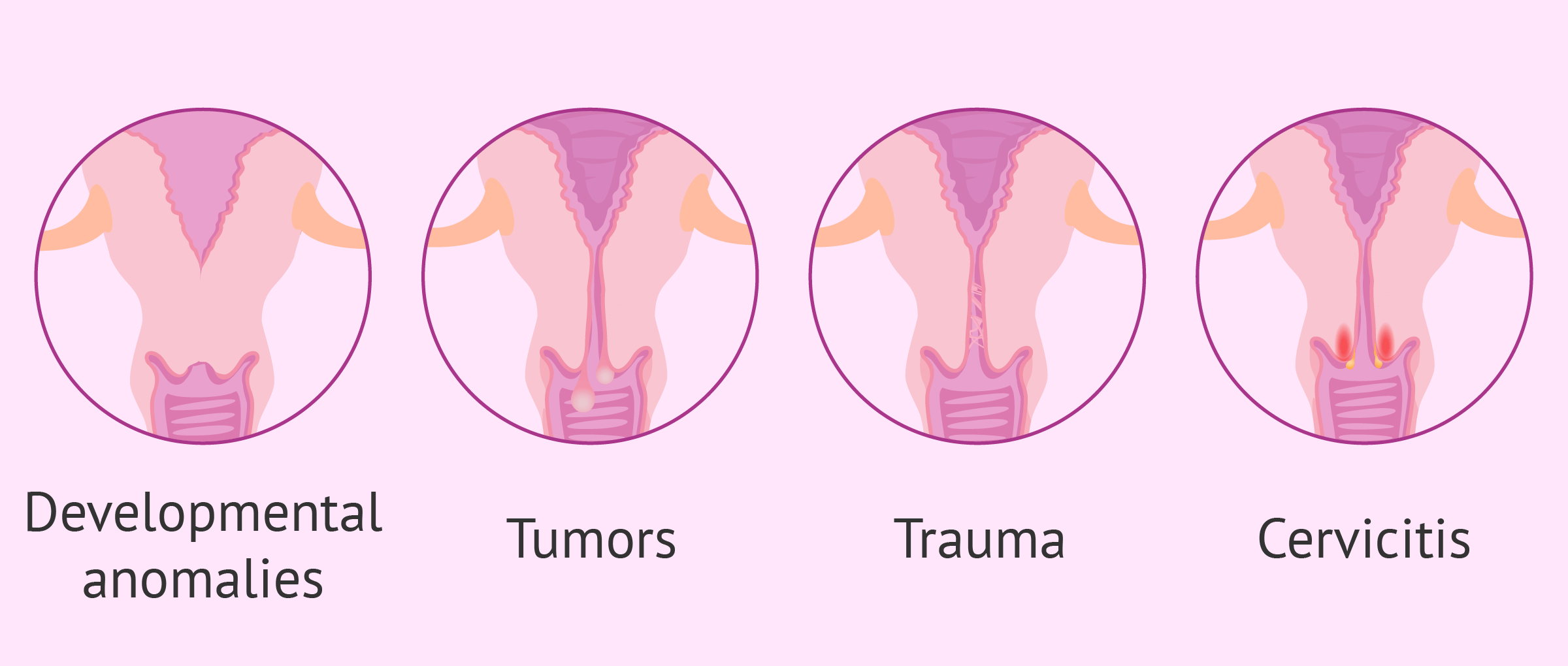
Cervical factor: female sterility due to cervical abnormalities
Sterility due to a cervical factor consists of functional or anatomical alterations of the cervix that hinder the passage of spermatozoa.
Read more
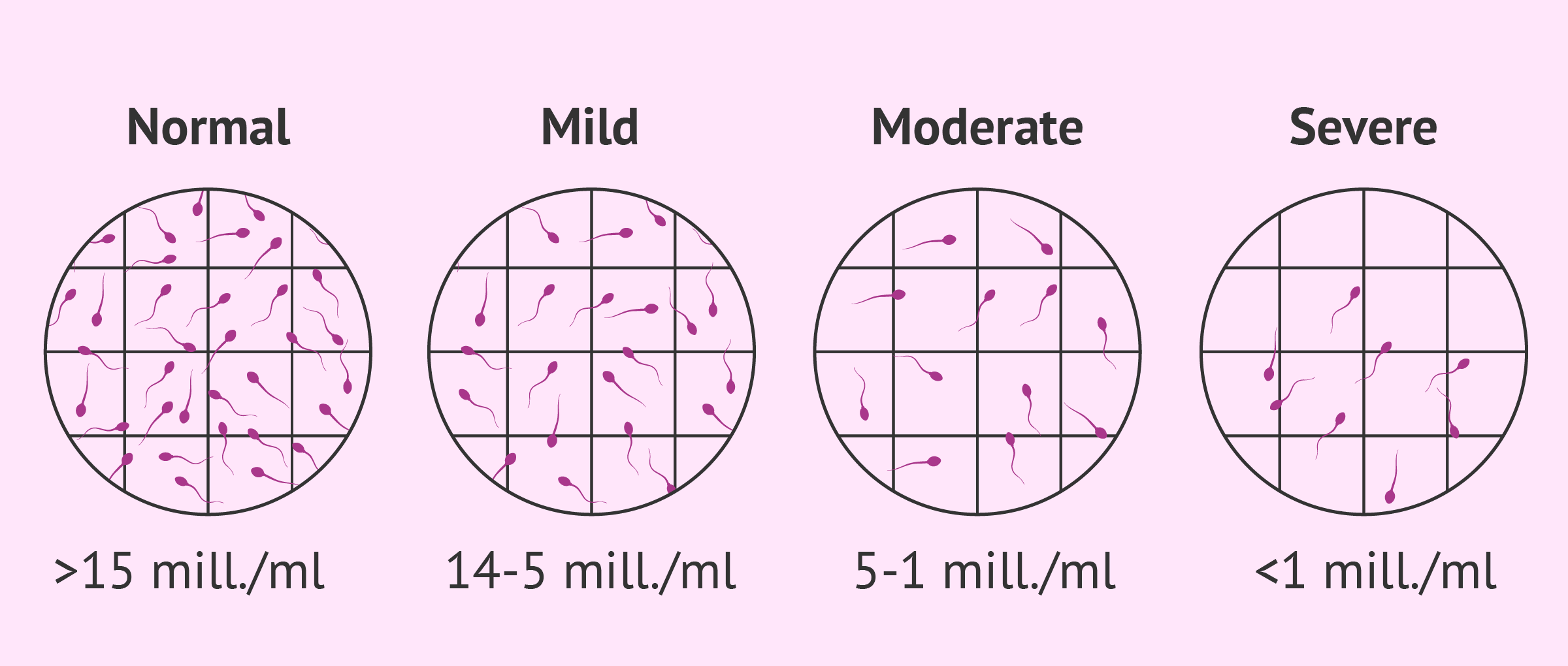
What Is Oligospermia? Causes and treatment of a low sperm count
Oligospermia is a possible cause of male infertility that can be mild, moderate or severe depending on the concentration of sperm in the ejaculate. This seminal alteration can have various causes and hinders natural pregnancy, so it may be necessary to opt for assisted reproduction.
Read more

What is Adenomyosis? Risks, Symptoms and Treatment
Uterine adenomyosis occurs when endometrial tissue invades the myometrium. Treatment will depend on your symptoms and your desire to become pregnant.
Read more
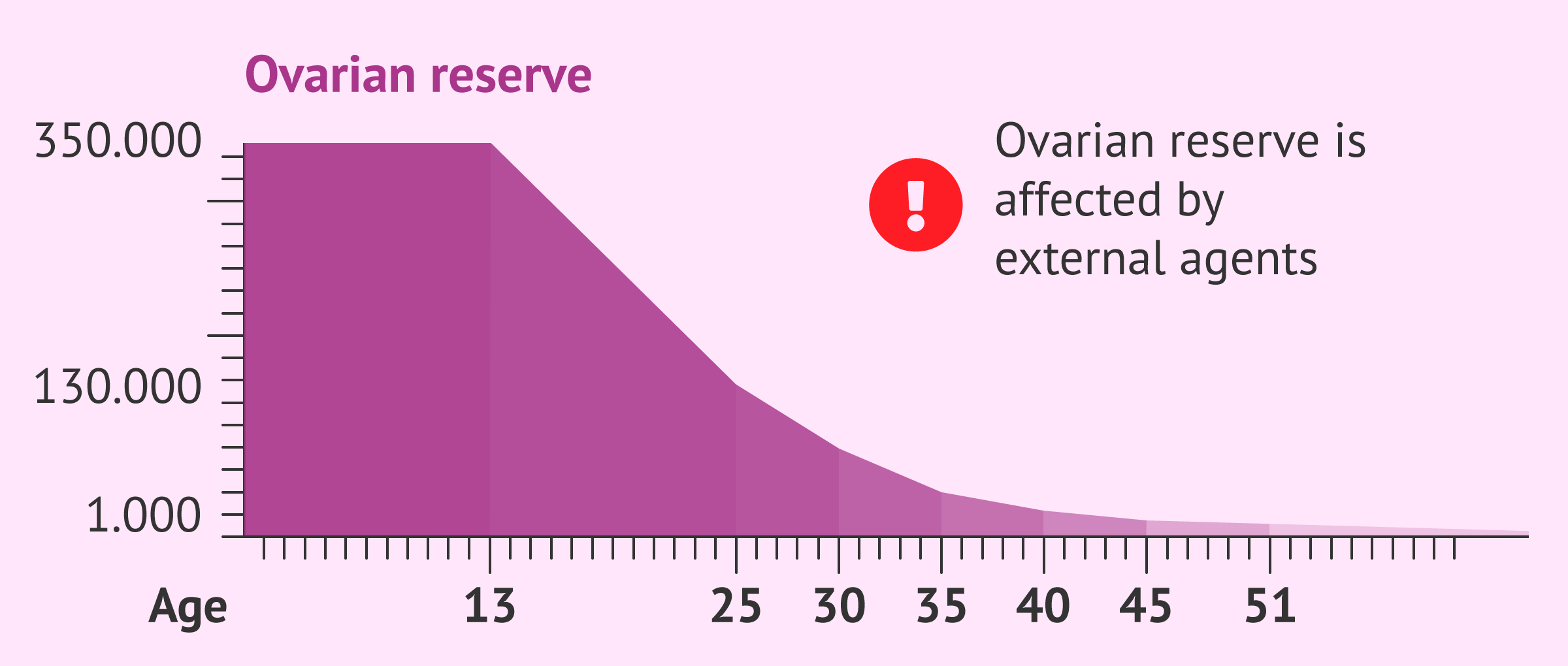
Low ovarian reserve? Causes and possibilities of getting pregnant
Low ovarian reserve refers to the low number of oocytes available in a woman's ovaries at a given time in her life. It is one of the main causes of female infertility and is strongly related to age, since after 35 years of age, the ovarian reserve drops drastically.
Read more
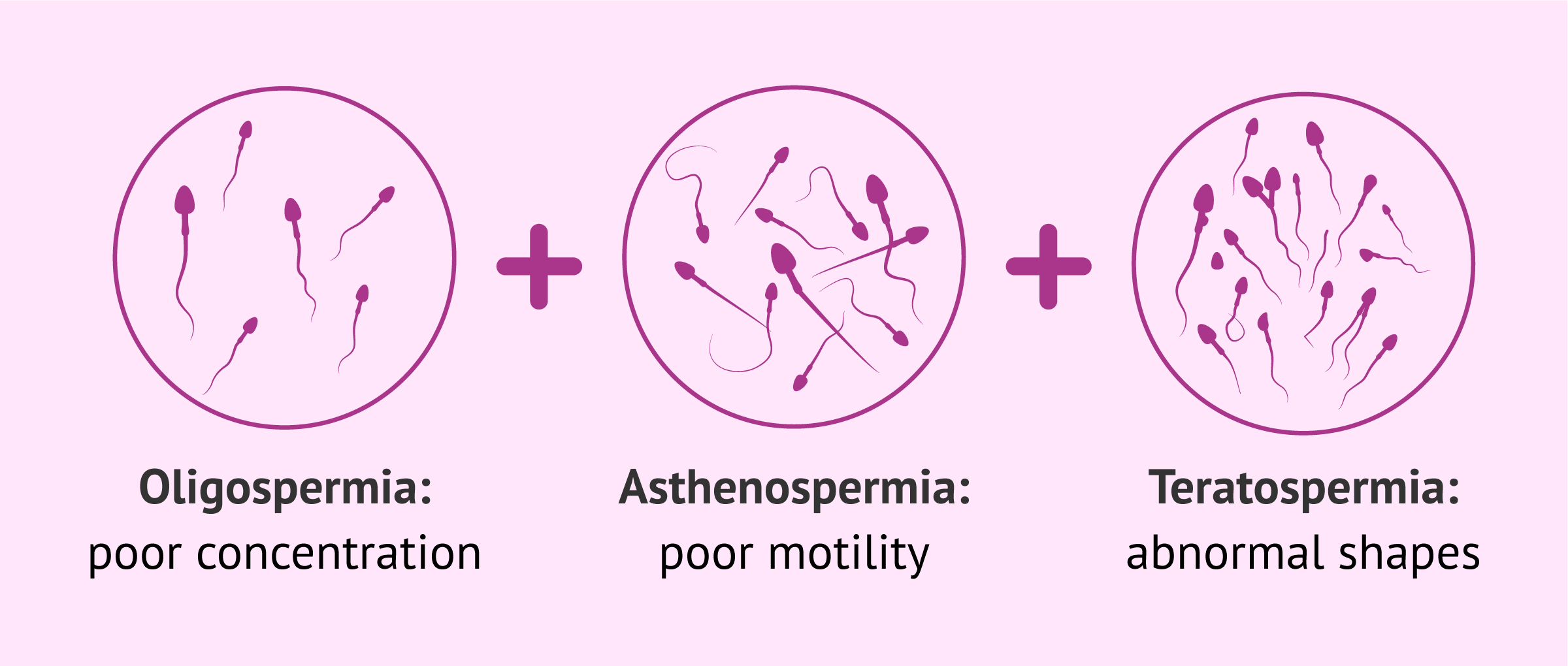
Oligoastenoteratospermia: Treatment and How to Get Pregnant
Oligoasthenoteratospermia is a seminal alteration in the male in which the concentration, mobility and morphology of the spermatozoa are affected. Therefore, achieving a natural pregnancy with oligoasthenoteratospermia can be complicated, since the encounter between egg and sperm is hindered.
Read more

