
Featured Publications
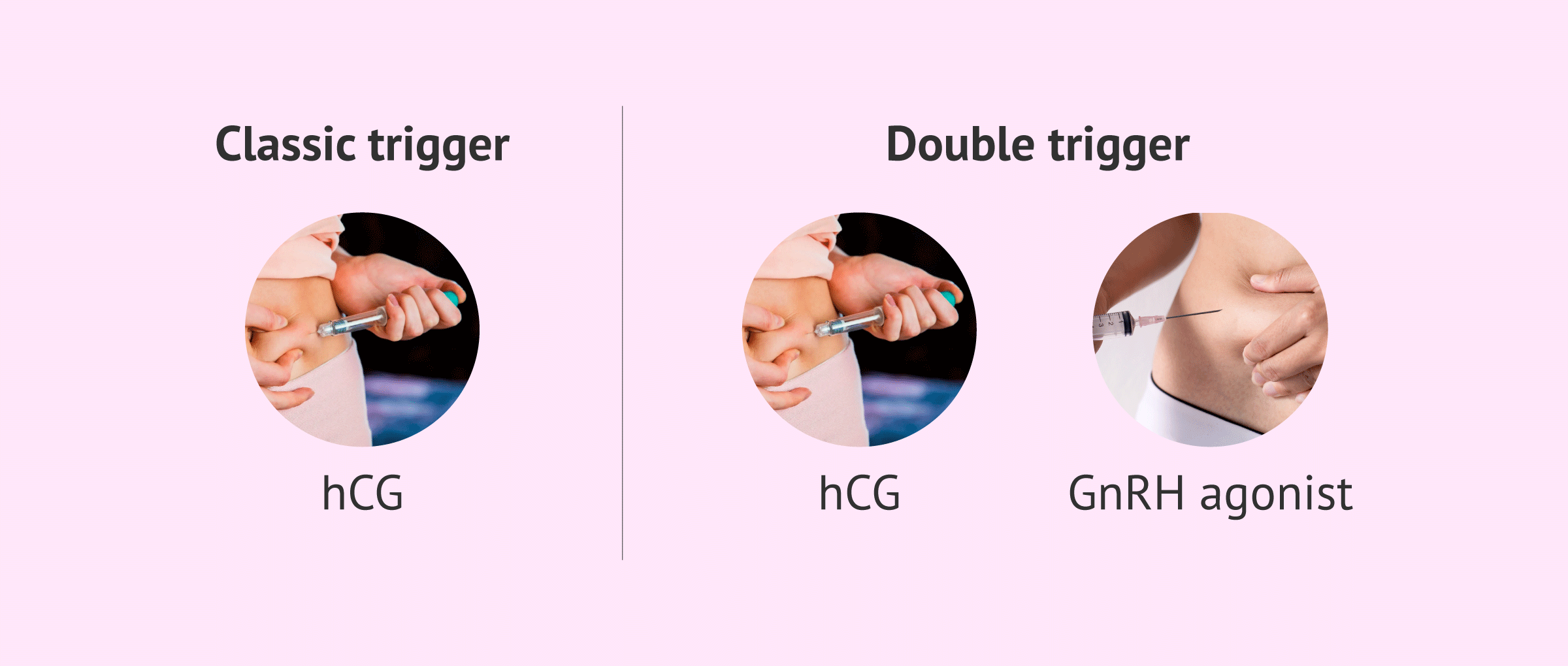
Double trigger: the classic injection for ovulation might not be ideal
A recent study shows that using a "double trigger" protocol to induce ovulation in IVF treatments achieves more mature eggs and a greater number of embryos. Learn the details of this scientific advance that improves success rates in assisted reproduction.
Read more
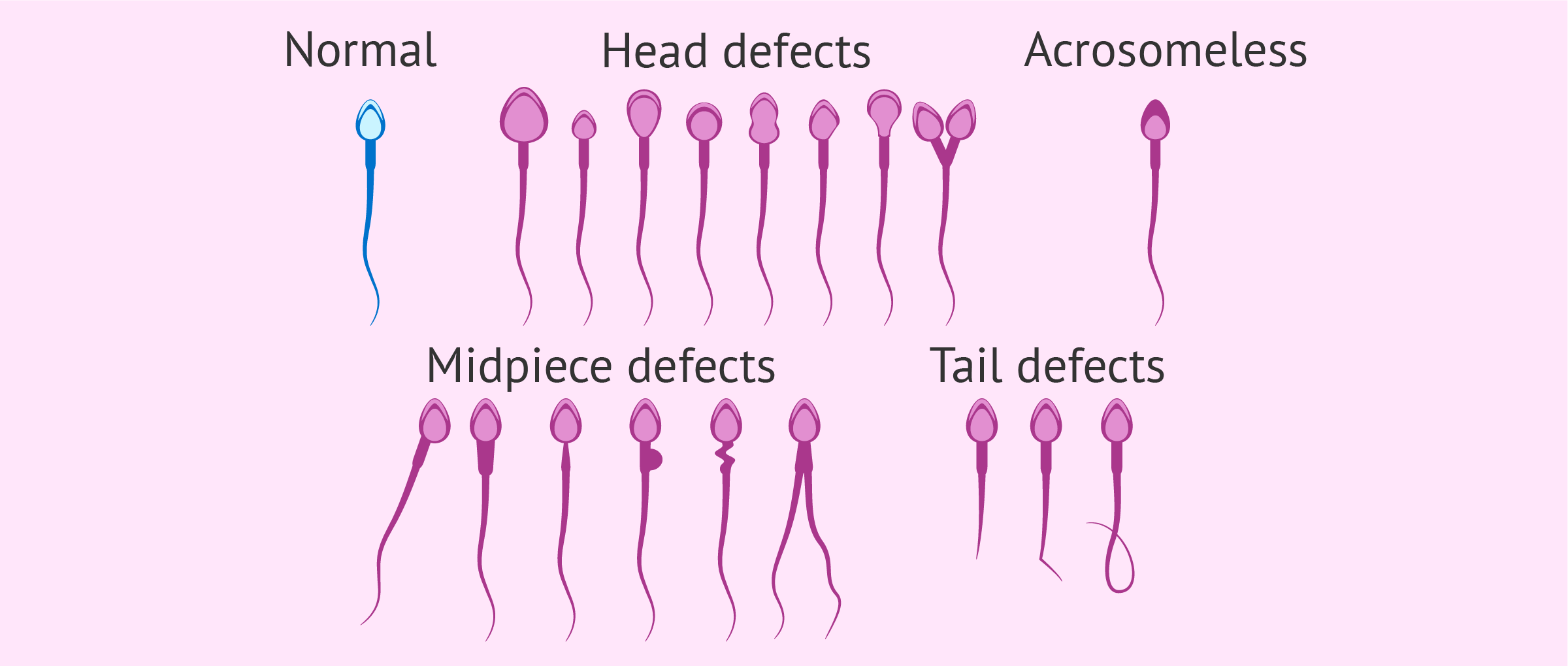
What Is Sperm Morphology? - Meaning & Normal Range
Sperm morphology is assessed in a semen analysis, which allows for the calculation of the percentage of normal sperm in the semen. A value greater than 4% of normally shaped sperm is considered normal. If the percentage of abnormally shaped sperm exceeds 96%, the condition is called teratozoospermia.
Read more
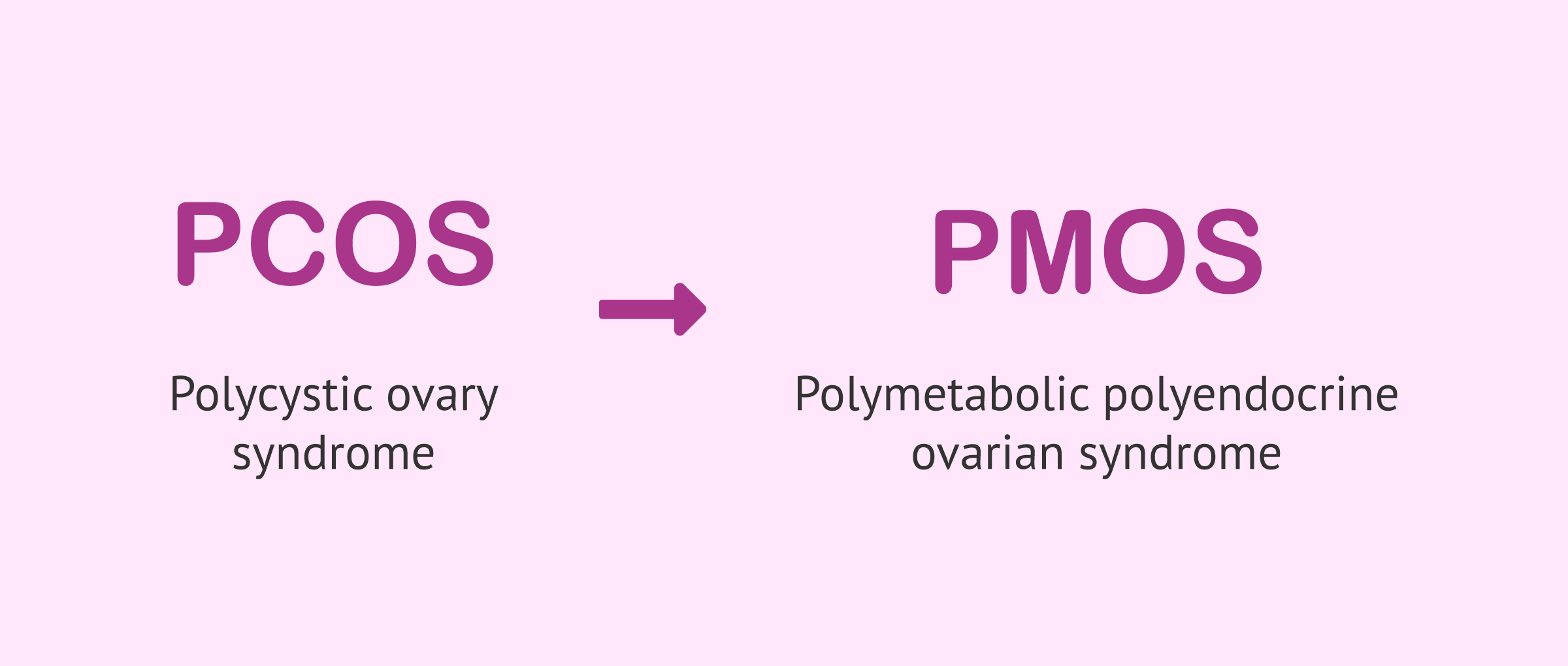
Goodbye PCOS: the new term that will change how we understand it
Polycystic Ovary Syndrome (PCOS) affects millions of women, but its name was misleading. A global consensus of experts has just changed it to PMOS to reflect its true metabolic and hormonal nature, opening a new era in assisted reproduction.
Read more

Diseases and disorders that cause female infertility: warning signs
About 33% of infertility cases are due to a female factor and there are multiple alterations and diseases that can affect female fertility. Here we present the most frequent factors that cause female infertility, as well as the pathologies associated with each of them.
Read more
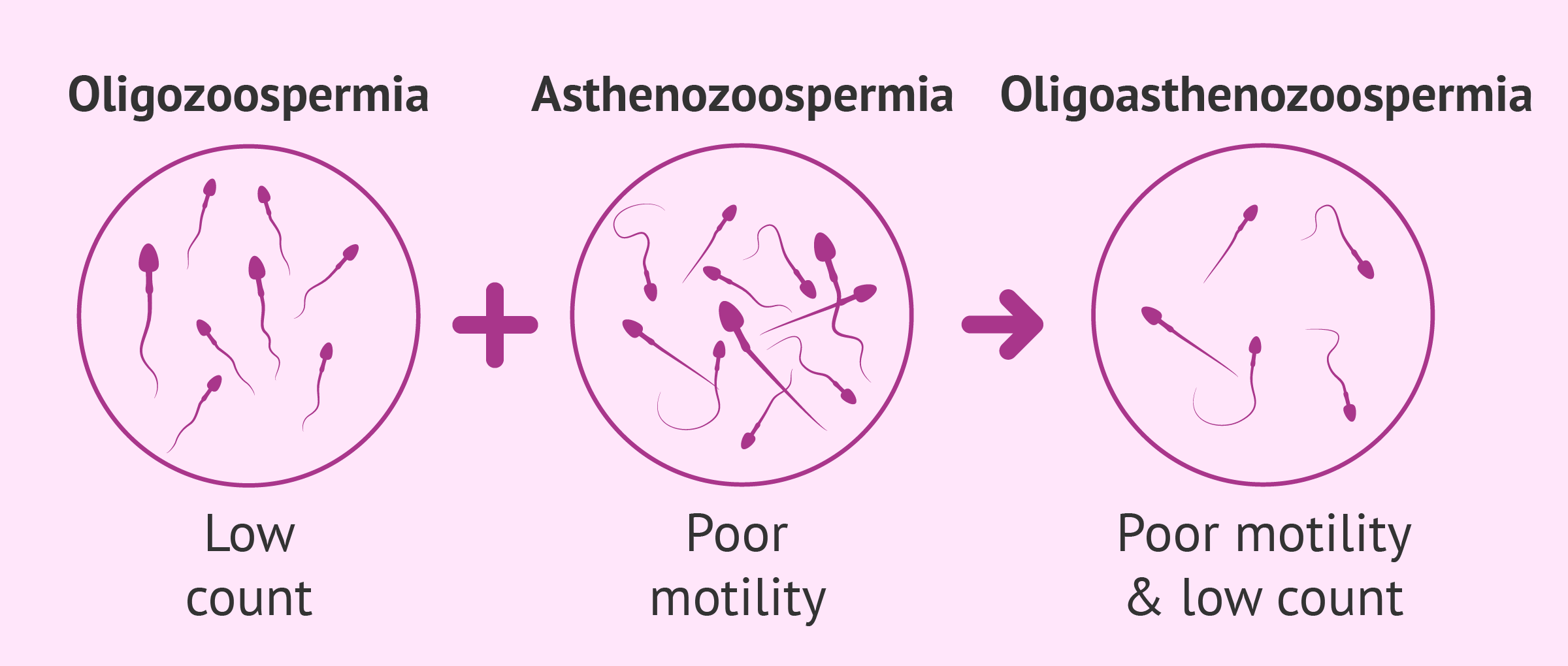
What Is Oligoasthenozoospermia? - Causes & Treatment
Oligoasthenozoospermia is the alteration of the concentration and mobility of spermatozoa in the semen, which causes male infertility. Men suffering from oligoasthenozoospermia will have difficulty achieving pregnancy naturally, so they will have to resort to fertility treatments.
Read more
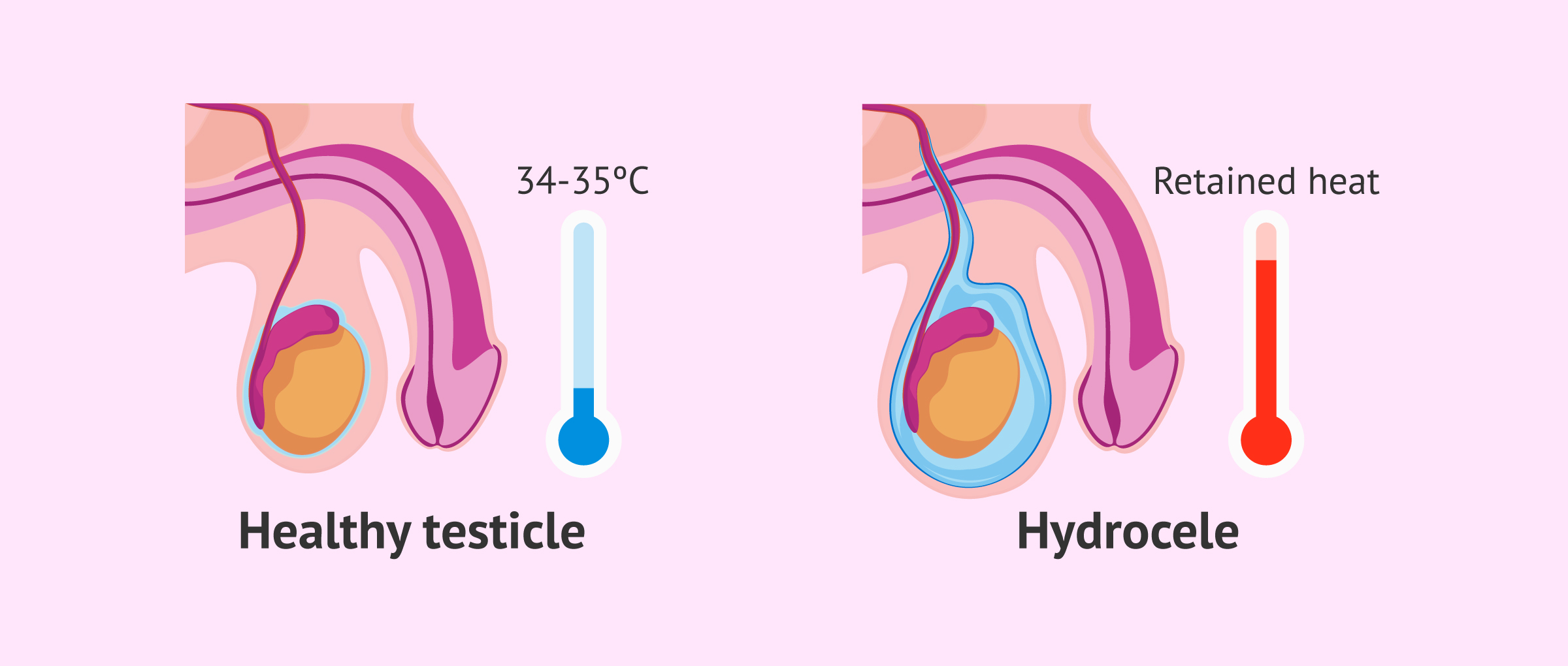
Medical Myth: Does hydrocele affect male fertility?
Hydrocele, commonly treated as a harmless aesthetic disorder, could have detrimental effects on male fertility. A new analysis suggests that excessive fluid retention generates thermal stress capable of damaging spermatogenesis and reproductive health.
Read more
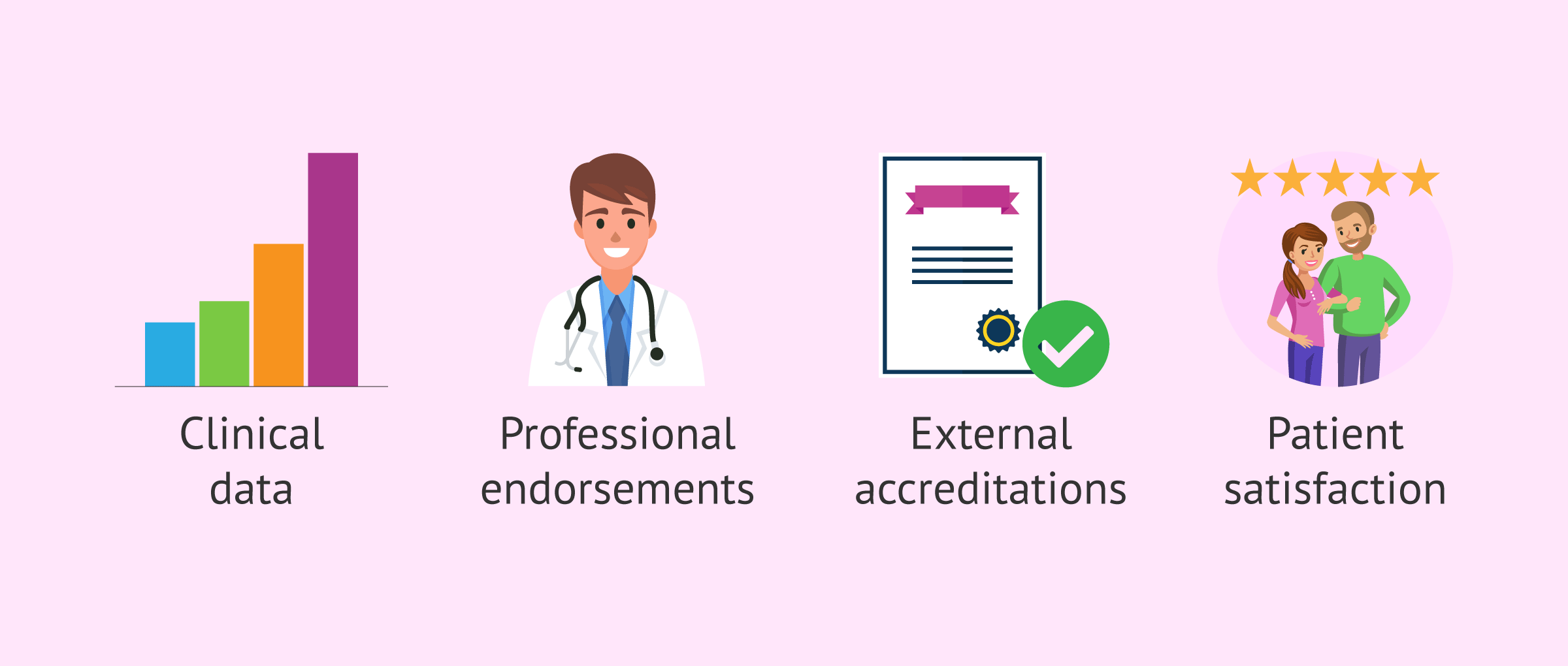
FCLV among America's Best Fertility Clinics 2026 (Newsweek)
The Fertility Center of Las Vegas (FCLV) has been recognized by Newsweek as one of America's Best Fertility Clinics 2026. It is the only clinic in Nevada to earn this prestige based on success rates, expert endorsement, accreditations, and overall patient satisfaction.
Read more
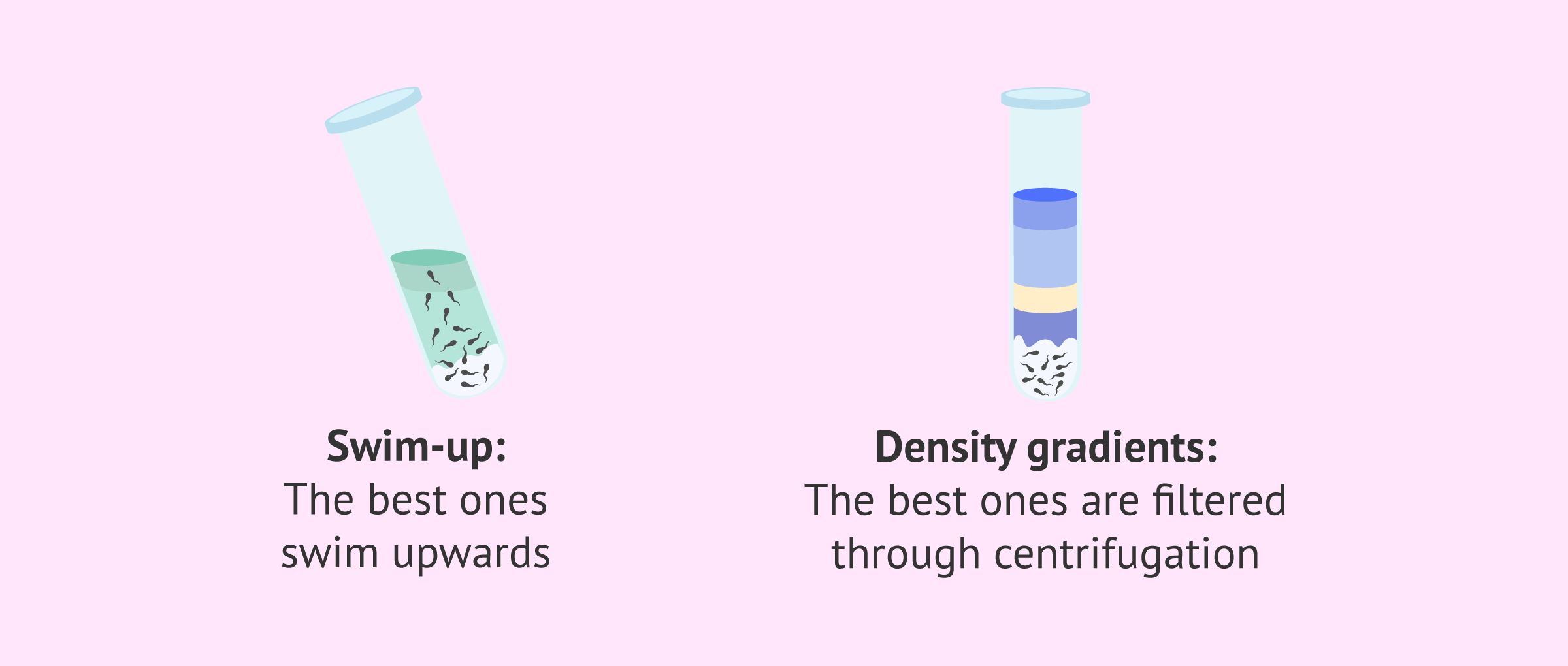
Semen preparation: science debunks a false belief about success
A recent clinical trial analyzes swim-up and density gradient techniques for semen preparation in artificial insemination treatments. We explain simply which method offers a higher probability of achieving a pregnancy and a live birth.
Read more
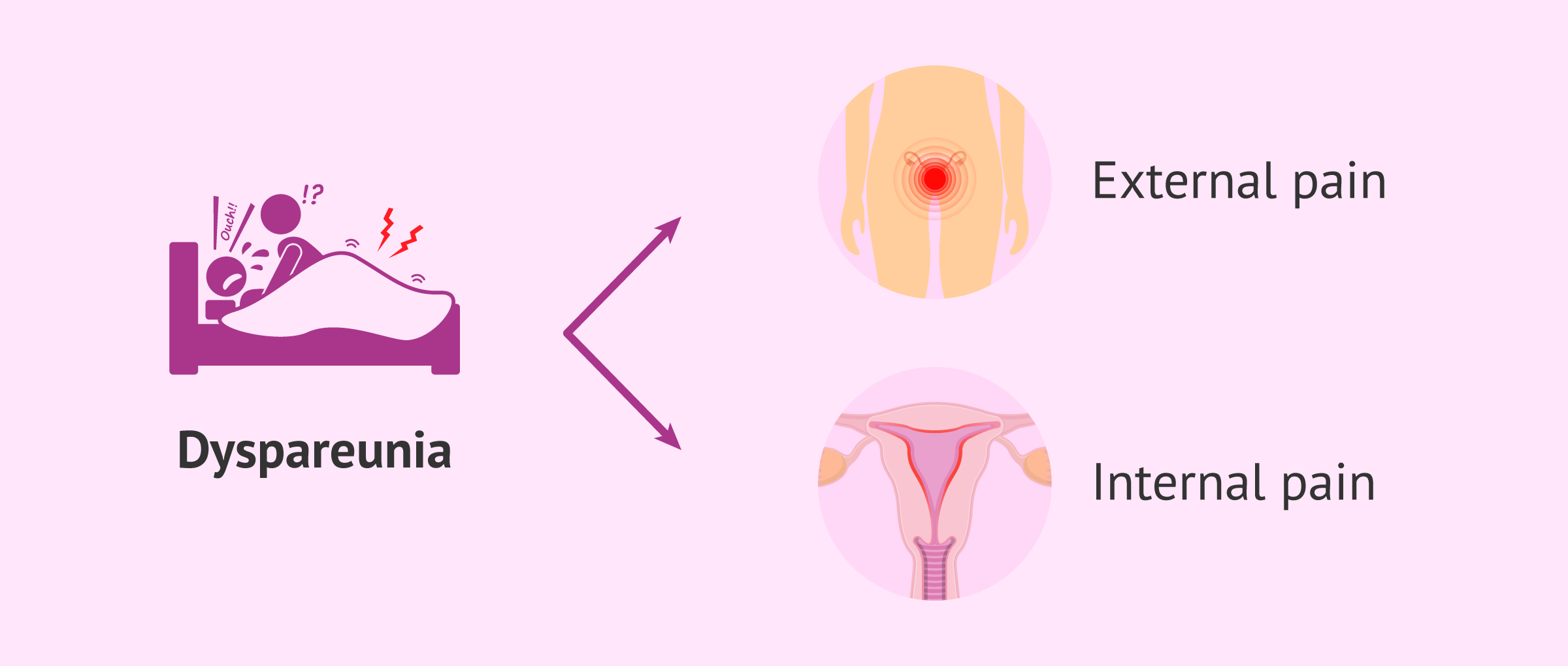
Why does pain during sexual intercourse, or dyspareunia, occur?
Pain during sexual intercourse is known as dyspareunia. This problem is more common in women than in men and may be due to several causes. Find them out here.
Read more
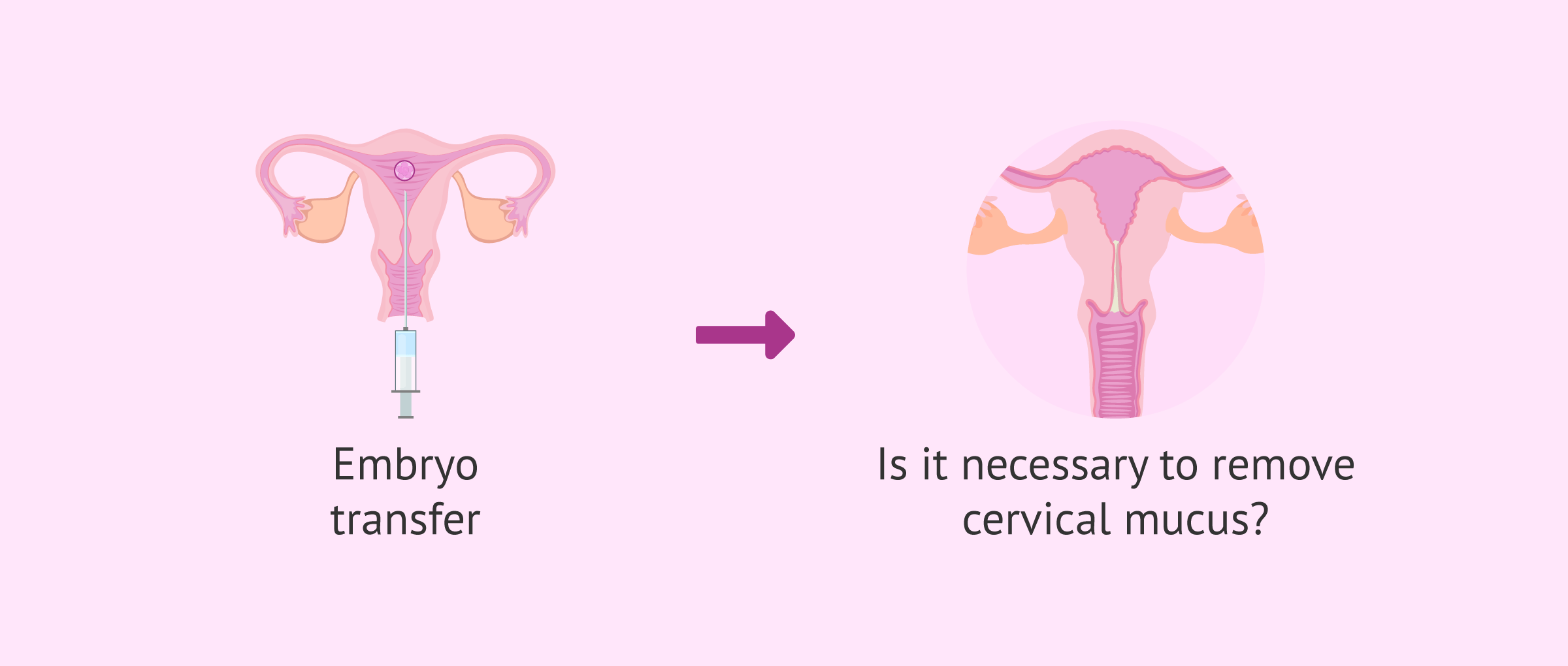
Clearing cervical mucus in IVF: Why this medical step is unnecessary
A recent randomized clinical trial evaluates whether the removal of cervical mucus prior to embryo transfer in ICSI cycles truly impacts gestational success. The results question routine protocols and open the debate on their real necessity in fertility treatments.
Read more
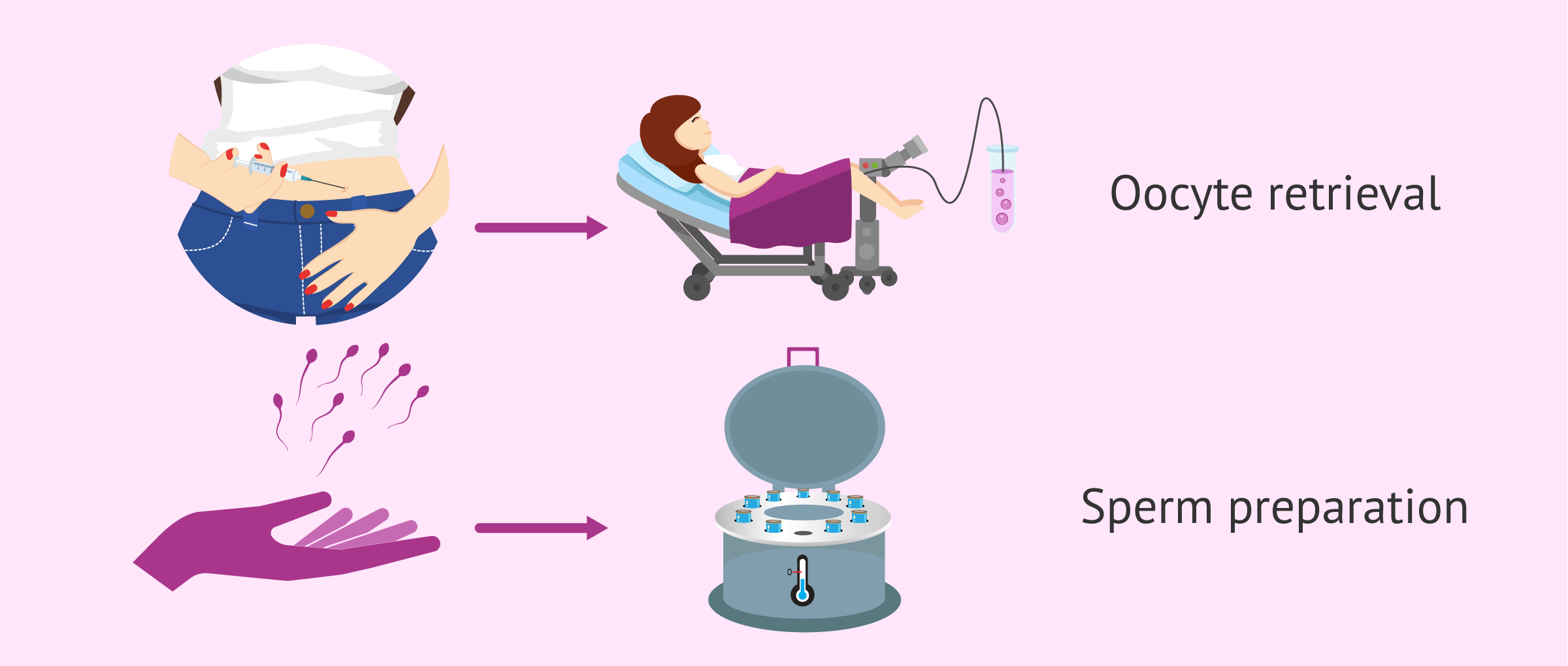
IVF using donor sperm: the process, costs and its success rates
Sperm donor IVF is a fertility technique used in cases of severe male infertility, but also for women who wish to become single mothers by choice or for female couples. The procedure is the same as IVF with conjugal sperm, except that the sample comes from a sperm bank.
Read more
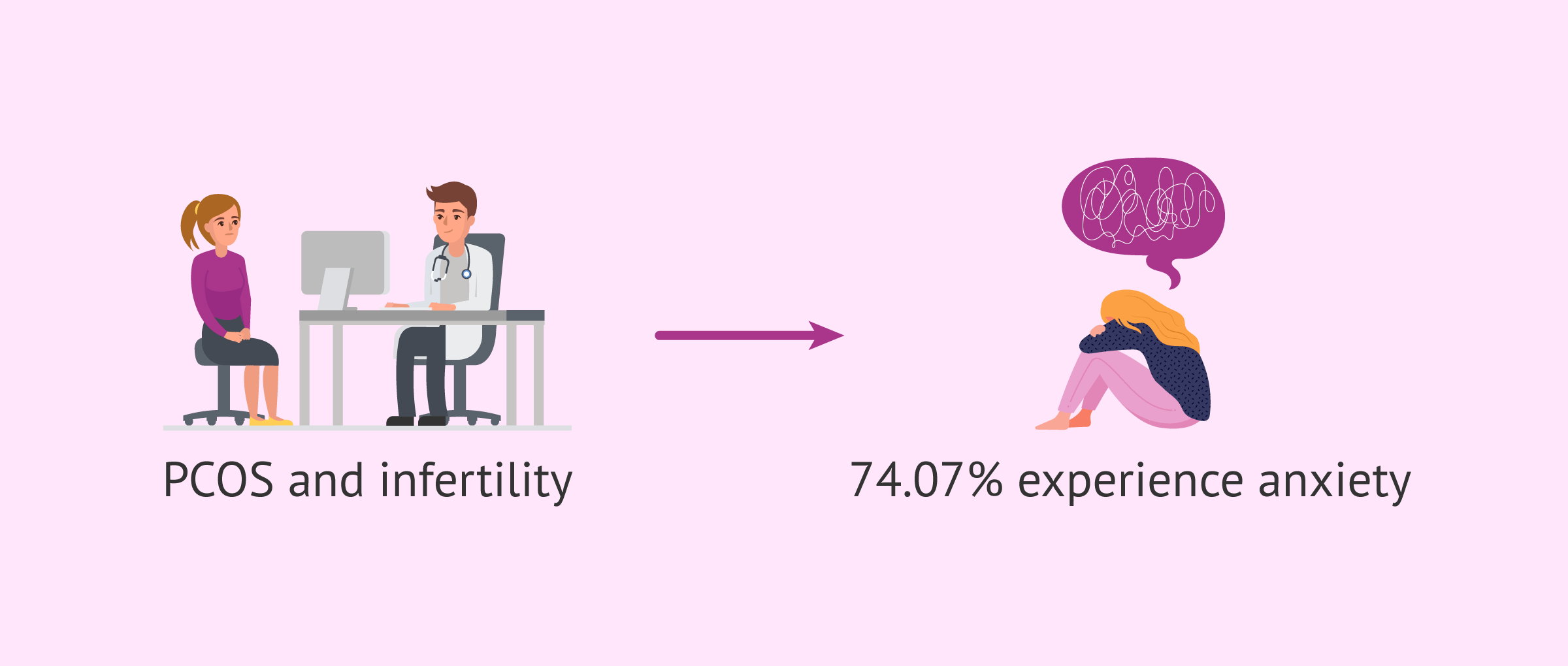
PCOS and mental health: the impact on women's fertility
Polycystic Ovary Syndrome (PCOS) not only affects reproductive capacity but also has a profound psychological impact. We analyze recent findings on the high prevalence of anxiety and depression in PCOS patients and the importance of a comprehensive approach in fertility clinics.
Read more

