
Featured Publications
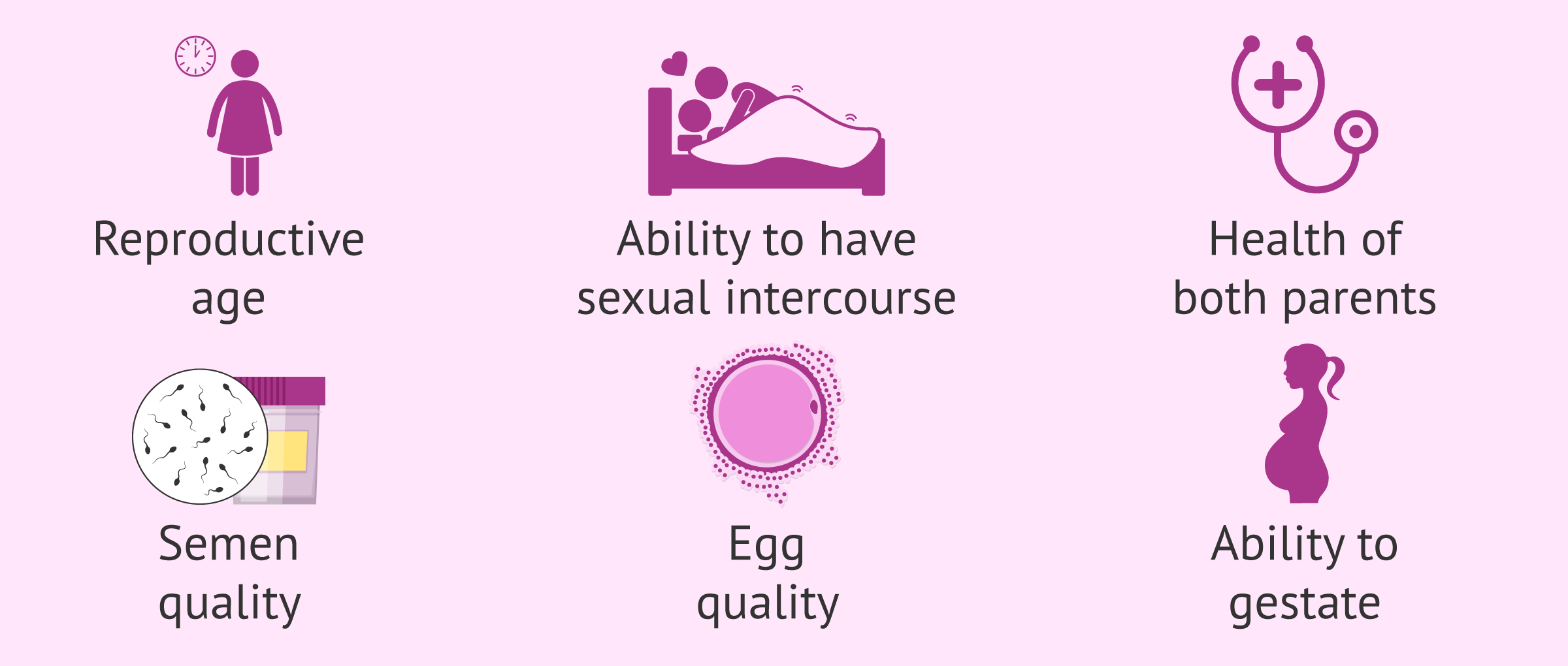
Male & Female Fertility Explained: What Factors Can Affect It?
Infertility in the couple is diagnosed after a year trying to conceive without success. It can be male or female infertility, or a combination of both.
Read more

Diagnosis of endometriosis: analytical and imaging tests
Symptoms such as pelvic pain are not enough to determine the existence of endometriosis, but it is necessary to make a differential diagnosis with tests such as transvaginal ultrasound, blood tests or laparoscopy, among others.
Read more
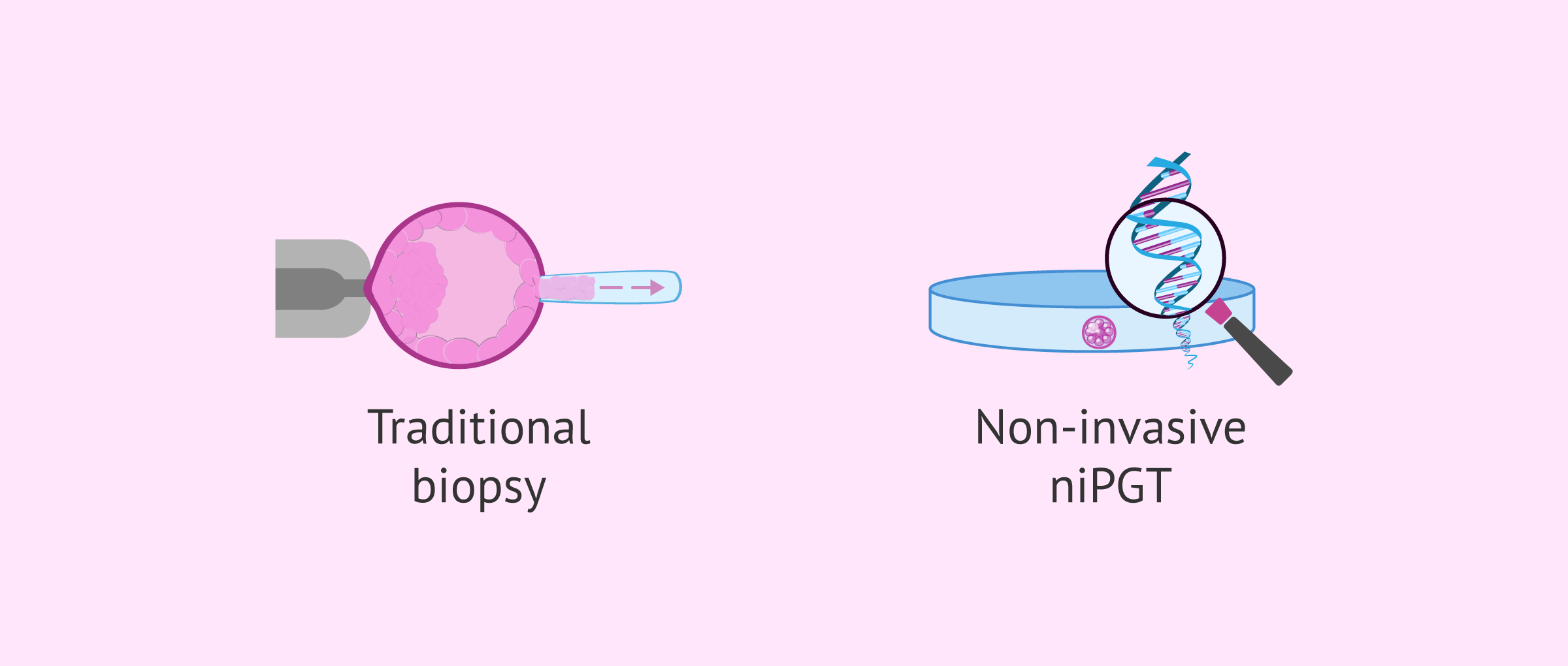
Advances in non-invasive preimplantation genetic testing (niPGT)
Recent research analyzes the efficacy of non-invasive preimplantation genetic testing (niPGT) compared to traditional biopsy. Although it promises to be a safer alternative for the embryo by analyzing DNA in the culture medium, it still faces challenges such as maternal contamination for general clinical use.
Read more

What is a testicular biopsy, and when is it performed? - Postoperative Care
A testicular biopsy involves removing testicular tissue for examination under a microscope. This simple, painless procedure serves a dual purpose: diagnostic and therapeutic, for the retrieval of sperm. There are two procedures, depending on the type of biopsy performed: TESE and TESA
Read more
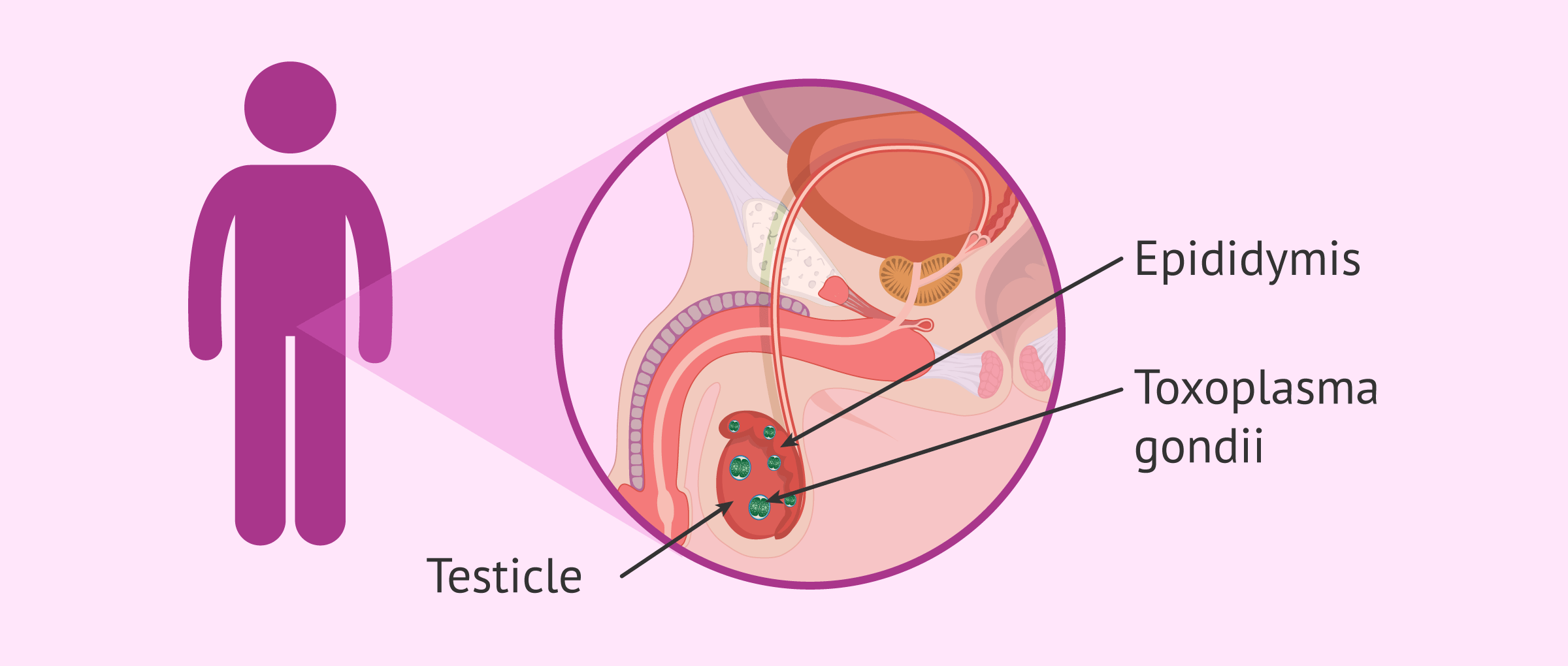
Toxoplasmosis: real impact on human sperm
A new study reveals that acute Toxoplasma gondii infection can severely alter the structure of human sperm, causing the loss of its head and damage to its energetic function. Discover the details of this research and its impact on male fertility.
Read more
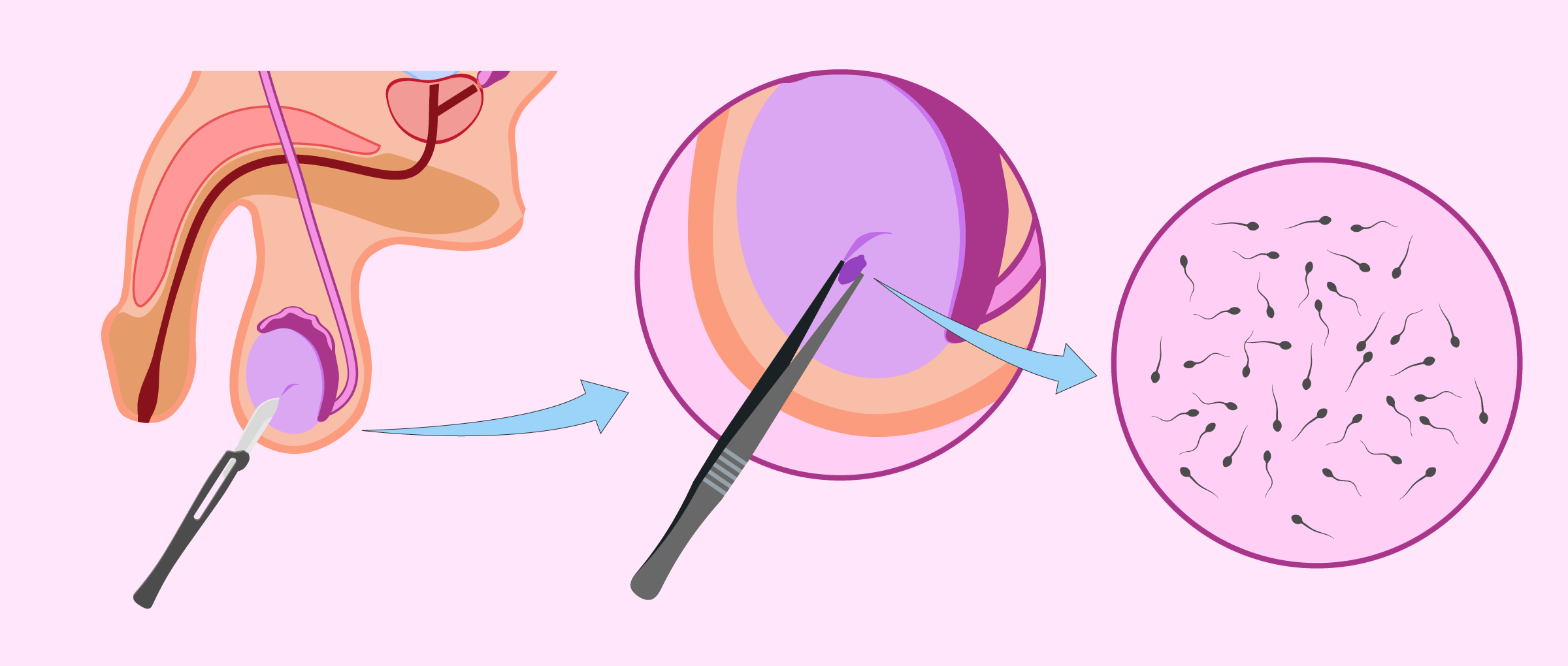
Can a Man with Azoospermia Get a Woman Pregnant?
Sperm aspiration, testicular biopsy, or sperm donation are the main options available for azoospermic males to be able to conceive.
Read more
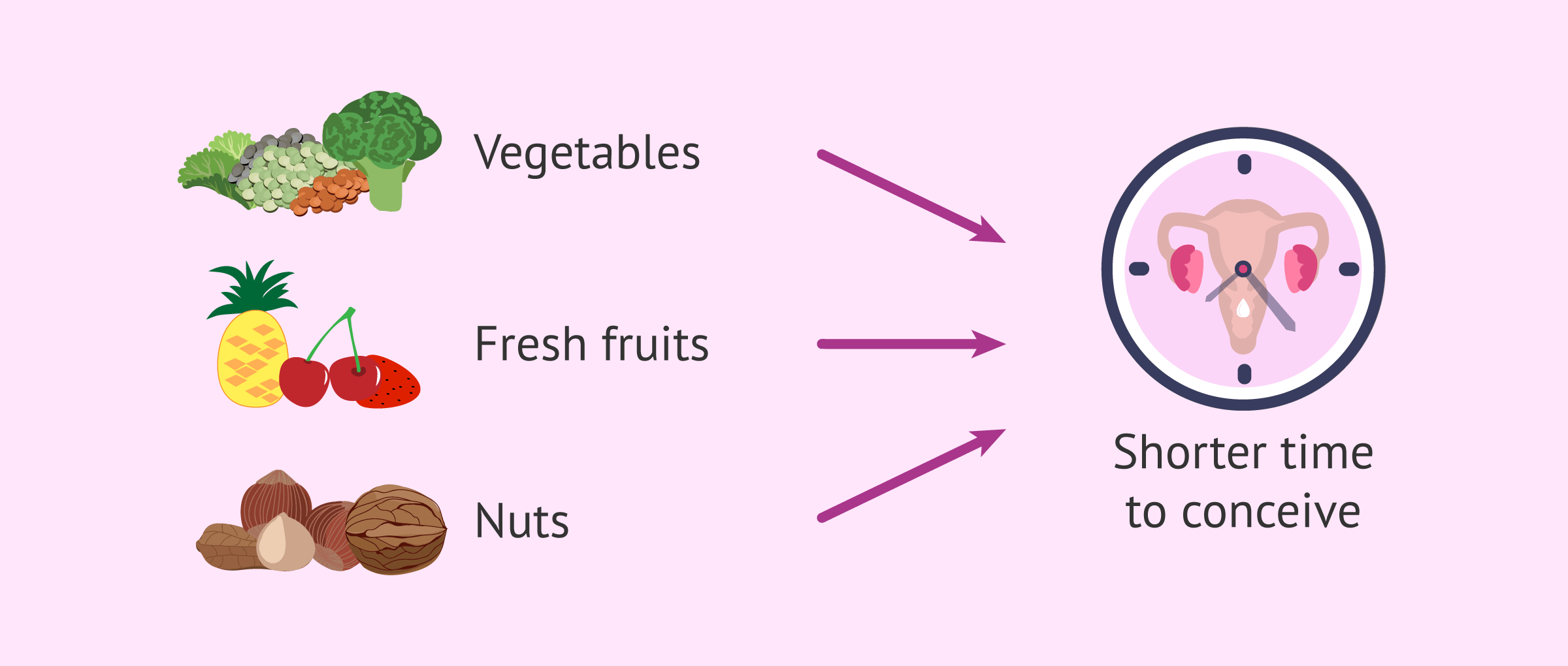
Nutrition and fertility: shortening the time to achieve pregnancy
An international study reveals that following a preconception dietary pattern rich in vegetables, fruits, and nuts can significantly reduce the time needed to achieve a pregnancy naturally, increasing the chances of conception in the first year.
Read more
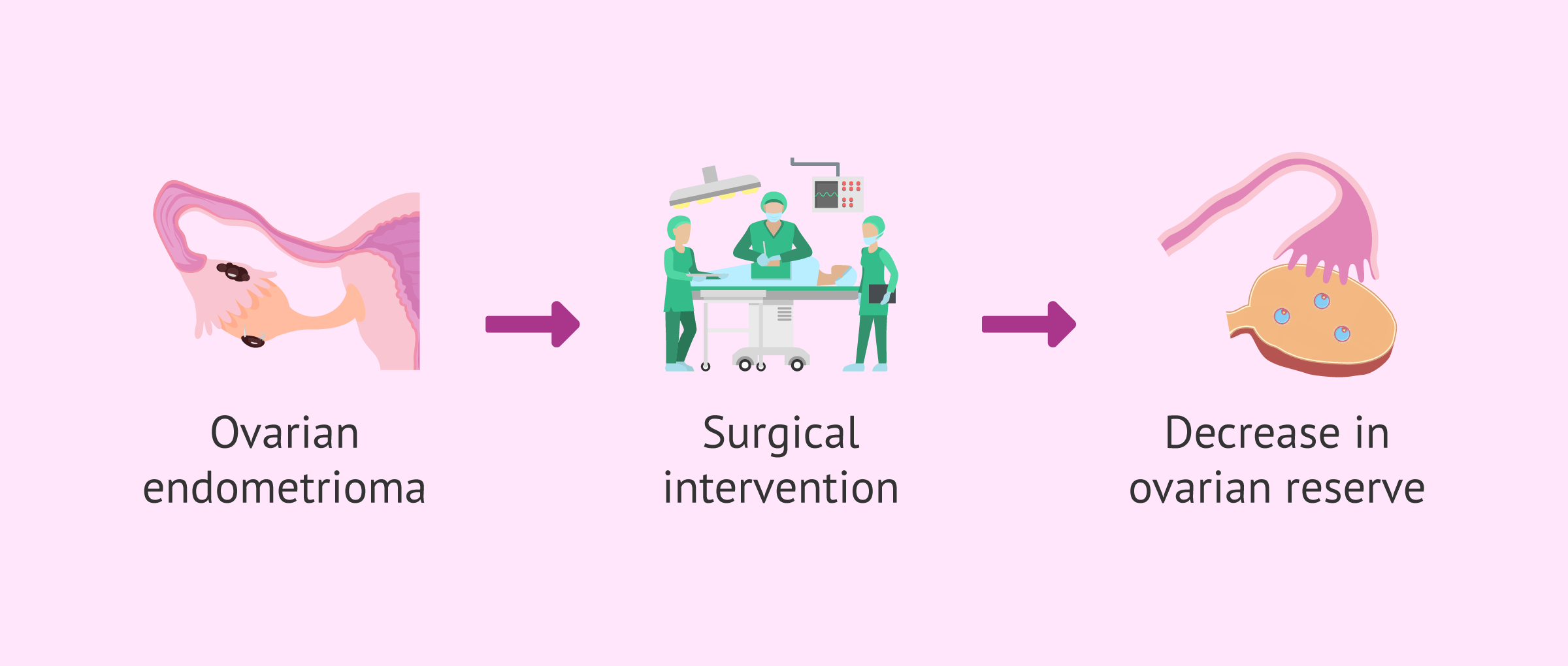
Endometrioma surgery: techniques that protect ovarian reserve
A new international study reveals which surgical treatments for ovarian endometriomas minimize damage to the ovarian reserve. Drainage with sealants and cystectomy with suturing emerge as the best options to protect future fertility.
Read more
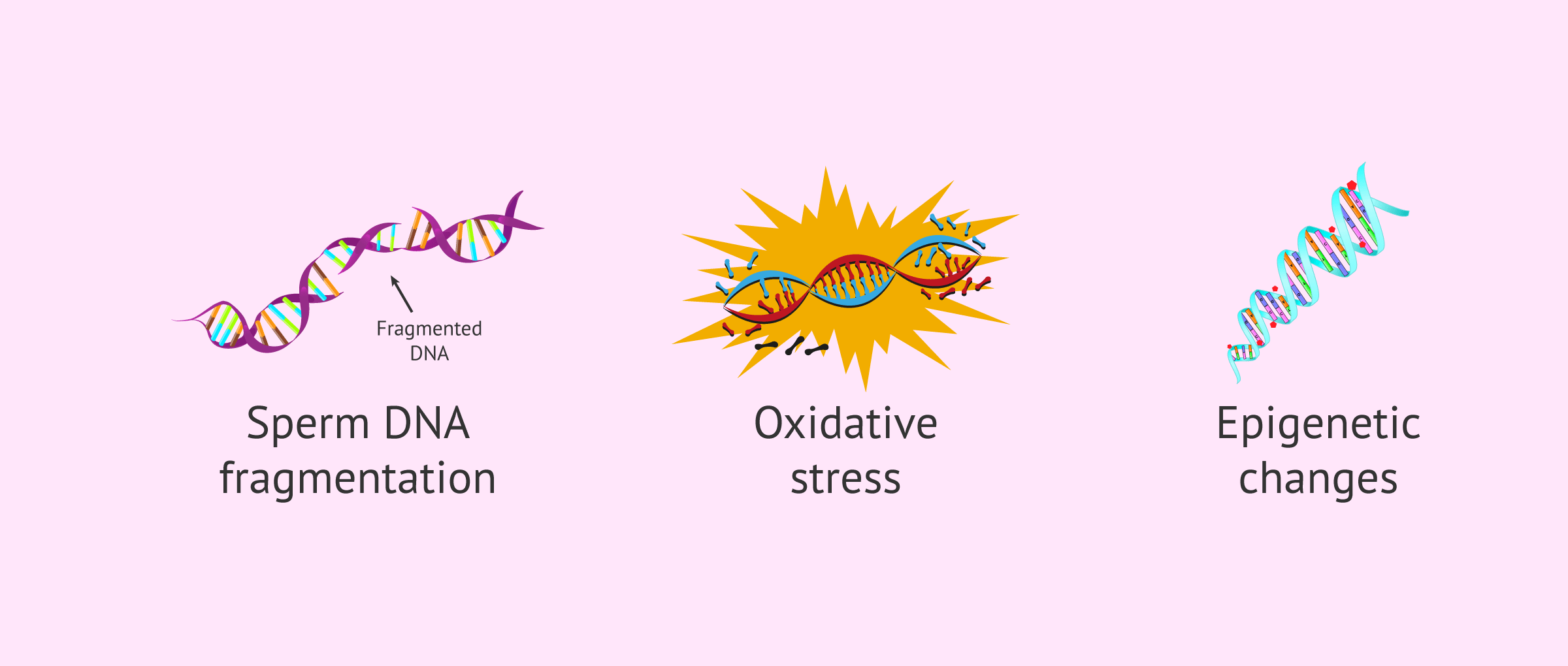
Paternal age and assisted reproduction: its impact and advice
A new study reveals that male age from 40 years onwards slightly modifies the results in assisted reproduction. Although maternal age remains the main factor, sperm aging affects its DNA. Discover the details and tips to improve treatment success.
Read more

Does exercise improve semen quality and male fertility?
Engaging in moderate exercise has multiple benefits, including for semen quality. However, if a man exercises very intensely, it could be harmful to his fertility and increase sperm DNA fragmentation.
Read more
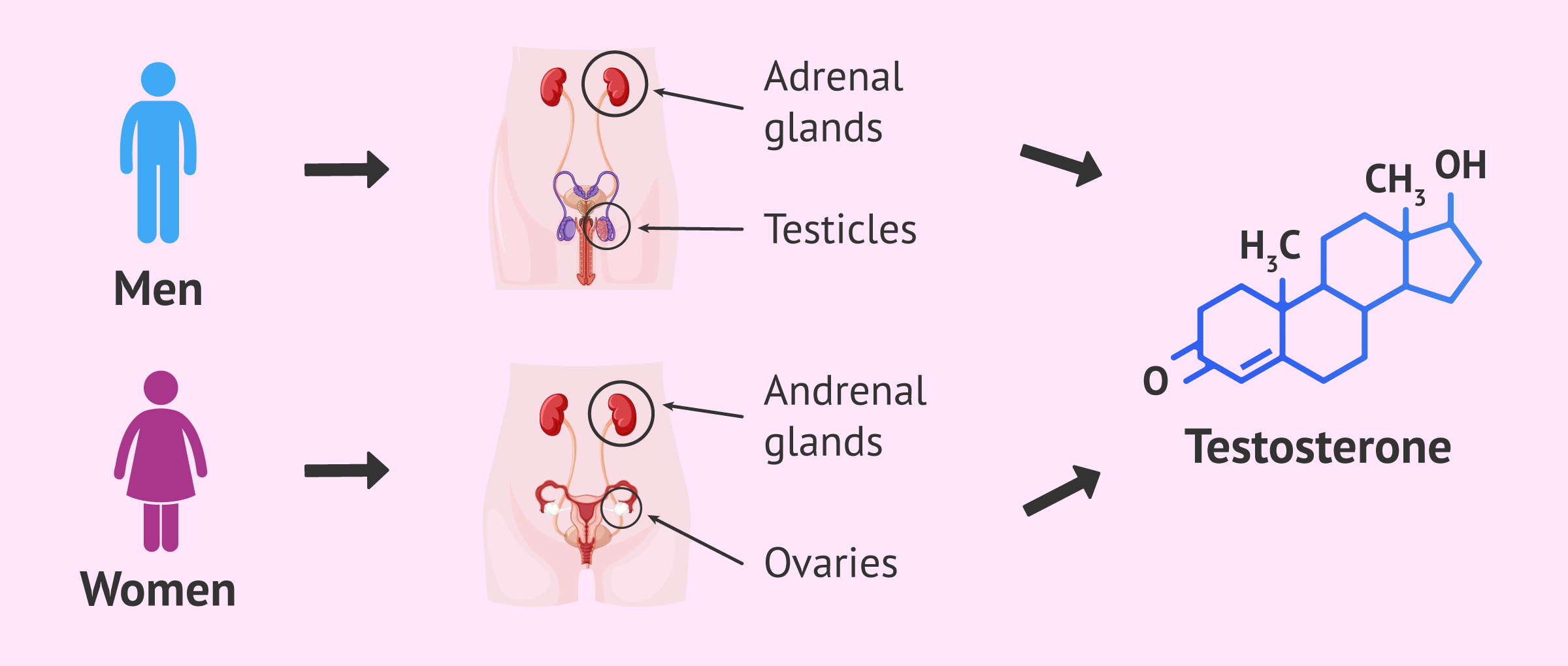
Testosterone hormone: what is its function in men and women?
Testosterone is the main male sex hormone, as it plays an important role in the development of the reproductive system and in the appearance of secondary sexual characteristics in men.
Read more
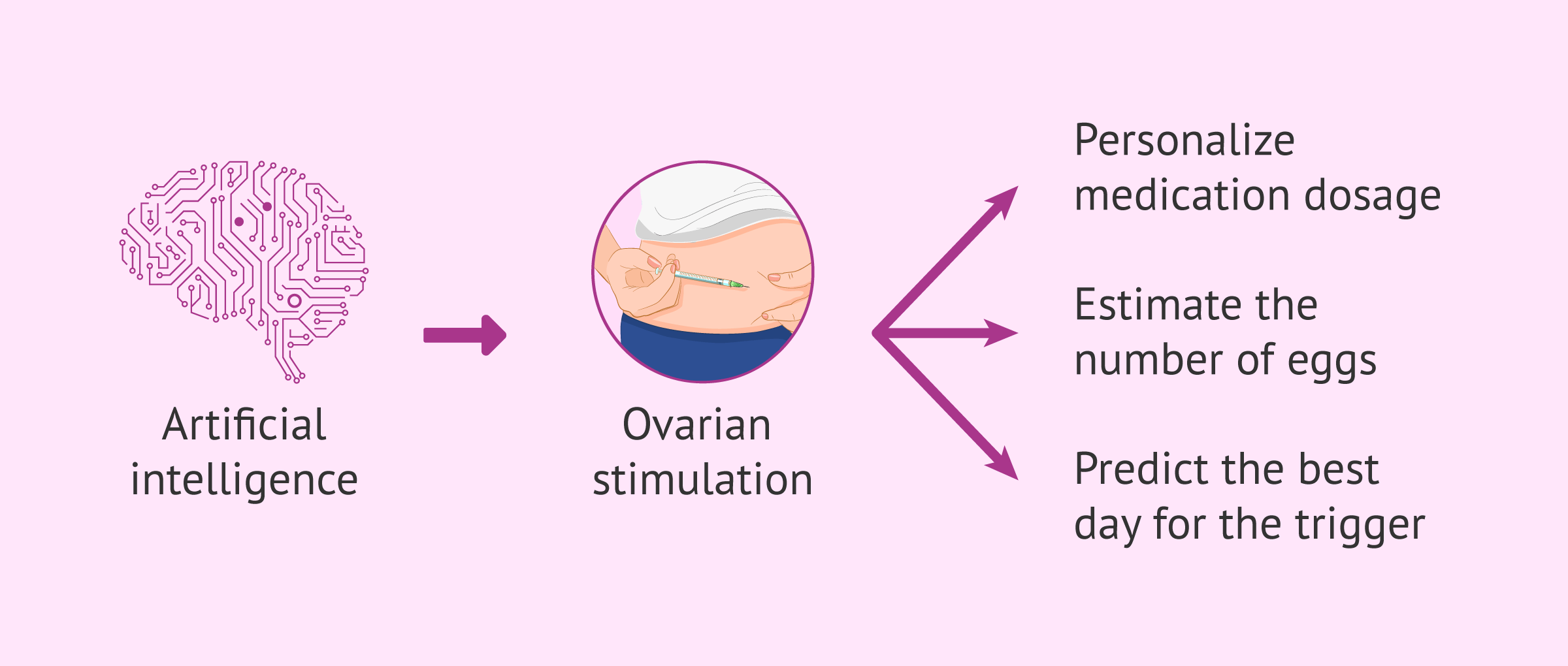
Artificial Intelligence in IVF: Advances for Fertility
Artificial intelligence is revolutionizing assisted reproduction. This technology allows for the personalization of ovarian stimulation, improves the selection of eggs, sperm, and embryos, and optimizes laboratory work, which promises to significantly increase success rates in the near future.
Read more

