
Featured Publications
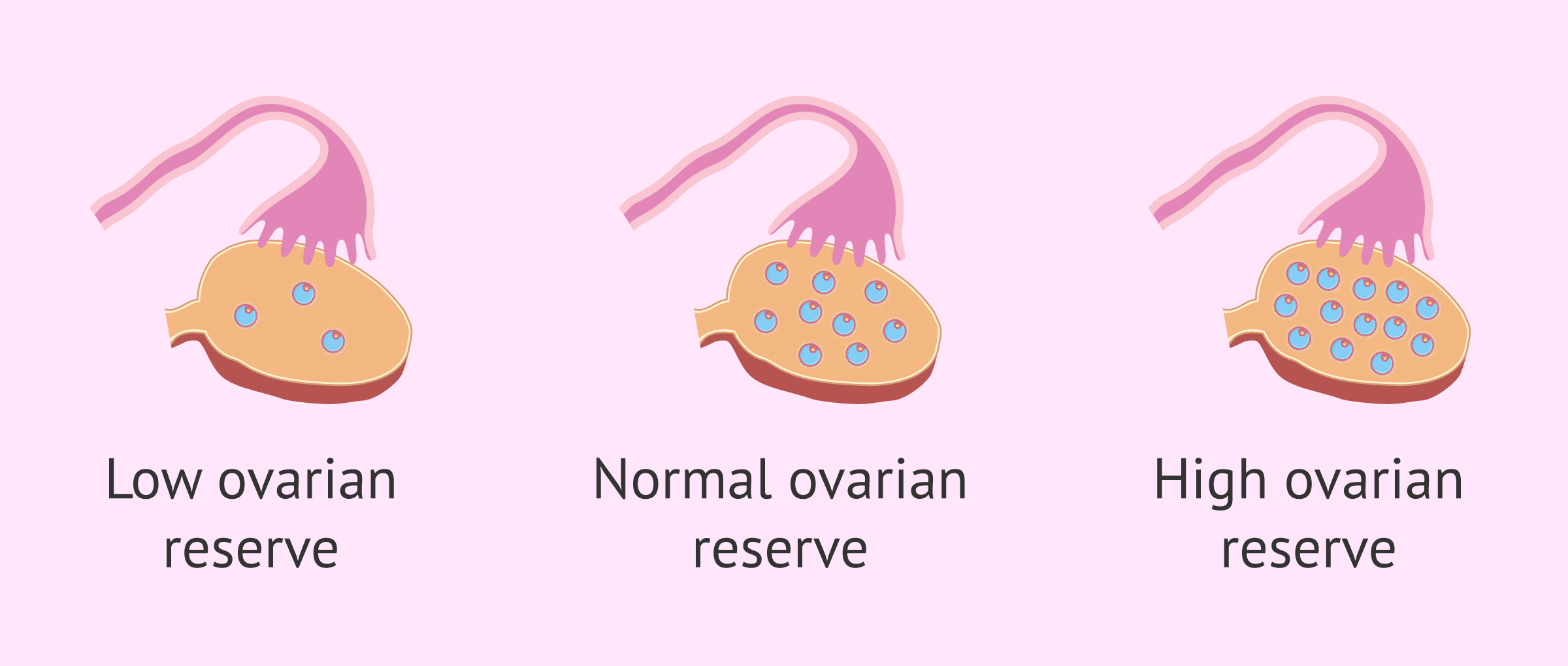
Ovarian reserve tests: What they are and how to interpret them
Ovarian reserve refers to the number of eggs still remaining in a woman's ovary at a given time. Currently, there are several methods to measure a woman's ovarian reserve, but the most commonly used are antral follicle count (AFR) and anti-Müllerian hormone (AMH) determination.
Read more
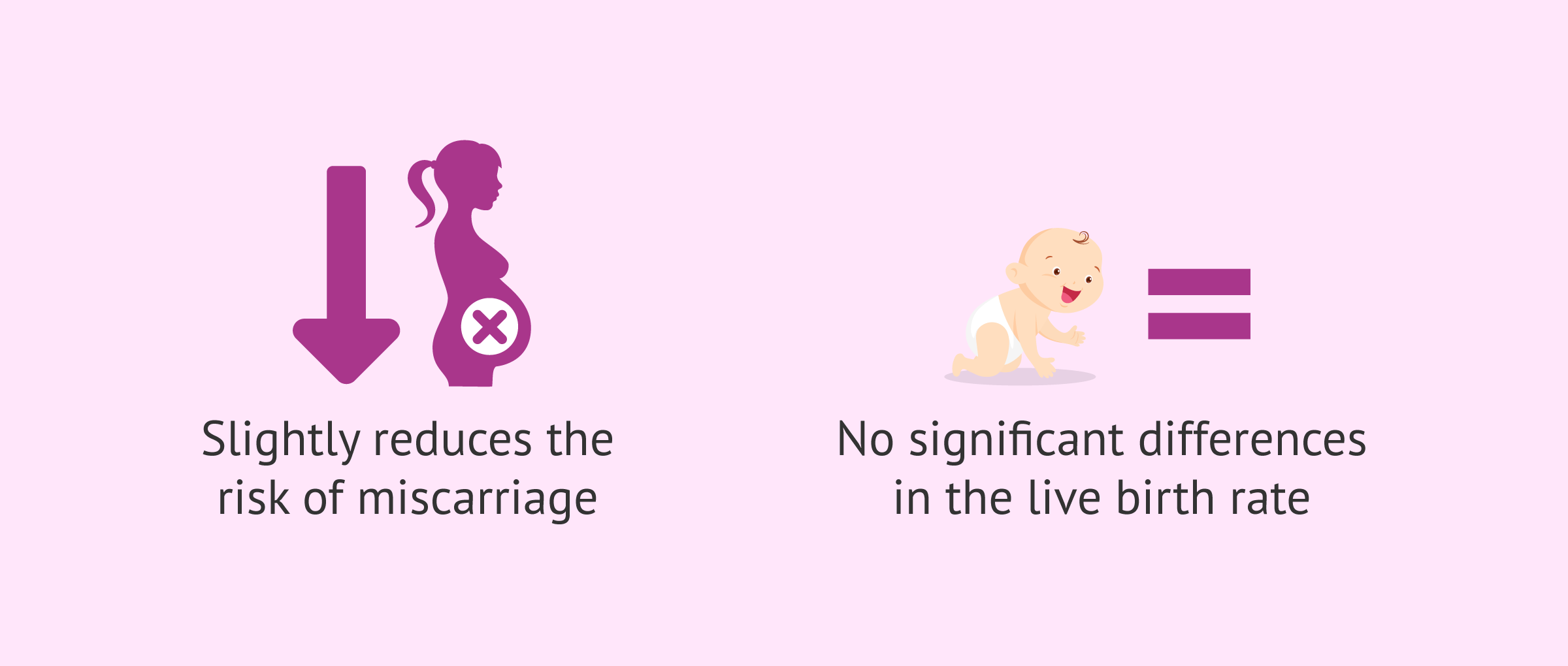
The hidden truth about advanced sperm selection in IVF
A new scientific analysis evaluates whether advanced sperm selection techniques, such as hyaluronic acid (HA-ICSI) or microfluidics, truly improve the success of in vitro fertilization. Learn the real benefits on birth rates and the reduction of spontaneous miscarriages.
Read more

What are Estrogens? Types, Functions and Drugs
Estrogens are sex hormones found mainly in women whose function is to stimulate the development of female sex organs, the appearance of secondary sex characteristics and regulate the menstrual cycle.
Read more
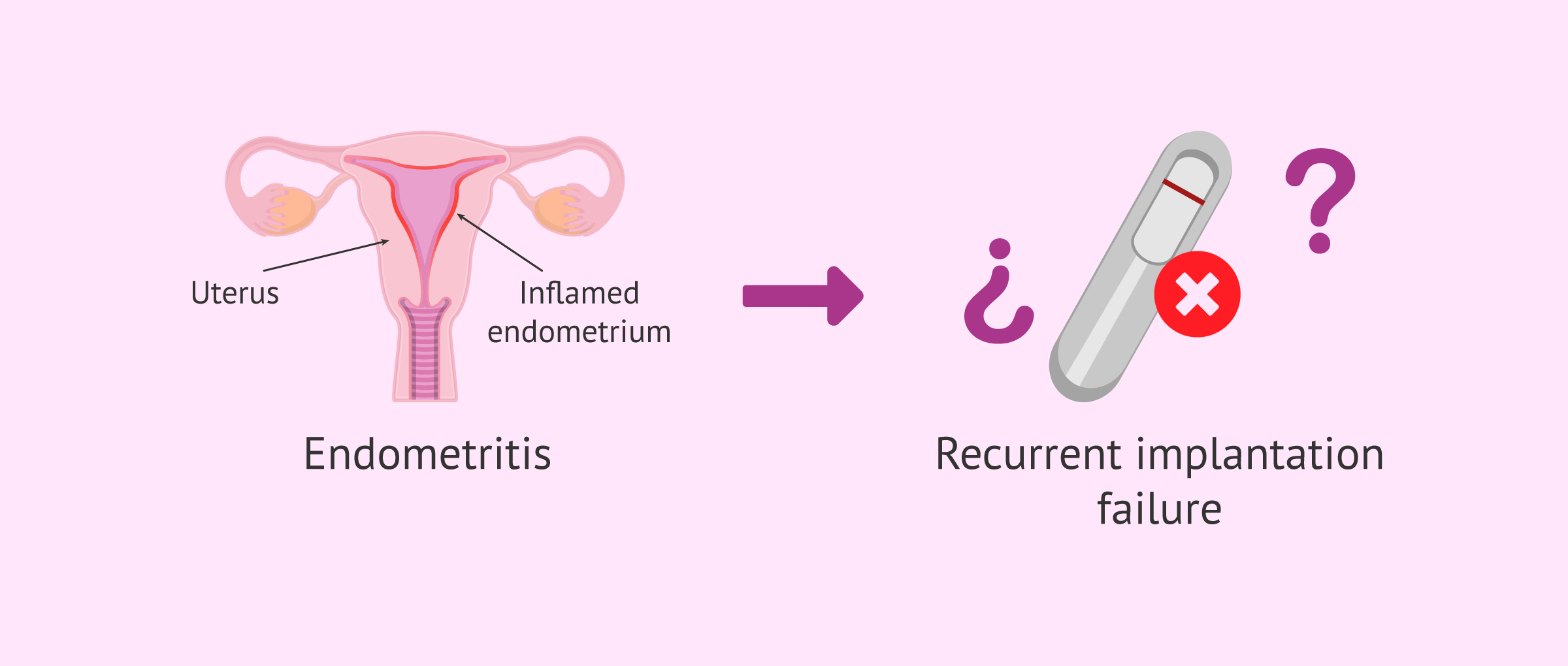
Chronic endometritis: the great truth in implantation failure
Recent research shows that true implantation failure is rare and that chronic endometritis does not have as much influence as previously thought. We analyze why the current diagnosis is a challenge and the risks of abusing antibiotics without confirmation in fertility treatments.
Read more

Sperm DNA Fragmentation - Causes & Effect on Fertility
Sperm DNA fragmentation is a cause of male infertility. It can prevent natural conception by causing repeated miscarriages, or result in non-viable embryos after fertilization.
Read more
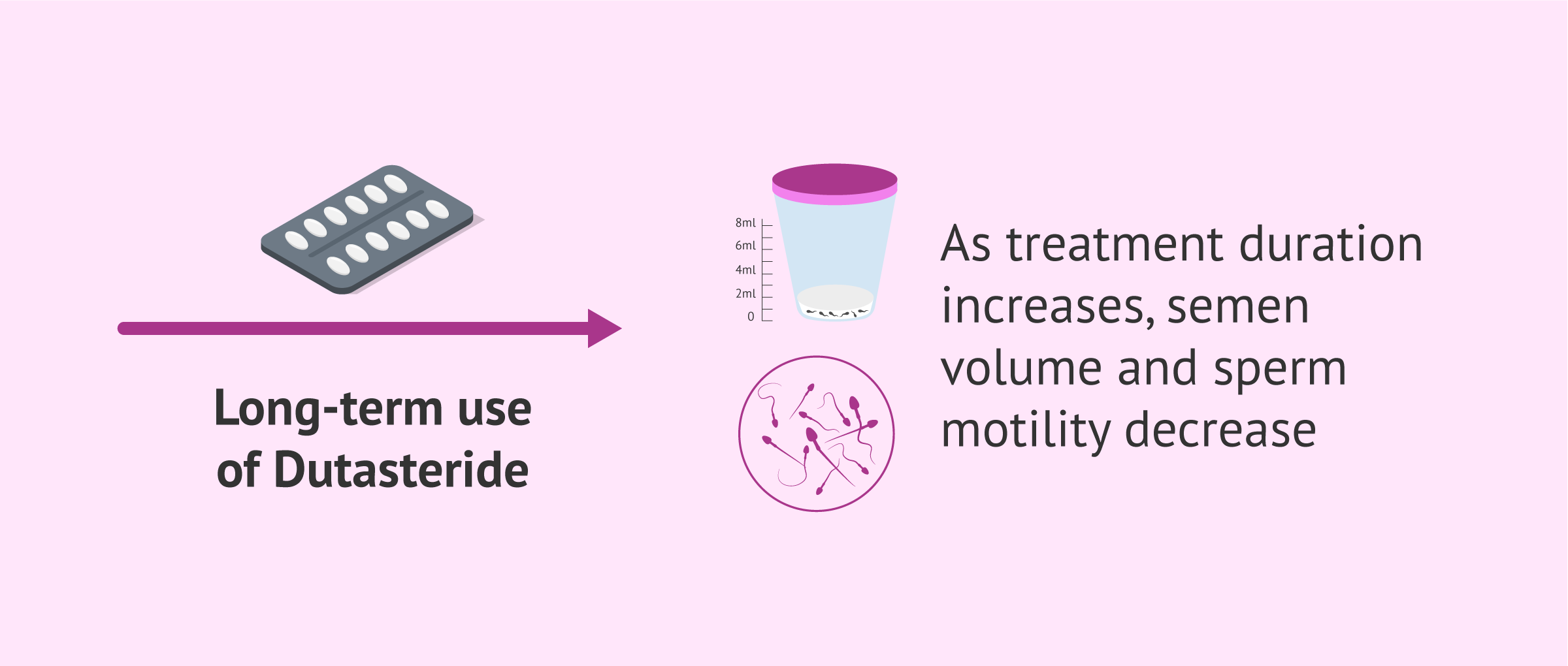
Treatment for alopecia and fertility: the mistake that damages your semen
A new study reveals that taking medication against baldness severely damages semen. Discover in which month of treatment the loss of sperm motility and the reduction of seminal volume become irreversible, affecting your chances of achieving a future pregnancy.
Read more

What is the treatment of ectopic pregnancy?
Ectopic pregnancy is a pregnancy that occurs outside the uterine cavity and therefore cannot develop normally. In addition, the complications that can be associated with this type of pregnancy can endanger the patient's life. Thus, early diagnosis and treatment is essential.
Read more
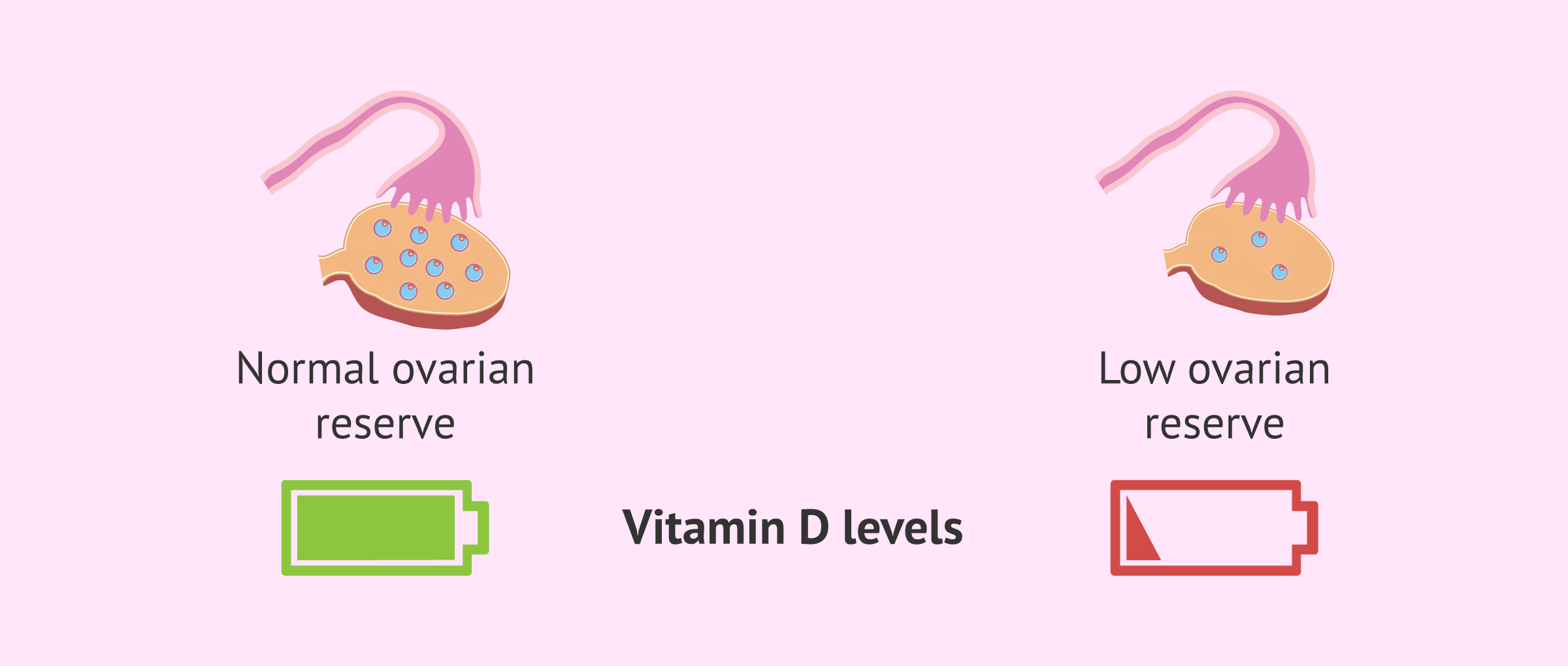
Vitamin D: the unexpected secret in your low ovarian reserve
A recent study shows that patients with low ovarian reserve and optimal vitamin D levels manage to retrieve more eggs and have higher fertilization rates. Maintaining good levels could be a cheap and simple key to pregnancy success.
Read more
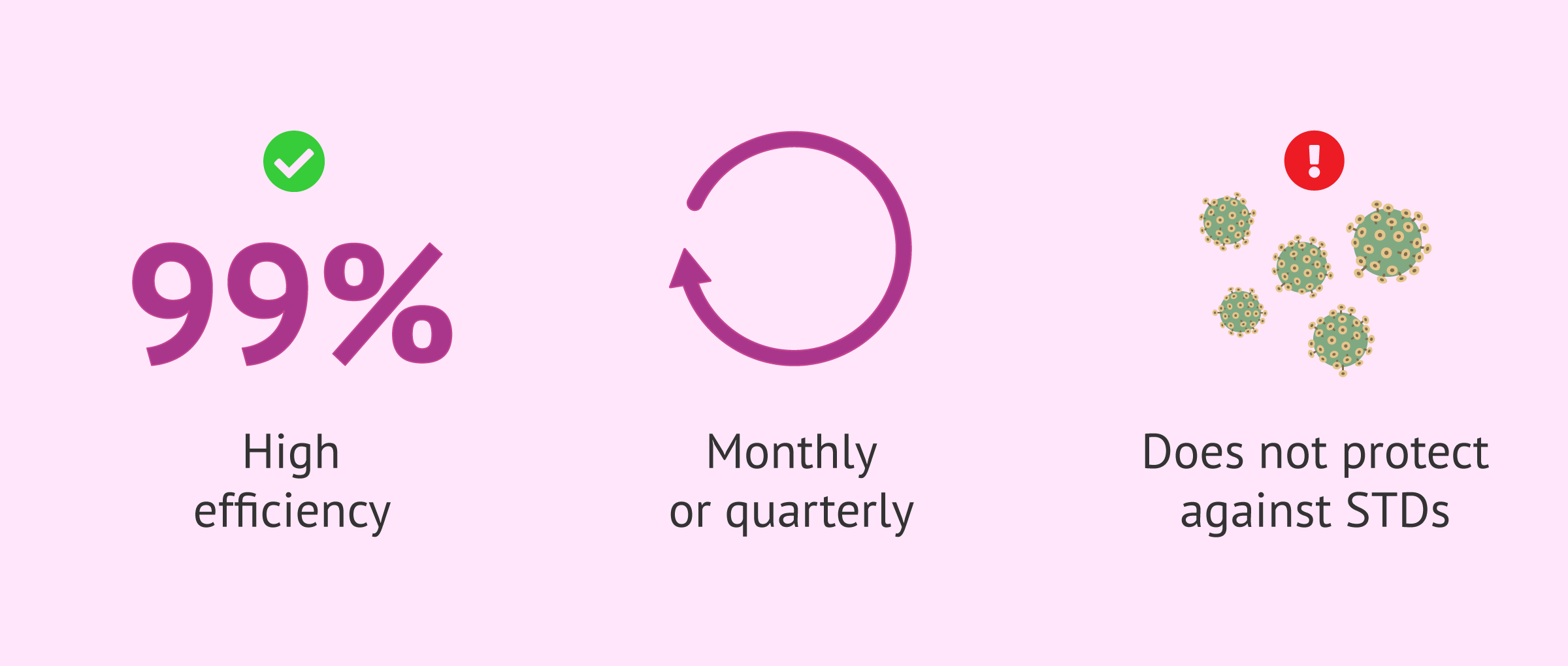
What is the contraceptive injection and how is it used?
The contraceptive injection is an injectable hormonal method of contraception, very effective if given at the right time. Injectable contraceptives also have a number of other benefits, but their use must be indicated by a physician who evaluates that it is the most appropriate contraceptive method for the woman.
Read more
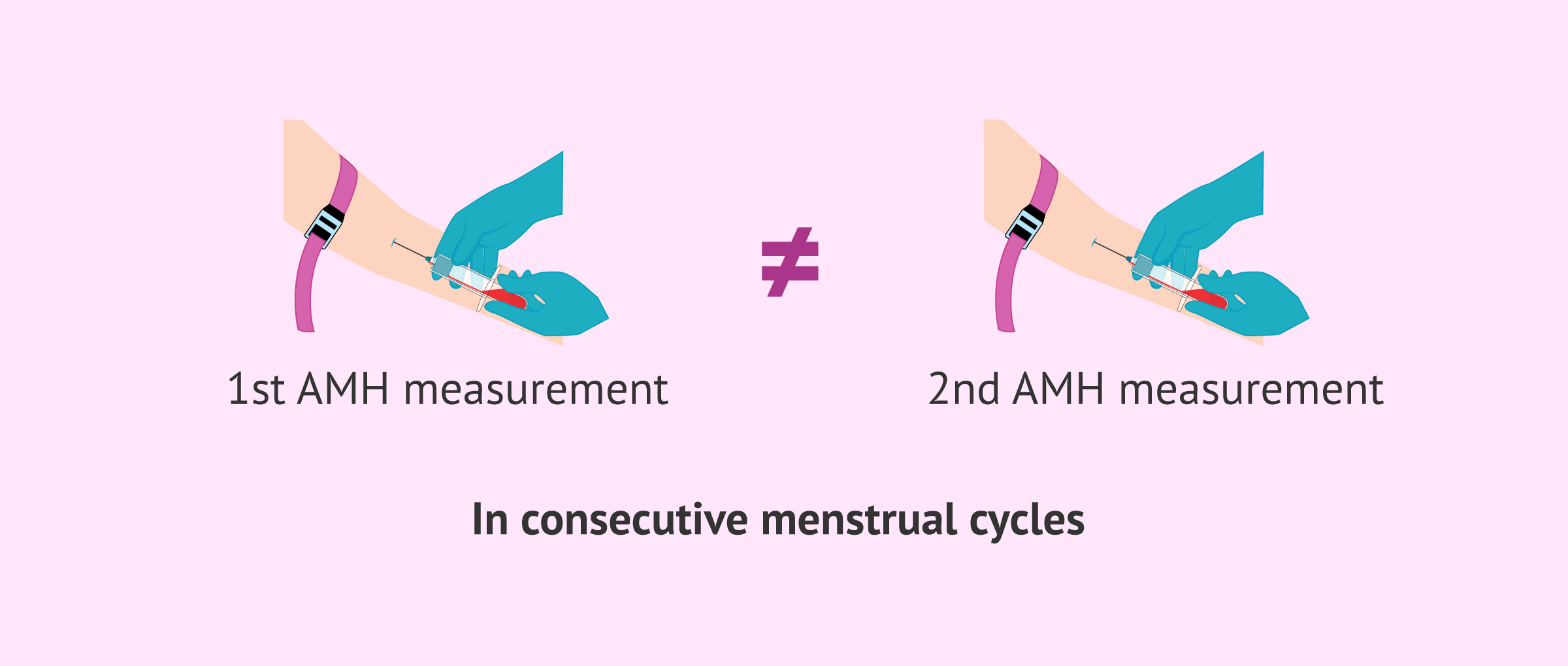
Anti-Müllerian Hormone: Is a single ovarian reserve test enough?
A new study reveals that Anti-Müllerian Hormone (AMH) varies by 44% from one cycle to another, which can cause misdiagnoses of ovarian reserve. Discover why repeating the test just before treatment improves the prognosis of the eggs obtained.
Read more
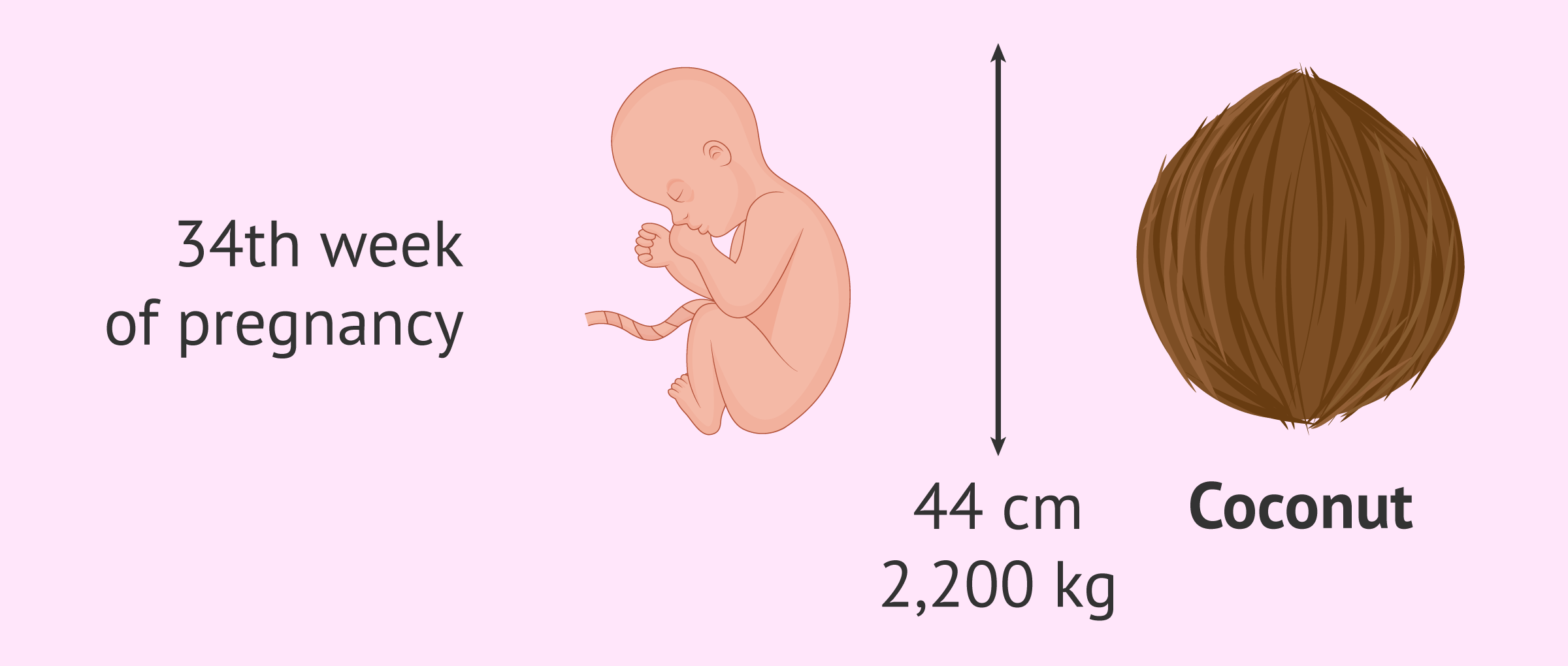
34th week of pregnancy: changes in the baby and the mother
The 34th week of pregnancy corresponds to the middle of the ninth month of pregnancy, so the woman is in the final stretch of pregnancy. The pregnant woman may feel a pressure in the vagina that makes her feel uncomfortable, as the foetus has wedged itself into the pelvis and is preparing to come out.
Read more
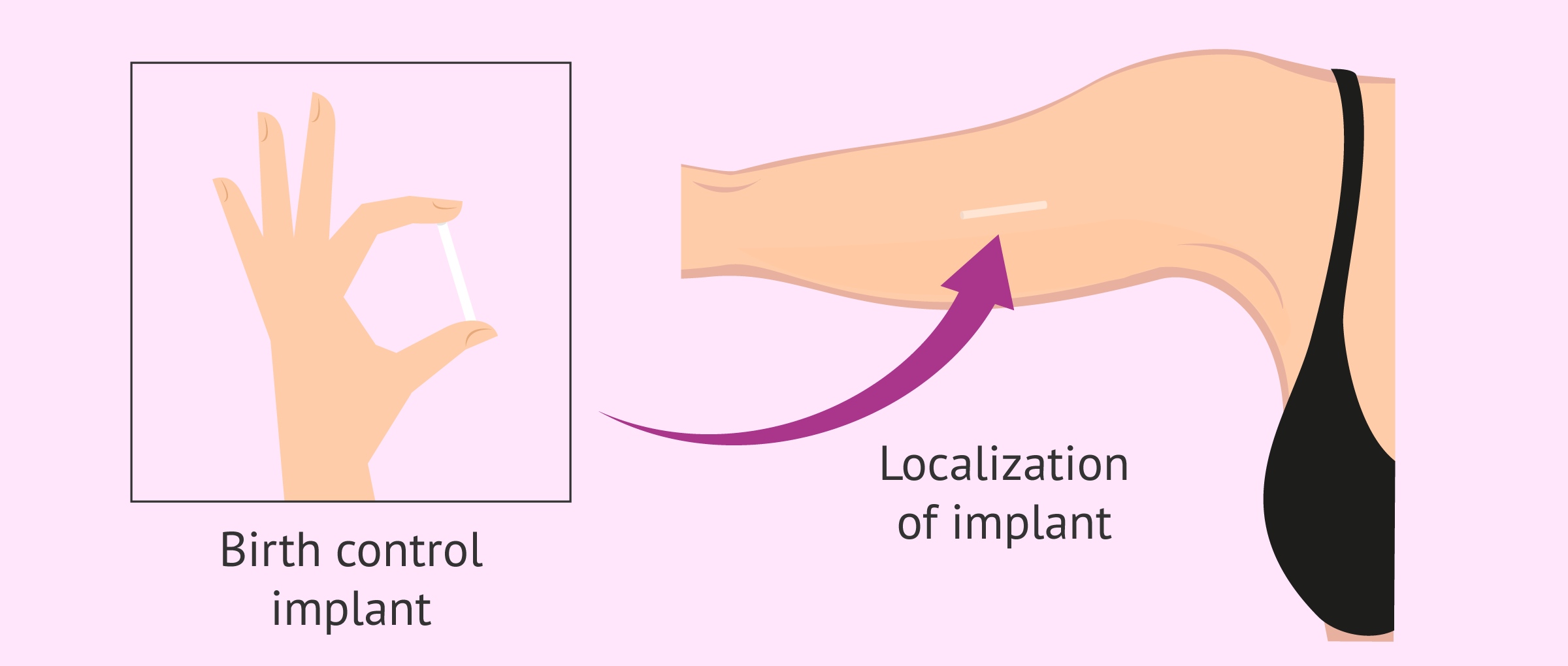
Birth Control Implant: Advantages and Disadvantages
The contraceptive implant is a method of prolonged use to prevent pregnancy. Depending on the type of implant you can prevent pregnancy for 3 or 5 years thanks to the continuous release of progestogens in low quantities.
Read more

