
Featured Publications
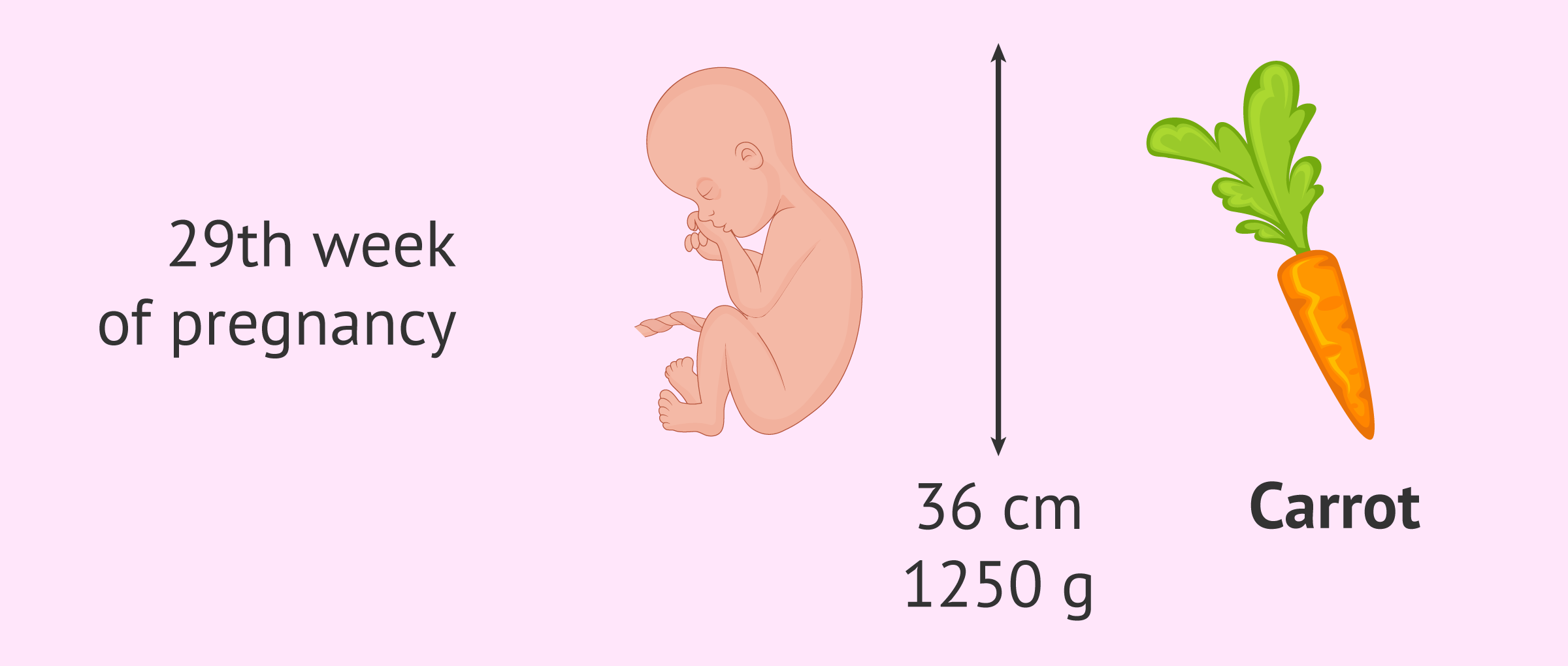
What is the 29th week of pregnancy like? Changes in the baby and the mother
During the 29th week you will probably be able to clearly distinguish all the movements of your baby; on the other hand, you will feel more pressure, because your baby's dimensions have increased, with less space for your organs.
Read more
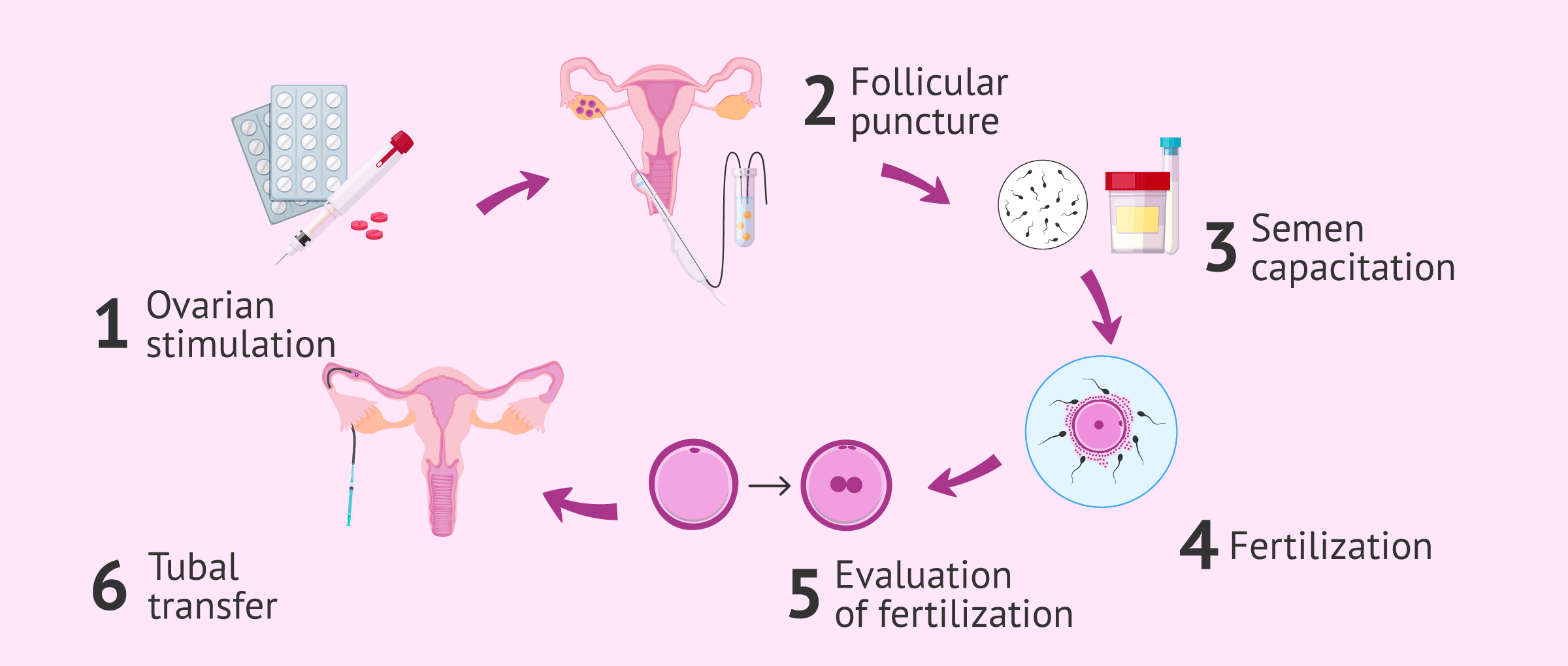
Intrafallopian zygote transfer - Advantages and disadvantages
Also known as zygote intrafallopian transfer or ZIFT, zygote intrafallopian transfer is an assisted reproductive technique in which zygotes are inserted directly into the woman's fallopian tubes. However, ZIFT is in disuse because it is more invasive than other techniques.
Read more
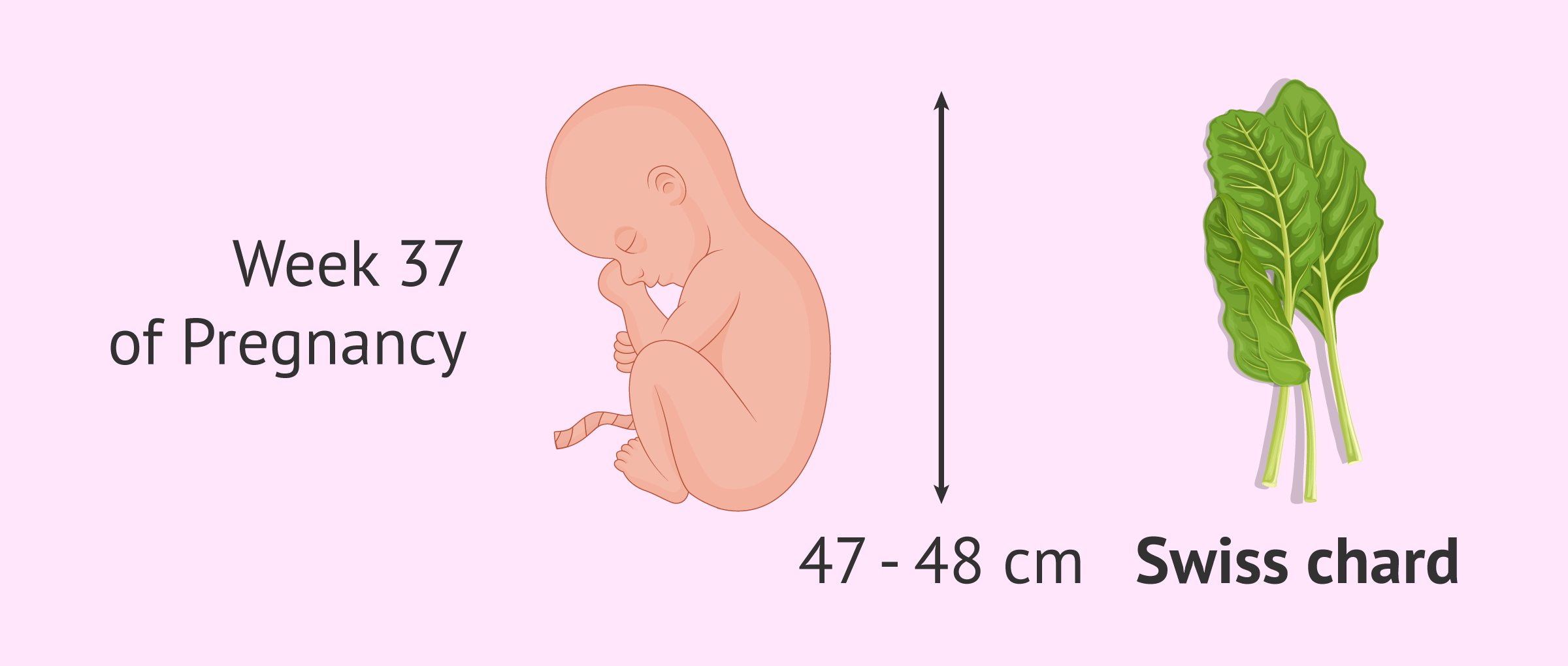
Week 37 of pregnancy: What changes are there in the baby and the mother?
In week 37 of pregnancy, the baby continues to grow. If birth occurs in week 37 of pregnancy, it would no longer be considered premature.
Read more

What is antiphospholipid syndrome (APS) and how does it affect pregnancy?
Antiphospholipid syndrome (APS) is a disorder that affects blood coagulation due to the presence of antiphospholipid antibodies (APA). This disease should be taken care of in pregnant women, as it is related to obstetric problems such as miscarriages, fetal loss and premature births.
Read more
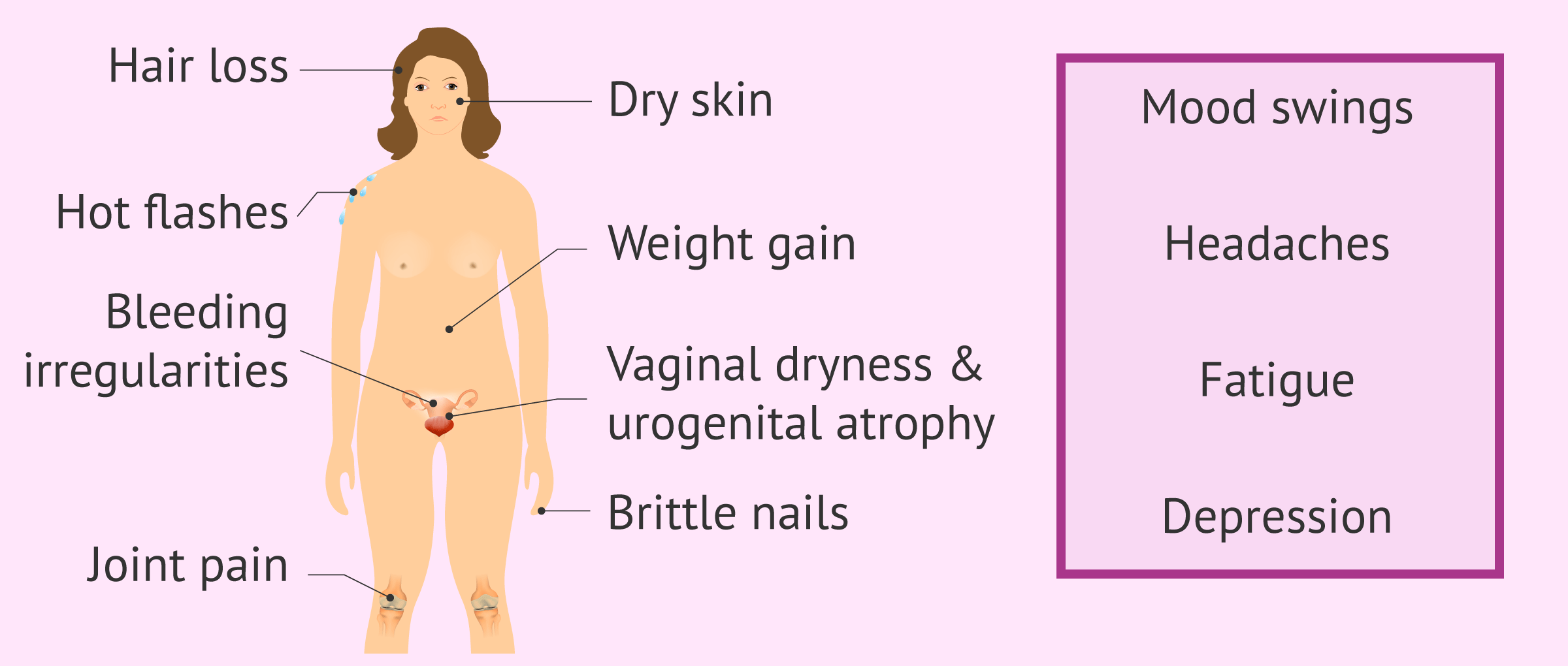
What Is Menopause? - Age, Causes, Symptoms & Treatment
Menopause is a stage of a woman's life that marks the ceasing of ovarian function after 12 months without menstrual periods. It is a gradual process that typically happens in your 40s or 50s, and it has a series of common symptoms like hot flashes, mood swings, vaginal dryness, cramps, dizziness, etc.
Read more
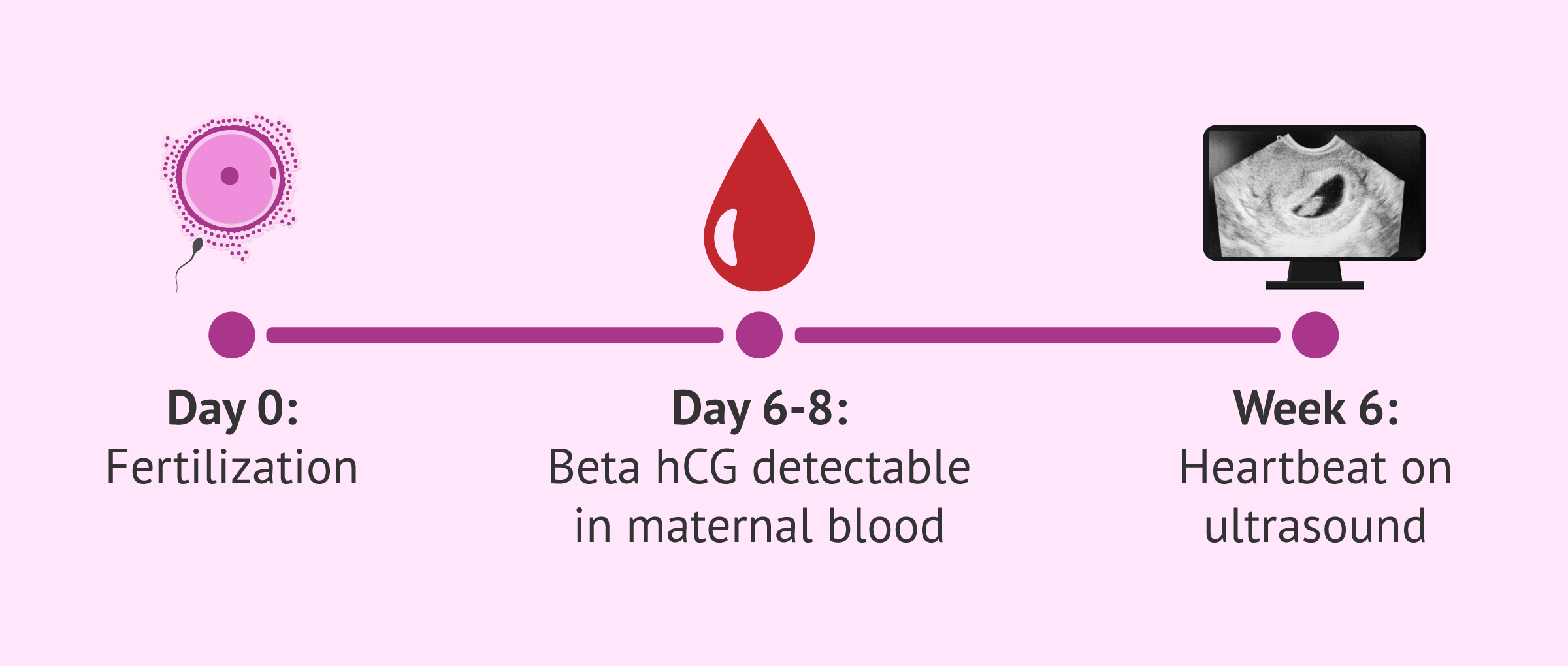
The incredible beta hCG data that defines pregnancy success
A new study establishes that specific early beta hCG hormone figures (such as its doubling in 48 hours) can predict with over 85% accuracy the birth of a baby after in vitro fertilization, providing greater peace of mind compared to traditional ultrasounds.
Read more
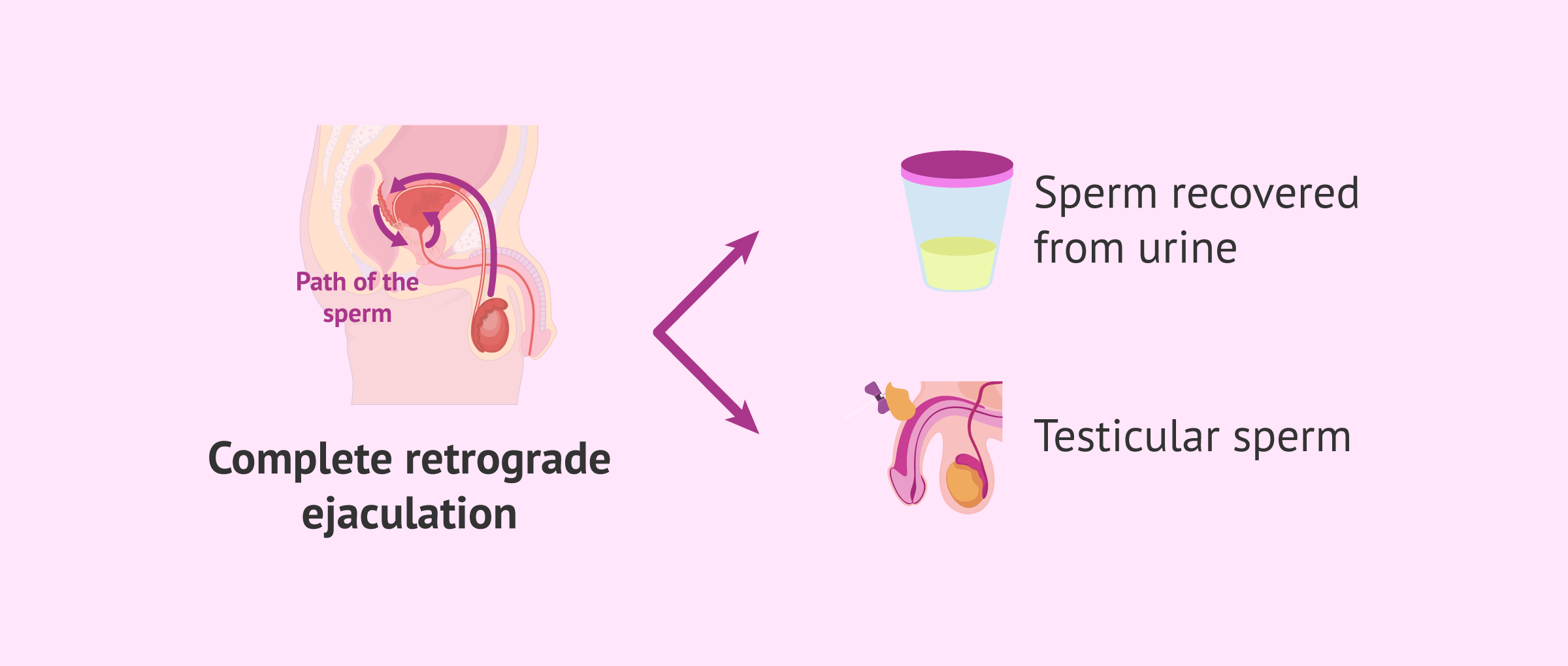
IVF with retrograde ejaculation: the secret to achieving pregnancy
A recent study shows that obtaining sperm directly from the testicle significantly increases pregnancy and live birth rates in patients with complete retrograde ejaculation, outperforming traditional urine retrieval in in vitro fertilization (IVF) cycles.
Read more
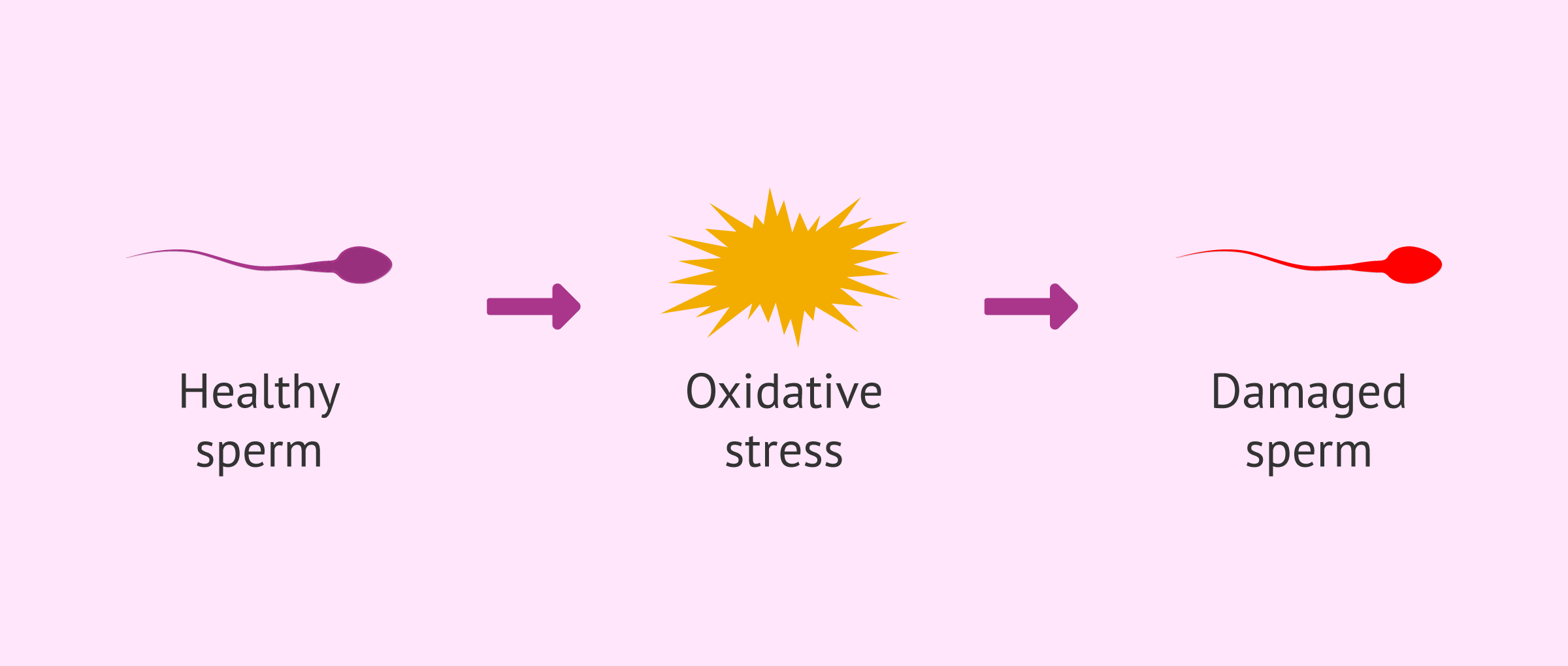
Male fertility and yoga: a habit that changes your semen
A new study reveals that habits like yoga can transform male fertility. In just six months, reducing stress through relaxation techniques has been shown to enhance sperm concentration and motility, being of great help in improving fertility.
Read more

What Is Perimenopause? Symptoms and Pregnancy Possibility
Perimenopause is the transition period until menopause. It usually happens in women between 40 and 48 years old and many of them experience recurrent symptoms.
Read more

What is the two-week wait? - Symptoms and tips after treatment
All couples trying to conceive, whether naturally or by assisted reproduction, have ever heard about the dreaded two-week wait or 2WW. Indeed, it is the time period between ovulation or the embryo transfer, and the moment when you can take a pregnancy test. Here's what you can expect and tips to survive it.
Read more
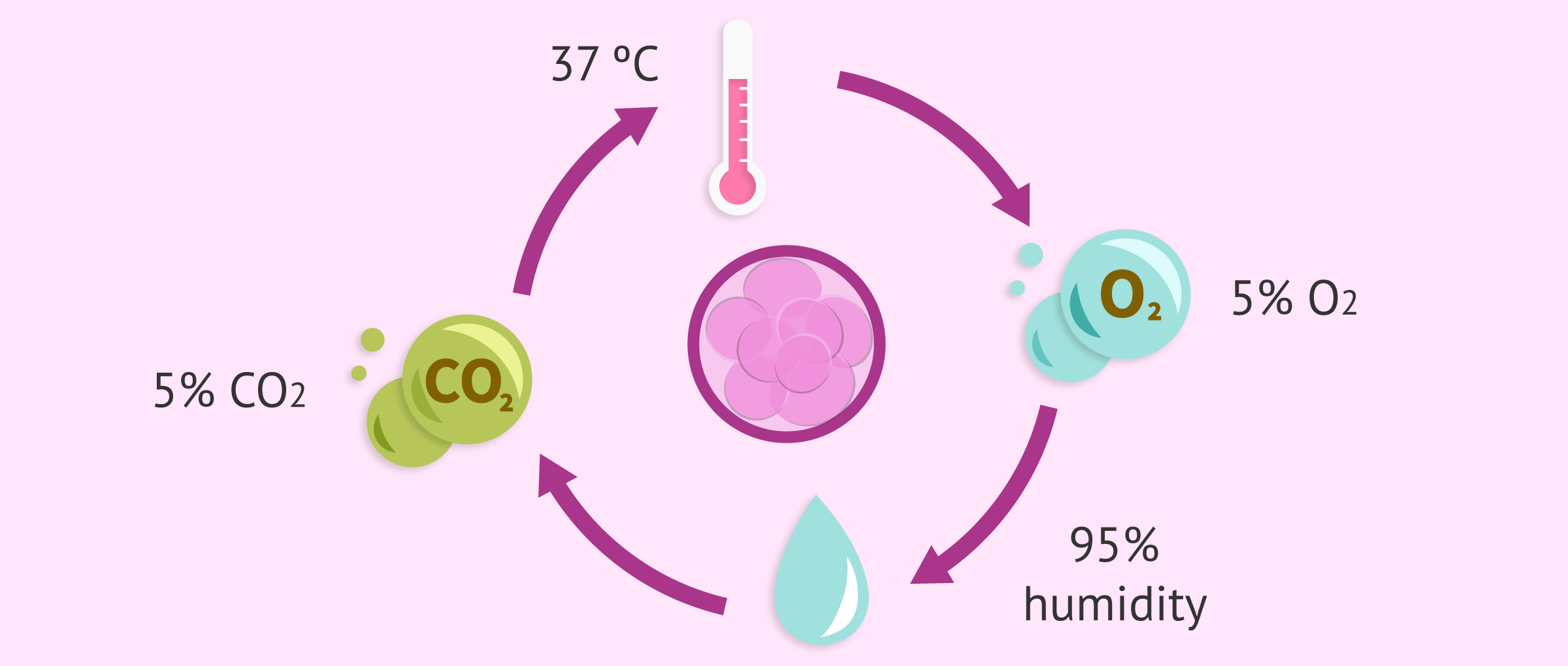
Embryo culture in the in vitro fertilization laboratory (IVF)
Egg and embryo culture is an essential phase of in vitro fertilization (IVF) treatments. It can be performed in short or long culture.
Read more
Daily habits hide severe sperm DNA damage
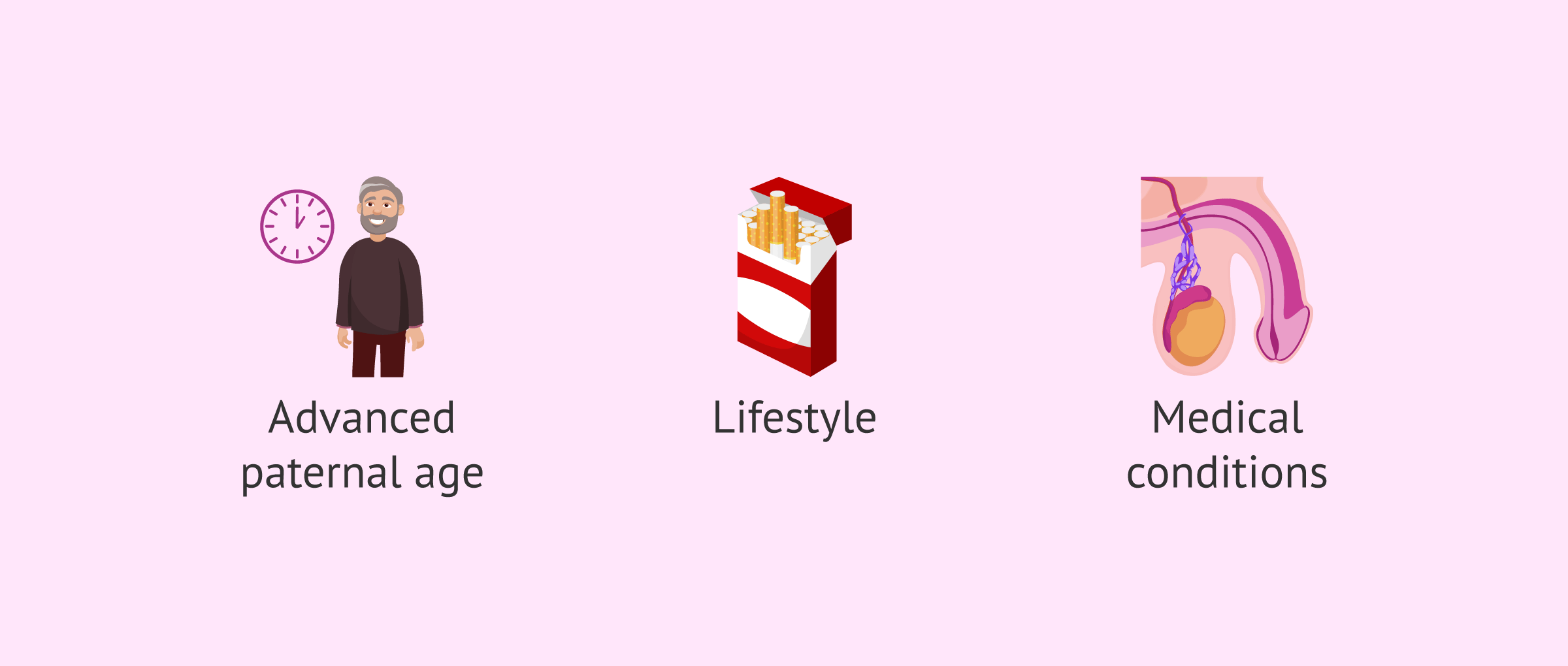
A new study reveals the impact of sperm DNA fragmentation on pregnancy success. We analyze what causes this genetic damage in sperm, how to detect it in time, and the most effective treatments, such as ICSI with testicular sperm, to achieve successful fertilization.
Read more

