How Does IVF Using Donor Eggs Work in the USA?
The cost of an in vitro fertilization (IVF) cycle may vary greatly from clinic to clinic according to the fertilization technique used (IVF-ICSI), in case donor gametes are used, the need to perform a PGD, etc.
The different sections of this article have been assembled into the following table of contents.
Contents
- 1.
- 2.
- 3.
- 4.
- 4.1.
- 4.2.
- 4.3.
Who can use it?
In case the eggs and/or sperm of the future parents are non-viable, that is to say, unable to produce a healthy embryo, or in case there is no partner or it is a same-sex couple, there is an opportunity to use donor eggs or sperm.


Here we shall focus on those cases of egg donation where the woman is unable to use her own eggs for IVF. Main causes why resorting to donor eggs is necessary are the following:
- Depletion of ovarian reserve (menopause, premature ovarian failure or POF…)
- Anovulation
- Recurrent miscarriage
- Advanced maternal age
- Genetic disorders
- Recurrent failed IVF cycles with own eggs
In the US, IVF using donor eggs is regulated by law nationally, although legislation varies from state to state.
Egg donor profiles
As stated hereunder, each US state establishes its own regulations when it comes to make provision in respect of egg donation. Among these requirements, the identity of the egg donor is considered to be a very important step within the process. Accordingly, two main egg donor options are incorporated:
- Anonymous egg donation: intended parents do not get to know the donor or learn which her features are. Choosing the potential donor is a matter of the egg donor agency or the fertility clinic, which will do so by matching her with the physical and immunological characteristics (blood type) of the intended parents. However, the intended parents can inform about which their preferences are.
- Known egg donation: in this case, two arrangements are available:
- The intended parents choose the egg donor. Typical egg donor profiles chosen by parents include friends, relatives or acquaintances.
- The egg donor agency (egg bank) or the fertility clinic offers a series of potential donors so that intended parents choose the one that best fits their requirements according to their physical characteristics, ethnic group, education level and social status, medical history, etc. In this arrangement, the selection can be done by just using an egg donor database or, conversely, the intended parents and the donor can meet in person and get to know each other.

In cases where intended parents prefer to choose the donor by themselves or even where there is a relationship between them and the potential egg donor, signing an agreement concerning the safeguarding of confidentiality of all parties involved is recommended. The confines of confidentiality between the donor and the intended parents shall be established before the donation process starts. Having legal representation for drawing up the contract and supervising the contract’s fulfillment is recommended for both parties.
Likewise, the donor and the recipient, together with their partners, must have a legal document explaining which are the limits regarding their rights and obligations concerning the baby.
Finally, it should be clear that the donor, whether she is selected by the intended parents or chosen from an egg donor database, must undergo a series of strict physical and psychological check-ups and medical tests in order to validate she meets the requirements to become an egg donor.
IVF variations
Egg donation implies a variation in the IVF process, not regarding the lab procedure itself but in in relation to the patient, since follicular puncture is not required.
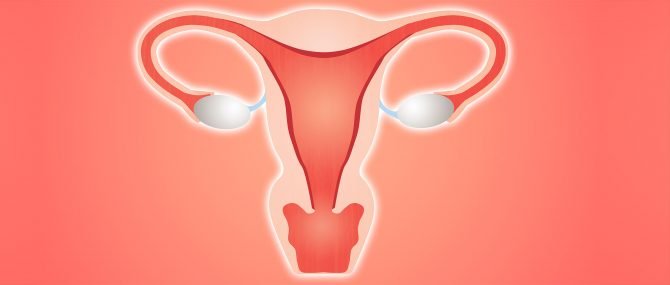
Since the eggs that are going to be used are donor eggs, the recipient does not have to take any medication for ovarian hyperstimulation. Conversely, preparing the endometrium to receive the embryos is necessary by taking a series of medications such as progestagenic drugs.
Once the embryos from donor eggs and husband or donor sperm are adequately developed and the recipient’s endometrium is ready, that is to say, when it presents a trilaminar appearance and a 7-10 mm thickness, the embryo transfer will be performed. The sole purpose of this process is to achieve embryo implantation and therefore pregnancy.
Another aspect to be looked at is whether the eggs used are going to be fresh or frozen eggs (vitrified). In case fresh eggs are used, synchronization between the donor and the recipient must be scheduled. In contrast, when frozen eggs are used, no synchronization is required.
How much does it cost?
The cost of an in vitro fertilization (IVF) cycle may vary greatly from clinic to clinic according to the fertilization technique used (IVF-ICSI), in case donor gametes are used, the need to perform a PGD, etc.
What's included?
Within the US, the cost of an IVF cycle using donor eggs may range from $30,000 to 65,000 depending on the above mentioned aspects. The price usually includes:
- Financial compensation of the egg donor ($5,000-10,000)
- Egg donation agency fees ($6,000-8,000)
- IVF laboratory equipment: culture media, sperm preparation for ART (i.e. sperm washing), retrieving and fertilizing the eggs, blastocyst culture, embryo freezing for 12 months, assisted hatching if necessary… ($18,000-26,000)
- Treatment for the egg donor: review of medical history, blood tests, medical and psychological assessments, stimulation of ovarian function medications… ($3,000-6,000)
- Costs for legal counsel, including an attorney for the donor and another one for the intended parents ($1,500)
- Medical insurance for the donor in case any problem arises ($400-600)
- Donor’s reasonable travel and accommodation expenses for attending the follicular puncture ($400-1,000)
Besides, there are further additional costs not included in the price, such as: embryo freezing and storing beyond the first year, genetic testing before transferring the embryo (PGD), further frozen embryo transfers (FET), sperm donation...
In cases of frozen donor eggs, neither the medications for the recipient ($500-$1,000) nor those for the donor ($2,000-$4,000) are included.
How to cut the cost of egg donation
Within the US, fertility treatments involve high costs, especially when resorting to egg donation is necessary, since this procedure makes the IVF process way more expensive. For this reason. egg donor agencies and fertility clinics from the US offer their patients flexible financing alternatives to make the treatment affordable for everyone.
In some American clinics, there are three different options to choose from as regards egg donation and, of course, the price will vary according to the option chosen:
- Conventional egg donation.
- Egg donation shared risk plan: it guarantees that a portion of the money will be returned in case of treatment failure.
- 100% money back guarantee if no baby is delivered, excluding medical insurance and egg donor fees.
Another cost-cutting plan available is the so-called egg sharing or shared egg donation, which you shall find explained hereunder. It is also worth noting that prices may differ depending on whether fresh or frozen donor eggs are used, being the latter the cheapest option.
Shared egg donation
In every conventional egg donation procedure, usually a recipient is allocated to each donor, which means that all the eggs retrieved from a single donor will be used for the same recipient. Thus, expenses from the egg donor will be fully paid by the recipient.

The main disadvantage of egg sharing is that the number of eggs obtained is lower, reducing therefore the chances of getting viable embryos capable of implanting to the endometrium.
In case you want to drastically reduce the cost of your donor-egg IVF cycle, resorting to shared egg donation or egg sharing is the recommended option.
Egg sharing consists of sharing the eggs of the same donor between more than a single recipient, usually two, or possibly three, recipients, depending on the number of eggs obtained.
Given that synchronization between the cycles of the recipient and the donor is necessary, turning to shared egg donation using fresh eggs becomes rather difficult, because the donor’s cycle should be synchronized with that of all recipients.
By sharing the egg donor between various recipients, the cost of IVF using egg donation can be cut in half.
We make a great effort to provide you with the highest quality information.
🙏 Please share this article if you liked it. 💜💜 You help us continue!