
When a man decides to undergo vasectomy in order to have unprotected intercourse without risk of conceiving, one should make sure that it has been 100% successful, that is, there is no risk of unintended pregnancy.
For this reason, doing several control semen analyses is necessary during the months post vasectomy in order to confirm whether the sperm count is zero. In other words, if the treatment has been successful.
Otherwise, if after some time there are still sperm in the ejaculate, then the vasectomy would not have worked and it would be necessary to repeat the intervention.
Provided below is an index with the 8 points we are going to expand on in this article.
- 1.
- 2.
- 2.1.
- 2.2.
- 3.
- 4.
- 4.1.
- 4.2.
- 4.3.
- 5.
- 6.
- 7.
- 8.
Advantages of vasectomy
A vasectomy is a type of permanent sterilization for males that involves the resection and ligation of the vasa deferentia of the male reproductive system. As a result, the man is expected to have obstructive azoospermia, that is, zero sperm count due to a blockage in the vasa deferentia.
This birth control method is permanent in almost all cases. For this reason, men who regret having had a vasectomy and wish to conceive in the future, will have to undergo a vasectomy reversal the aim of rejoining the two cut segments.
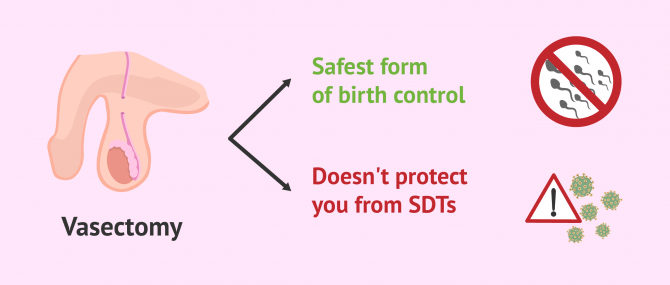
On the other hand, the following are the potential advantages of vasectomy:
- A vasectomy is a painless procedure that is very convenient for those males who don't want more children
- It doesn't lead to unpleasant intercourse, inhibit the capacity for the man to ejaculate, or lower sex drive
- The man will continue to have orgasms as usual
- Unprotected intercourse can be resumed about one week after the surgical procedure, provided that everything goes as expected
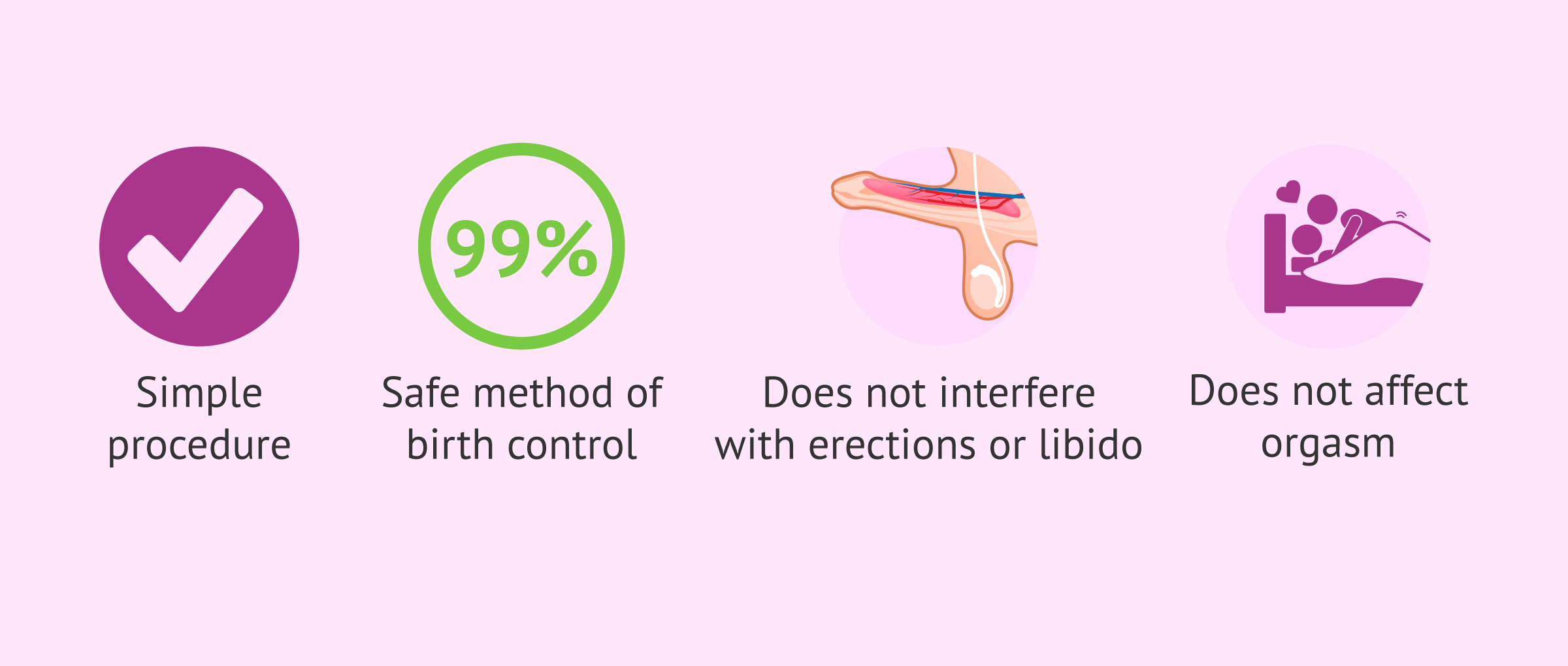
It should be noted that this technique does not protect against STDs (Sexually Transmitted Diseases), a major disadvantage if compared to the condom.
If you would like to learn more about vasectomy itself, we recommend you visit the following article: What is a vasectomy? The procedure its effectiveness explained.
Control semen analyses
The semen analysis or spermiogram is a test performed in male fertility studies to evaluate semen parameters such as the concentration, motility, or morphology of the sperm (among other things).
Therefore, the semen analysis is the ideal test to verify under the microscope that the ejaculate does not present any sperm after a vasectomy.
The fact is that the effectiveness of a vasectomy is 99%, although not immediately. It is necessary for the man to ejaculate a few times after the surgical intervention. This will ensure that he expels all the sperm that have remained in the seminal ducts and that would have the potential to cause a pregnancy.
Thus, after a vasectomy, it is necessary to perform serial control semen analyses until it can be guaranteed that sperm are no longer found in the ejaculate.
This is the reason why the couple must use an additional contraceptive method for a few months after the vasectomy, to avoid an unwanted pregnancy, until it is verified that the intervention has been successful.
Semen sample collection
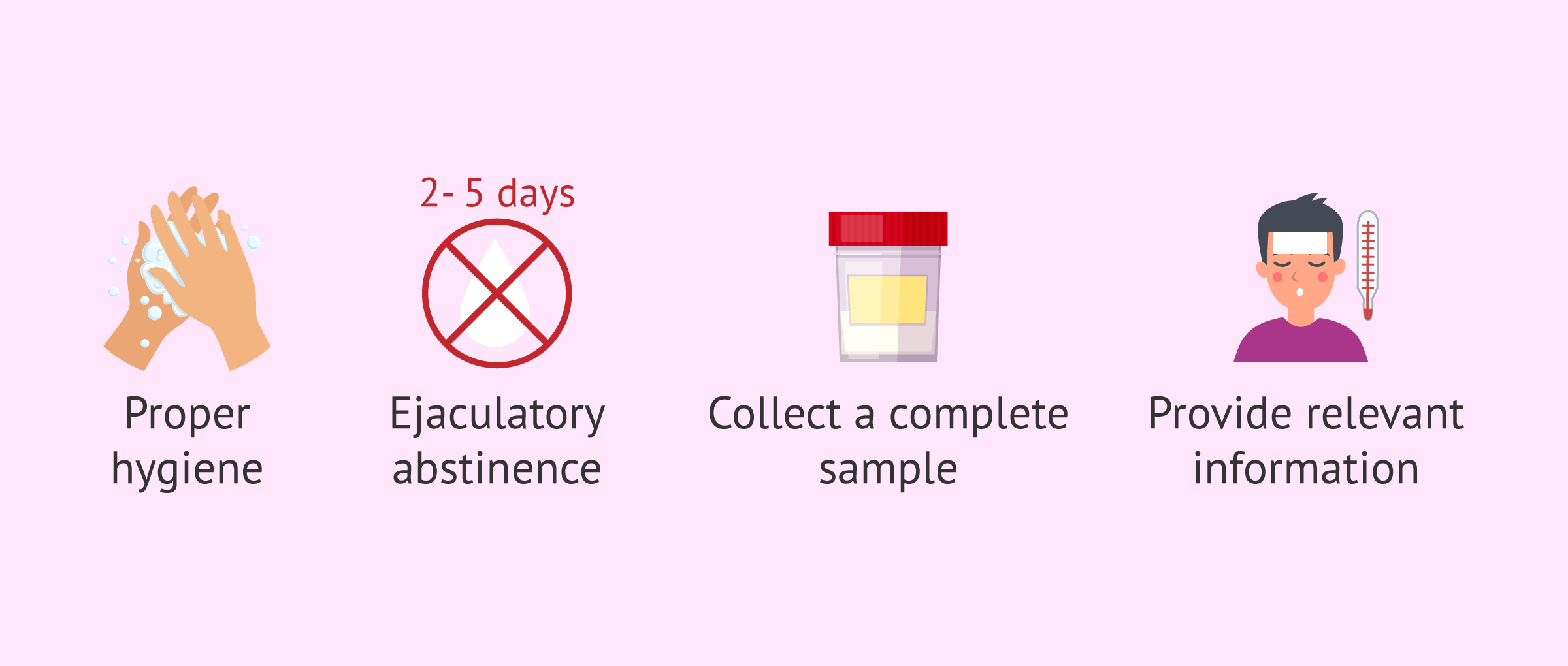
To perform the post-vasectomy control semen analysis, it is important that the man collects the semen sample correctly. This is collected by masturbation (after proper hygiene of the genital area and hands) in a sterile container, following a period of ejaculatory abstinence of 2-5 days.
In addition, it is important to inform the laboratory performing the semen analysis if the sample has not been collected completely, or if the patient has been sick or has taken any medication prior to the analysis.
Finally, it should be mentioned that if the sample is collected at home, it must be transported to the laboratory as soon as possible, protecting it from light and keeping it in a pocket close to the body to maintain its temperature.
When is it performed?
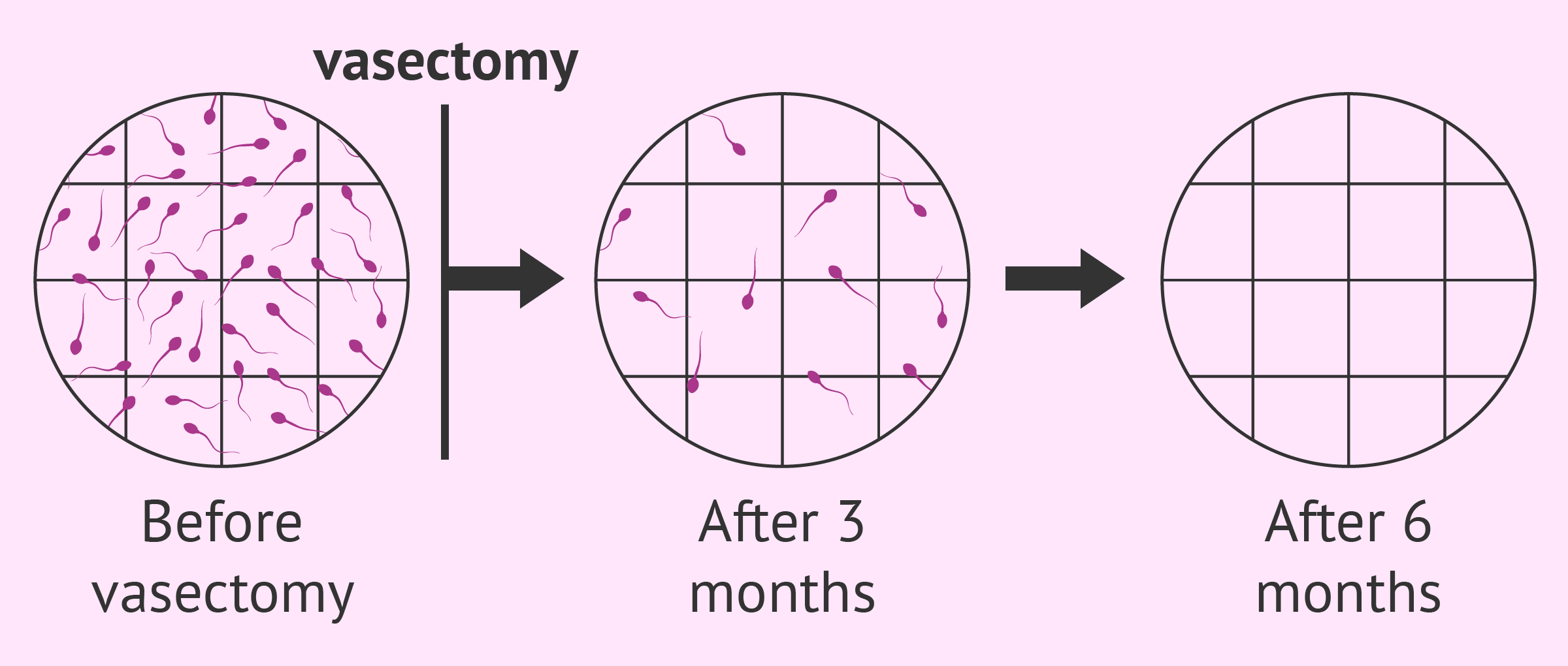
The first post-vasectomy spermiogram is performed three months after the operation. During this time, ideally, the man should have had at least 20 ejaculations.
A high percentage of vasectomized men no longer have sperm in the three-month control semen analysis and, therefore, do not require further follow-up.
If this is not the case, it will be necessary to repeat the semen analyses until sperm are no longer found in the patient's seminal sample.
On the other hand, some specialists also recommend performing an annual control semen analysis in order to ensure that a spontaneous recanalization of the vas deferens does not occur, although this is quite rare.
What happens if there are still sperm?
When interpreting the results of a post-vasectomy semen analysis, the following situations can arise:
- Azoospermia: indicates that no sperm have been found in the ejaculate sample and, therefore, the vasectomy has been successful. Generally, when this result is obtained, the vasectomized patient is given the all-clear.
- Presence of < 100,000 non-motile sperm: on some occasions, the urologist interprets it in the same way as azoospermia, but a new control semen analysis would be recommended to be more certain.
- Presence of > 100,000 non-motile sperm: it would be necessary to perform a new control semen analysis a few weeks later.
- Presence of motile sperm: similarly, if there are motile sperm in the ejaculate, the urologist will indicate another control semen analysis when a few weeks have passed.
In cases where a new control semen analysis must be performed, it is usually scheduled for six months after the operation. If sperm continue to appear, it will be necessary to assess whether to redo the vasectomy.

The fact is that it is not possible to give these patients the all-clear if sperm (especially motile sperm) are observed in the semen, since pregnancy is still possible even with severed vas deferens.
Whenever there is the presence of any motile sperm, however small the number, there is a risk of pregnancy.
FAQs from users
When is it recommended to check if the vasectomy has been effective?
A seminogram is usually requested three months after the vasectomy. Given that the period of production of the sperm is approximately 3 months, if azoospermia is proven after this period, it is possible to deduce that the testicle is functioning at full capacity after the surgery and that the section has been a success since no sperm reaches the exterior.
Can you still have live sperm after a vasectomy?
Yes, sterility after a vasectomy does not occur automatically. Although this surgery cuts the vas deferens, it is normal for viable residual sperm to remain in the ducts. Therefore, during the first few months after the vasectomy, those live sperm continue to be released during ejaculation.
However, the expulsion of these sperm does not depend solely on the amount of time that has passed since the procedure, but also on the frequency of ejaculations. Generally, between 20 and 30 ejaculations are required to clear the tubes.
For this reason, patients are advised to use another form of birth control, such as condoms, until post-vasectomy follow-up semen analyses are performed. Only when the laboratory confirms azoospermia—the total absence of sperm in the sample—can the patient be medically cleared, and the vasectomy considered a permanent method of birth control.
Is there a risk of pregnancy after vasectomy?
During the first few months after a vasectomy, there is a risk of pregnancy.
Although a vasectomy is a highly effective method of permanent sterilization, it takes some time to confirm that the procedure has been successful. Therefore, if you have unprotected sex before all post-vasectomy semen analyses have been completed, it is possible to become pregnant.
In addition, there have been cases of women who became pregnant years after their partners’ vasectomies, although this is highly unlikely.
Recommended reading
Men who change their minds and want to have children after vasectomy have no choice but to consider undergoing vasectomy reversal or IVF with Testicular sperm extraction (TESE). Check out this for information: Can You Get Pregnant After a Vasectomy? – Your Realistic Possibility.
The semen analysis is the most important test to evaluate male fertility. Get more info by clicking the following link: What Is a Semen Analysis Report? – Purpose, Preparation & Cost.
Community and Support
At inviTRA we work to make monthly and rigorous information accessible to everyone. If this article has helped you, consider supporting us so we can continue accompanying more people on their journey to parenthood.
References
Ahmad Majzoub, Nicholas N Tadros, A Scott Polackwich, Rakesh Sharma, Ashok Agarwal, Edmund Sabanegh Jr. Vasectomy reversal semen analysis: new reference ranges predict pregnancy. Fertil Steril. 2017 Apr;107(4):911-915. doi: 10.1016/j.fertnstert.2017.01.018. Epub 2017 Mar 7 (View)
Brian Z Rayala, Anthony J Viera. Common questions about vasectomy. Am Fam Physician. 2013 Dec 1;88(11):757-61 (View)
Daniel Beder, Sudhanshu Chitale. The clinical impact of British guidelines on post-vasectomy semen analysis. Cent European J Urol. 2020;73(4):558-562. doi: 10.5173/ceju.2020.0003.R2. Epub 2020 Sep 26 (View)
Jared Diederichs, Patrick McMahon, Johnathan Tomas, A J Muller. Reasons for not completing postvasectomy semen analysis. Can Fam Physician. 2019 Sep;65(9):e391-e396 (View)
Jasper C Bash, Jamie O Lo, Akash A Kapadia, Malachi Mason, Jason C Hedges. Vasectomy reversal outcomes in men after testosterone therapy. Sci Rep. 2022 Nov 14;12(1):19496. doi: 10.1038/s41598-022-22823-8 (View)
FAQs from users: 'When is it recommended to check if the vasectomy has been effective?', 'Do you shoot blanks after a vasectomy?', 'Can you still have live sperm after a vasectomy?', 'How long does it take for a man to become sterile after a vasectomy?', 'Why two sperm tests after vasectomy?' and 'Is there a risk of pregnancy after vasectomy?'.
Authors and contributors


More information about Michelle Lorraine Embleton


Hello, my semen analysis report after vasectomy says 1.5 sperm volume and 0 million per ml as regards the sperm count. How should I interpret the results? Successful or not? Will I get my wife pregnant if we have sex?
Hello Clark,
There are no sperms in your semen sample. In other words, your vasectomy has been 100% successful. You can enjoy unprotected sex with your wife without being worried about an unwanted pregnancy.
I hope this helps,
Best