
Assisted reproduction
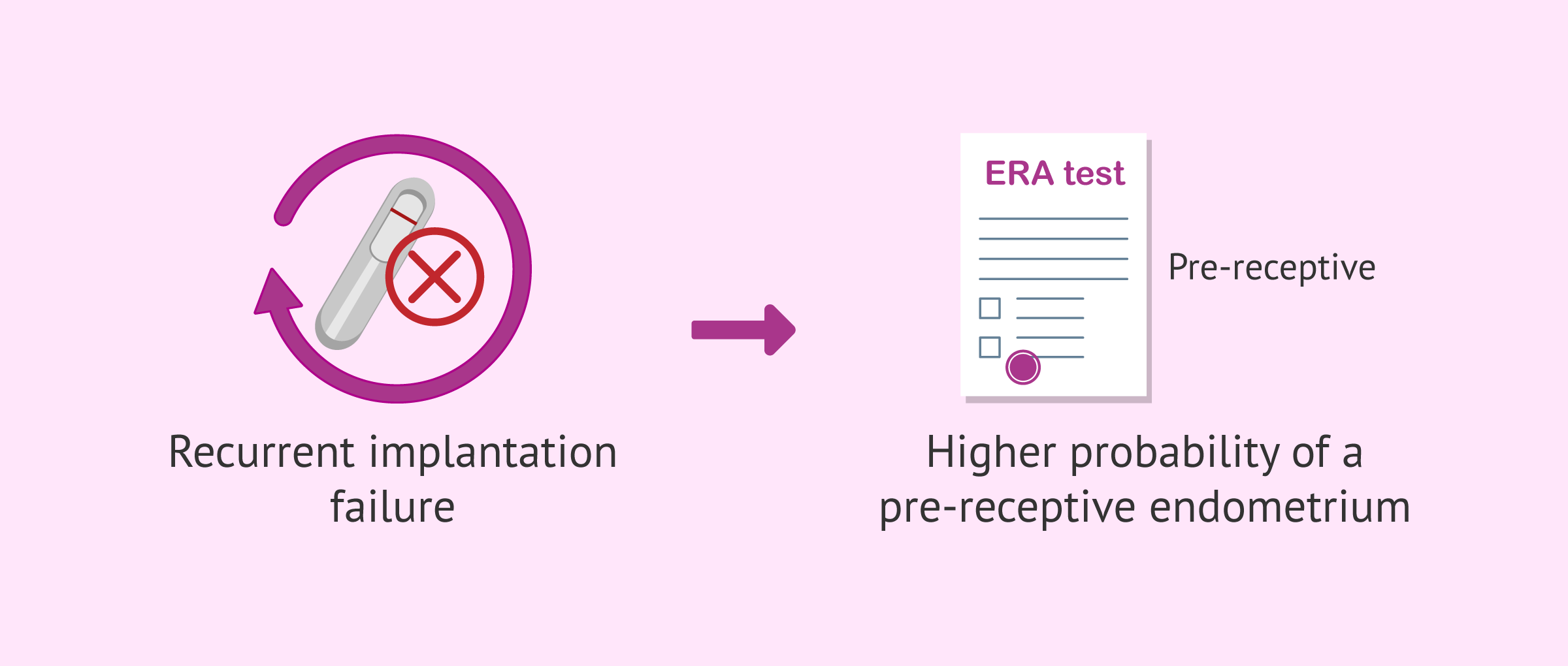
Endometrial receptivity and implantation failure
International researchers confirm that women with implantation failure suffer more alterations in their implantation window. The study highlights that advanced age and a long history of infertility are determining factors for indicating personalized endometrial receptivity tests. Read more
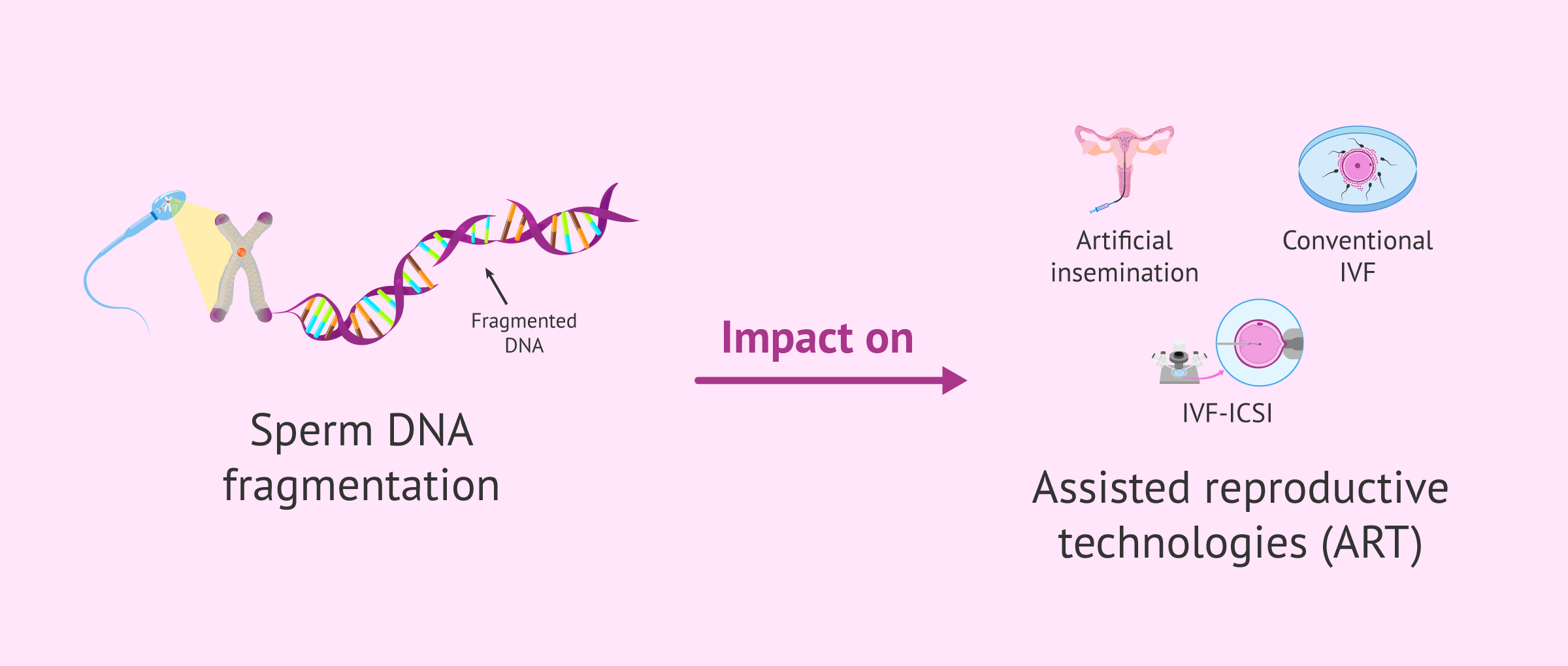
Damaged sperm DNA: impact on IVF, ICSI, and insemination
A systematic review assesses the impact of sperm DNA fragmentation on fertility. The results show a lower clinical pregnancy rate in IVF and artificial insemination, and a strong link with the risk of spontaneous abortion in ICSI cycles, suggesting the need for specific tests. Read more
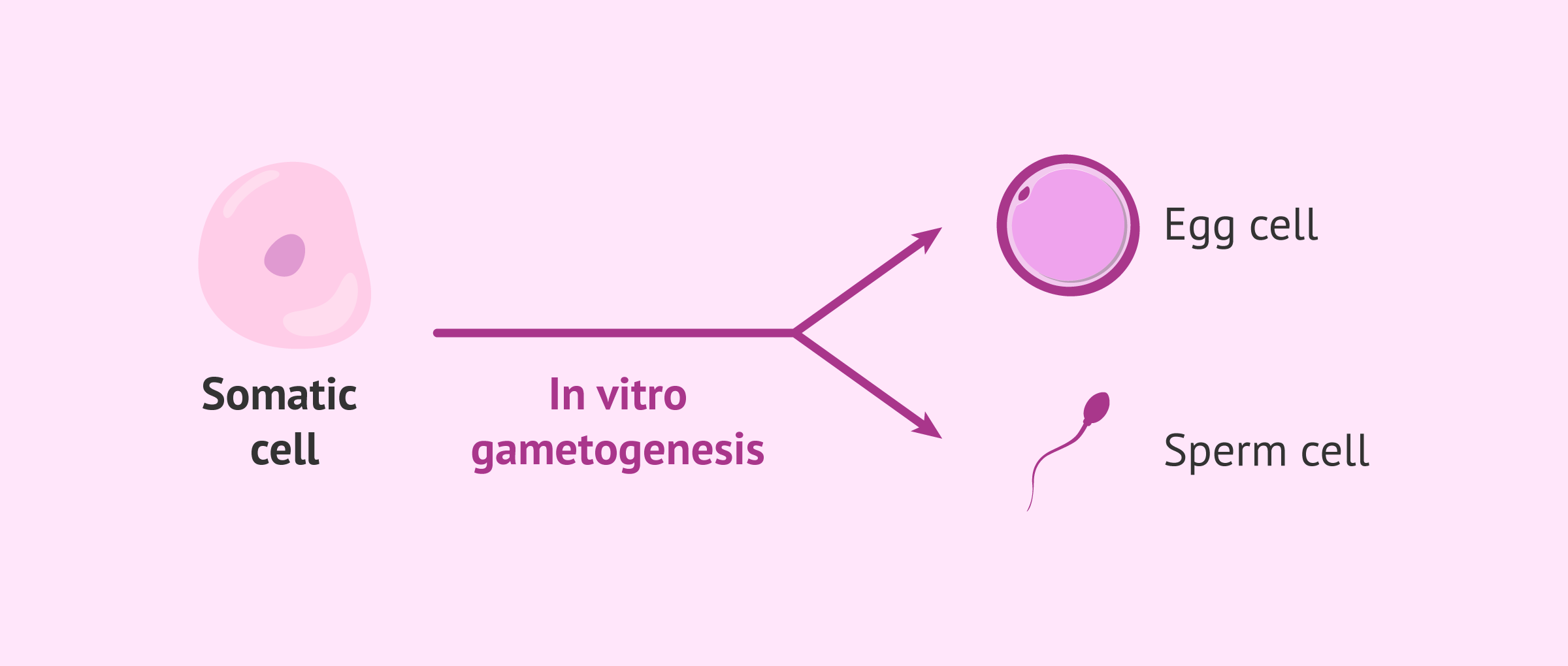
The latest major scientific advances in assisted reproduction
Assisted reproduction technologies are advancing at an unstoppable pace. Recent research highlights the role of artificial intelligence, in vitro gametogenesis, and stem cell therapies in improving success rates and offering new options to people with fertility issues. Read more
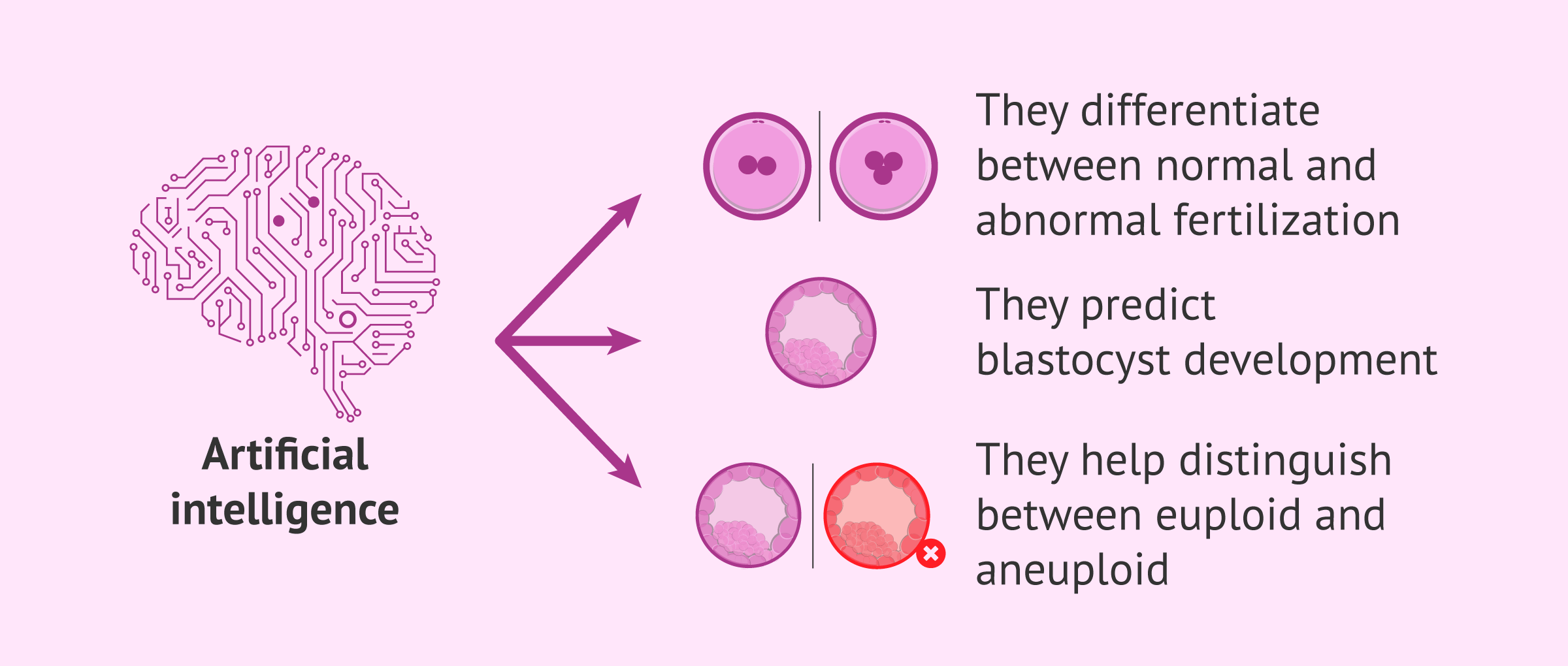
Artificial intelligence (AI) in fertility treatments
Can artificial intelligence help achieve pregnancy? Learn about the latest advances: from automating semen analysis to choosing the best embryo. AI enables more accurate and personalized fertility treatments, improving clinical success in in vitro fertilization. Read more
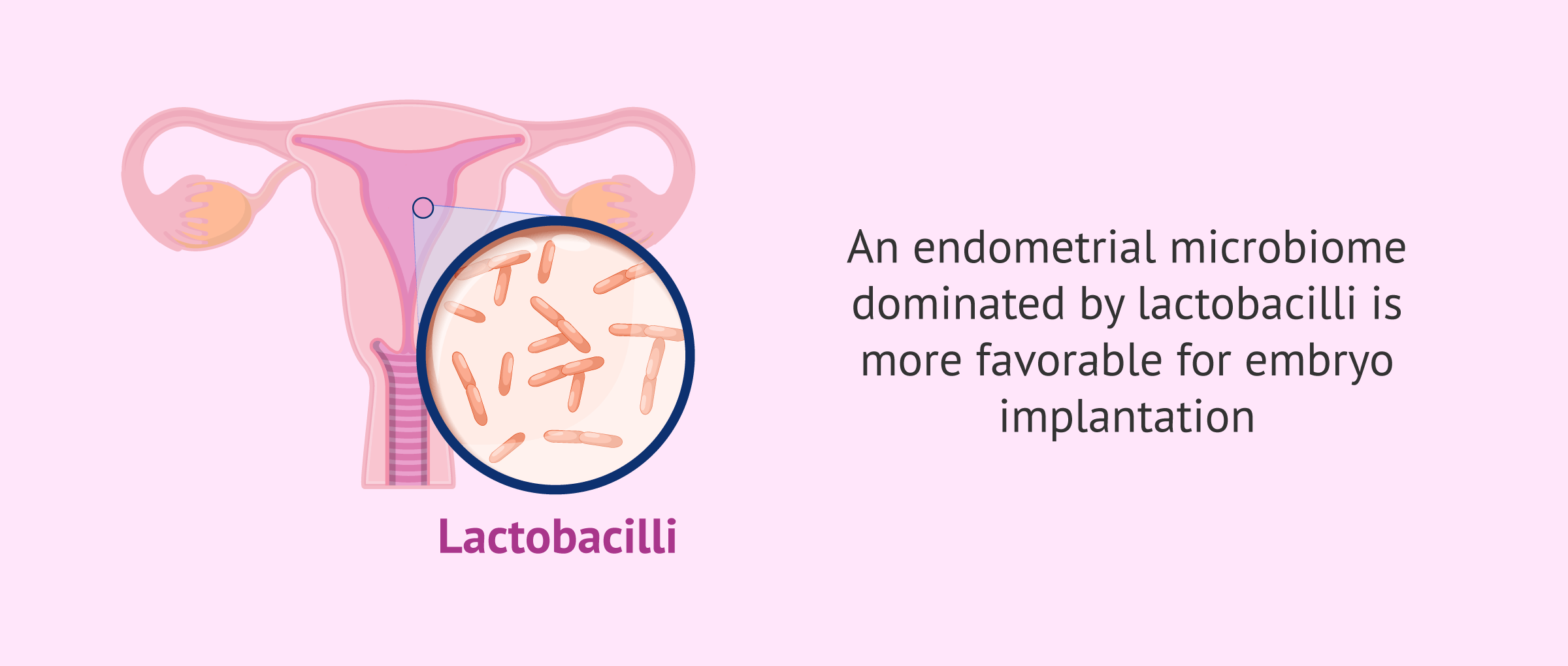
The endometrial microbiome alters the success of in vitro fertilization (IVF)
Increasingly, more attention and importance is being given to the role of the endometrial microbiota (the microorganisms present inside the uterus) in relation to endometrial receptivity and the possibility of embryo implantation after assisted reproduction treatment. Read more
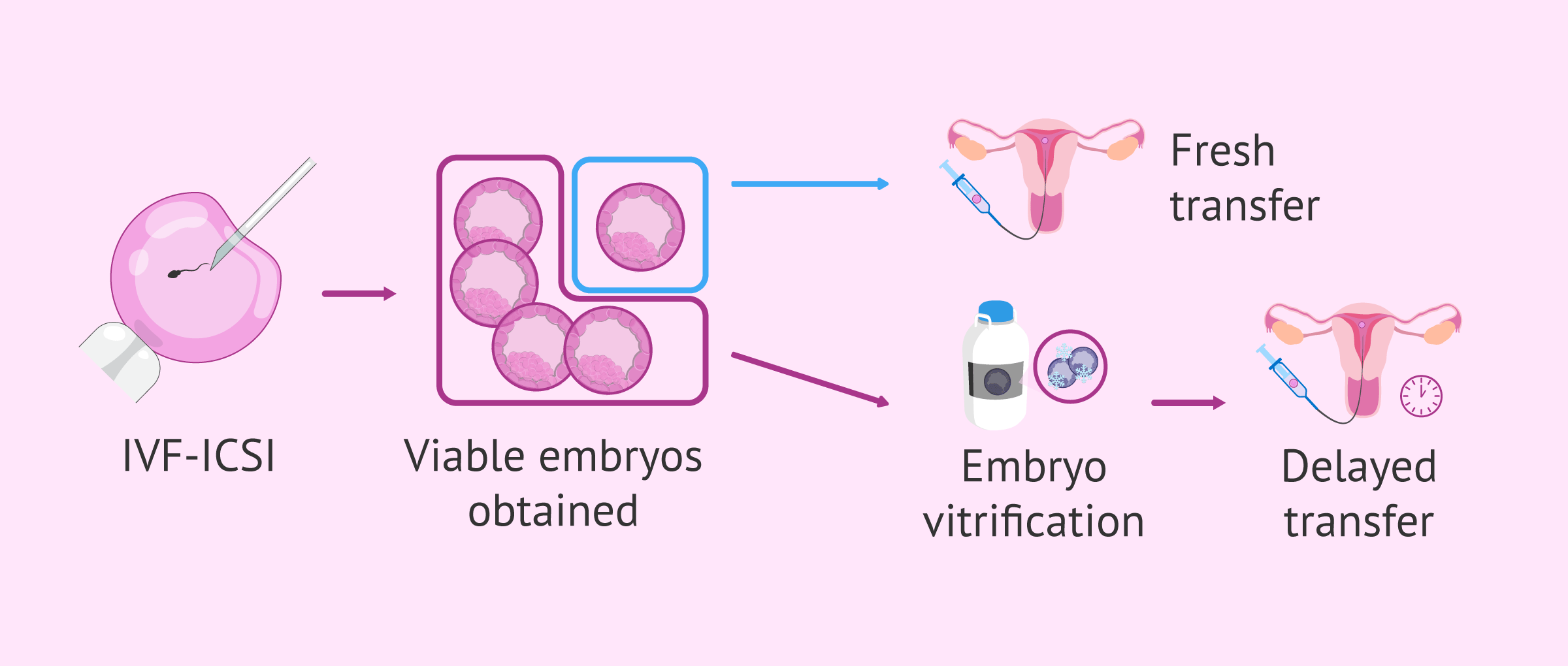
Frozen vs. fresh embryos: Does uterine preparation have an impact?
In assisted reproduction, frozen embryo transfer is common. This study evaluates whether there are differences in perinatal outcomes with fresh vs. frozen embryo transfer, as well as between different protocols for endometrial preparation prior to frozen embryo transfer. Read more
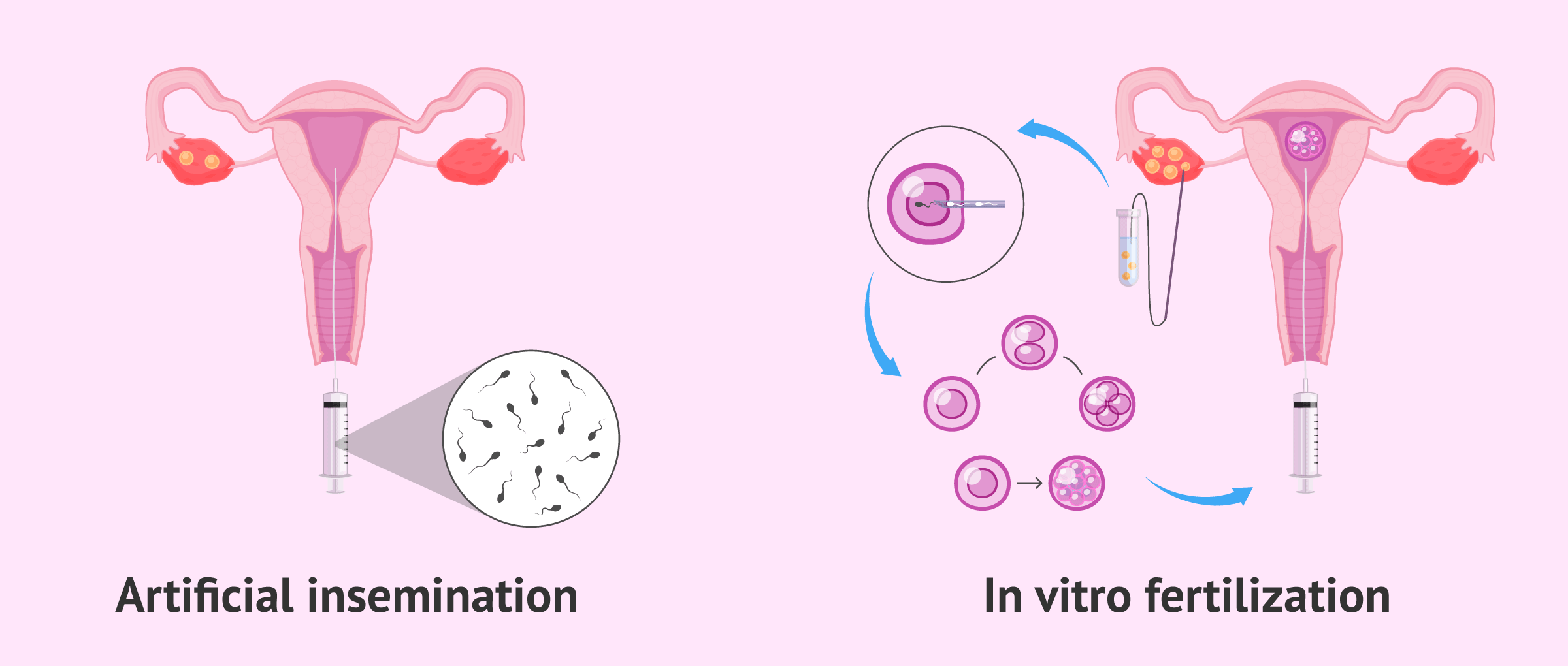
What are Assisted Reproductive Techniques (ART)? - Types & Costs
Assisted Reproductive Technology (ART) is the set of techniques and treatments recommended in cases of male and female infertility to achieve pregnancy. Read more
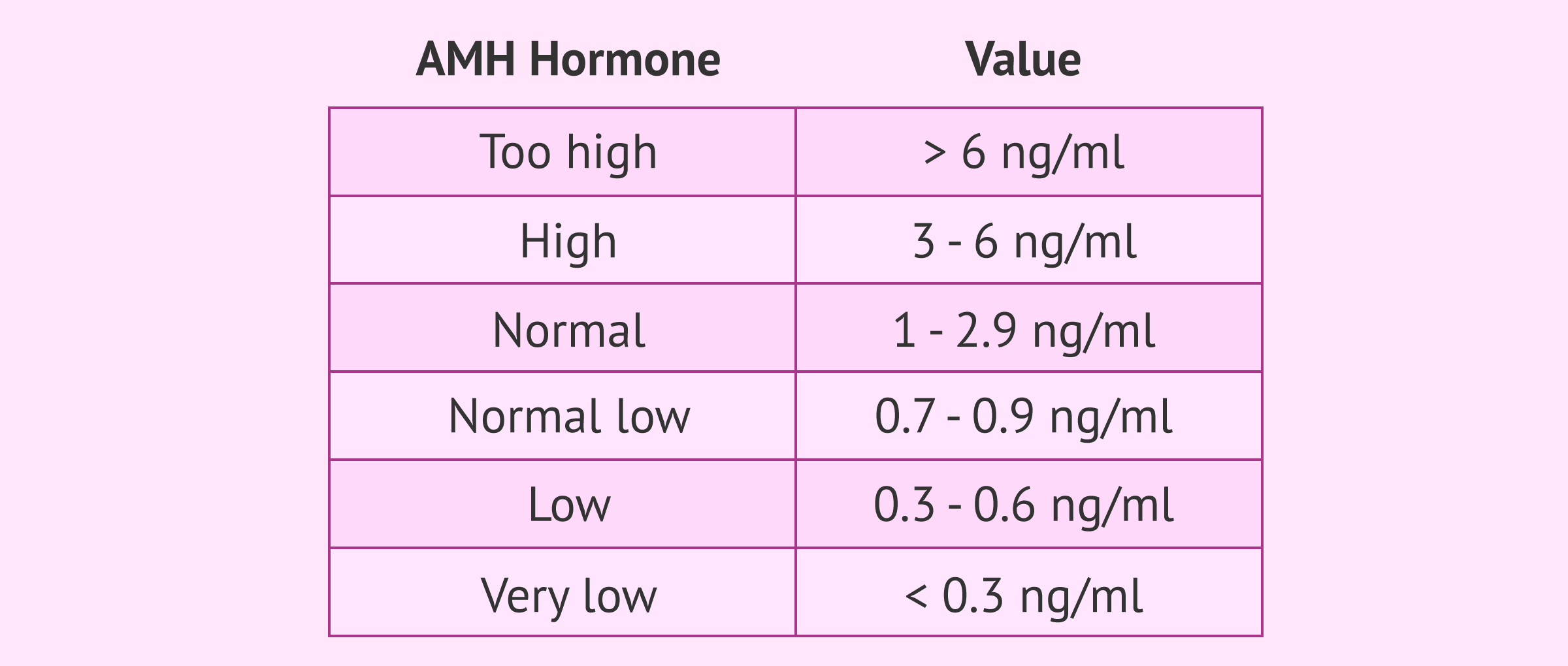
Anti-Müllerian hormone (AMH): its use in the study of fertility
The analysis of anti-Müllerian hormone (AMH) allows the assessment of female fertility, as it provides information on ovarian reserve and egg quality. Read more

What Is the Role of Estradiol Patches in IVF?
Evopad estrogen patches are used for endometrial preparation before embryo transfer. Another use of Evopad patches is to reduce or relieve symptoms that may appear in women who reach menopause. Read more
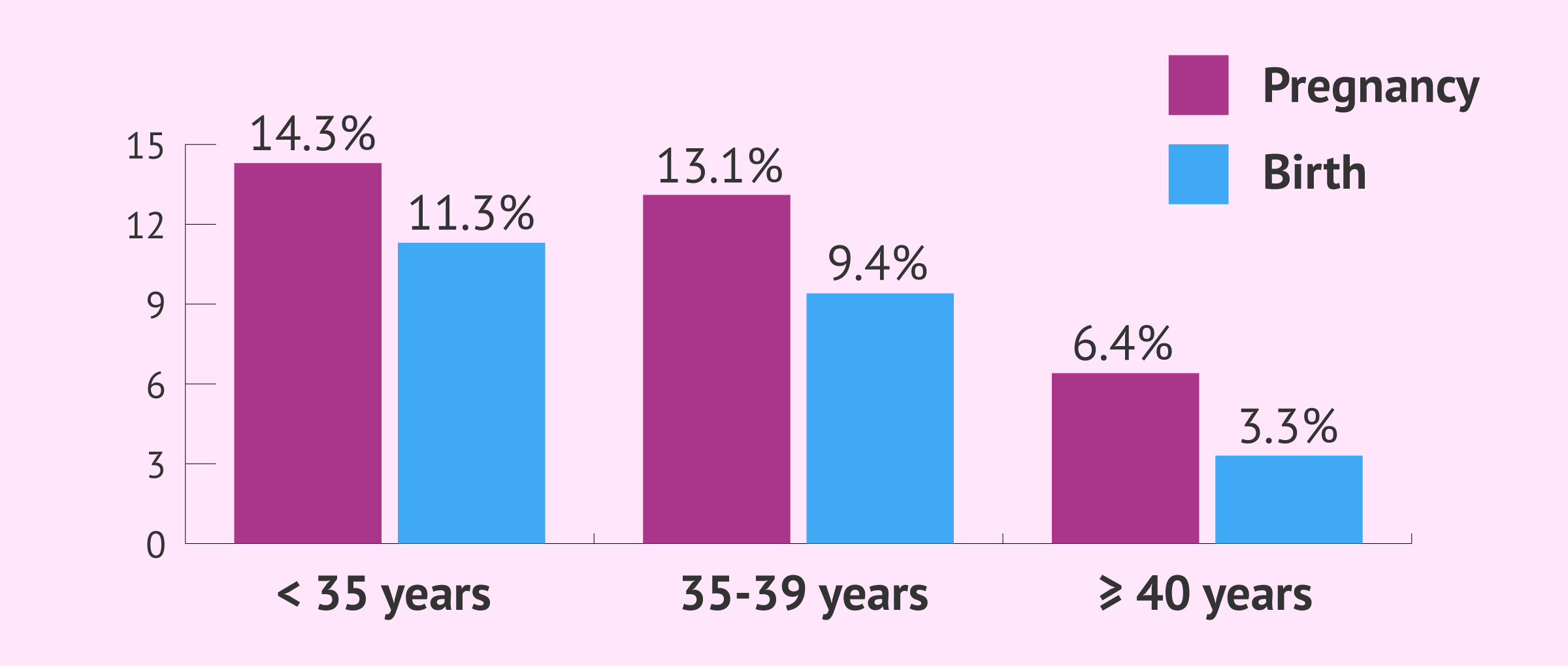
What is the probability of success of intrauterine insemination?
The chances of success of artificial insemination depend on several factors, such as using the partner's sperm or donor sperm, for example. Also, artificial insemination has a cumulative pregnancy rate, so success could be achieved after two, three, or four attempts. Read more
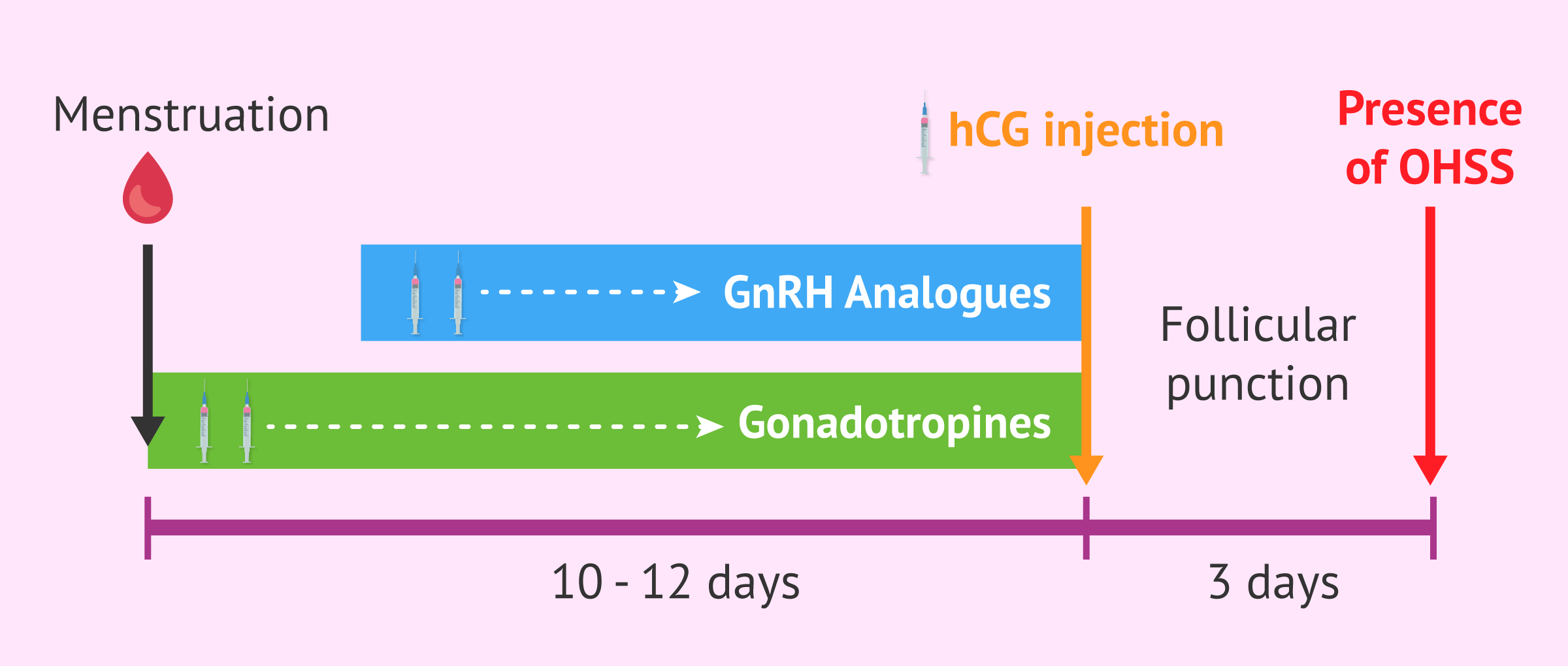
What Is the Ovarian Hyperstimulation Syndrome (OHSS)?
This syndrome occurs in women when an abnormally exaggerated ovarian response occurs. It may occur naturally or as a consequence of hormone administration during assisted reproductive treatments. Read more
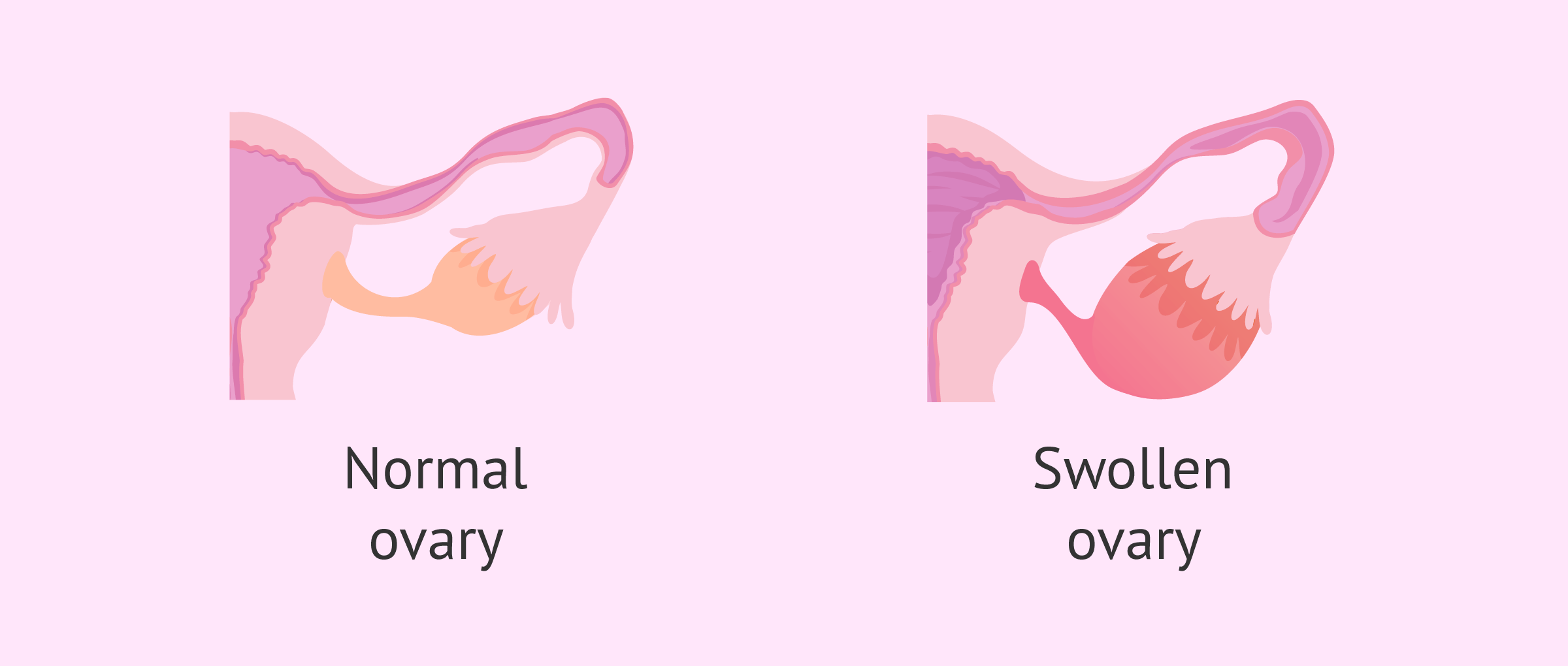
Ovarian inflammation: main causes and symptoms
Oophoritis is an inflammation of one or both ovaries and can occur for various reasons. The most common cause is an infection caused by E. coli, Streptococcus and Staphylococcus among other pathogens. Read more

