
endometriosis

Diseases and disorders that cause female infertility: warning signs
About 33% of infertility cases are due to a female factor and there are multiple alterations and diseases that can affect female fertility. Here we present the most frequent factors that cause female infertility, as well as the pathologies associated with each of them. Read more
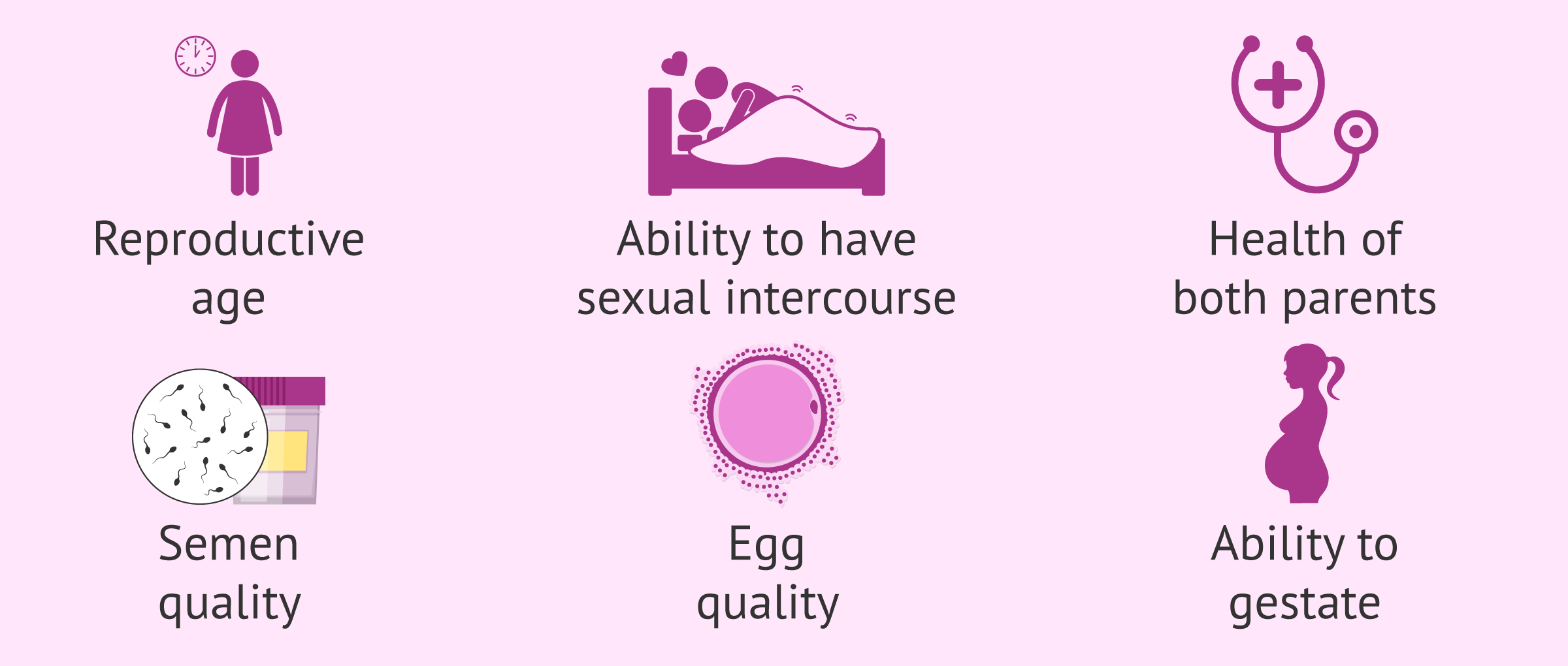
Male & Female Fertility Explained: What Factors Can Affect It?
Infertility in the couple is diagnosed after a year trying to conceive without success. It can be male or female infertility, or a combination of both. Read more

Diagnosis of endometriosis: analytical and imaging tests
Symptoms such as pelvic pain are not enough to determine the existence of endometriosis, but it is necessary to make a differential diagnosis with tests such as transvaginal ultrasound, blood tests or laparoscopy, among others. Read more
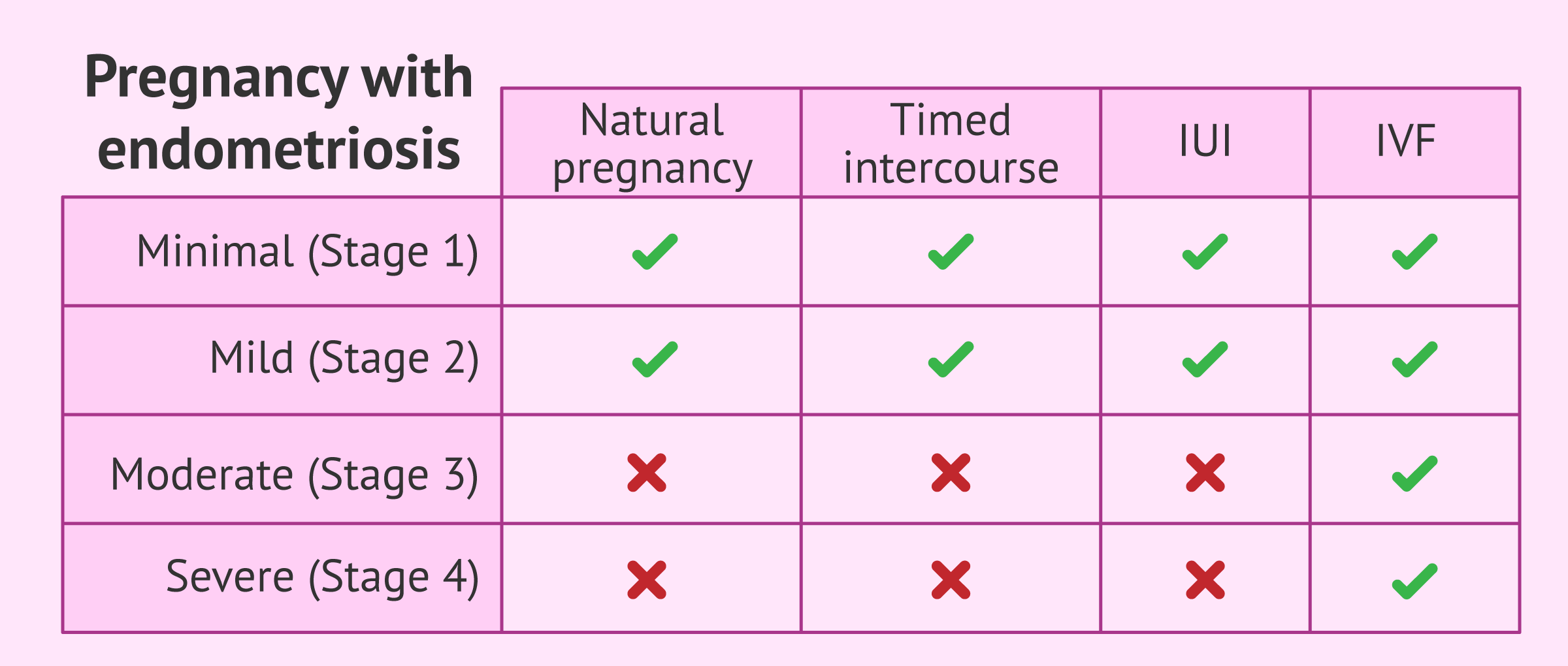
Can You Get Pregnant with Endometriosis? - Your Chances of Success
Endometriosis can affect a woman's chances of becoming pregnant naturally. The good news is that you can get pregnant with the proper treatment, including laparoscopic surgery, IUI, IVF and other fertility options that you can find explained in this guide to getting pregnant with endometriosis. Read more
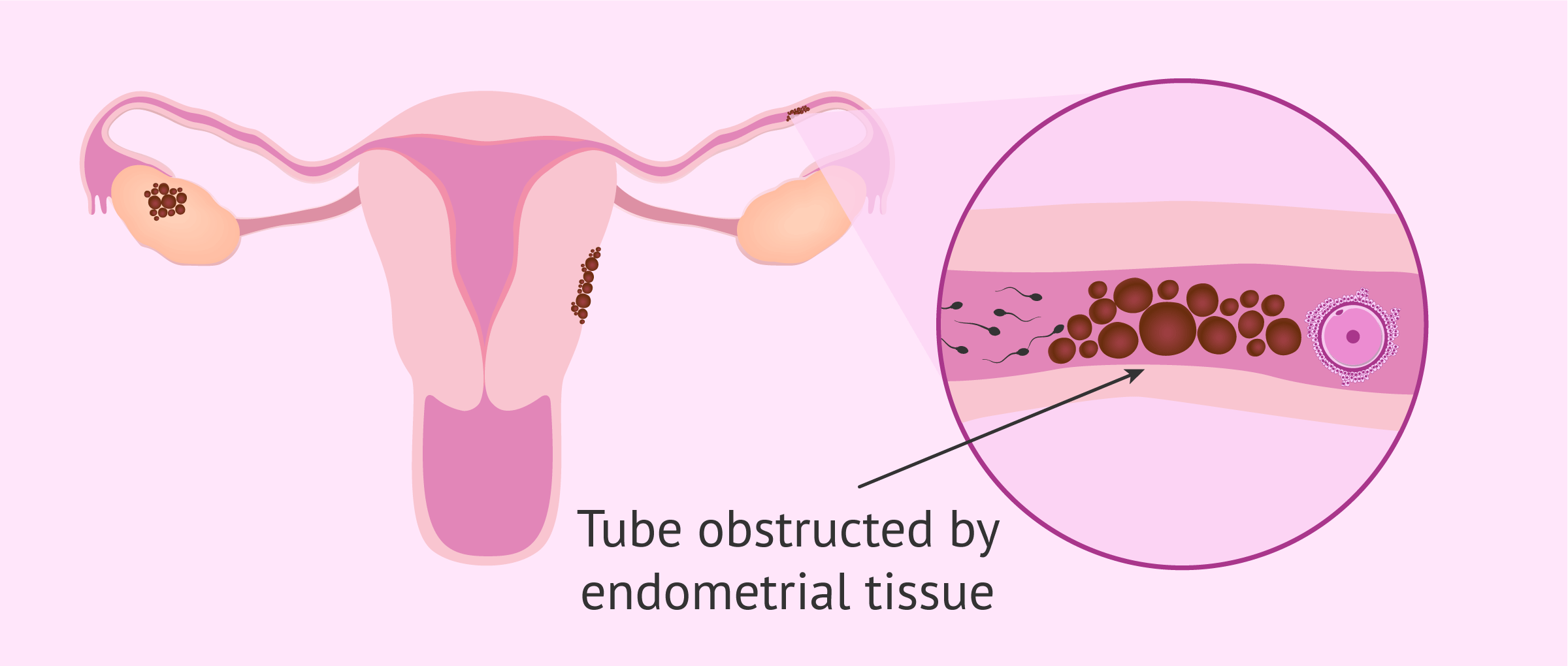
How does endometriosis affect a woman's fertility?
Endometriosis is a uterine pathology that causes infertility and hinders natural pregnancy. However, women with endometriosis can succeed in having a baby through appropriate assisted reproductive treatment. Read more
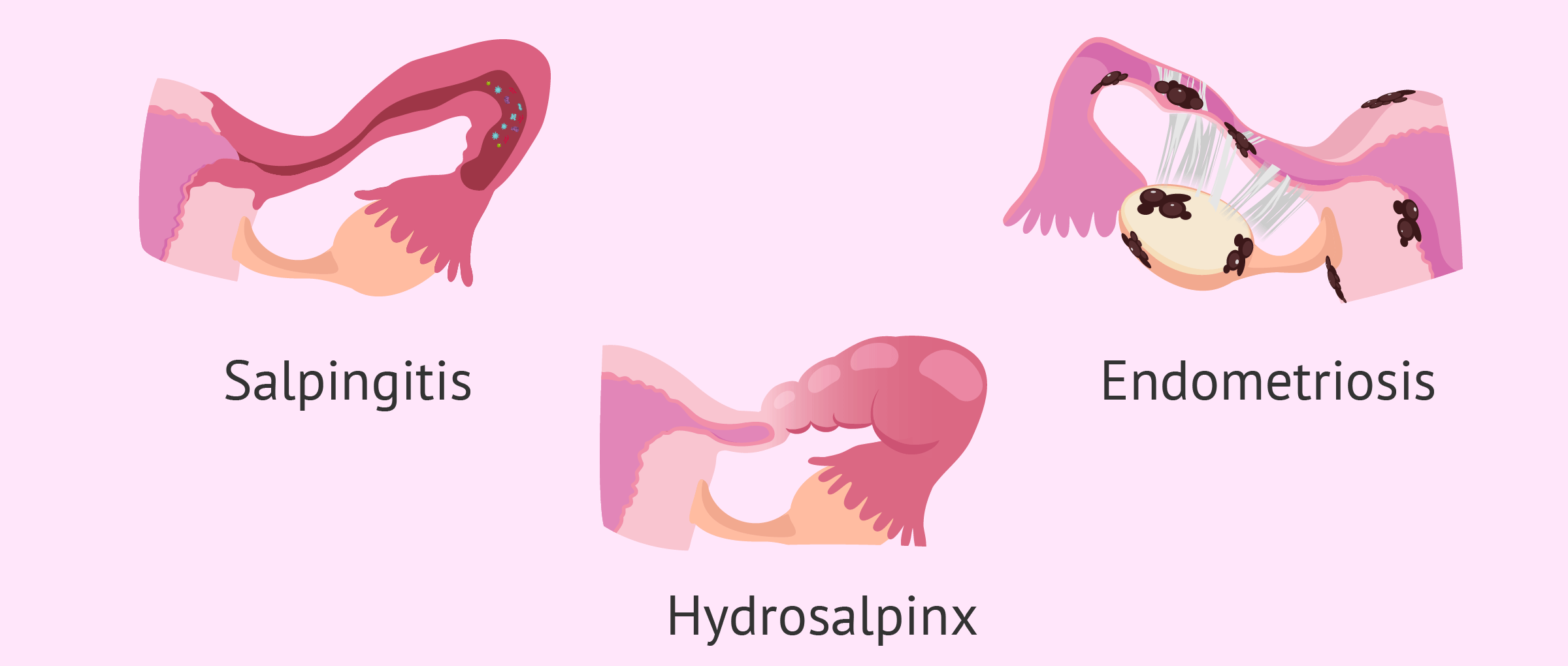
Blocked Fallopian Tubes - Causes, Diagnosis & Treatment
Blocked Fallopian tubes is one of the most common causes of female infertility. In Vitro Fertilization (IVF) is recommended in most cases to achieve pregnancy with success. Read more
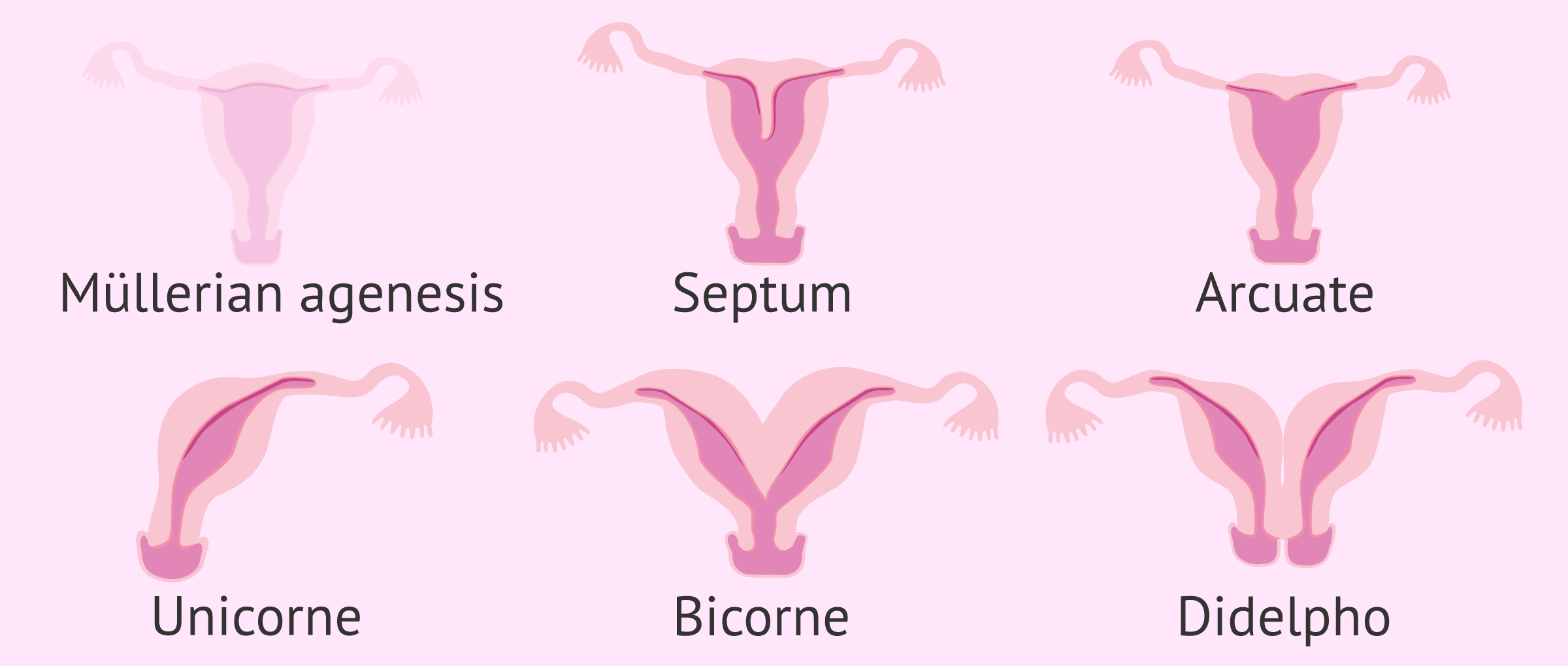
Uterine Factor Infertility - Diagnosis, Characteristics & Treatment
Uterine factor infertility or UFI refers to the set of causes of female infertility due to uterine causes, including Müllerian duct or uterine anomalies, alterations in the uterine lining, tumors, etc. Click here to read more. Read more

Endoscopic Surgery: Hysteroscopy & Laparoscopy
The aim of an endoscopic surgery is to visualize the interior of an organ or cavity. The two main techniques of endoscopic surgery used in gynaecology are the hysteroscopy and the laparoscopy. Read more

IVF or ICSI: What is the difference? Which is better?
The conventional IVF technique and intracytoplasmic sperm injection (ICSI) have certain differences, although both are in vitro fertilization (IVF) techniques. Each of these techniques is characterized by the way in which it promotes fertilization of the egg by the sperm. Read more
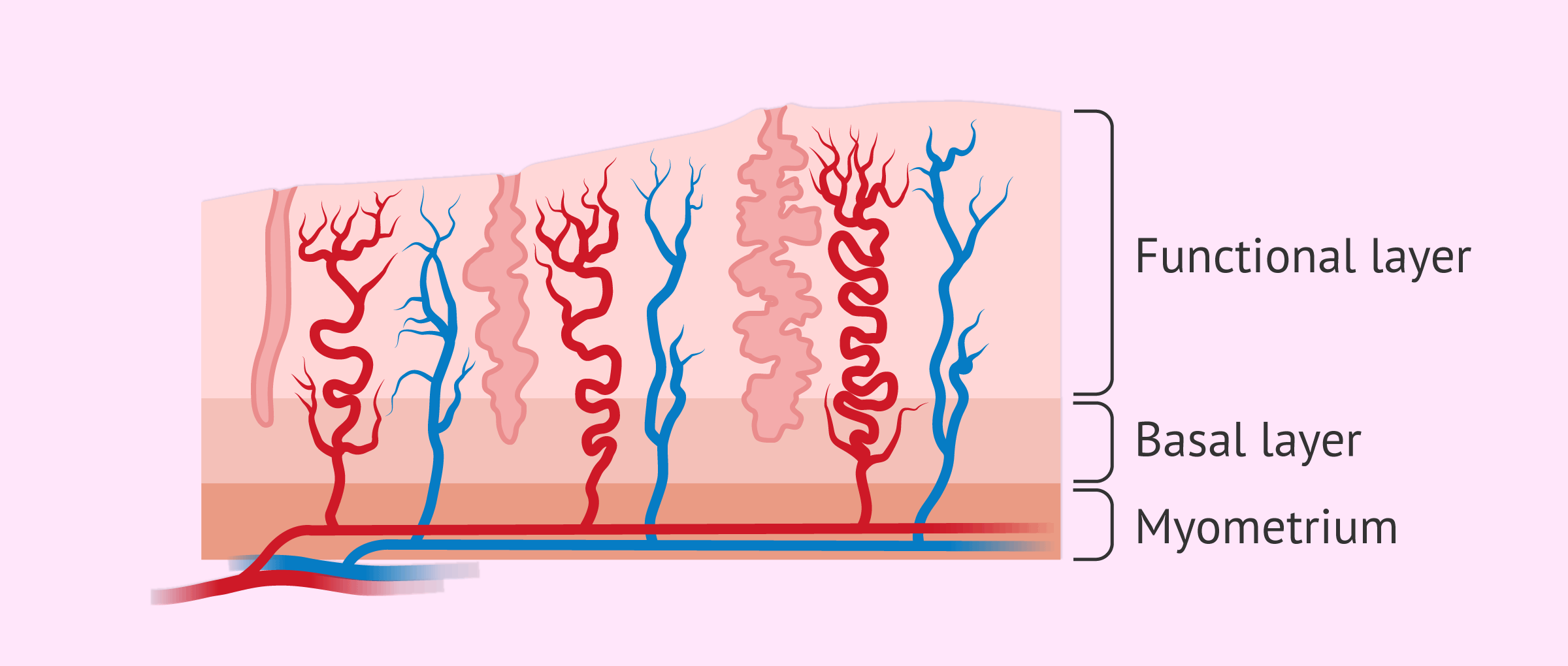
What is the endometrium? - Thickening, types and pathologies
The endometrium is the inner layer of the uterus that thickens during each menstrual cycle so that the embryo can implant and pregnancy can occur. Read more
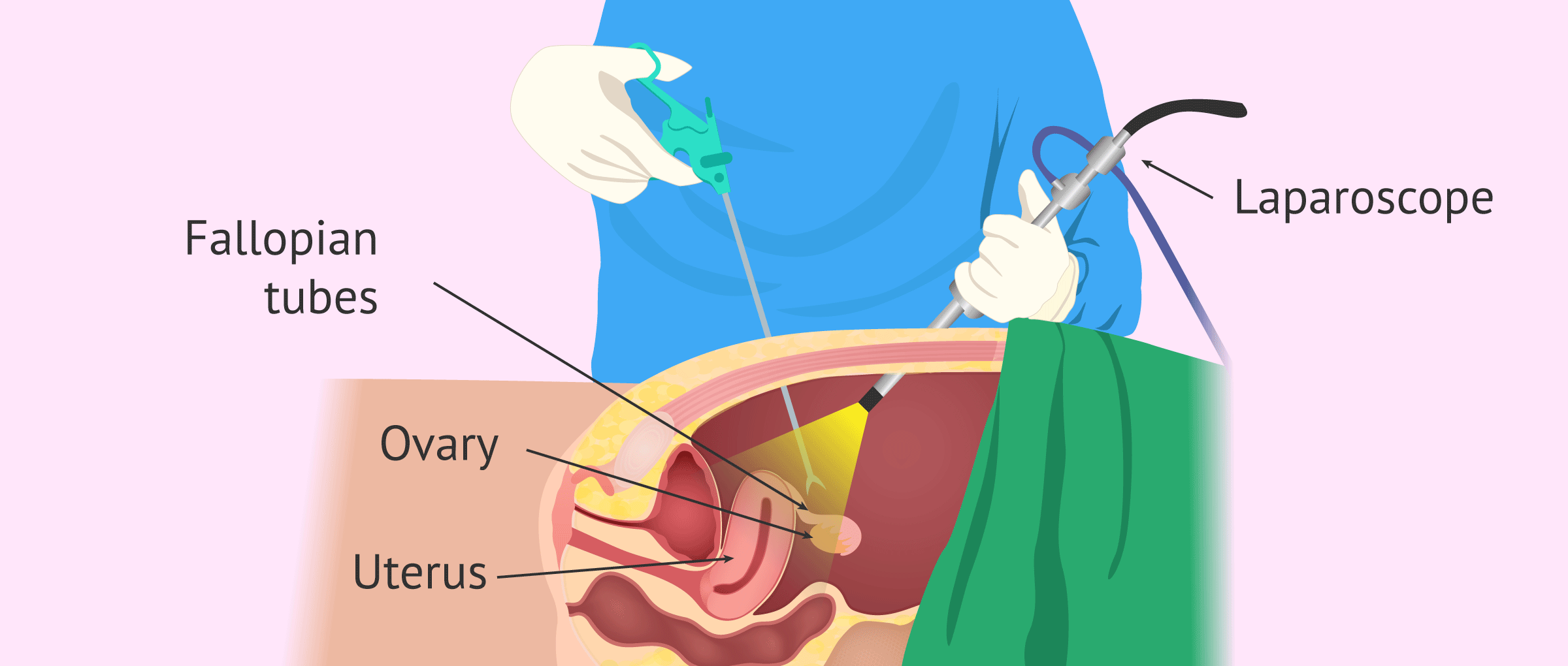
Salpingectomy: how and why are the Fallopian tubes extracted?
Salpingectomy is a surgical procedure to remove the fallopian tubes due to an alteration or pathology such as ectopic pregnancy. Women who lack fallopian tubes will not be able to become pregnant naturally, although they can become pregnant through assisted reproductive techniques such as IVF. Read more

Uterus Tipped Backwards: Causes & Symptomes of Retroverted Uterus
It's an alteration in the position of the uterus that doesn't affect ferility but causes pain during menstruation and sexual intercourse. It's also a risk factor during pregnancy. Read more

