
Article
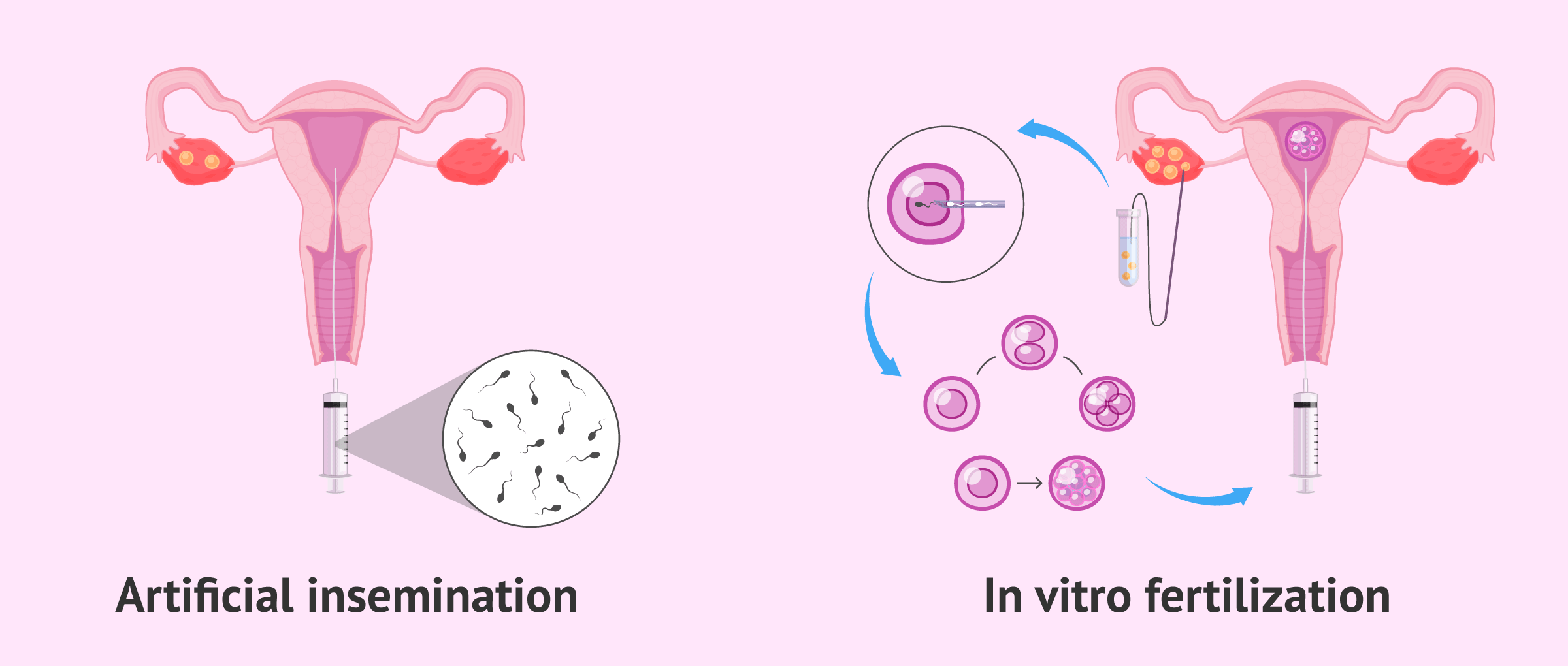
What are Assisted Reproductive Techniques (ART)? - Types & Costs
Assisted Reproductive Technology (ART) is the set of techniques and treatments recommended in cases of male and female infertility to achieve pregnancy.
Read more

What are the main causes of sterility and infertility?
The causes of infertility can have a male, female, mixed, or unknown origin. They can be detected with different tests that you can find explained in this guide.
Read more
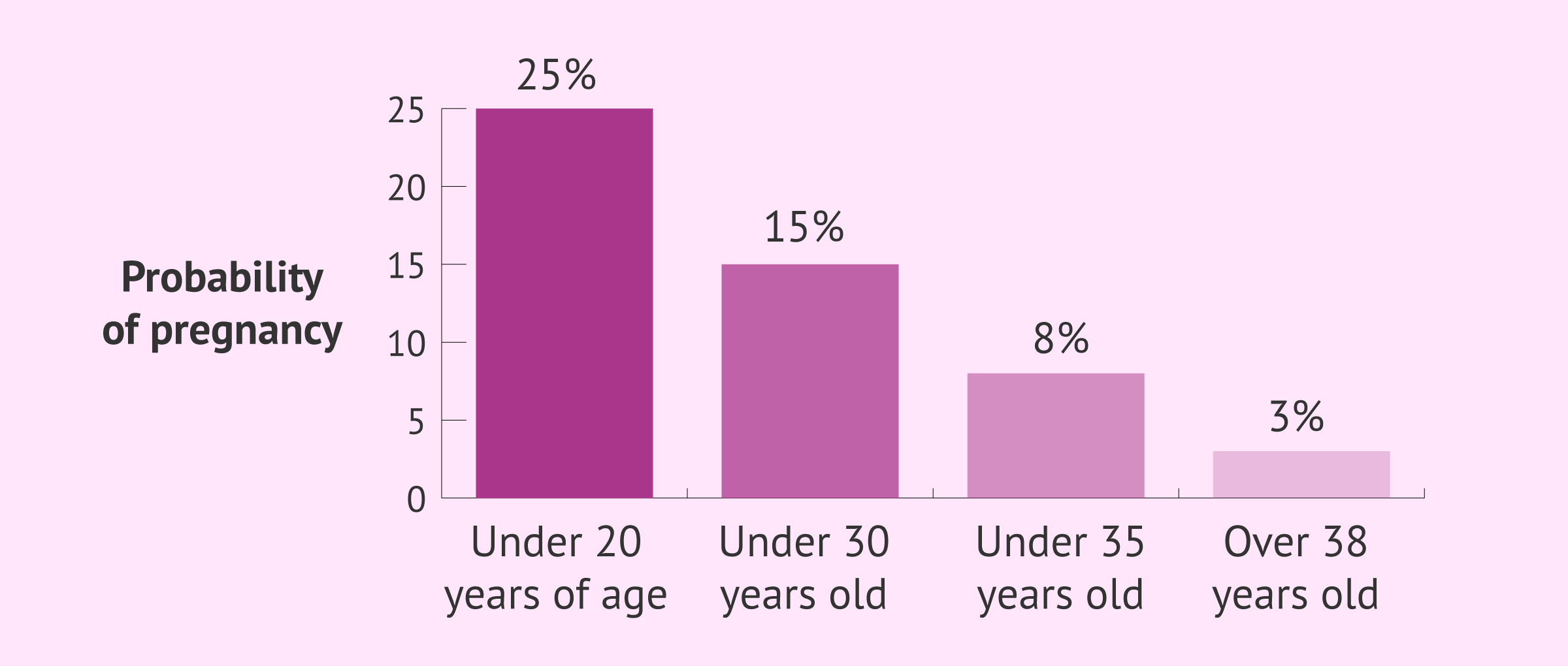
What is the best biological age to become a mother?
Is there an ideal age to become a mother? Many women wonder what is the perfect age to become pregnant and raise their first child. What you should know is that as a woman's age advances, her ovarian reserve decreases and with it her fertility.
Read more

What is GnRH? - Characteristics, effects and medications
GnRH is a hormone secreted by the hypothalamus that is essential for the correct control of the female and male reproductive system. On the other hand, GnRH analogues are hormones used in assisted reproduction treatments that require the woman's ovarian cycle to be controlled.
Read more
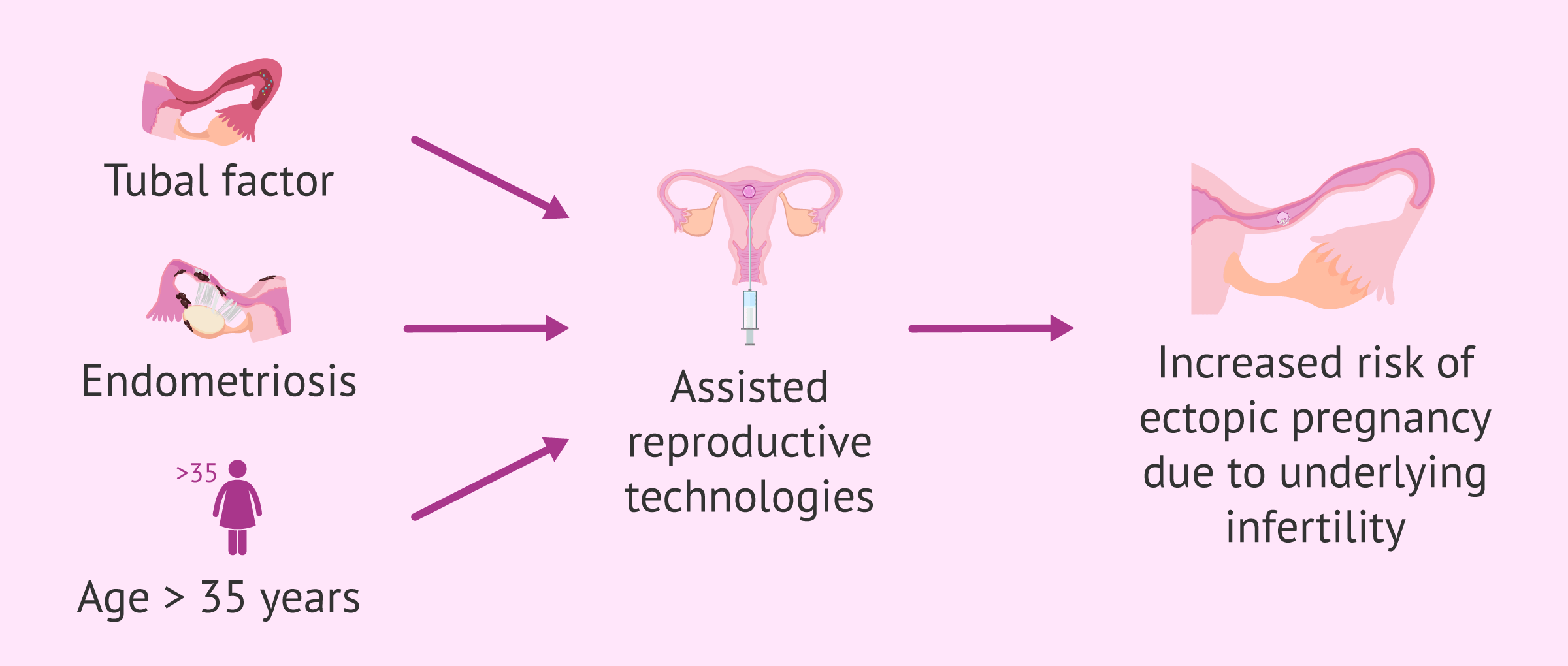
Assisted reproduction techniques and ectopic pregnancy
Ectopic pregnancy has certain risk factors that increase the likelihood of this complication occurring. Among these are assisted reproductive technologies (ART), but there is some controversy. Some believe that ART does not increase the risk, but rather the situation of infertility itself.
Read more
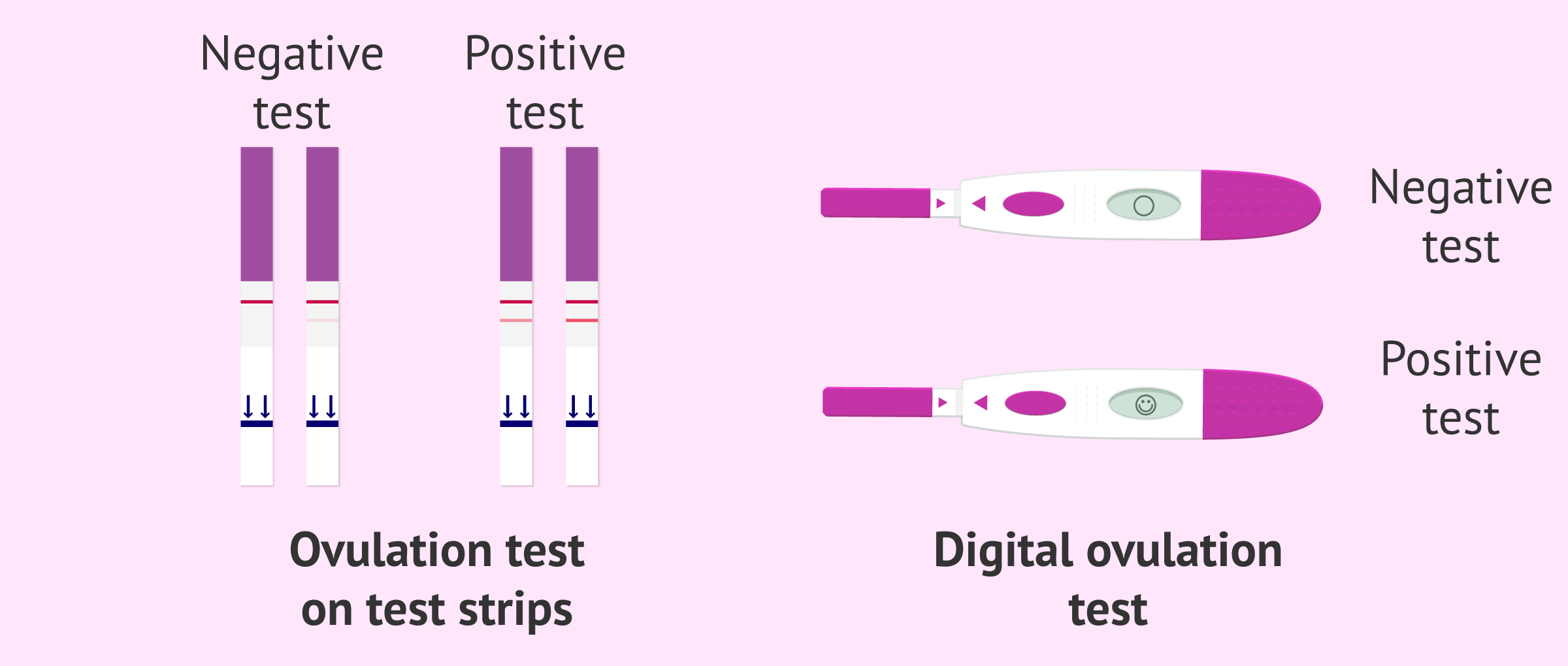
Ovulation tests - how do they work and what is their purpose?
Ovulation tests are home tests used by many women who want to get pregnant to detect the most fertile days of the menstrual cycle.
Read more
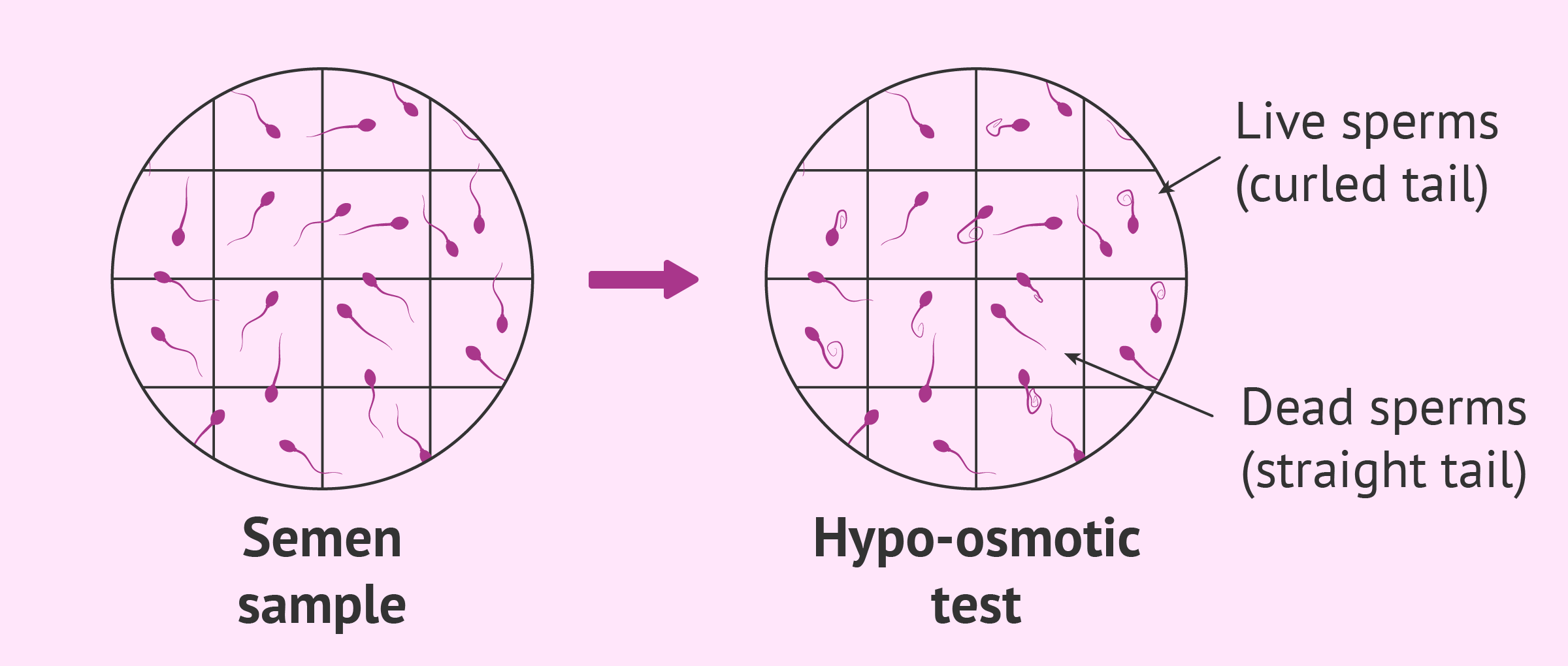
Spermatozoa with necrospermia: What is it and how is it treated?
Necrospermia is a male fertility problem characterized by an elevated number of dead sperm present in the ejaculate.
Read more

Egg quality in females - how to achieve high-quality oocytes
The quality of the oocytes is decisive in order to obtain good quality embryos that can implant and give rise to an evolutionary pregnancy. The woman's age, in addition to affecting the ovarian reserve, also worsens the oocyte quality, causing the eggs to accumulate various mutations in their DNA.
Read more

What's the difference between freezing and vitrification of eggs?
There are two protocols for cryopreserving eggs: slow freezing and vitrification. Today, egg vitrification has replaced slow freezing because their survival rates are much higher.
Read more
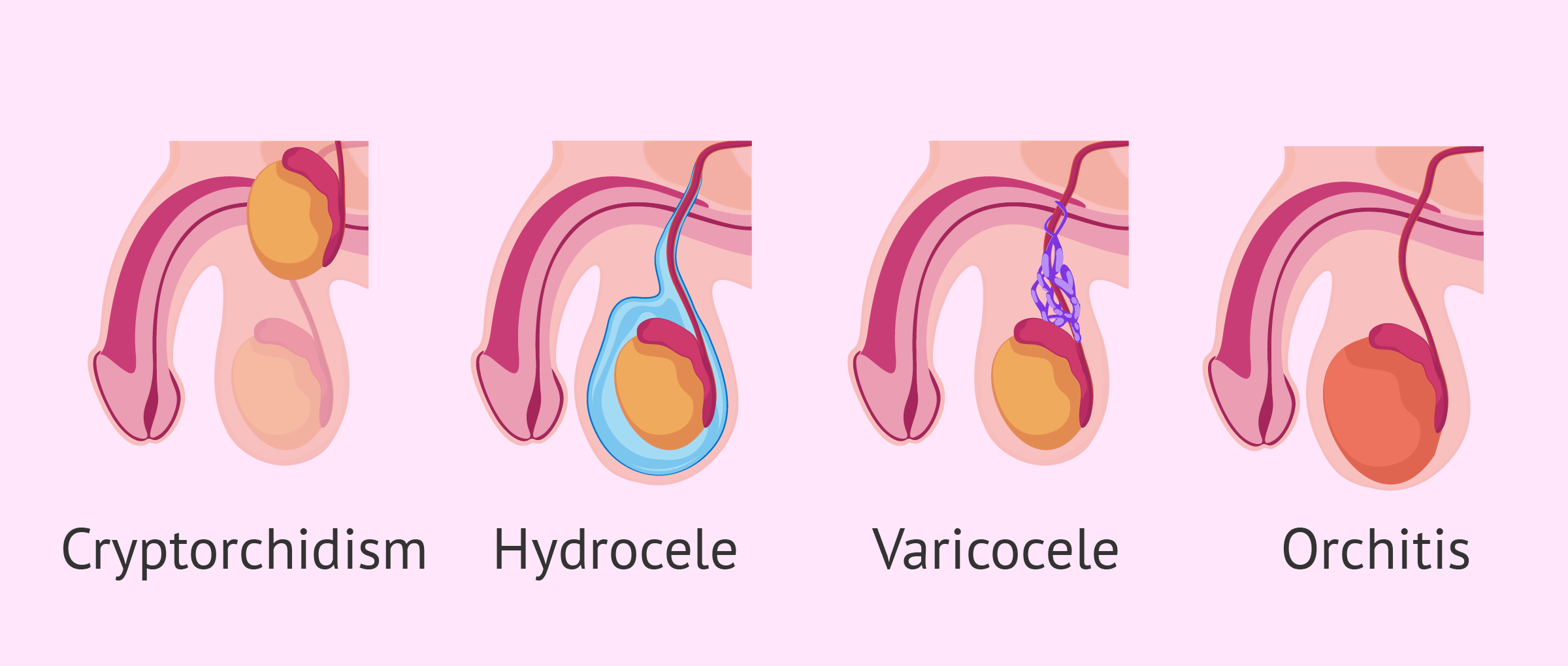
Testicular Disorders & Infertility - Impact on Reproductive Function
By testicular causes for male infertility we refer to all testicular disorders and conditions that can cause male infertility, either congenital or acquired. There are several treatment options available depending on the extent to which they affect sperm production.
Read more

First ultrasound after a natural pregnancy and assisted reproduction
One of the most important ultrasounds of pregnancy is performed at week 12, that is, during the first trimester. This ultrasound confirms the presence of one or more embryos and assesses the risk of potential abnormalities.
Read more

What does the fertility study consist of? What fertility tests are available?
When a couple has been looking for a pregnancy for some time but it does not come, it is advisable to perform a fertility study to the couple. This study is also performed for women who wish to become single mothers and for couples of women, as it helps to decide on the appropriate assisted reproduction treatment.
Read more

