
Article
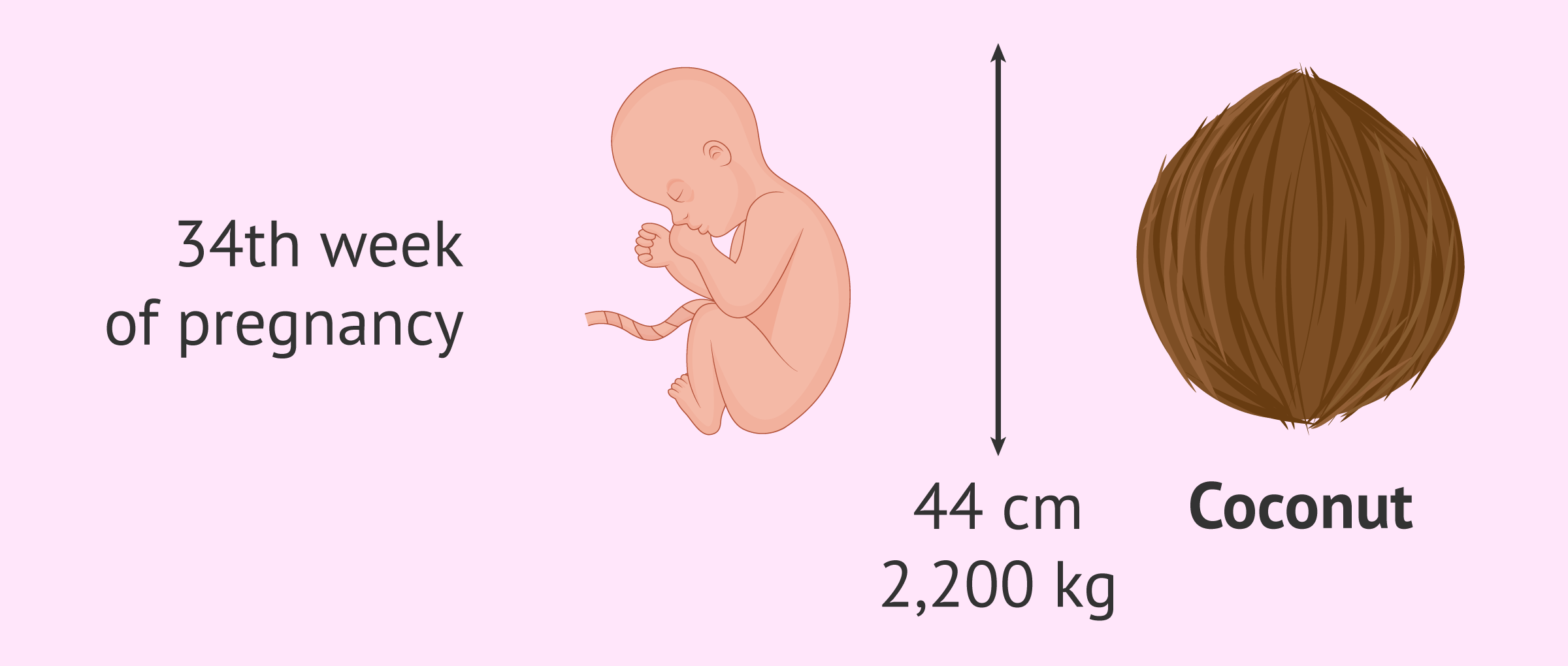
34th week of pregnancy: changes in the baby and the mother
The 34th week of pregnancy corresponds to the middle of the ninth month of pregnancy, so the woman is in the final stretch of pregnancy. The pregnant woman may feel a pressure in the vagina that makes her feel uncomfortable, as the foetus has wedged itself into the pelvis and is preparing to come out.
Read more
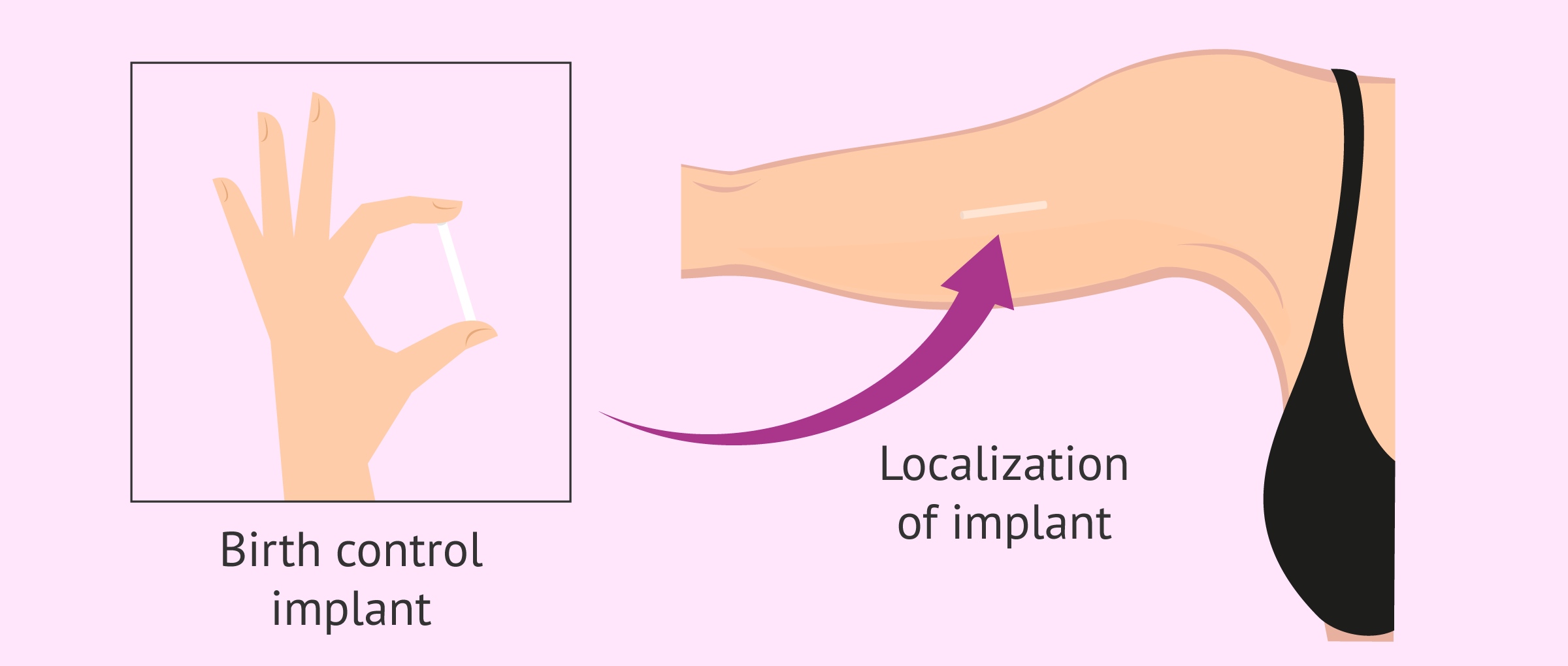
Birth Control Implant: Advantages and Disadvantages
The contraceptive implant is a method of prolonged use to prevent pregnancy. Depending on the type of implant you can prevent pregnancy for 3 or 5 years thanks to the continuous release of progestogens in low quantities.
Read more
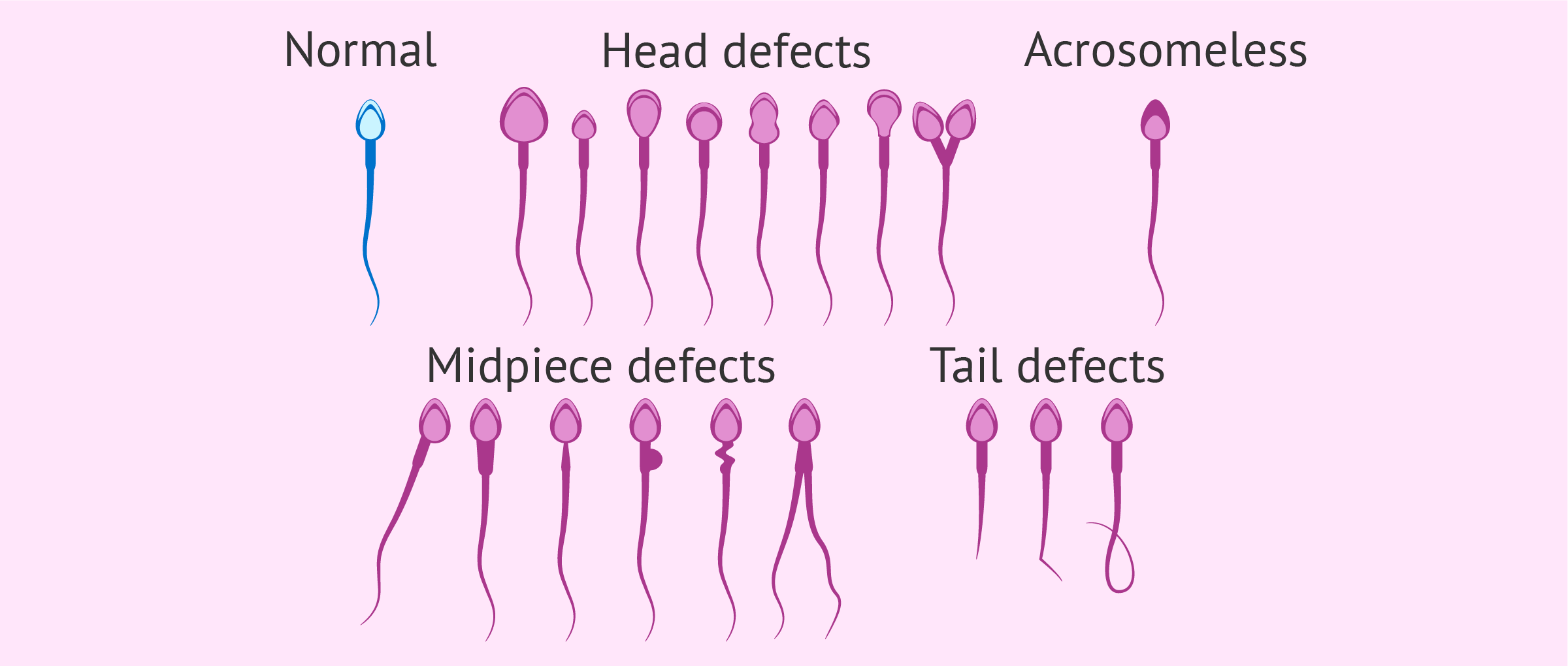
What Is Sperm Morphology? - Meaning & Normal Range
Sperm morphology is assessed in a semen analysis, which allows for the calculation of the percentage of normal sperm in the semen. A value greater than 4% of normally shaped sperm is considered normal. If the percentage of abnormally shaped sperm exceeds 96%, the condition is called teratozoospermia.
Read more

Diseases and disorders that cause female infertility: warning signs
About 33% of infertility cases are due to a female factor and there are multiple alterations and diseases that can affect female fertility. Here we present the most frequent factors that cause female infertility, as well as the pathologies associated with each of them.
Read more
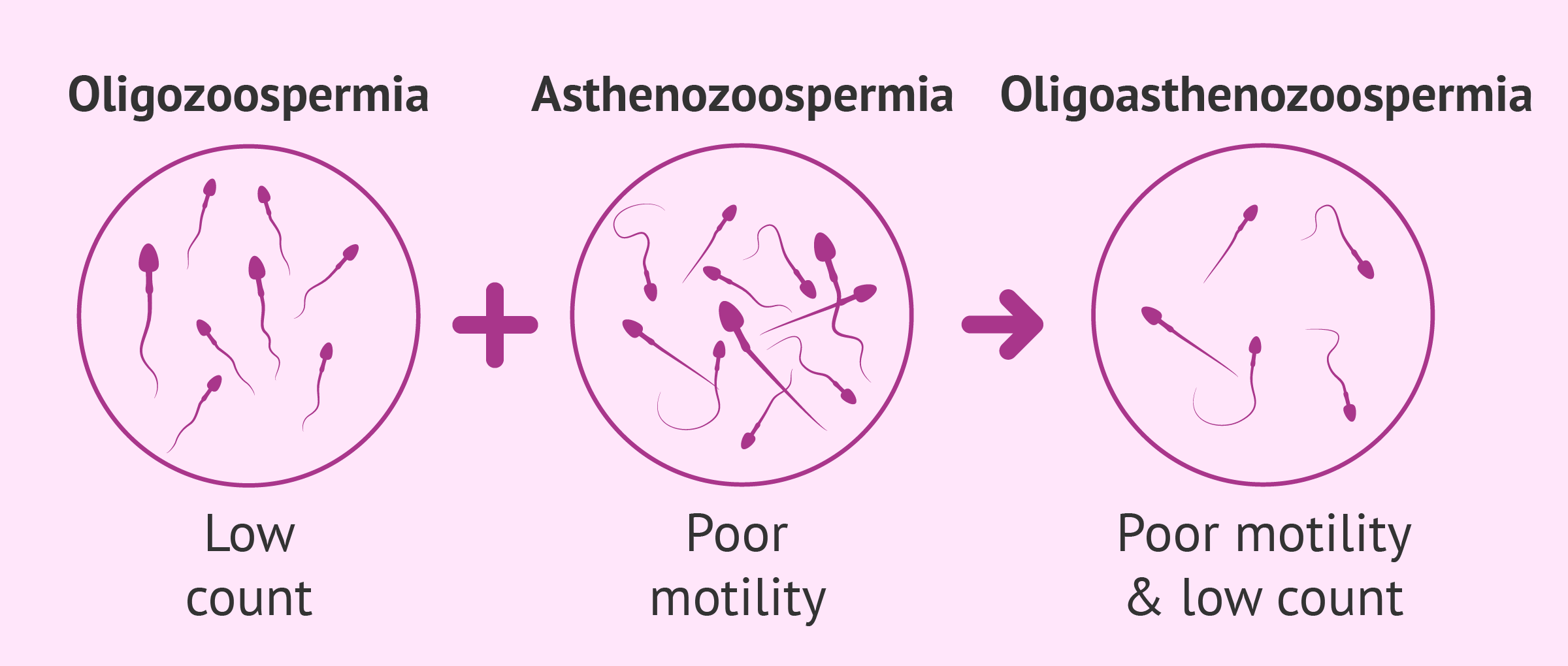
What Is Oligoasthenozoospermia? - Causes & Treatment
Oligoasthenozoospermia is the alteration of the concentration and mobility of spermatozoa in the semen, which causes male infertility. Men suffering from oligoasthenozoospermia will have difficulty achieving pregnancy naturally, so they will have to resort to fertility treatments.
Read more
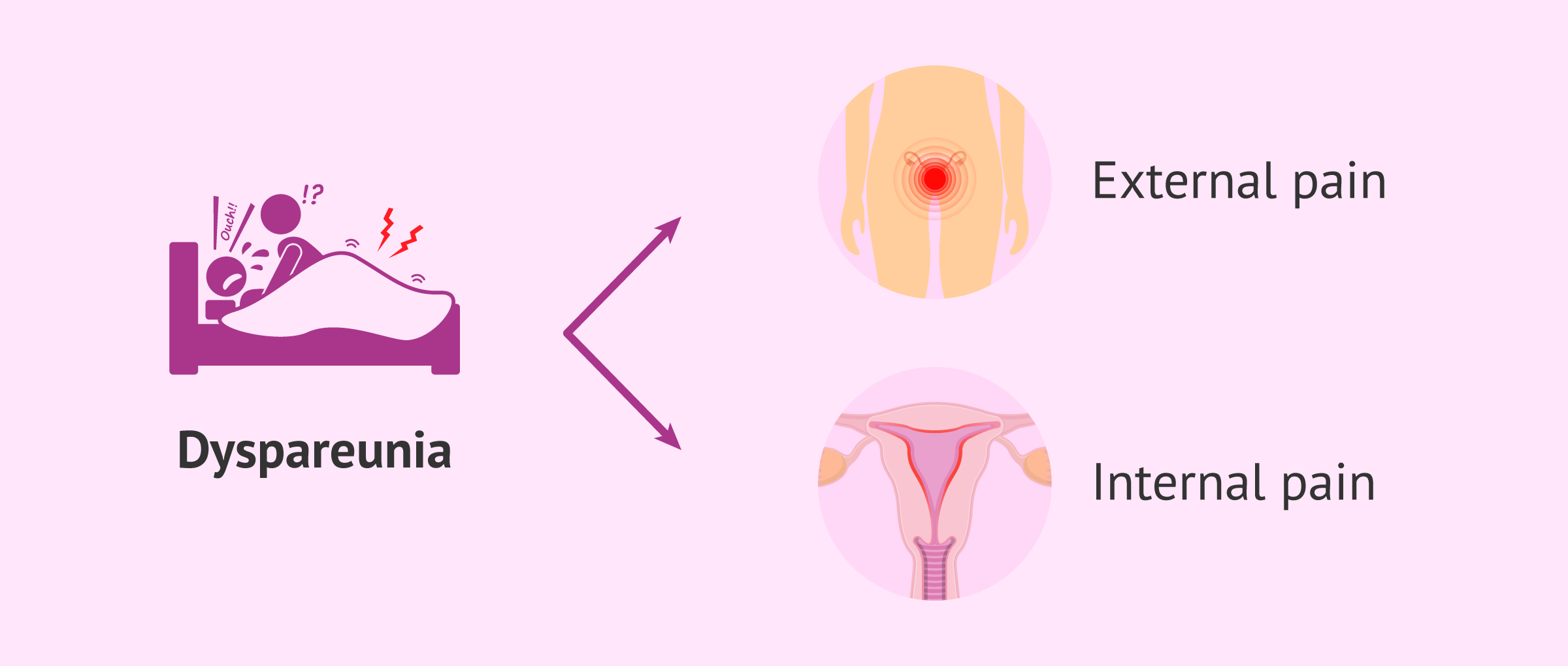
Why does pain during sexual intercourse, or dyspareunia, occur?
Pain during sexual intercourse is known as dyspareunia. This problem is more common in women than in men and may be due to several causes. Find them out here.
Read more
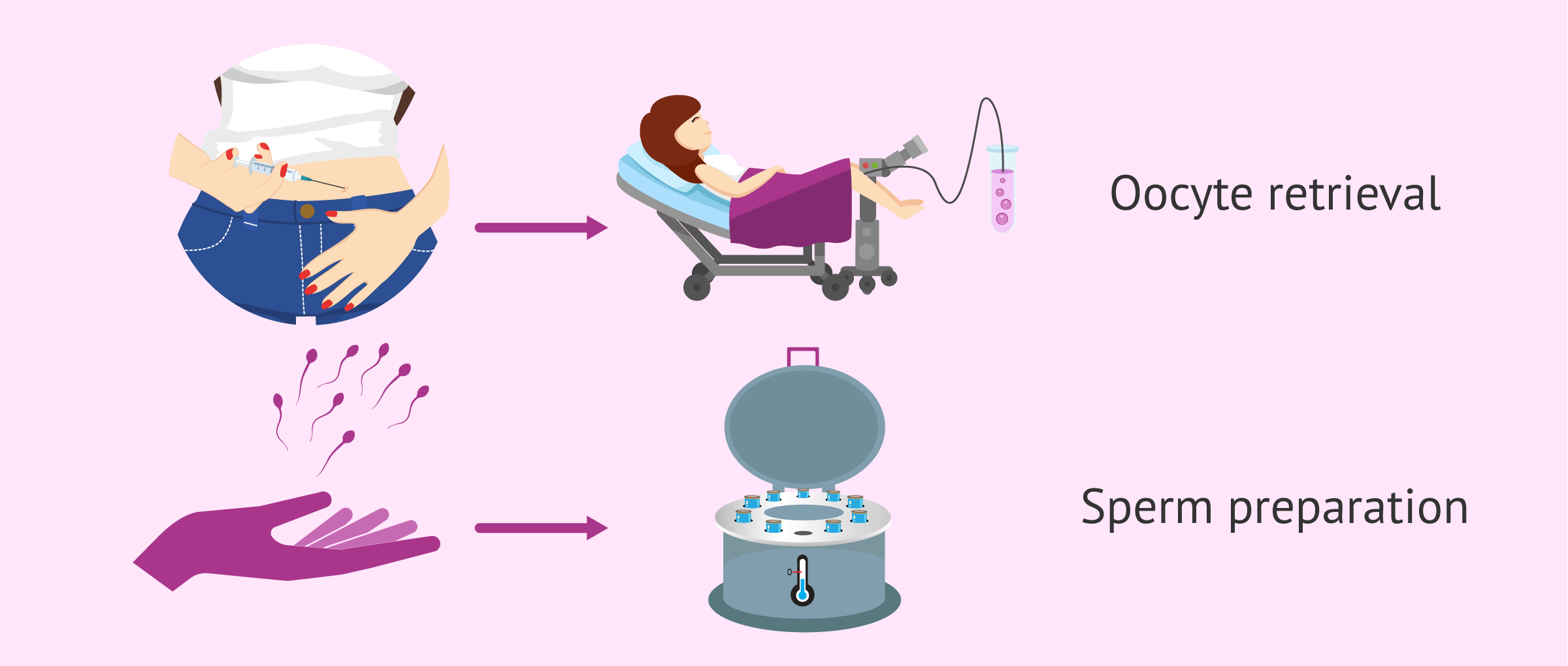
IVF using donor sperm: the process, costs and its success rates
Sperm donor IVF is a fertility technique used in cases of severe male infertility, but also for women who wish to become single mothers by choice or for female couples. The procedure is the same as IVF with conjugal sperm, except that the sample comes from a sperm bank.
Read more
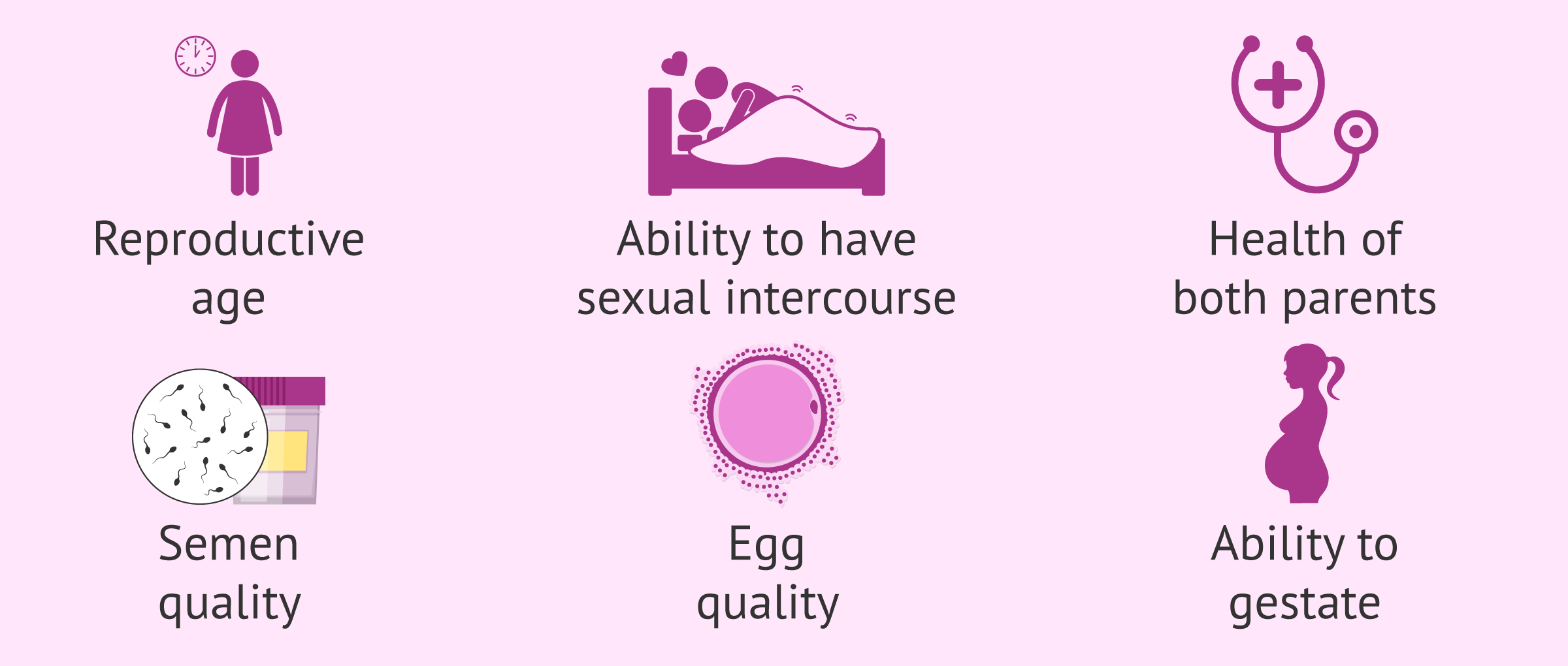
Male & Female Fertility Explained: What Factors Can Affect It?
Infertility in the couple is diagnosed after a year trying to conceive without success. It can be male or female infertility, or a combination of both.
Read more

Diagnosis of endometriosis: analytical and imaging tests
Symptoms such as pelvic pain are not enough to determine the existence of endometriosis, but it is necessary to make a differential diagnosis with tests such as transvaginal ultrasound, blood tests or laparoscopy, among others.
Read more

What is a testicular biopsy, and when is it performed? - Postoperative Care
A testicular biopsy involves removing testicular tissue for examination under a microscope. This simple, painless procedure serves a dual purpose: diagnostic and therapeutic, for the retrieval of sperm. There are two procedures, depending on the type of biopsy performed: TESE and TESA
Read more
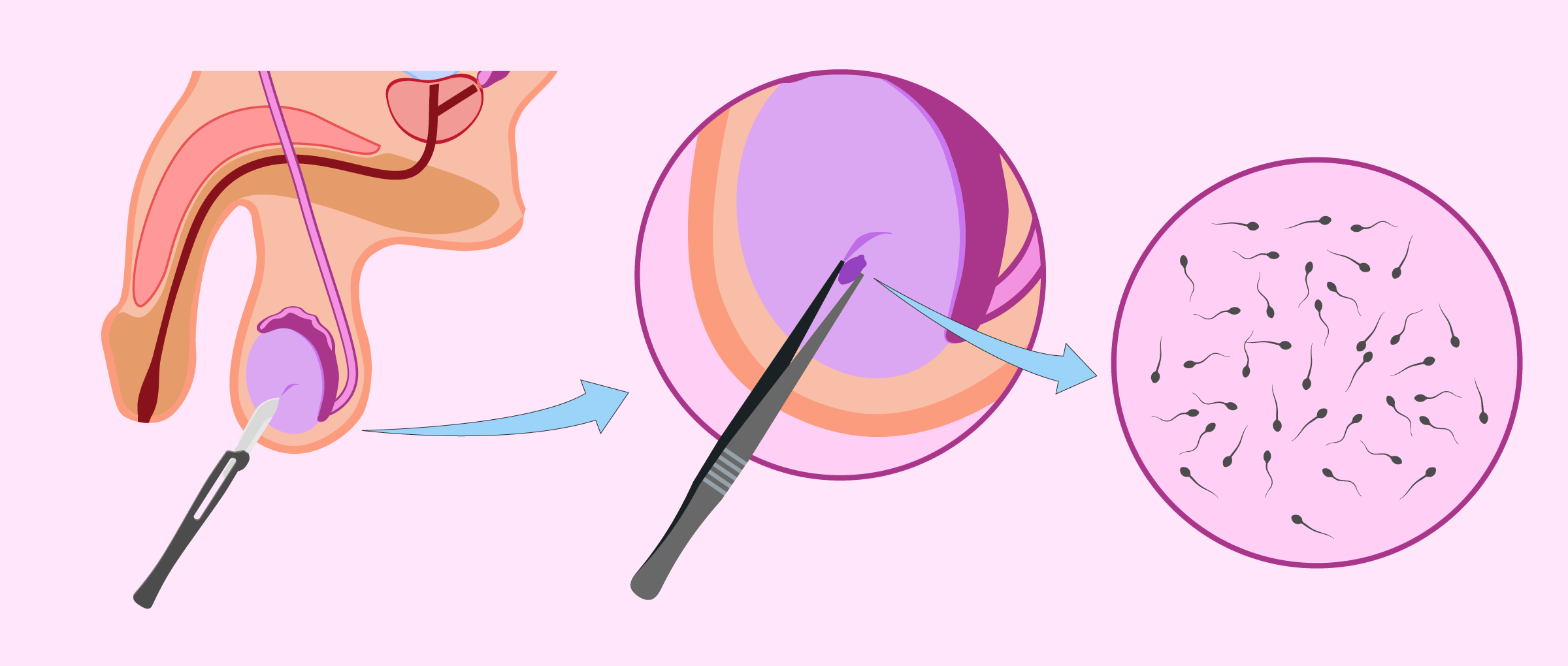
Can a Man with Azoospermia Get a Woman Pregnant?
Sperm aspiration, testicular biopsy, or sperm donation are the main options available for azoospermic males to be able to conceive.
Read more

Does exercise improve semen quality and male fertility?
Engaging in moderate exercise has multiple benefits, including for semen quality. However, if a man exercises very intensely, it could be harmful to his fertility and increase sperm DNA fragmentation.
Read more

