
Article
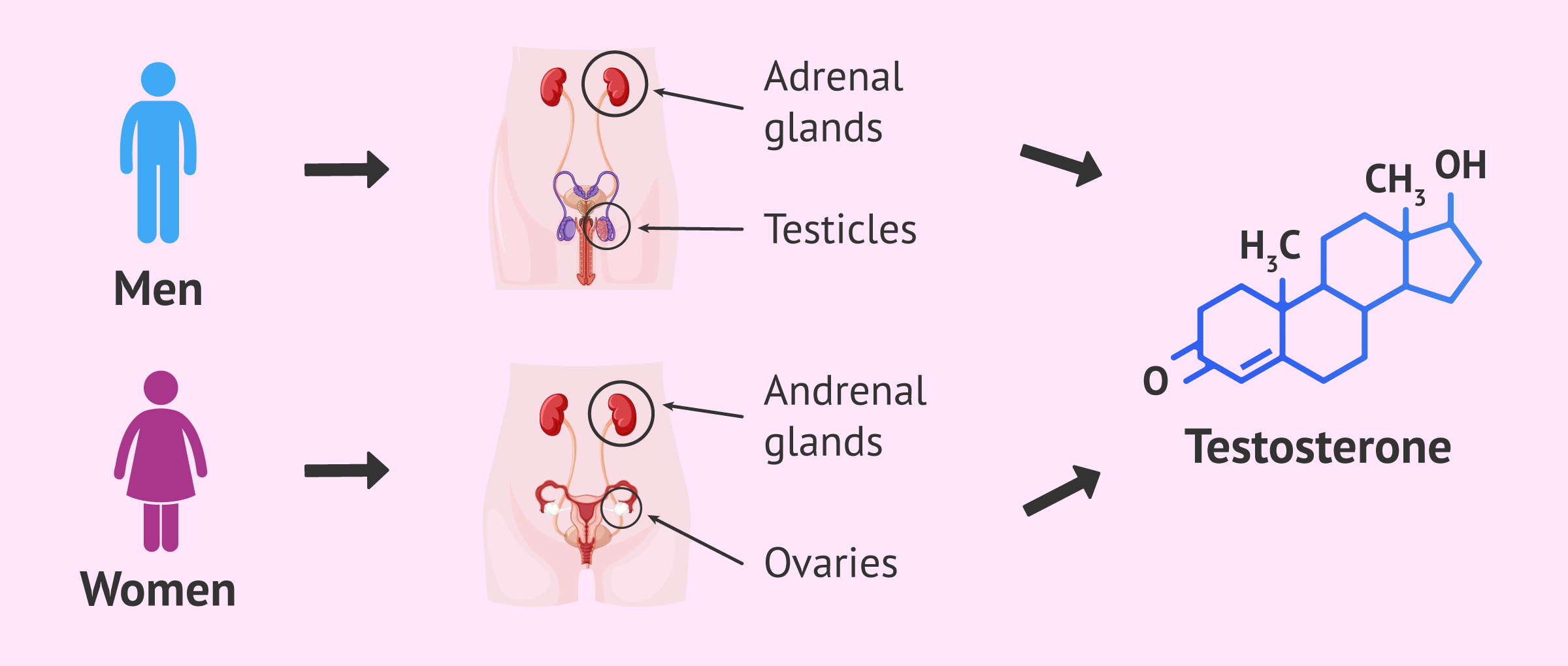
Testosterone hormone: what is its function in men and women?
Testosterone is the main male sex hormone, as it plays an important role in the development of the reproductive system and in the appearance of secondary sexual characteristics in men.
Read more
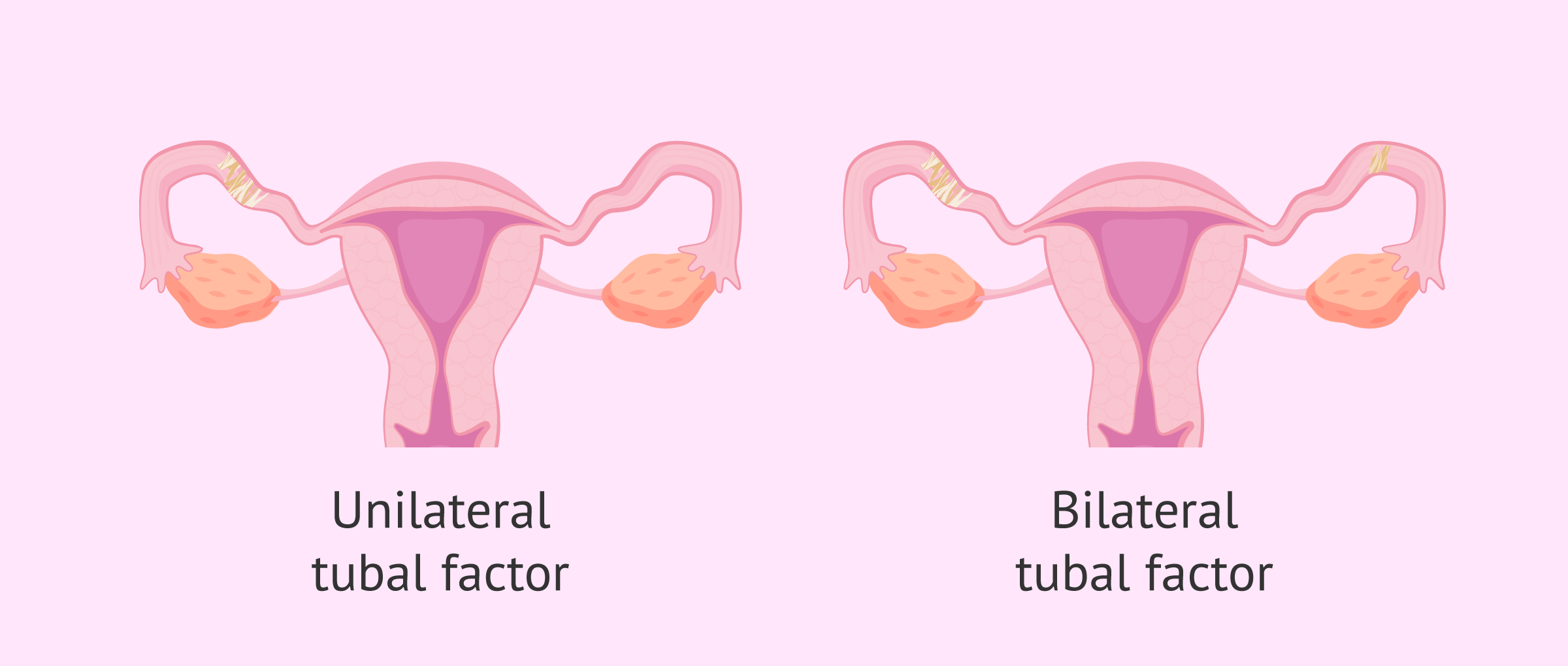
Female infertility due to tubal factor: causes and treatments
The tubal factor refers to problems of patency or functionality in the fallopian tubes, which account for about 30% of the causes of female infertility. If the fallopian tubes are obstructed or non-functional, natural pregnancy may be hindered or even prevented.
Read more
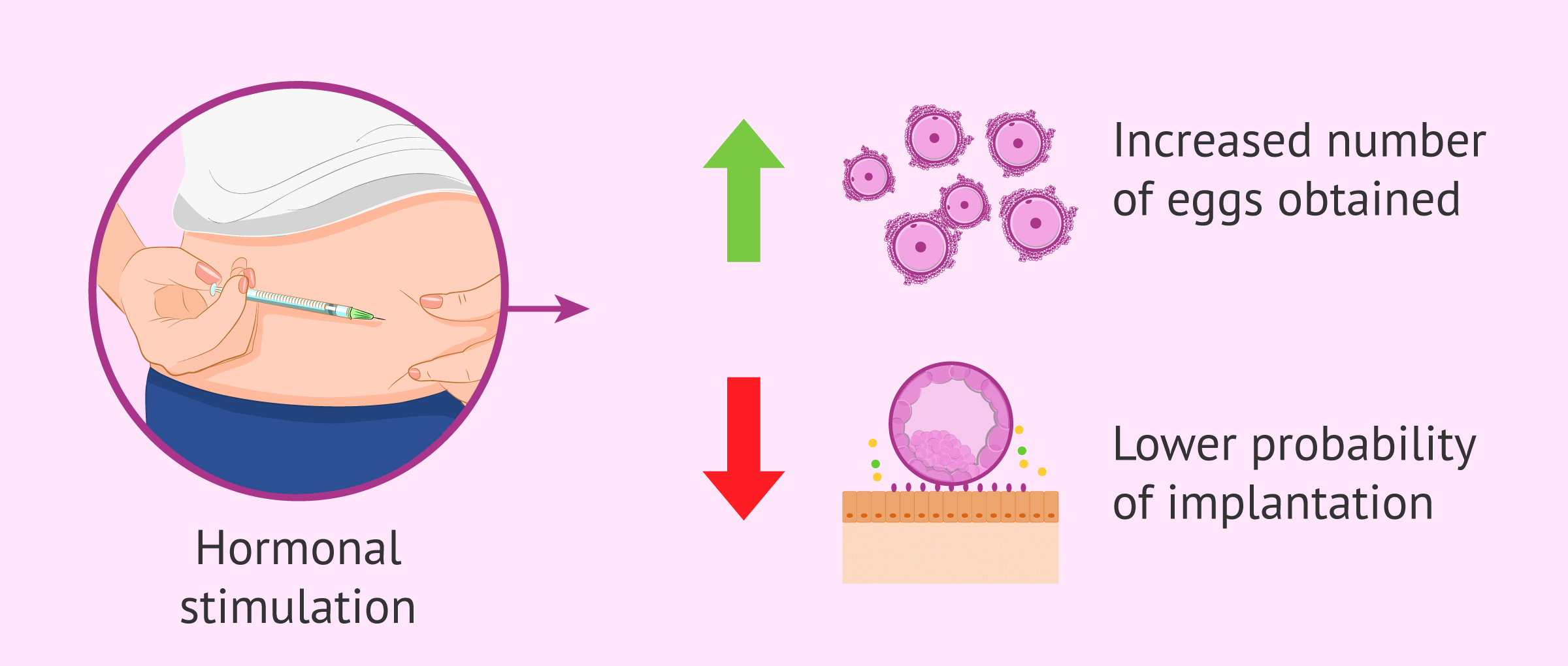
Are implantation rates of frozen blastocysts better?
Thanks to advances in assisted reproduction, better implantation rates are obtained in frozen blastocyst transfers than in fresh blastocyst transfers.
Read more
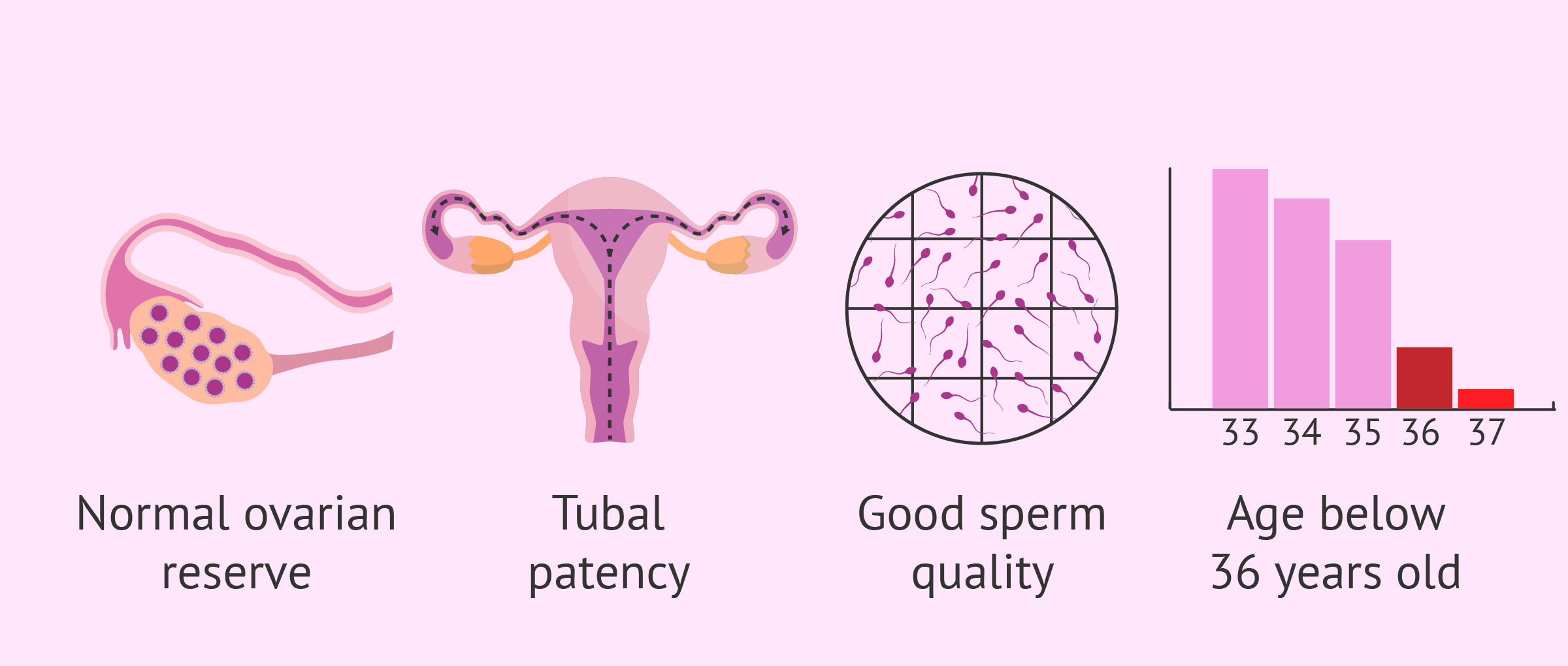
What are the requirements for intrauterine artificial insemination?
The requirements for intrauterine artificial insemination (AI), with either partner or donor sperm, are patency of the fallopian tubes, good ovarian reserve, and sperm quality of 3 million or more motile spermatozoa in the REM seminogram.
Read more
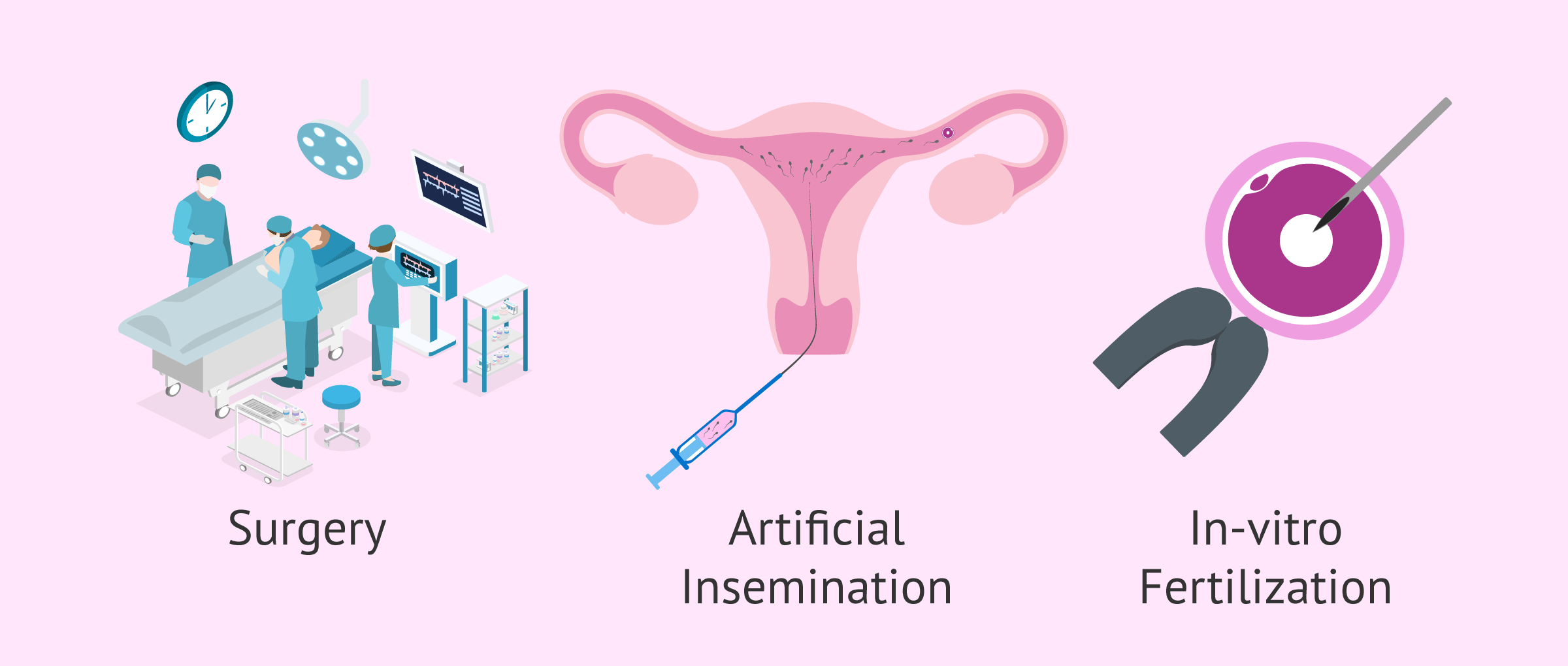
Can pregnancy be achieved with testicular varicocele?
Varicocele or inflammation of the veins of the spermatic cord is one of the main causes of male infertility. Therefore, men with varicocele may have difficulty in achieving pregnancy. As a first therapeutic option, surgery is recommended, since it is close to 90% effective.
Read more

How to improve implantation rates in Assisted Reproduction?
Embryo implantation is an essential process for gestation to occur. It is the adhesion of the embryo to the uterine endometrium of the woman. For implantation to take place, the embryo and the endometrium must be in the right conditions and, in addition, there must be synchrony between them.
Read more
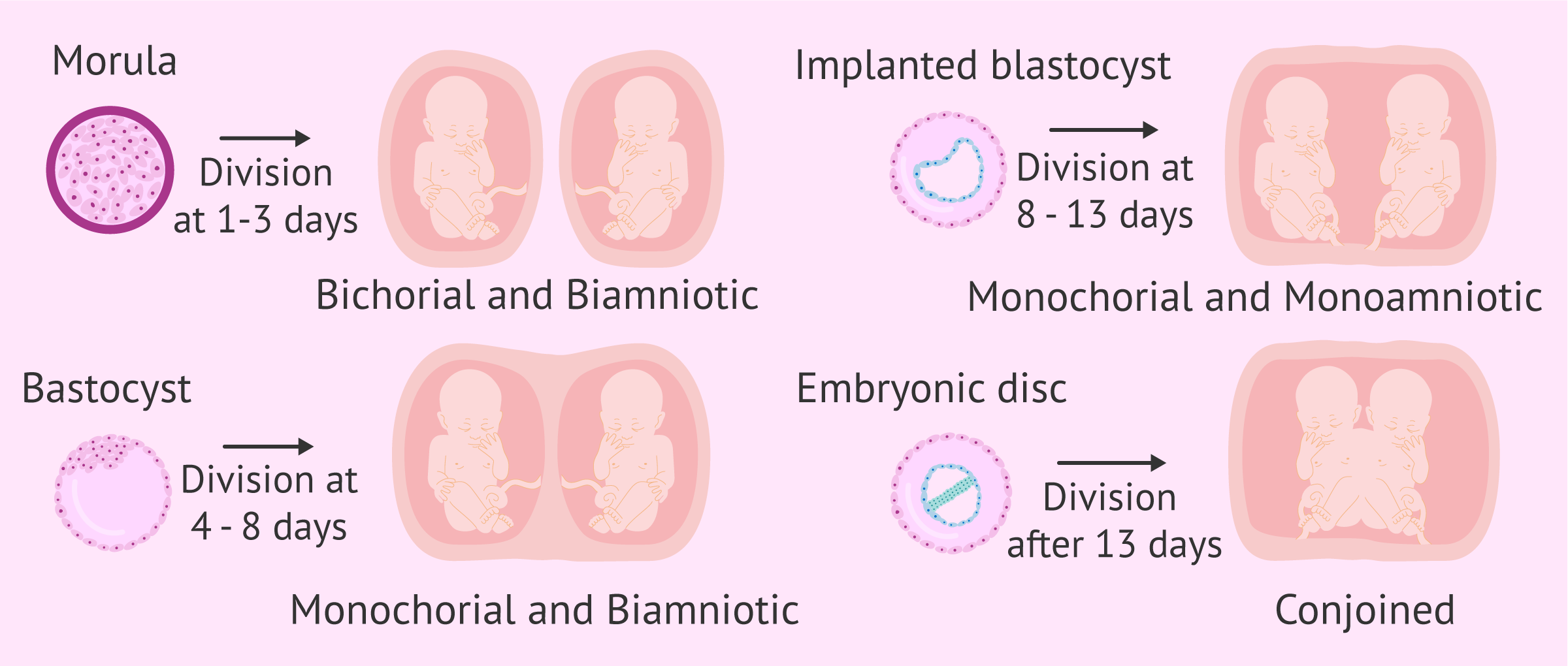
What differs in pregnancy with fraternal twins or identical twins?
Multiple pregnancies occur when more than one baby develops in the maternal uterus. The most common are fraternal or identical twins. Assisted reproductive techniques have increased the birth rate twins, although nowadays this trend is being limited due to the risks involved in multiple pregnancies, and improved AR techniques
Read more
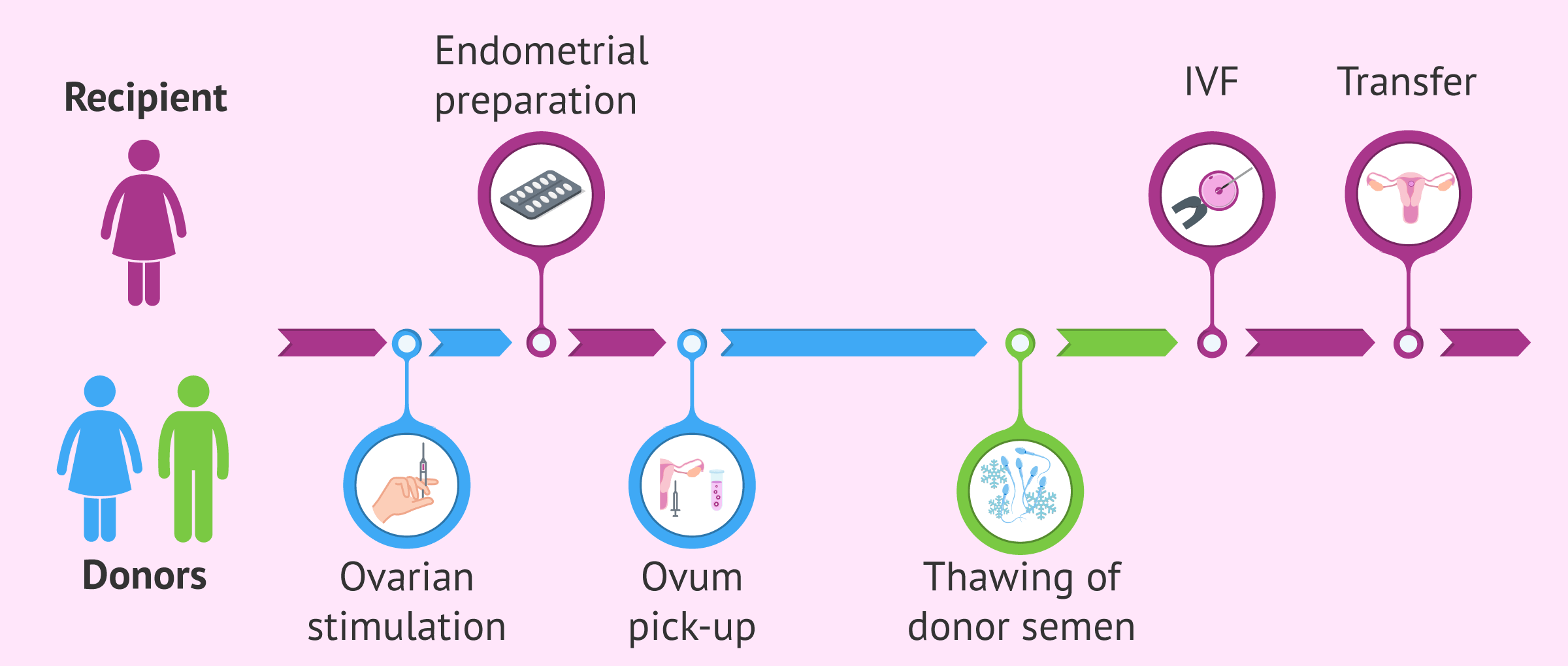
Double donor IVF: assisted reproduction with donor egg and sperm
IVF with egg and sperm donation is a fertility treatment in which the woman or couple needs to resort to donor gametes in order to have a child. The benefits of double gamete donation are the high success rates in people with severe fertility problems.
Read more
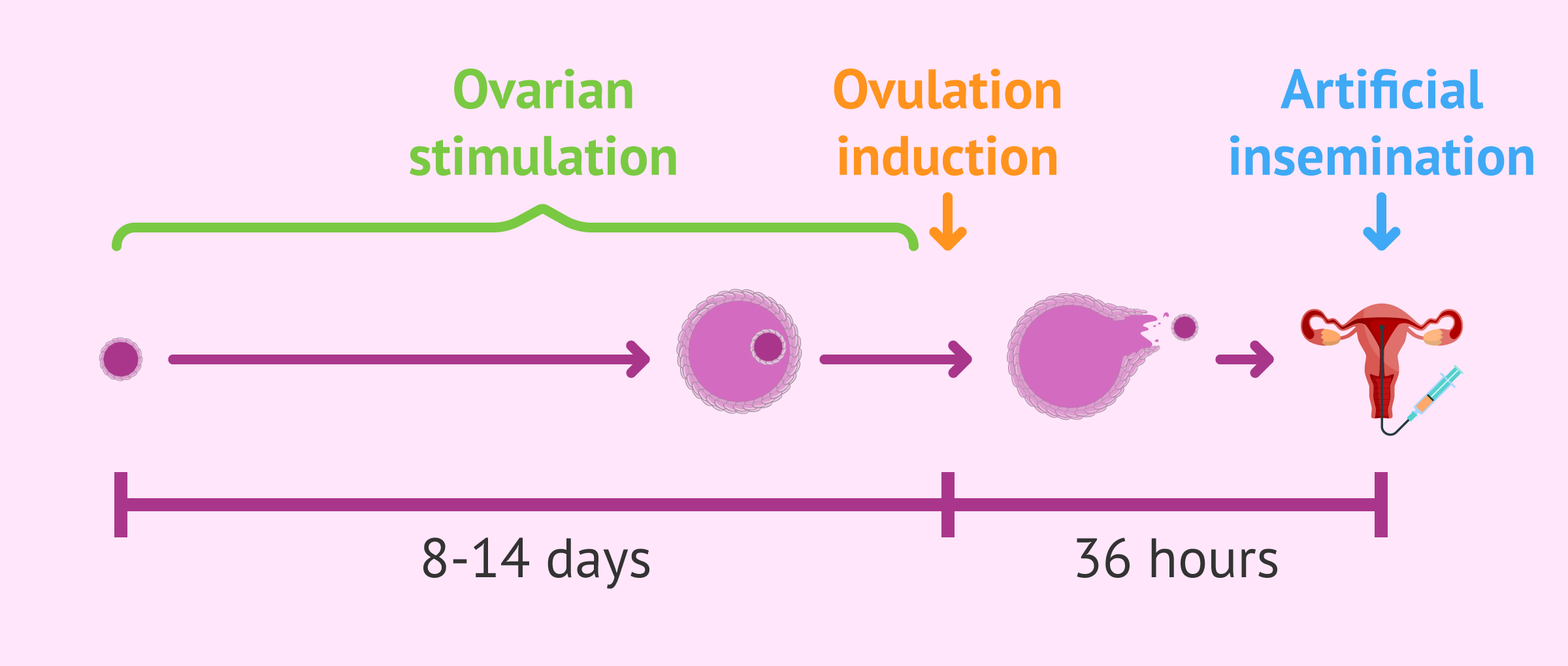
Controlled ovarian stimulation in Artificial Insemination (AI)
The drugs used in artificial insemination produce a controlled ovarian stimulation in order to increase the probability of pregnancy.
Read more
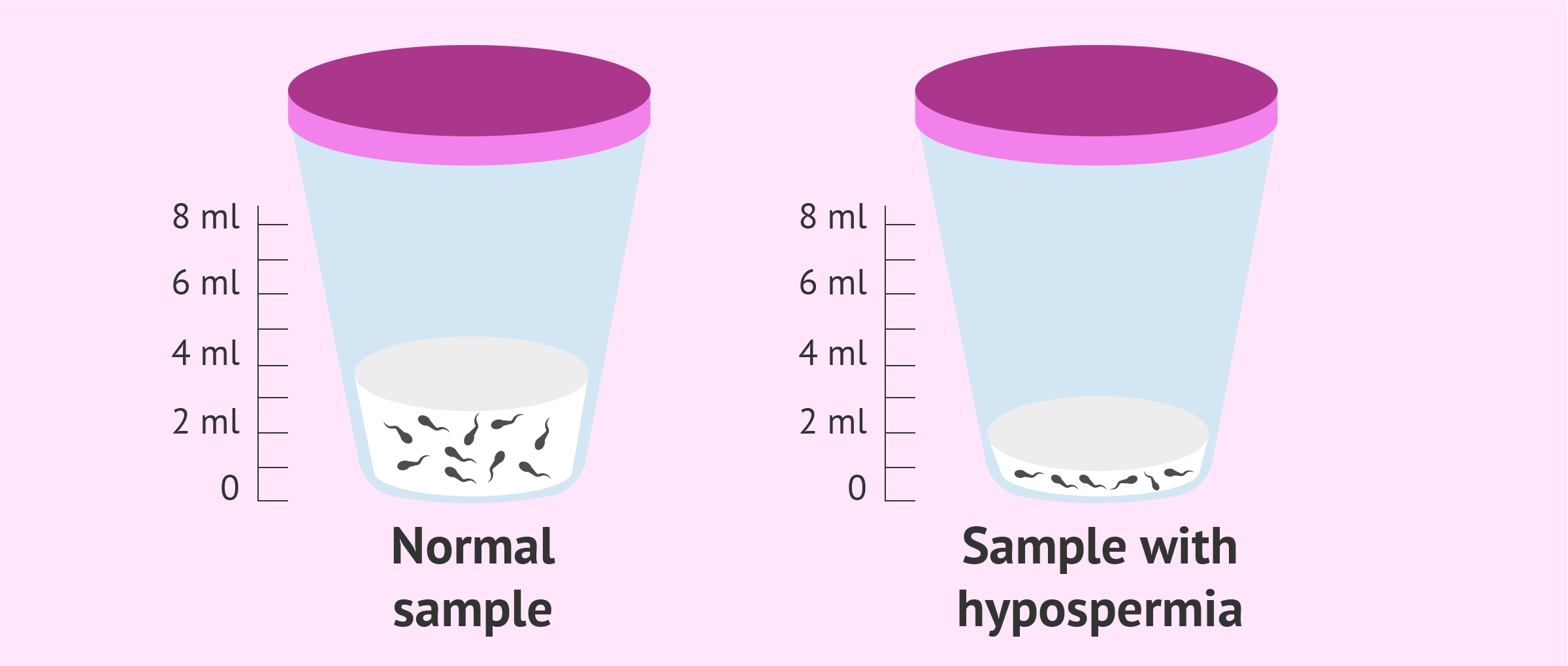
What Is Hypospermia? - Causes, Symptoms & Treatment
Hypospermia is a sperm disorder in which the man has an unusual low volume of ejaculate or semen. Hypospermia is diagnosed when the amount of semen is below 1.5 ml. Although it causes male infertility in some cases, in principle men with this problem can conceive naturally by following the appropriate treatment.
Read more
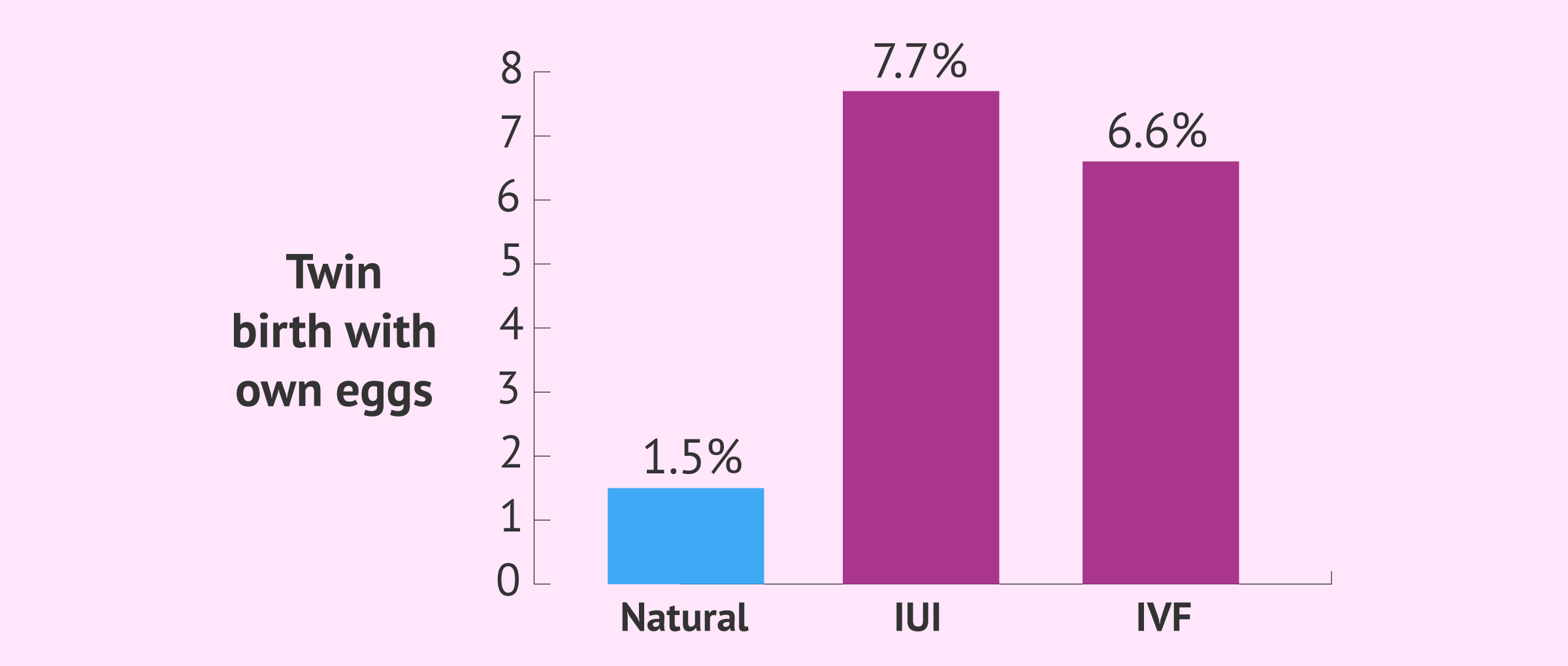
What is the probability of twins with IVF and artificial insemination?
The transfer of two embryos in in vitro fertilisation (IVF) is the main reason for the increased likelihood of twin pregnancies. However, it is becoming increasingly common to opt for a single embryo transfer to reduce the risks associated with a multiple pregnancy.
Read more
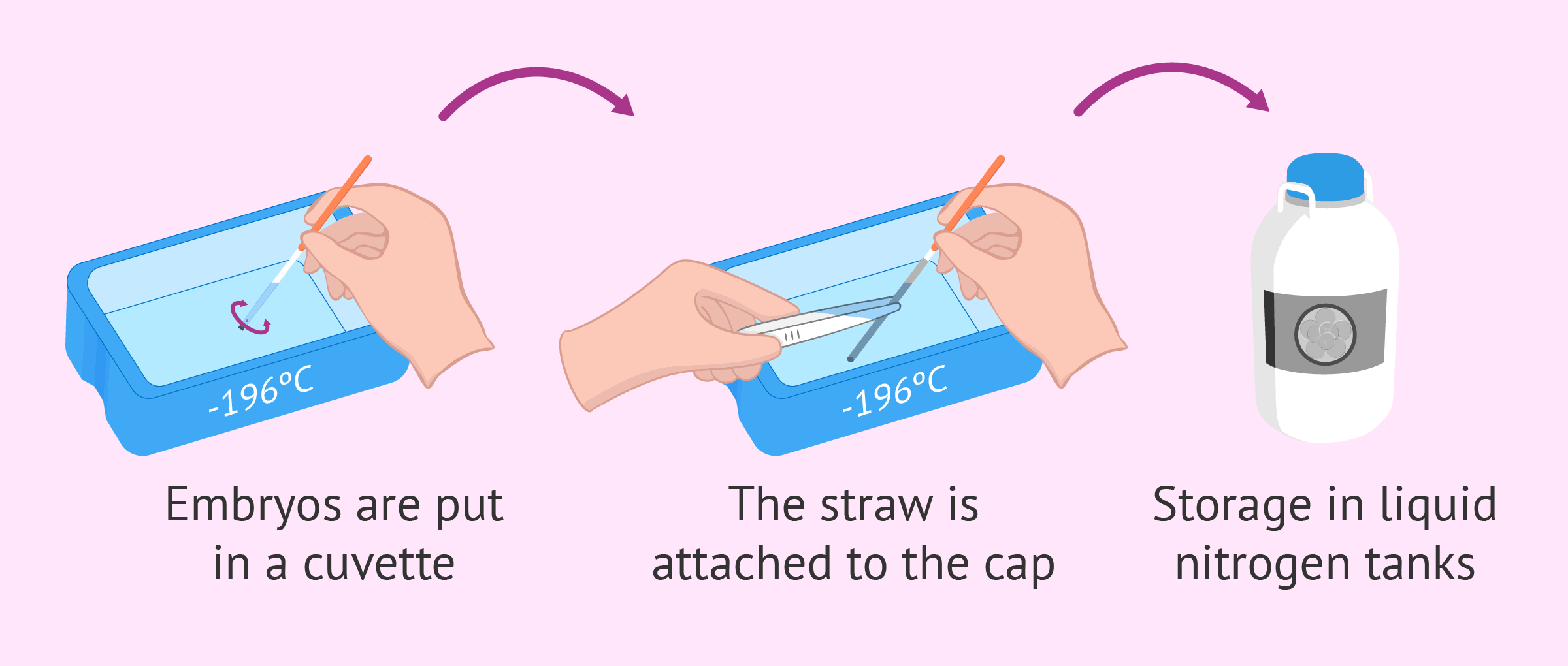
What is embryo vitrification? How and when is this procedure used?
Nowadays, embryo freezing is carried out using the vitrification technique, which is an ultra rapid procedure that offers high survival rates of post-thaw embryos.
Read more

