
Article

What differences exist between artificial insemination and IVF?
Artificial insemination and in vitro fertilization are two widely used assisted reproductive techniques to help infertile couples achieve pregnancy. Both techniques differ in terms of difficulty, price and success rates.
Read more
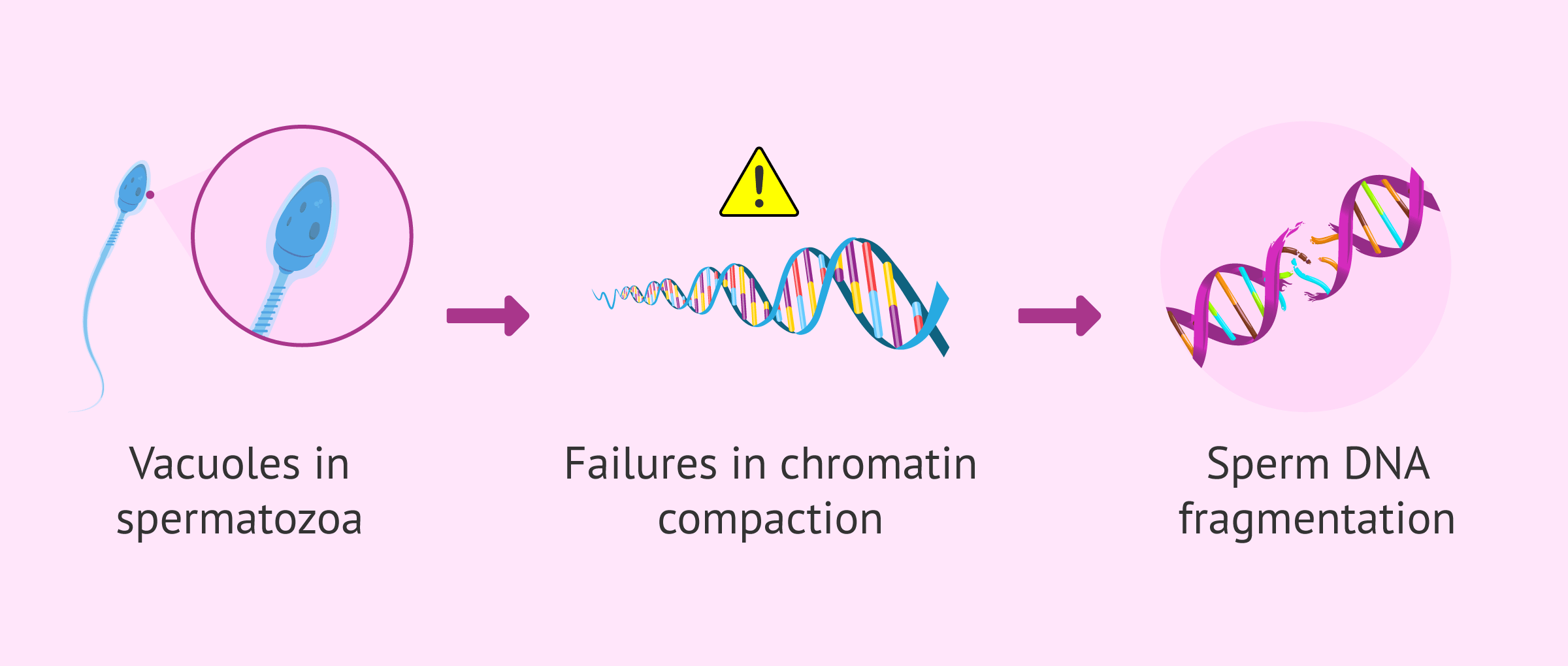
What are vacuoles in spermatozoa and do they have implications?
Vacuoles in spermatozoa are concavities in the sperm head, originating from the process of spermatogenesis. Vacuoles have been linked to defects in sperm chromatin condensation, which may affect reproductive outcomes.
Read more
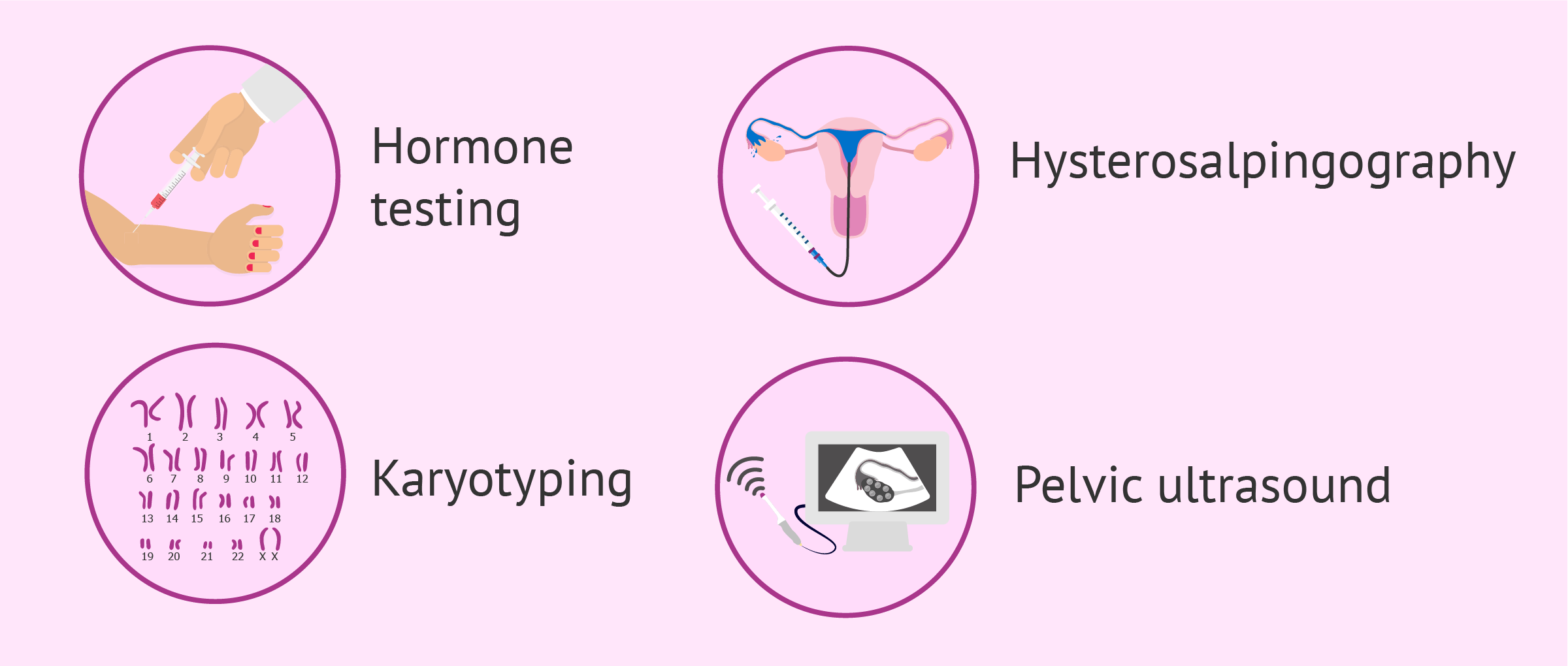
What are the fertility tests for women and what do they consist of?
To know if a woman is infertile, it is necessary to undergo fertility tests, including a hormone blood test, pelvic ultrasound, and hysterosalpingography.
Read more
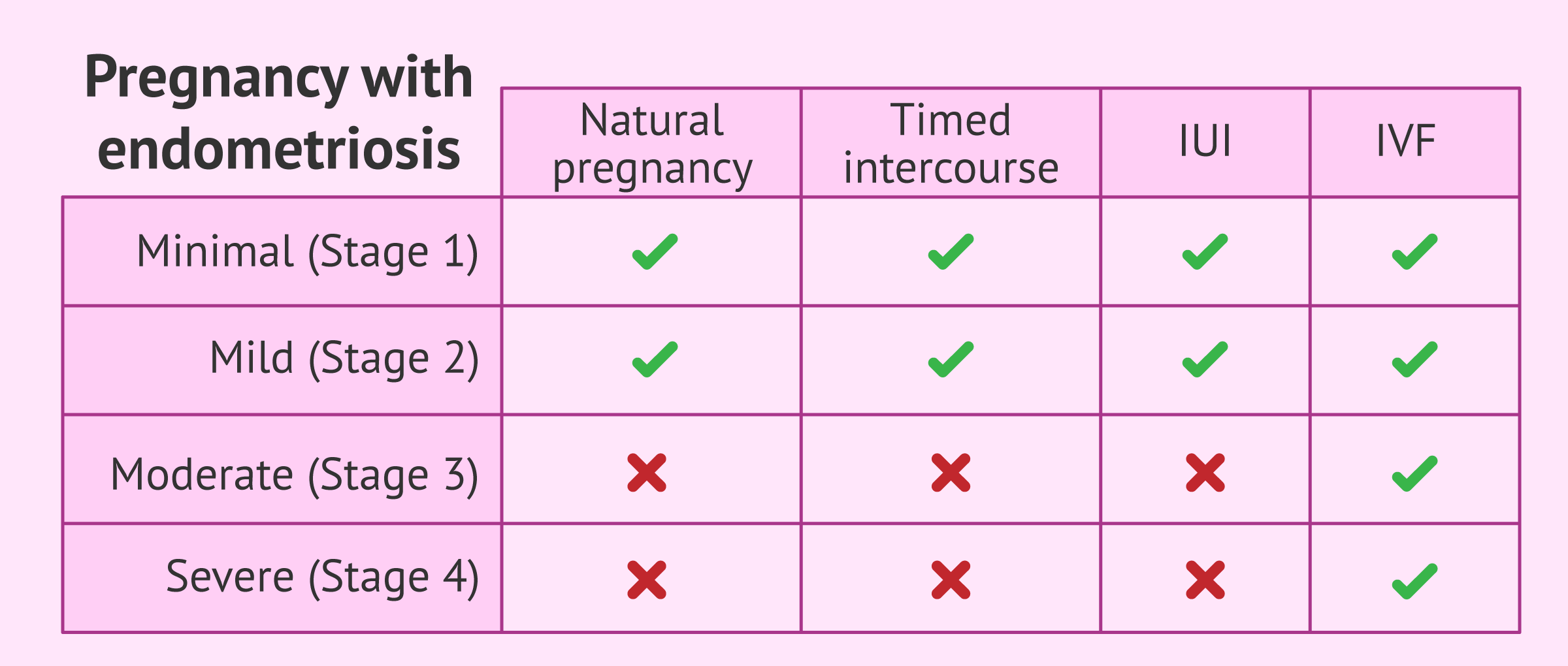
Can You Get Pregnant with Endometriosis? - Your Chances of Success
Endometriosis can affect a woman's chances of becoming pregnant naturally. The good news is that you can get pregnant with the proper treatment, including laparoscopic surgery, IUI, IVF and other fertility options that you can find explained in this guide to getting pregnant with endometriosis.
Read more
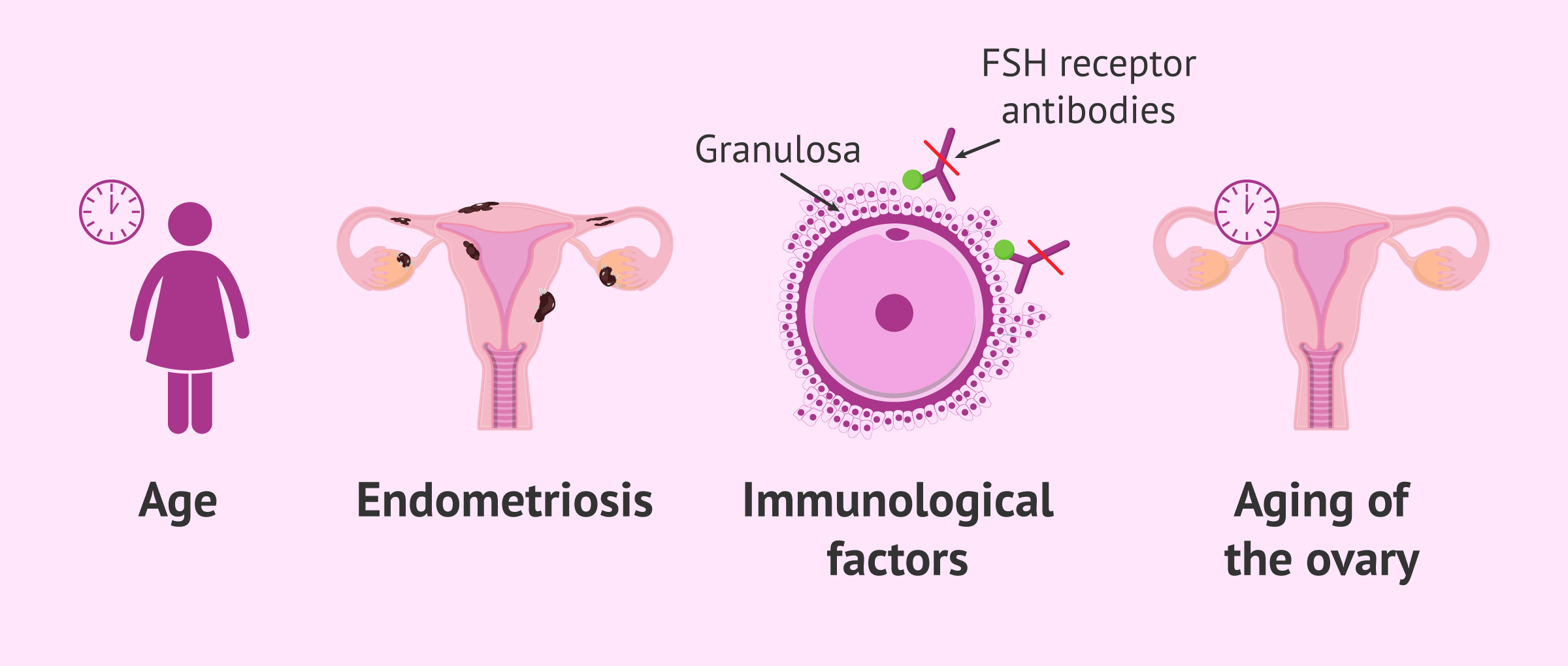
The low response to ovarian stimulation: causes and treatments
Low response is an undesired consequence of ovarian stimulation that hinders IVF treatments and the achievement of pregnancy.
Read more

What is the procedure for pre-implantation genetic diagnosis?
Preimplantation genetic diagnosis or PGD consists of analysing the genetic content of embryos obtained by IVF to rule out genetic and chromosomal abnormalities. To do this, it is necessary to perform a cell biopsy on the embryo and carry out a genetic study.
Read more
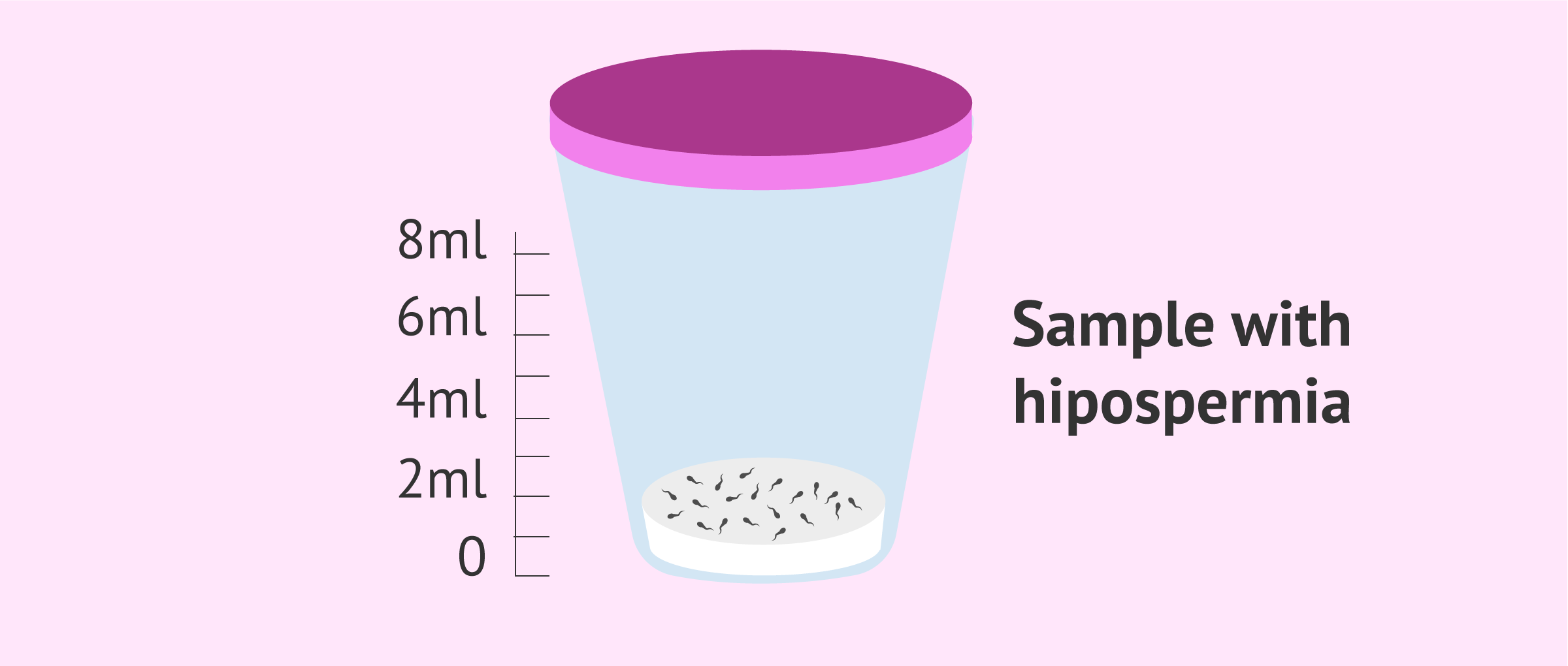
What Is the Normal Semen Volume in Males?
One of the factors that are evaluated in the sperm analysis is the volumen of ejaculated sperm. If very low quantity id expelled, is considered hypospermia, which is an alteration of male fertility.
Read more
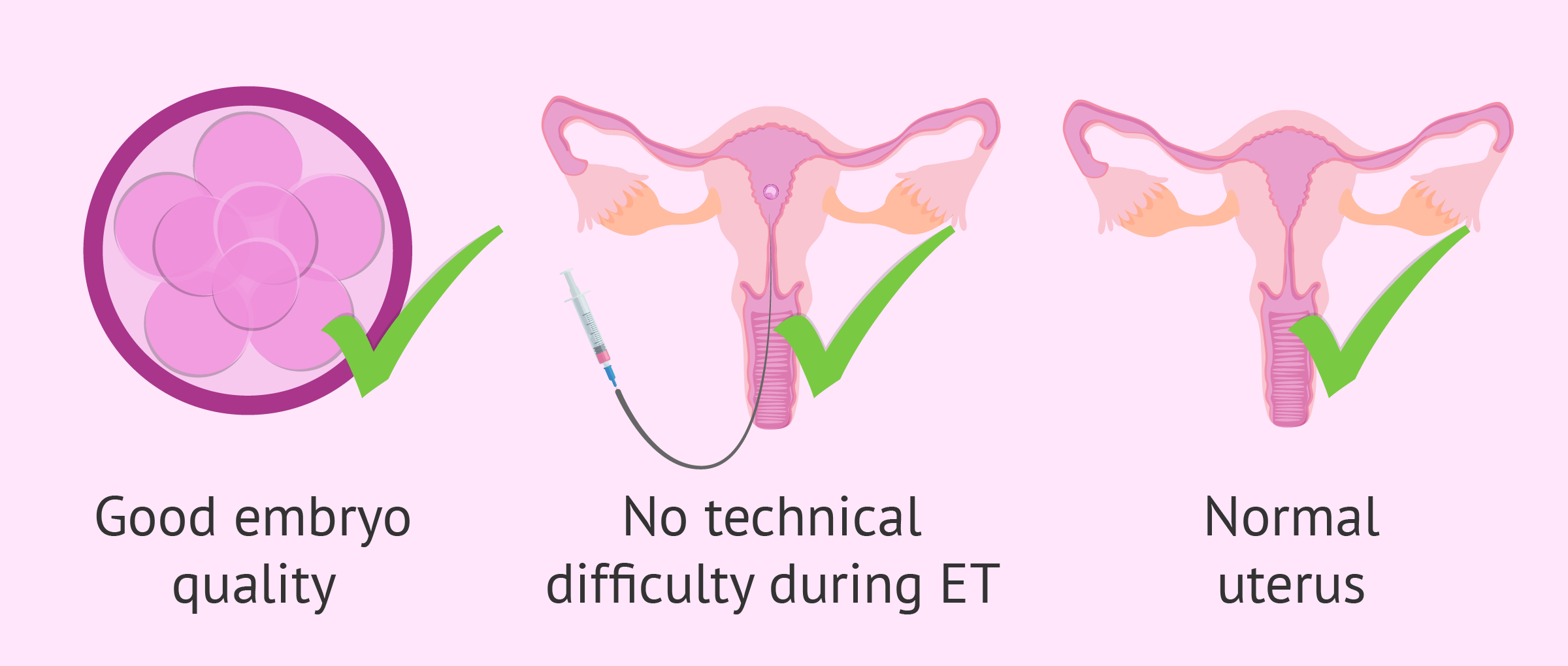
Repeated Implantation Failure - Reasons Why Embryos Don't Implant
Repeated or recurrent implantation failure (RIF) is detected when good quality embryos fail to implant after several cycles of In Vitro Fertilization (IVF). The causes of RIF can be due to maternal, embryonic, or systemic factors. Learn about the signs and treatments for RIF here.
Read more
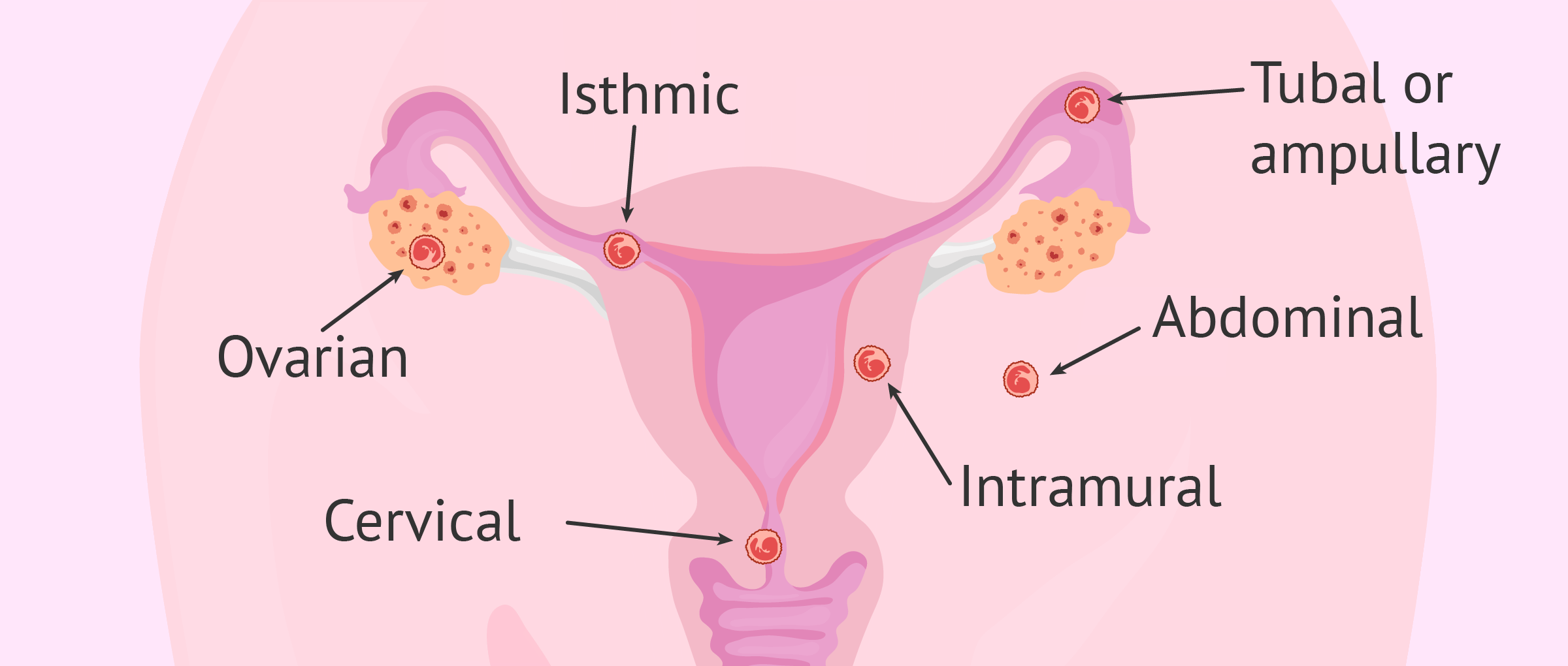
What is ectopic pregnancy? - Types, symptoms and diagnosis
An ectopic pregnancy occurs when the embryo implants outside the uterus, usually in the fallopian tube, which can lead to serious complications.
Read more
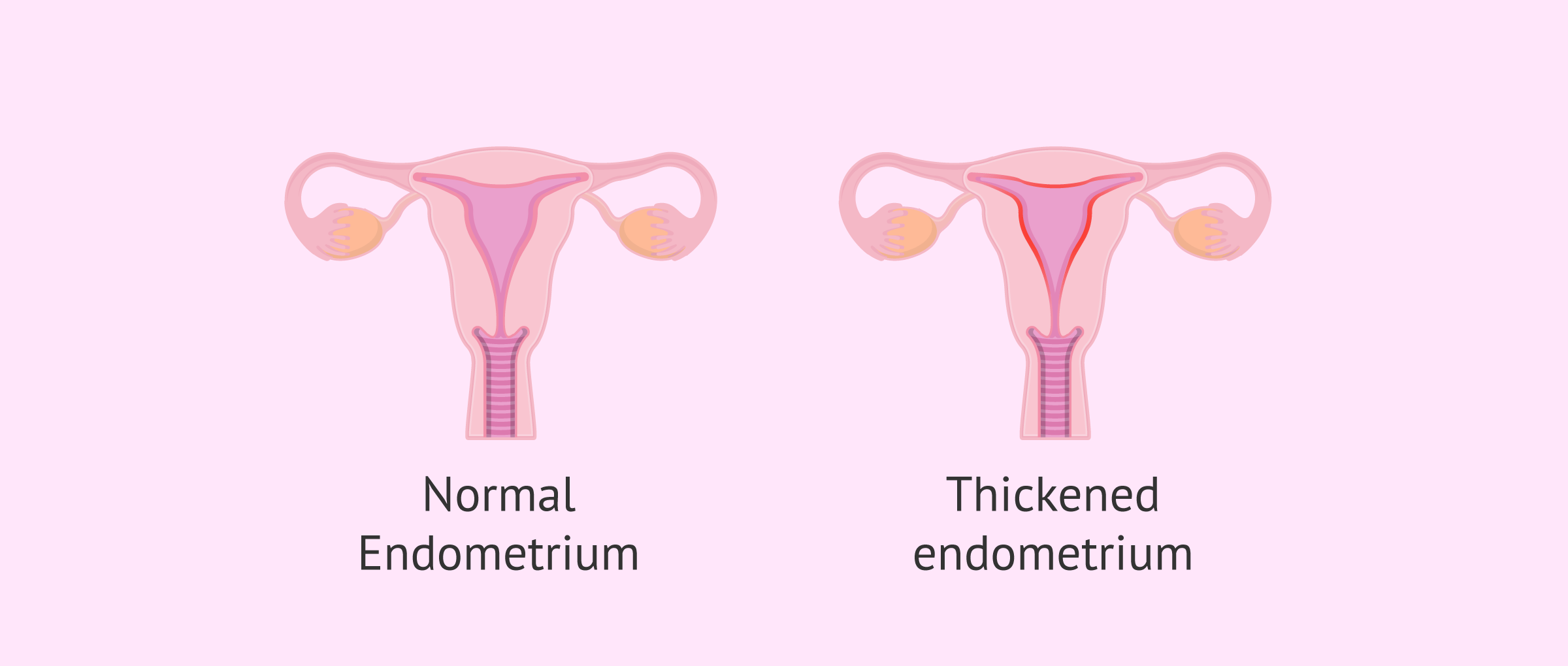
What is endometrial hyperplasia and why does it occur?
Endometrial hyperplasia is the excessive proliferation of cells in the endometrium, the layer that surrounds the uterus. This thickening of the endometrium is a benign condition, but it can progress to cancer. Therefore, a correct diagnosis, as well as adequate treatment, is essential to avoid problems.
Read more
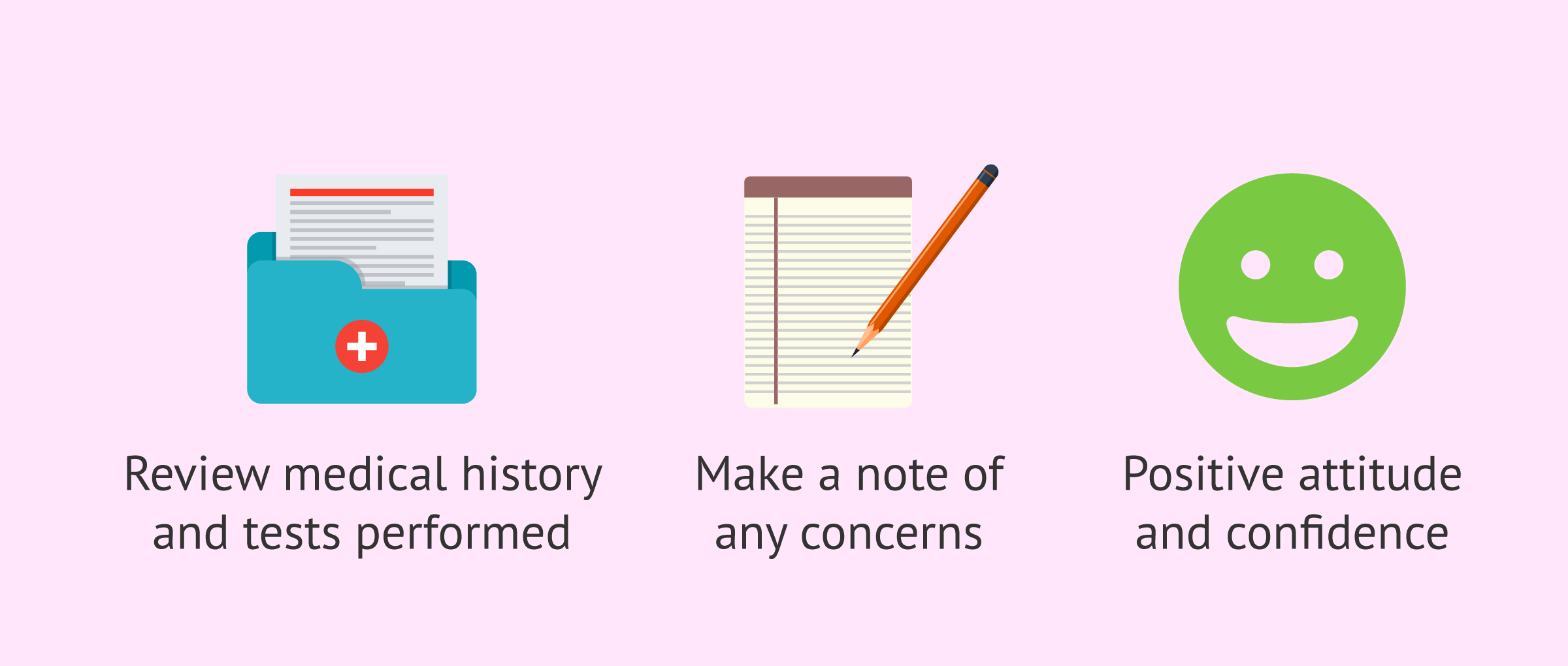
What Happens at Your First Fertility Clinic Appointment?
In the first visit to the assisted reproduction clinic the patients must tell how long the sterility period have been and an interview will be carried out.
Read more
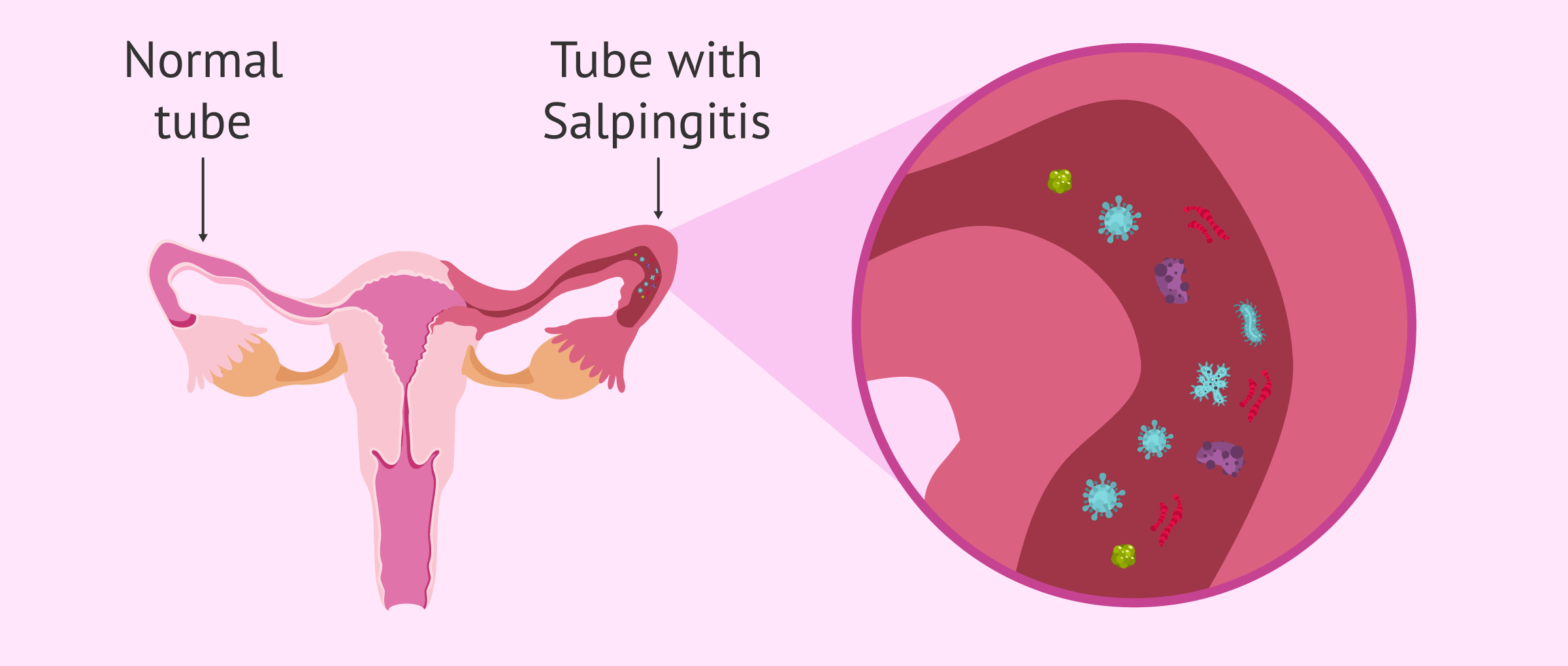
What Is Salpingitis? Causes, Symptoms & Treatment
Salpingitis is an inflammation or alteration of the structure of the fallopian tubes that can lead to both infertility and ectopic pregnancy. Some symptoms of salpingitis are pelvic pain, fever, irregular menstrual bleeding, and vaginitis, among others.
Read more

