
Article
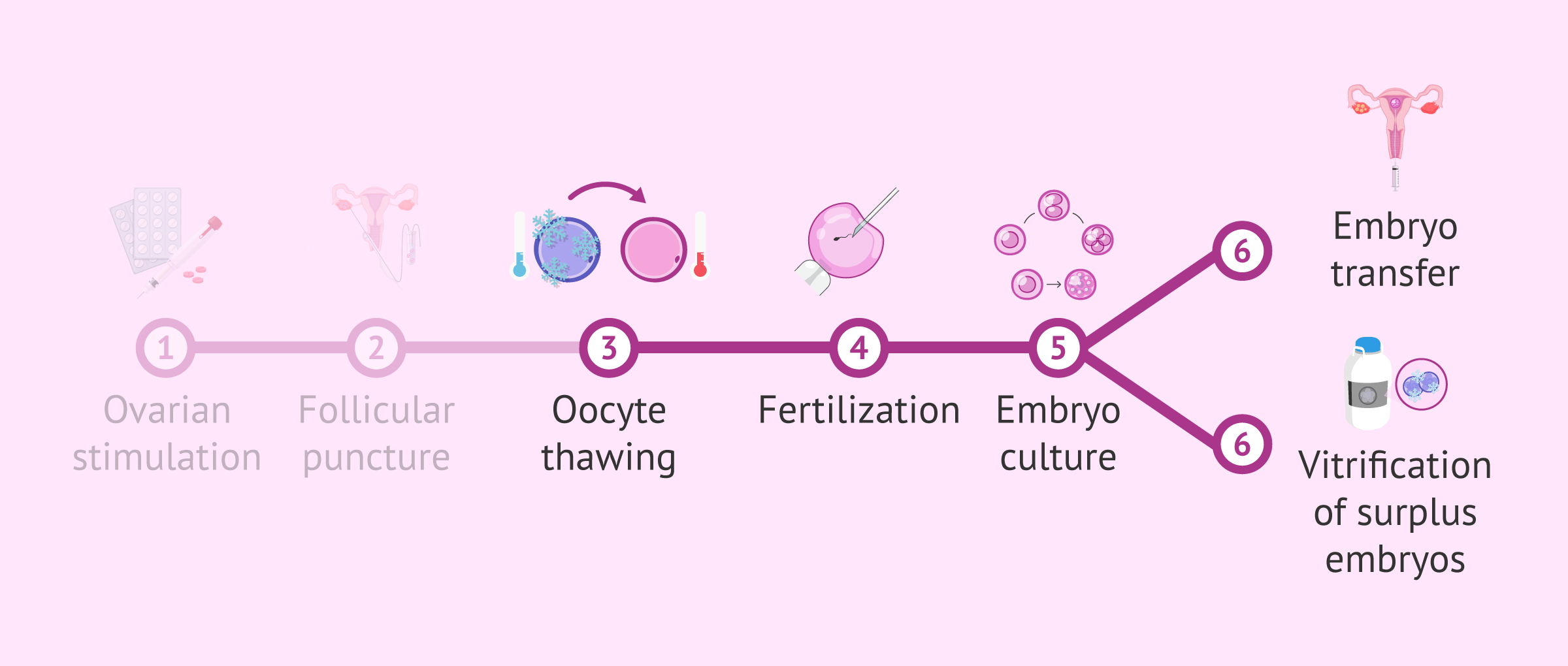
What is IVF with vitrified eggs and what are the results like?
IVF with vitrified eggs is a form of IVF that has similar success rates to IVF with fresh eggs. This reproductive treatment is indicated for women who wish to preserve their fertility, either for oncological, economic and/or social reasons, among other situations.
Read more
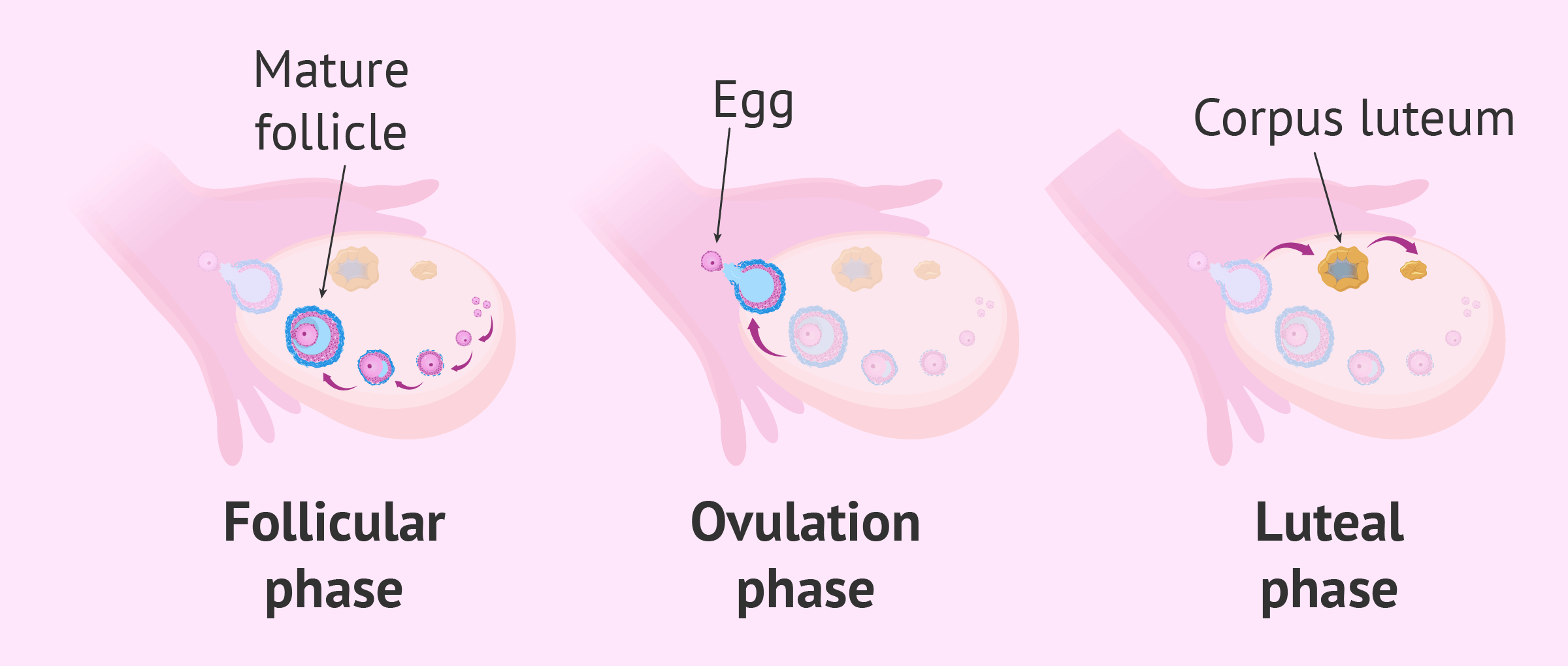
When does ovulation occur? What are the symptoms of it?
Ovulation is the phase of the menstrual cycle when an egg is released from the ovary to the Fallopian tube. It marks the beginning of the fertility window in women.
Read more

Sperm Test Results Explained - Interpretation & Normal Values
Understanding correctly the results of a semen analysis report is crucial to get valuable information about the quality of the sperm you produce and your overall fertility, especially if you are planning on trying for a baby.
Read more

What are some of the main advantages of in vitro fertilization?
IVF allows pregnancy in patients with severe infertility problems. Among its many advantages are the success rates, the possibility of vitrification and the application of other complementary techniques.
Read more
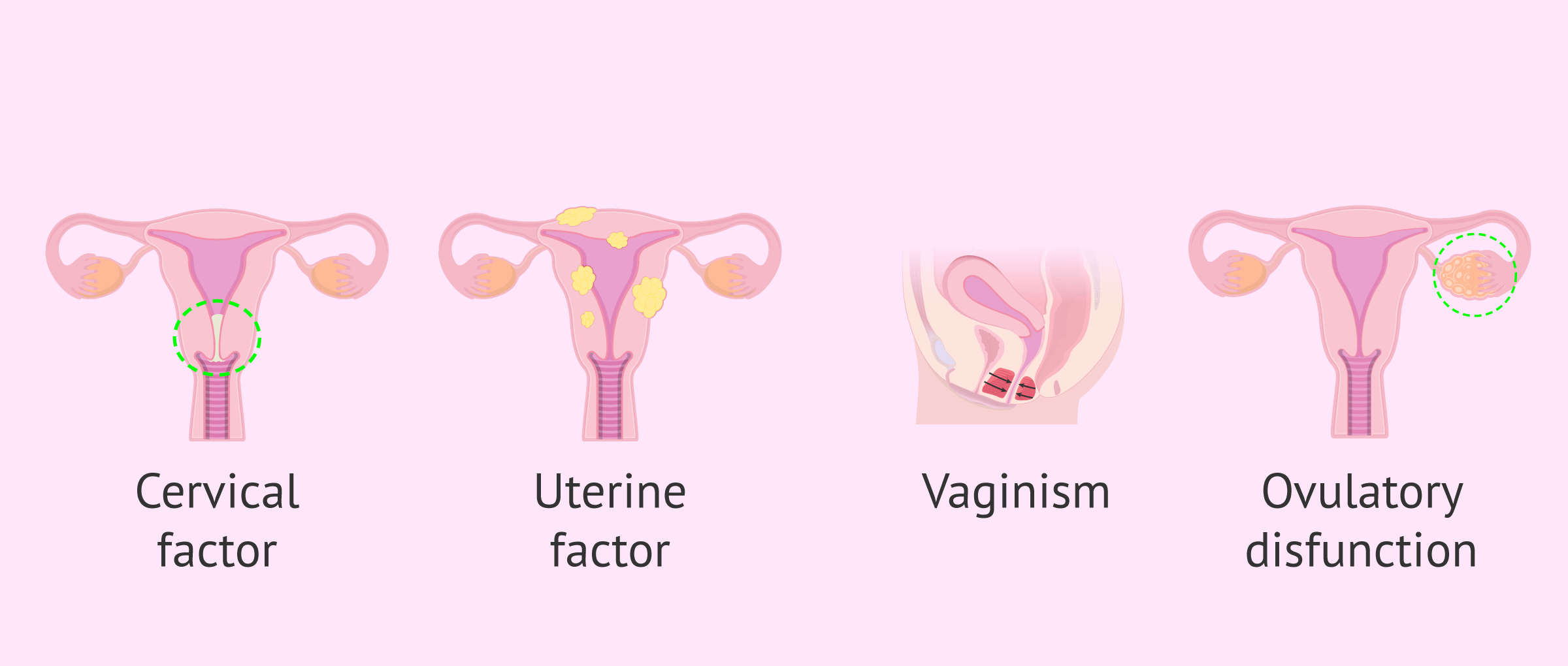
Artificial Insemination Indications - Why & When to Use It?
Artificial insemination is used in mild cases of infertility. Here you will find information on when to use both Artificial Insemination by Husband (AIH) and by Donor (AID).
Read more
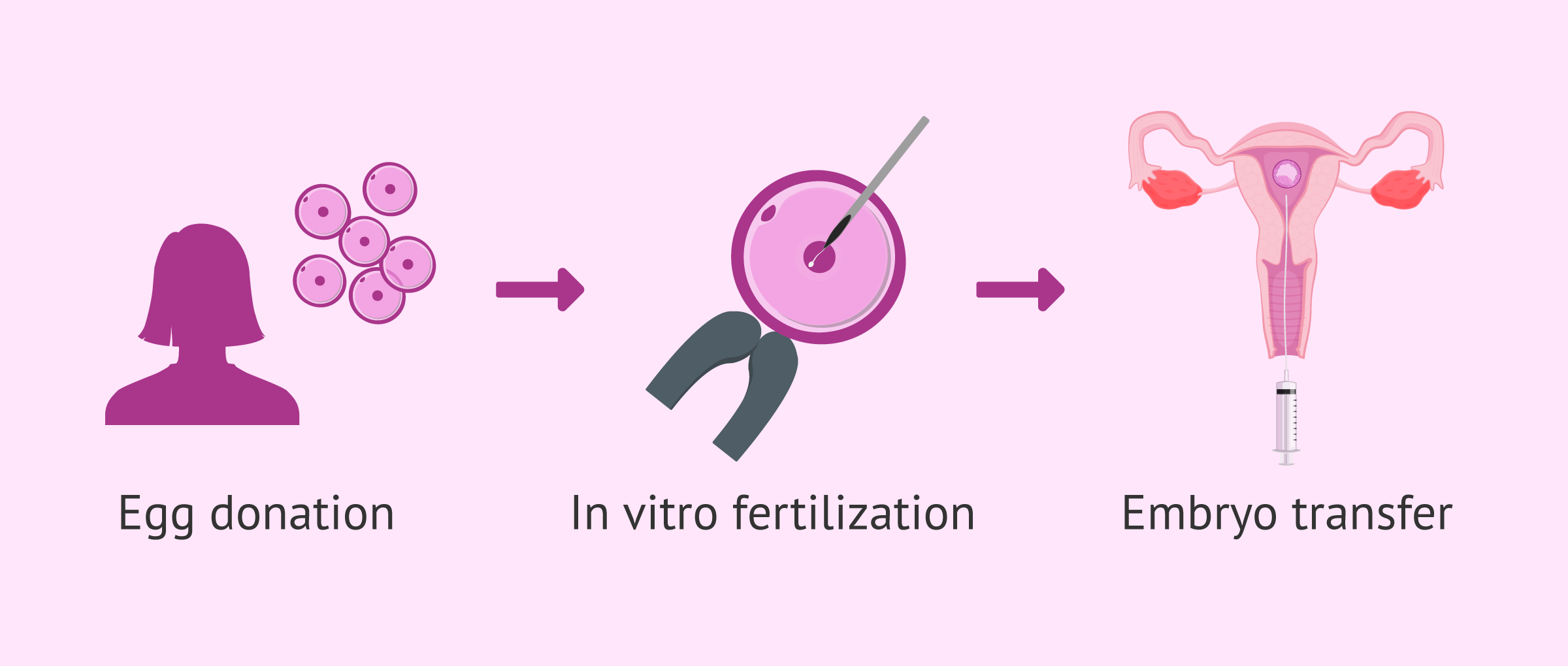
What is IVF with egg donation and how much does treatment cost?
IVF with egg donation is an assisted reproduction treatment that makes it possible to achieve pregnancy in those patients who cannot become mothers with their own oocytes, either due to advanced maternal age, transmissible genetic alterations, low ovarian reserve, etc.
Read more

What is the price of a complete semen analysis in Spain?
A semen analysis costs approximately €50-170. This price increases if it is a REM spermiogram or with motile sperm count. In addition, sperm DNA fragmentation or other complementary tests performed on semen are more expensive.
Read more

Cryopreservation & Vitrification of Embryos, Sperm & Eggs
Cryopreservation of gametes and embryos provides flexibility when it comes to preserving one's fertility. Learn about the methods available and costs here.
Read more
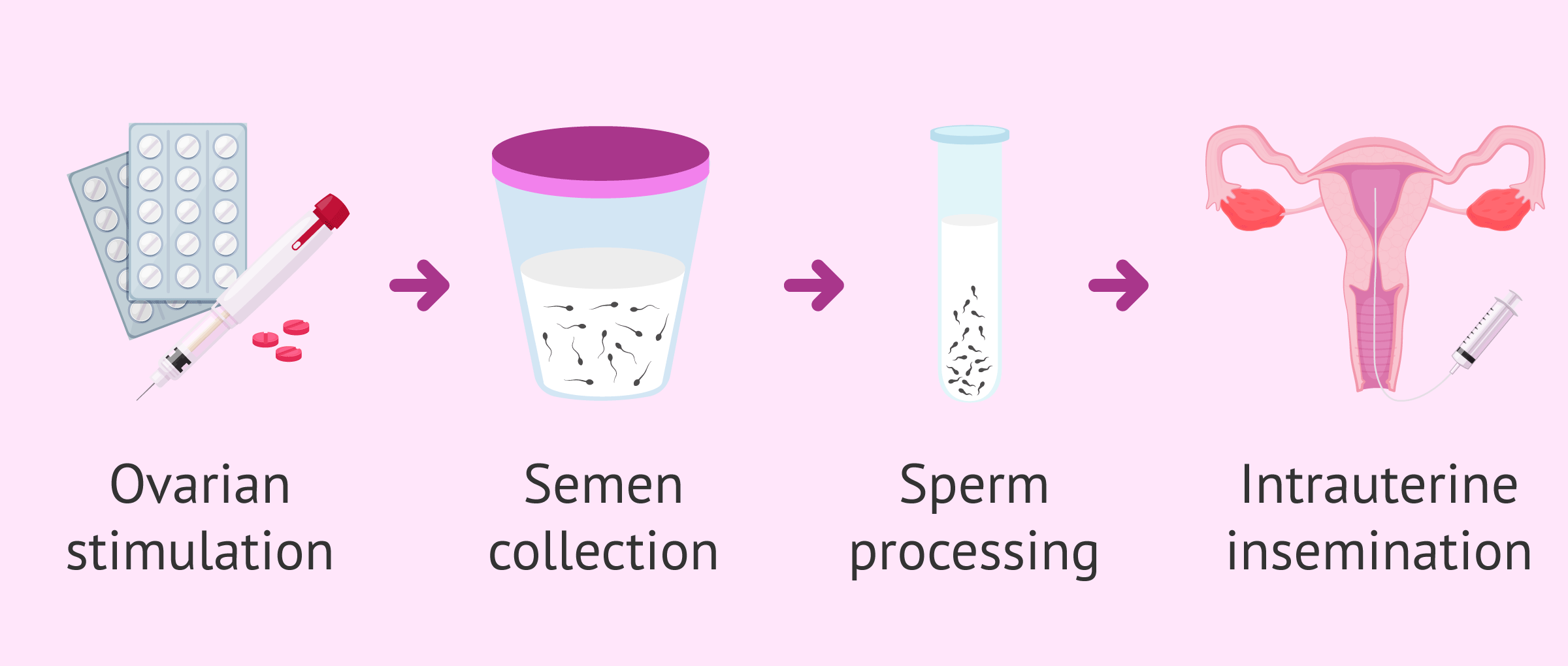
What is intrauterine insemination (IUI) with partner's sperm?
Artificial insemination by husband or homologous insemination is an assisted reproductive technique that consists of introducing a sample of the partner's capacitated semen into the woman's uterus to increase the probability of pregnancy.
Read more
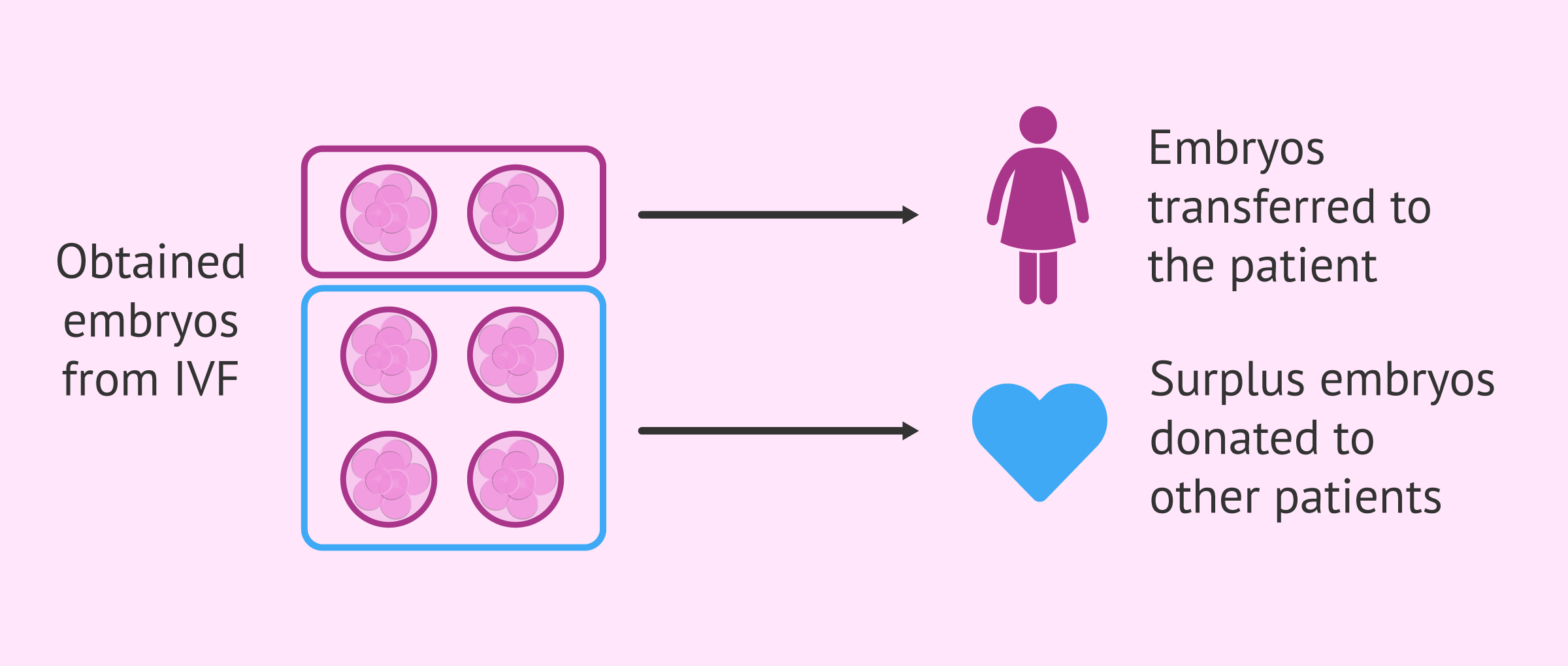
What is embryo donation and adoption and when is it recommended?
Embryo donation and adoption is a process by which a couple donates their unused embryos from IVF so that another couple adopts the embryo and can have a baby.
Read more

The role of men in assisted reproduction techniques
The woman gets most of the attention when a heterosexual couple visits a fertility center. However, the man's role should not be in the background, but both should feel involved and active to achieve a common vital project such as having their baby.
Read more
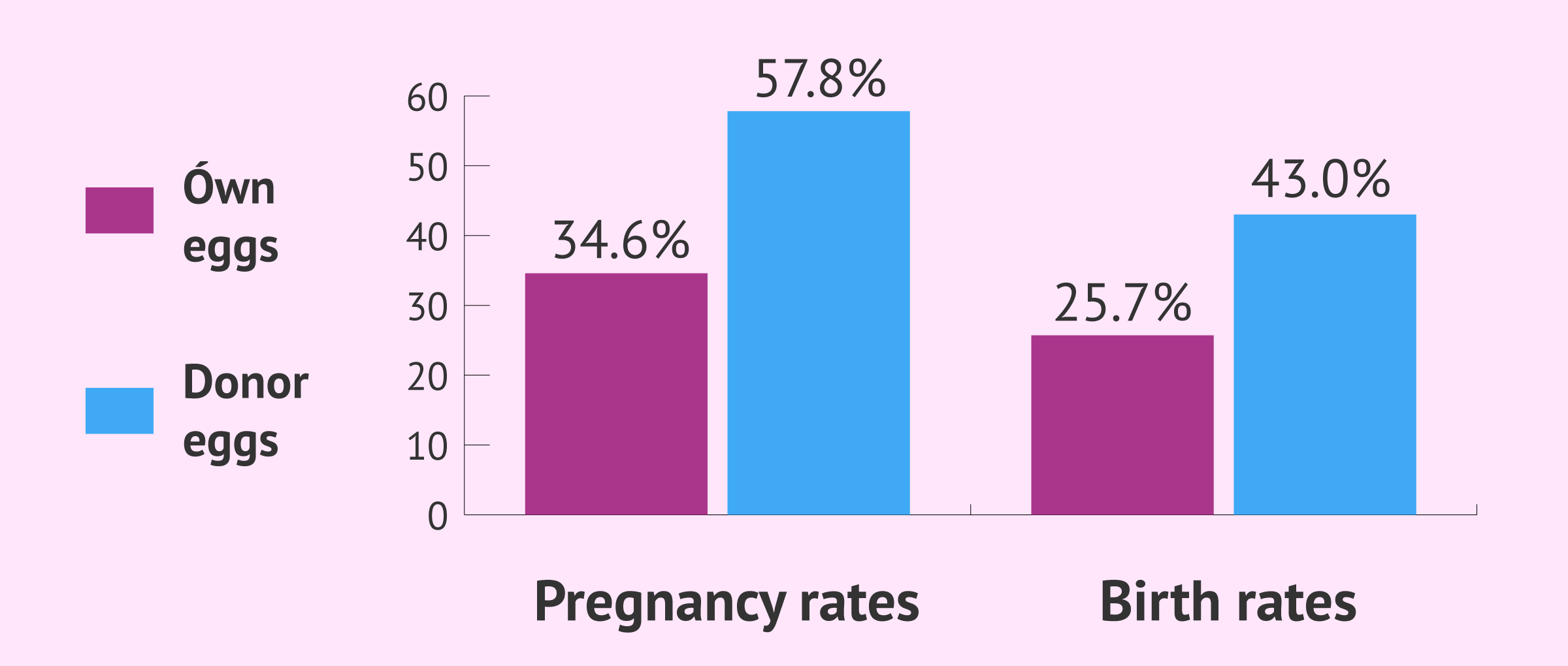
IVF with egg donation: what are the chances of getting pregnant?
Ovodonation is one of the assisted reproduction treatments with the highest success rates, since the probability of achieving pregnancy after an embryo transfer is approximately 57.5%. This is due to the use of very good quality eggs.
Read more

