
Article
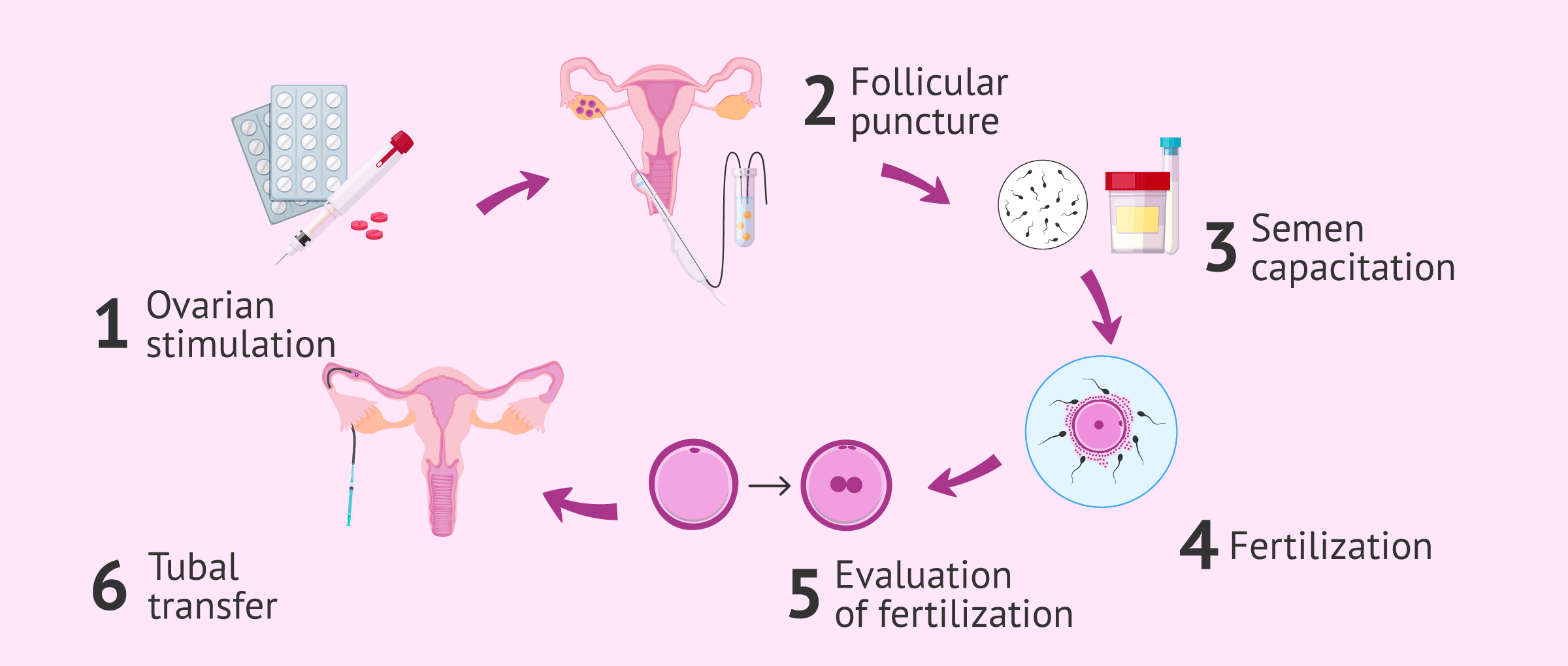
Intrafallopian zygote transfer - Advantages and disadvantages
Also known as zygote intrafallopian transfer or ZIFT, zygote intrafallopian transfer is an assisted reproductive technique in which zygotes are inserted directly into the woman's fallopian tubes. However, ZIFT is in disuse because it is more invasive than other techniques.
Read more
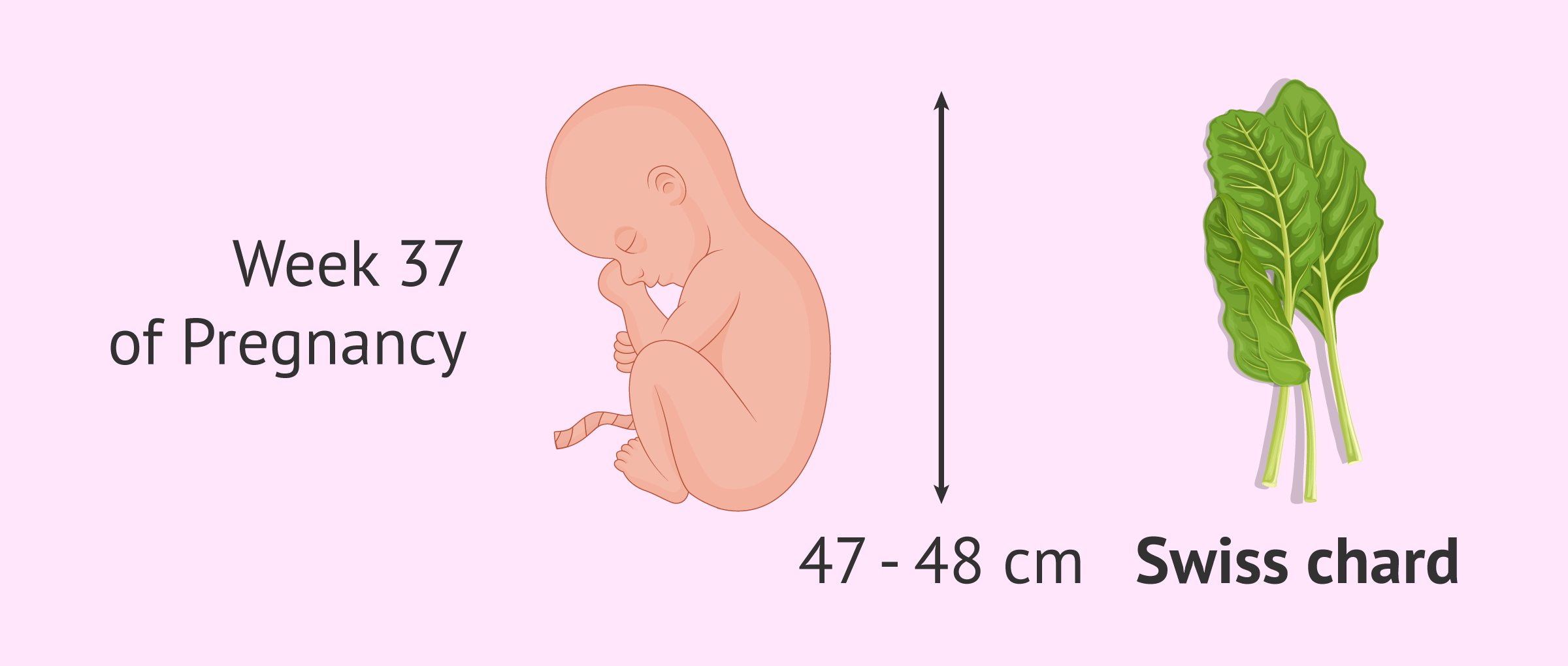
Week 37 of pregnancy: What changes are there in the baby and the mother?
In week 37 of pregnancy, the baby continues to grow. If birth occurs in week 37 of pregnancy, it would no longer be considered premature.
Read more

What is antiphospholipid syndrome (APS) and how does it affect pregnancy?
Antiphospholipid syndrome (APS) is a disorder that affects blood coagulation due to the presence of antiphospholipid antibodies (APA). This disease should be taken care of in pregnant women, as it is related to obstetric problems such as miscarriages, fetal loss and premature births.
Read more
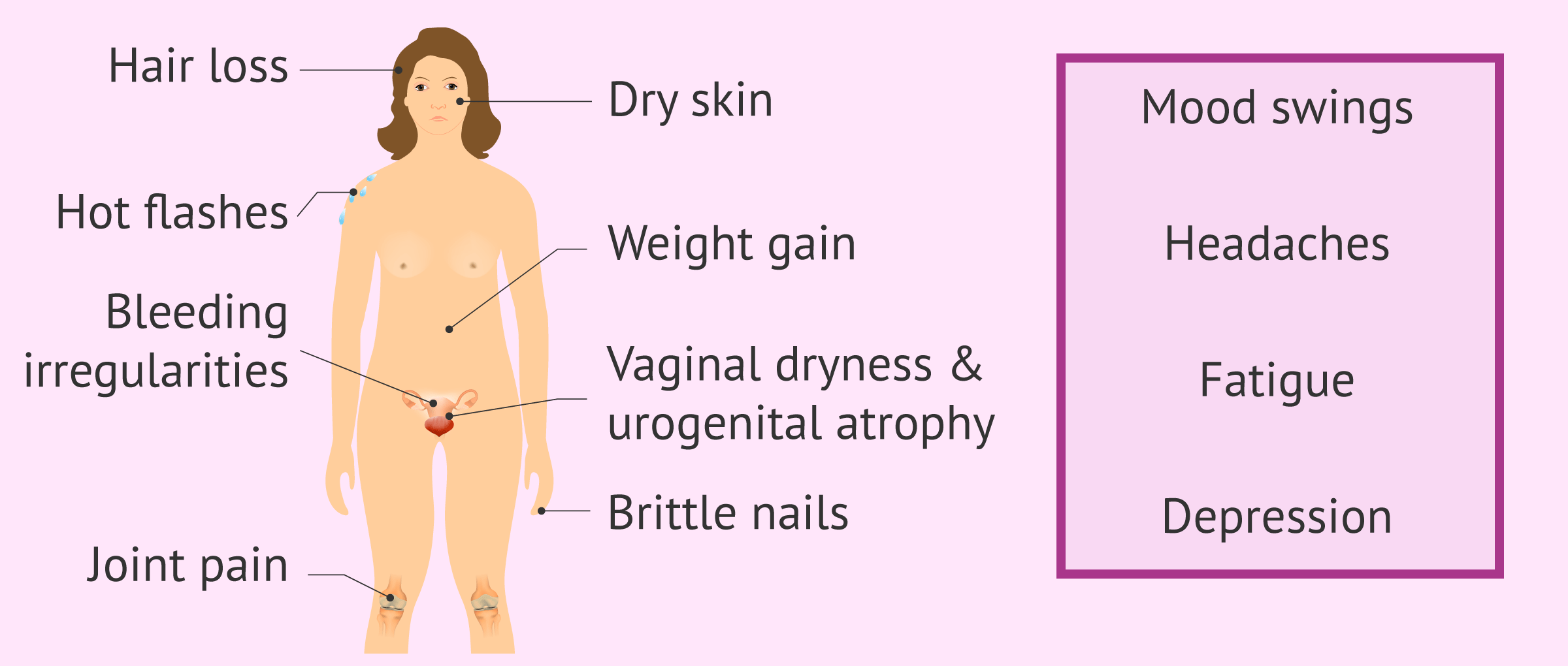
What Is Menopause? - Age, Causes, Symptoms & Treatment
Menopause is a stage of a woman's life that marks the ceasing of ovarian function after 12 months without menstrual periods. It is a gradual process that typically happens in your 40s or 50s, and it has a series of common symptoms like hot flashes, mood swings, vaginal dryness, cramps, dizziness, etc.
Read more

What Is Perimenopause? Symptoms and Pregnancy Possibility
Perimenopause is the transition period until menopause. It usually happens in women between 40 and 48 years old and many of them experience recurrent symptoms.
Read more

What is the two-week wait? - Symptoms and tips after treatment
All couples trying to conceive, whether naturally or by assisted reproduction, have ever heard about the dreaded two-week wait or 2WW. Indeed, it is the time period between ovulation or the embryo transfer, and the moment when you can take a pregnancy test. Here's what you can expect and tips to survive it.
Read more
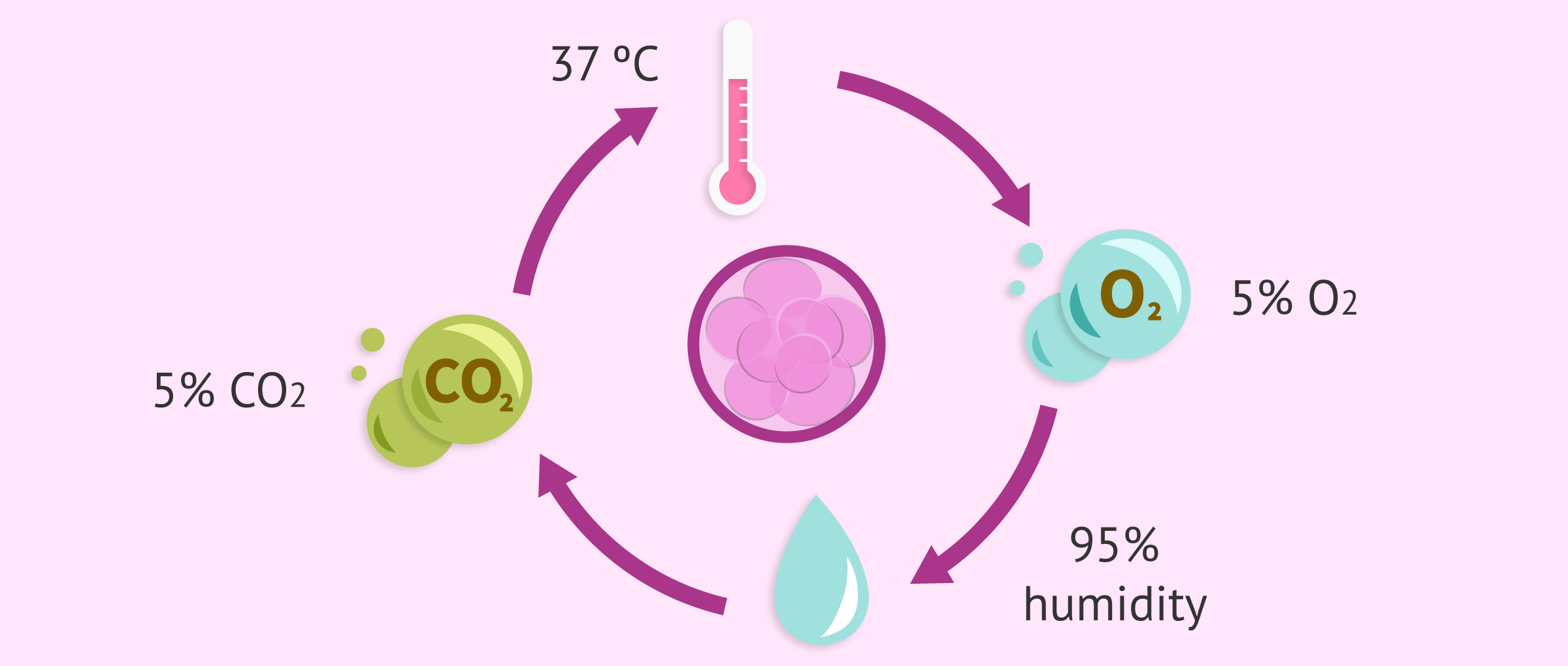
Embryo culture in the in vitro fertilization laboratory (IVF)
Egg and embryo culture is an essential phase of in vitro fertilization (IVF) treatments. It can be performed in short or long culture.
Read more
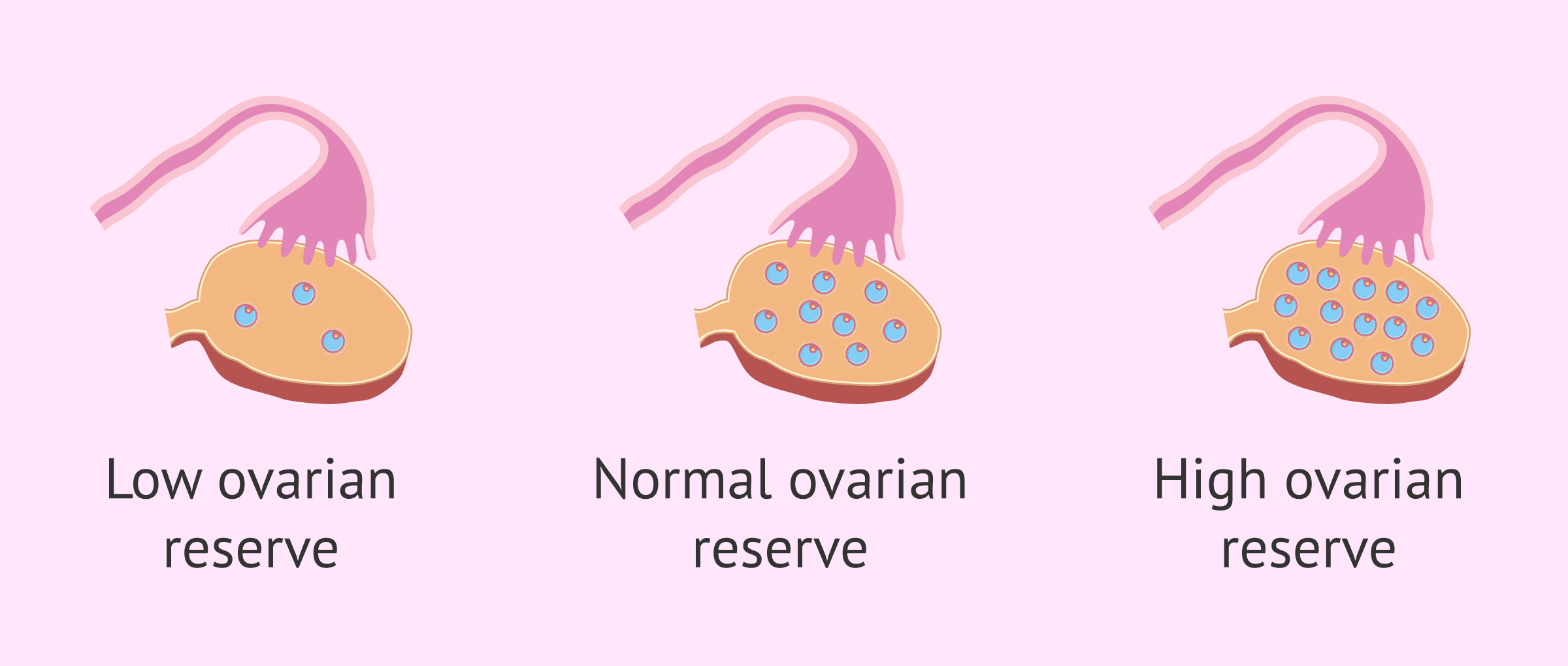
Ovarian reserve tests: What they are and how to interpret them
Ovarian reserve refers to the number of eggs still remaining in a woman's ovary at a given time. Currently, there are several methods to measure a woman's ovarian reserve, but the most commonly used are antral follicle count (AFR) and anti-Müllerian hormone (AMH) determination.
Read more

What are Estrogens? Types, Functions and Drugs
Estrogens are sex hormones found mainly in women whose function is to stimulate the development of female sex organs, the appearance of secondary sex characteristics and regulate the menstrual cycle.
Read more

Sperm DNA Fragmentation - Causes & Effect on Fertility
Sperm DNA fragmentation is a cause of male infertility. It can prevent natural conception by causing repeated miscarriages, or result in non-viable embryos after fertilization.
Read more

What is the treatment of ectopic pregnancy?
Ectopic pregnancy is a pregnancy that occurs outside the uterine cavity and therefore cannot develop normally. In addition, the complications that can be associated with this type of pregnancy can endanger the patient's life. Thus, early diagnosis and treatment is essential.
Read more
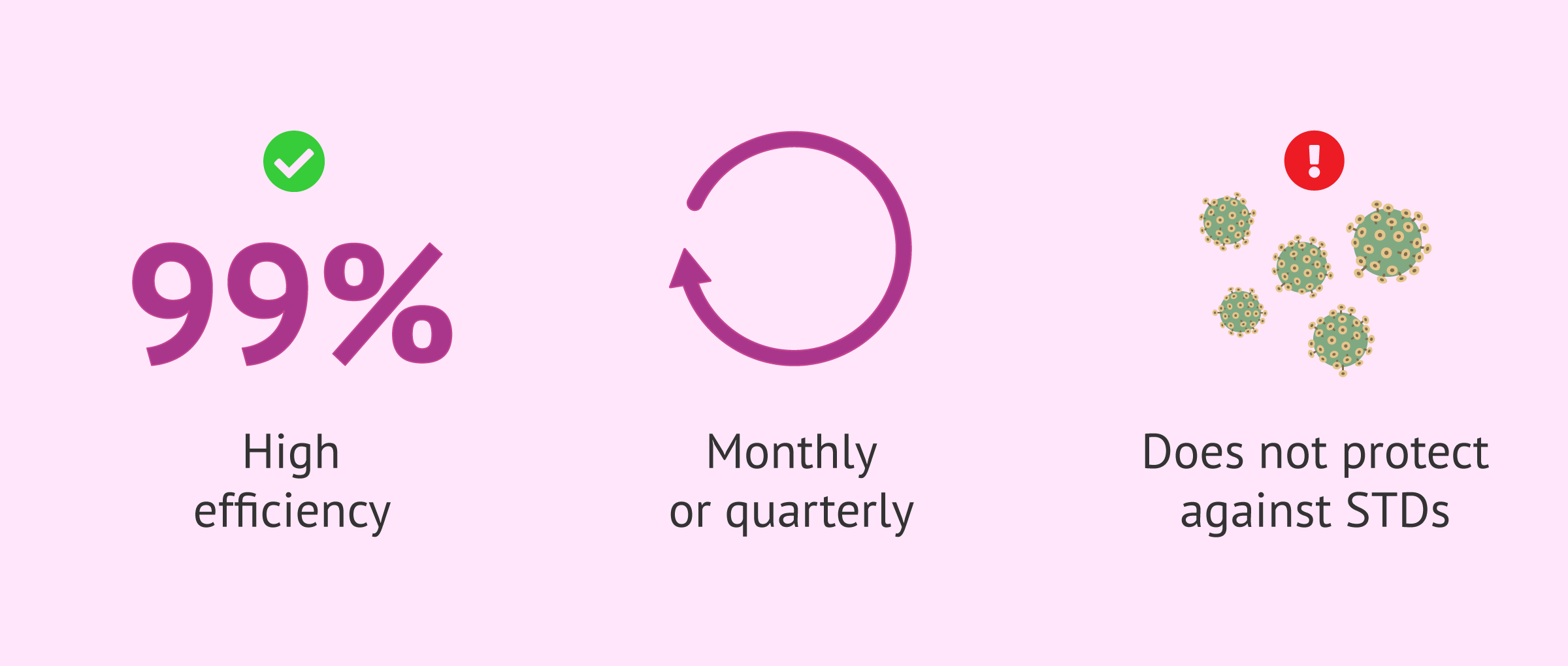
What is the contraceptive injection and how is it used?
The contraceptive injection is an injectable hormonal method of contraception, very effective if given at the right time. Injectable contraceptives also have a number of other benefits, but their use must be indicated by a physician who evaluates that it is the most appropriate contraceptive method for the woman.
Read more

