
Featured Publications

What is vaginal or vulvovaginal atrophy and what are its causes?
Vaginal atrophy is caused by declining estrogen levels, especially at menopause. However, situations such as childbirth or breastfeeding can also cause vaginal atrophy. Both hormonal and non-hormonal treatments are available to improve the symptoms of vaginal atrophy.
Read more
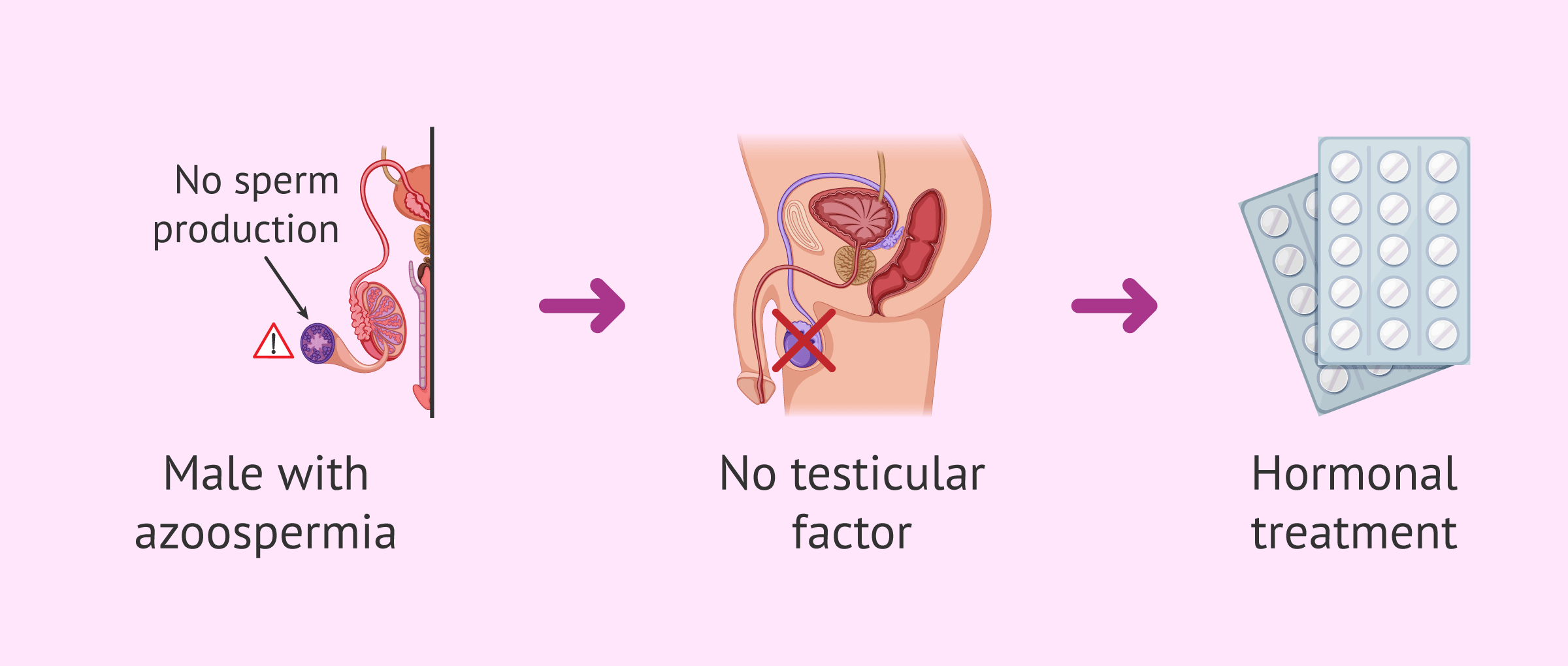
What is the best treatment for men with azoospermia?
Azoospermia is a seminal alteration characterized by the absence of spermatozoa in the ejaculate. Depending on the type of azoospermia, we will apply a hormonal or surgical treatment. It is also possible for natural treatment to resolve azoospermia in the male.
Read more
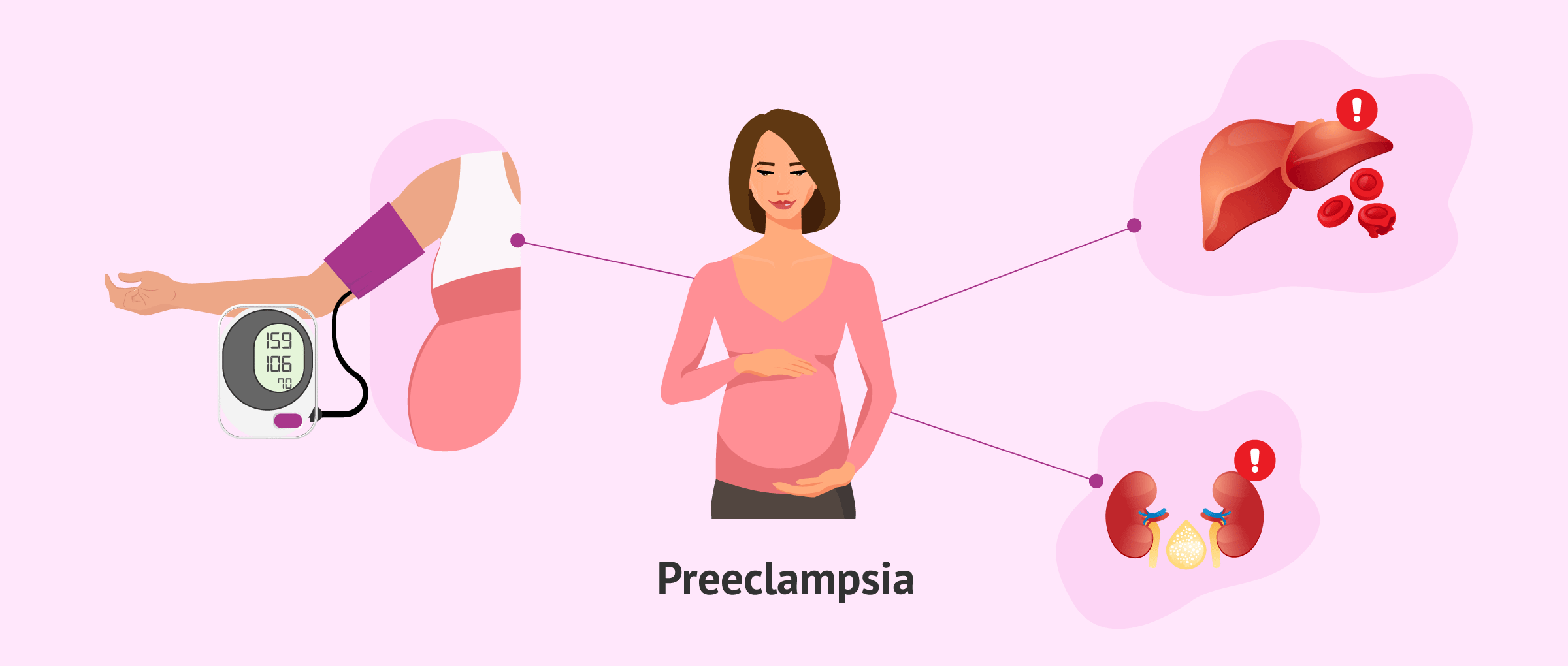
What is preeclampsia in pregnancy and why does it occur?
Preeclampsia is a condition that usually appears after the 20th week of gestation. The exact cause of preeclampsia is not known, but there are several risk factors. In any case, it is important to establish treatment as early as possible to avoid complications for mother and baby.
Read more
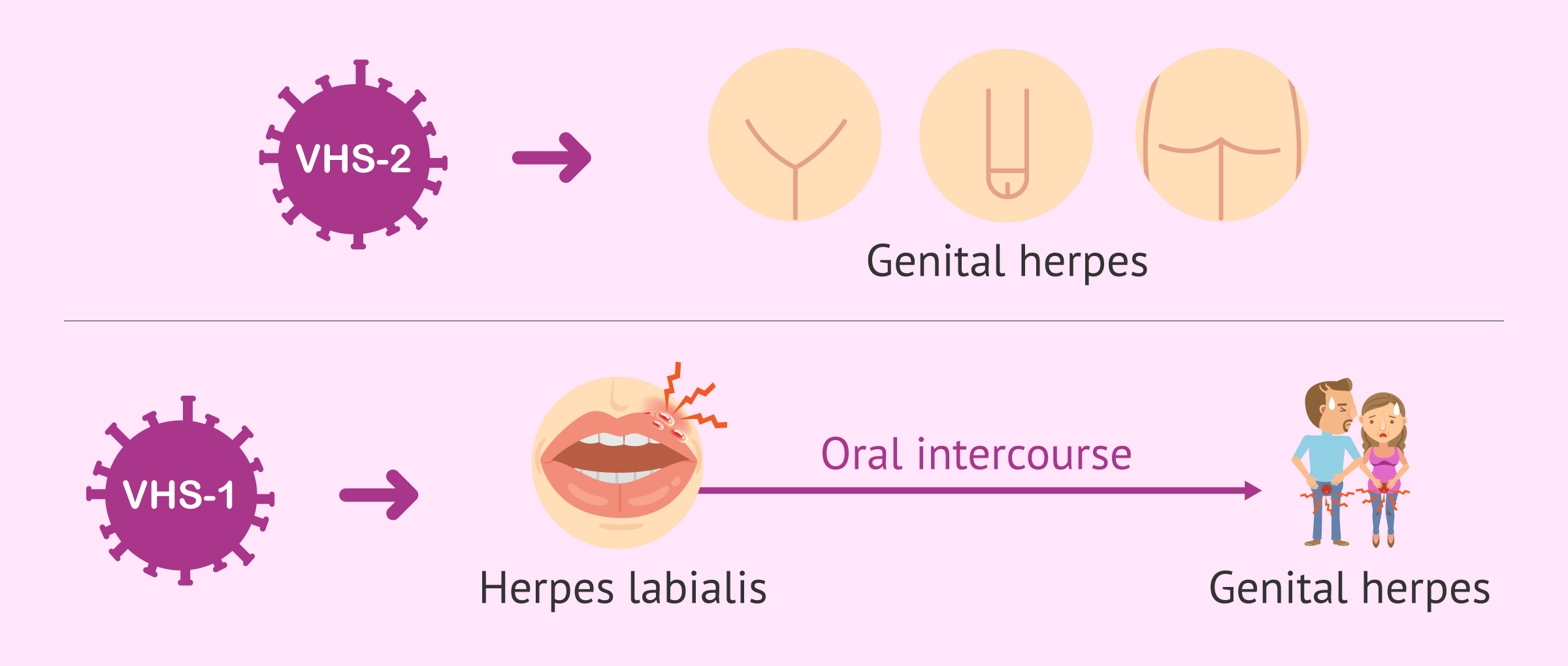
Genital herpes: What are the symptoms and is it treatable?
El herpes genital es una infección de transmisión sexual (ITS) común causada por el virus del herpes simple tipo 1 o tipo 2. Esta ITS se caracteriza por la presencia de ampollas que se rompen formando llagas dolorosas. Además, el virus queda latente dentro del organismo y puede reactivarse, dando lugar a nuevos brotes.
Read more

What is HELLP syndrome and what are the consequences for the baby?
HELLP syndrome is a variant of pre-eclampsia that can lead to pregnancy complications and premature birth. If HELLP syndrome is diagnosed and treated early, the life of the pregnant woman and her baby is not at risk.
Read more
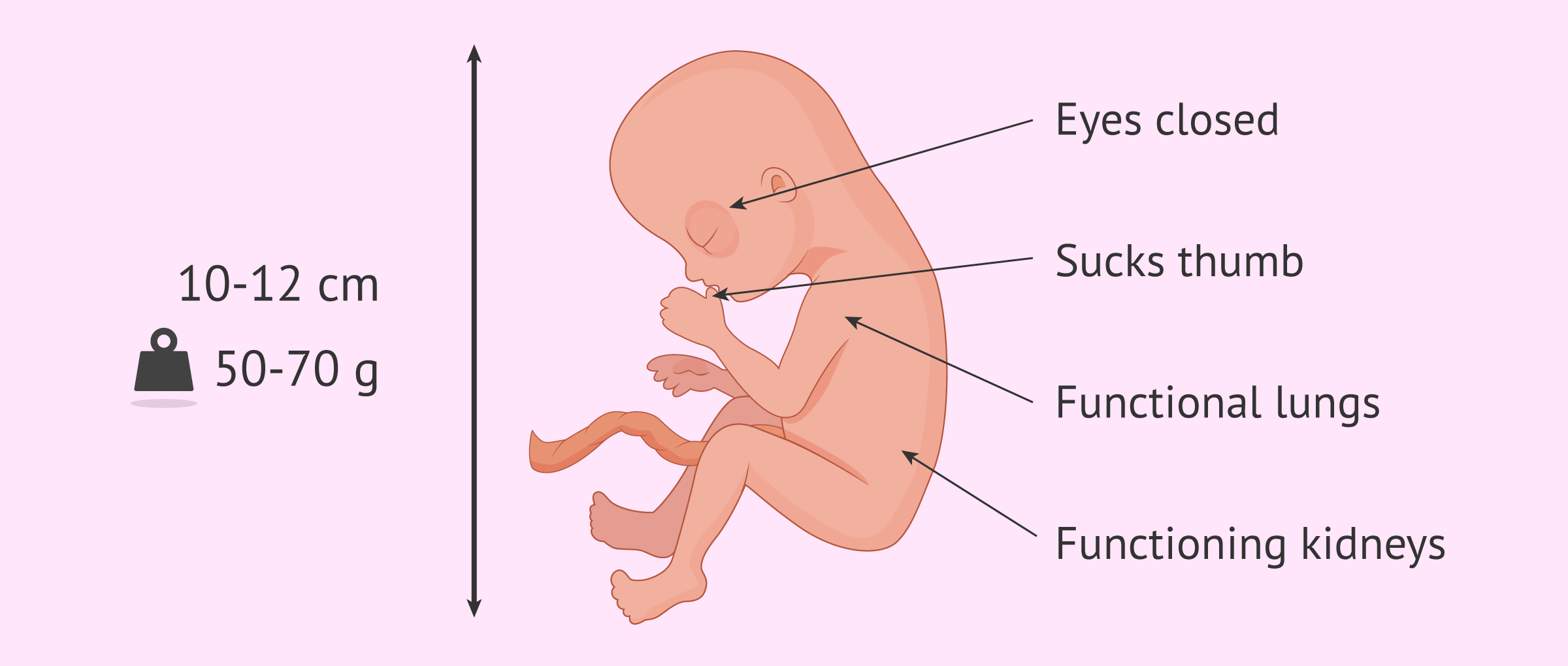
What Happens During the 4th Month of Pregnancy?
Month 4 of pregnancy covers from weeks 13 to 16. It characterizes for a stability in hormone levels, and symptoms become less unpleasant.
Read more
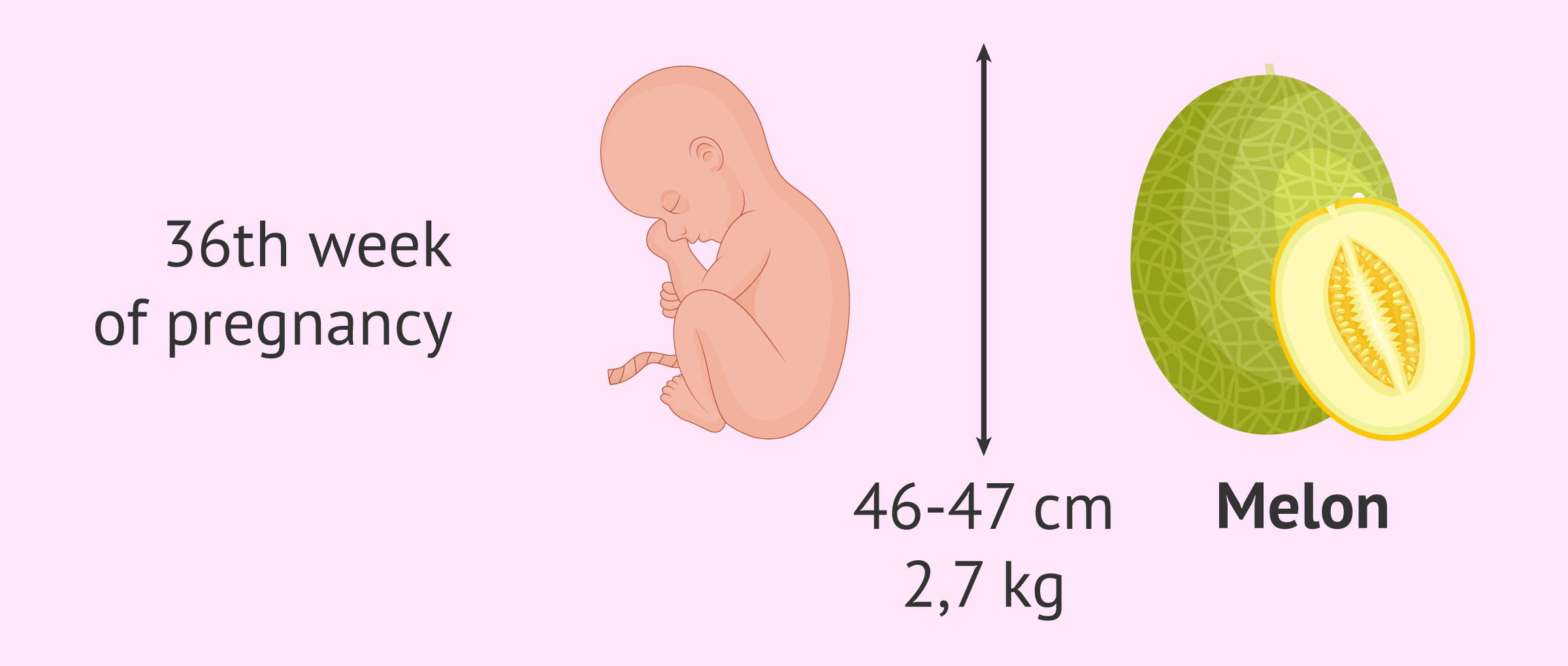
36th week of pregnancy: changes in the baby and symptoms in the mother
In the 36th week of pregnancy the baby is already 46-47 centimetres in size and weighs around 2700 grams. However, if the baby is born at this time, it is still premature. On the other hand, the mother will have symptoms and discomfort due to the size of her belly at this stage of pregnancy.
Read more

Is mobile phone use linked to poor semen quality?
Mobile phones are increasingly used by people of a wide age range. However, the radiofrequency electromagnetic waves they emit may have adverse health effects that are often unknown or ignored. Among them is the impairment of male fertility.
Read more
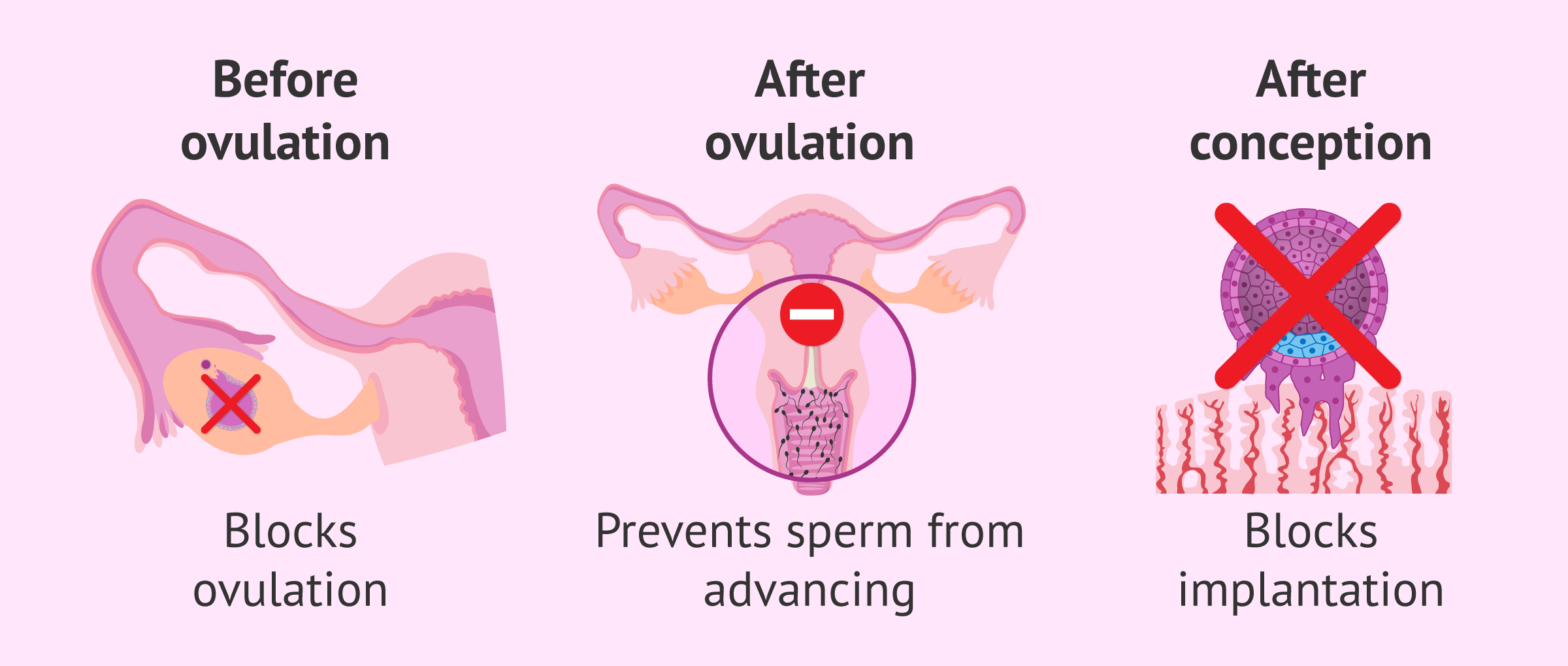
Morning-after pill: what are its effects and cost?
The morning-after pill, while offering a high degree of effectiveness if taken within hours of intercourse, is not 100 per cent reliable.
Read more
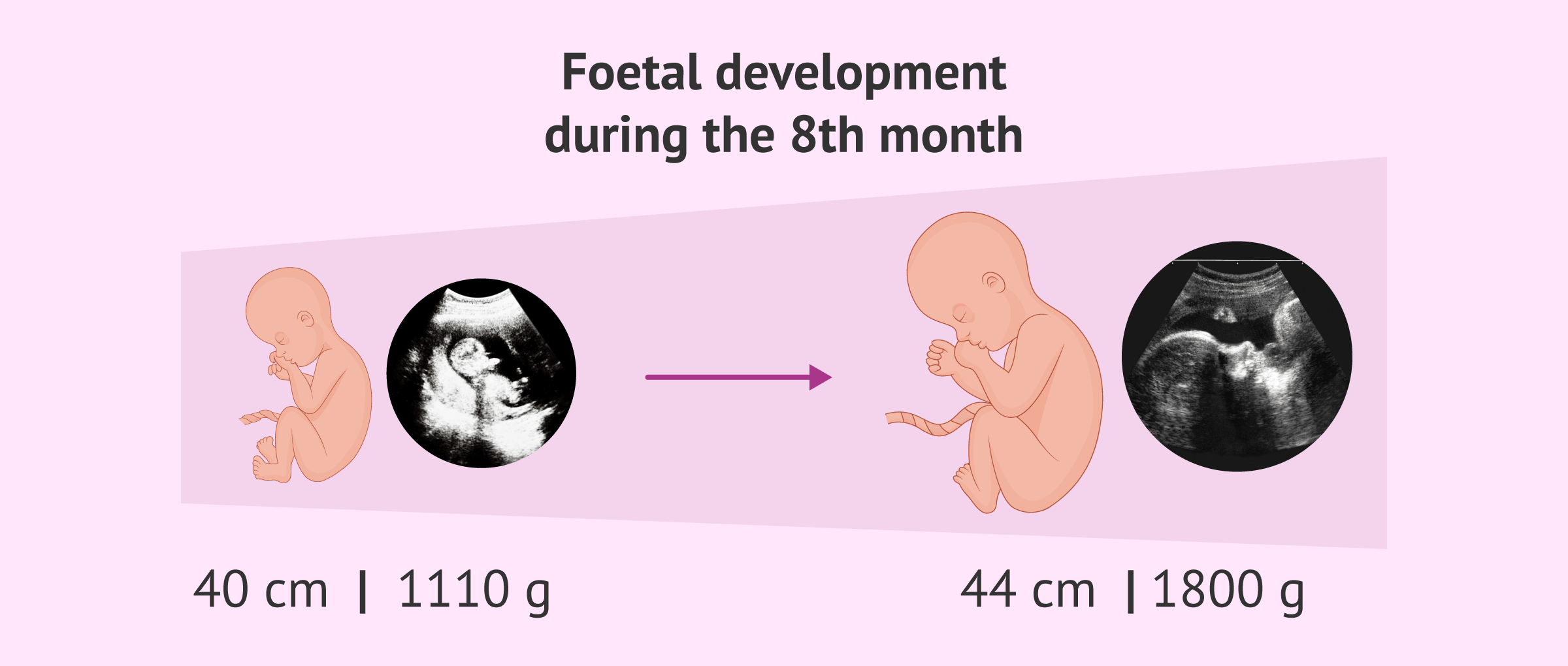
What Happens during the Eighth Month of Pregnancy?
Being 8 months pregnant means that the day of labor is getting closer. You should pay special attention to any symptom and take special care.
Read more
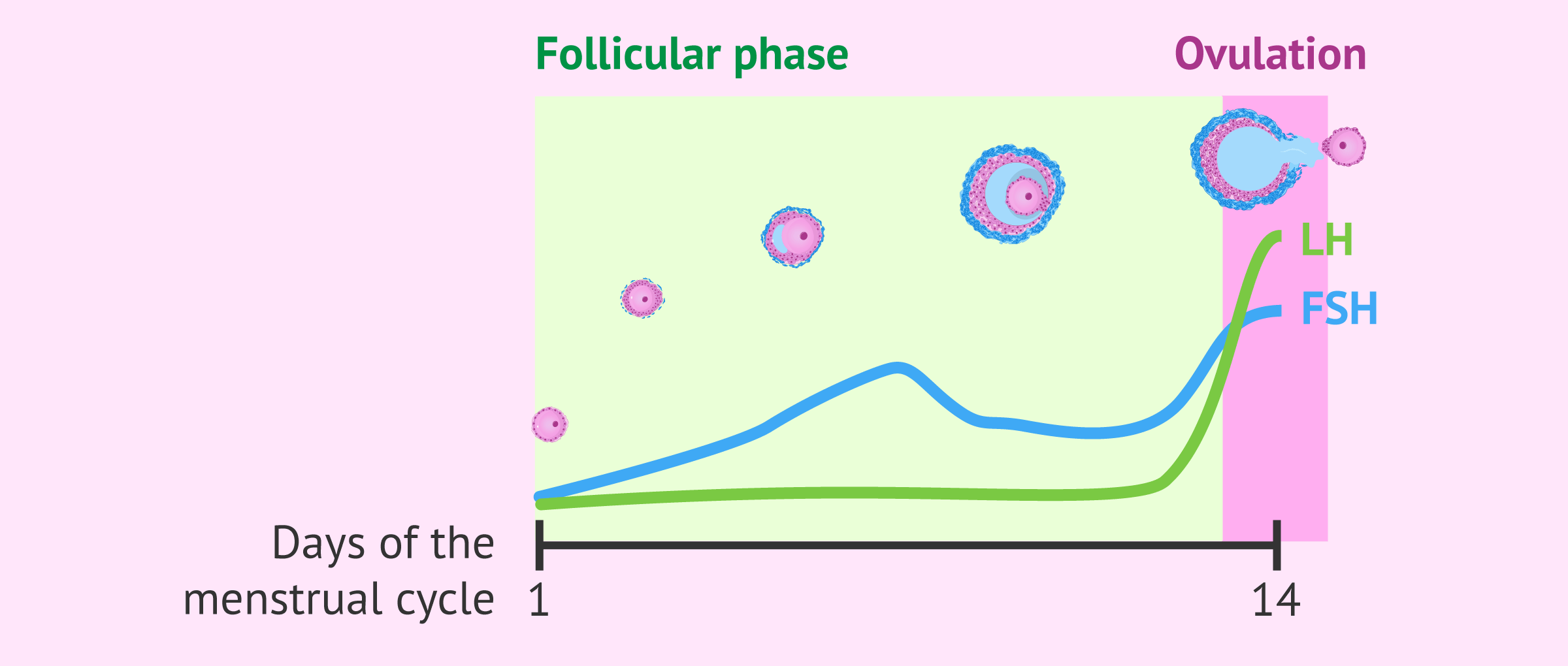
What is the follicular phase of the menstrual cycle. How long does it last?
The follicular or pre-ovulatory phase of the menstrual cycle is the period between the first day of menstruation and ovulation. Therefore, in a typical 28-day menstrual cycle it lasts 14 days, although its length is more variable than that of the luteal or postovulatory phase.
Read more

What is a premature baby? - Causes, care and complications
Premature babies are those born at 35 weeks of pregnancy or earlier. There are a number of symptoms that can be a sign of preterm labor. In addition, if the birth were to occur between 35 and 37 weeks, they would be late preterm babies.
Read more

