
miscarriage
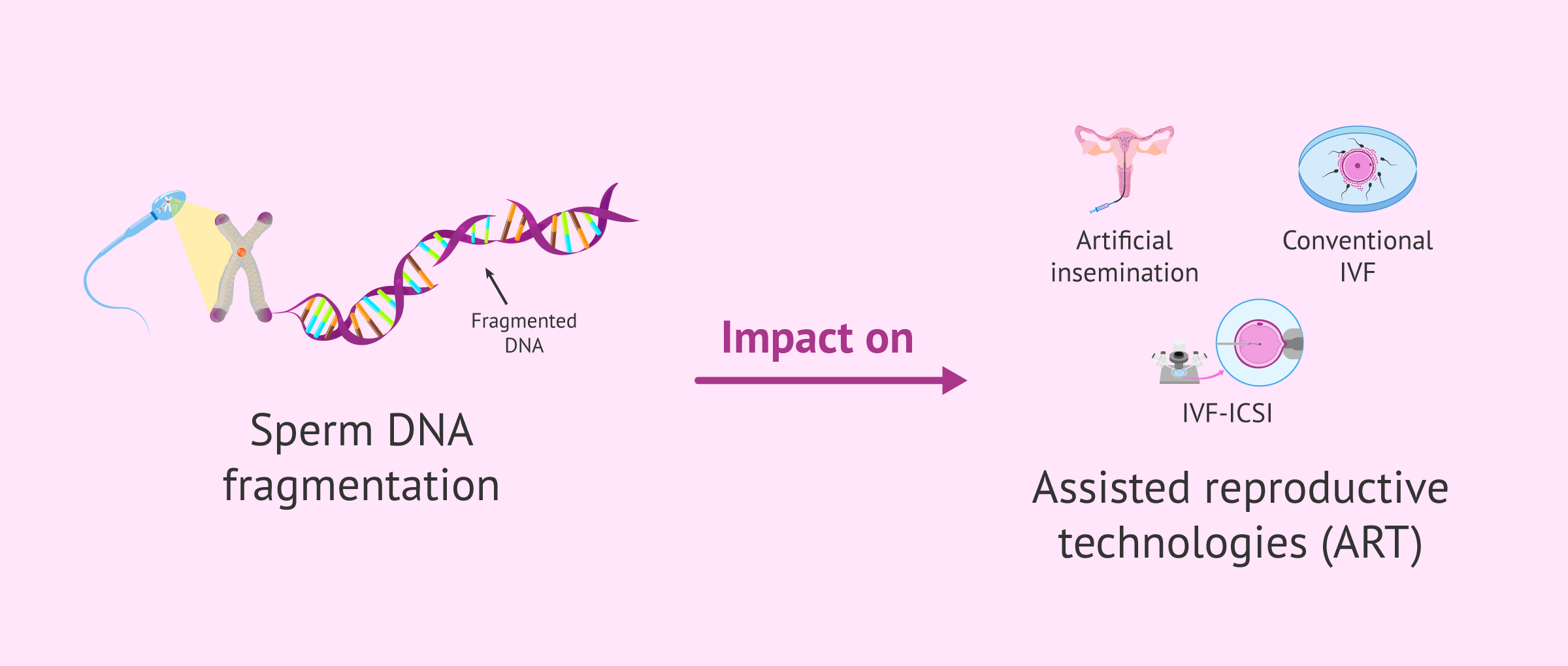
Damaged sperm DNA: impact on IVF, ICSI, and insemination
A systematic review assesses the impact of sperm DNA fragmentation on fertility. The results show a lower clinical pregnancy rate in IVF and artificial insemination, and a strong link with the risk of spontaneous abortion in ICSI cycles, suggesting the need for specific tests. Read more
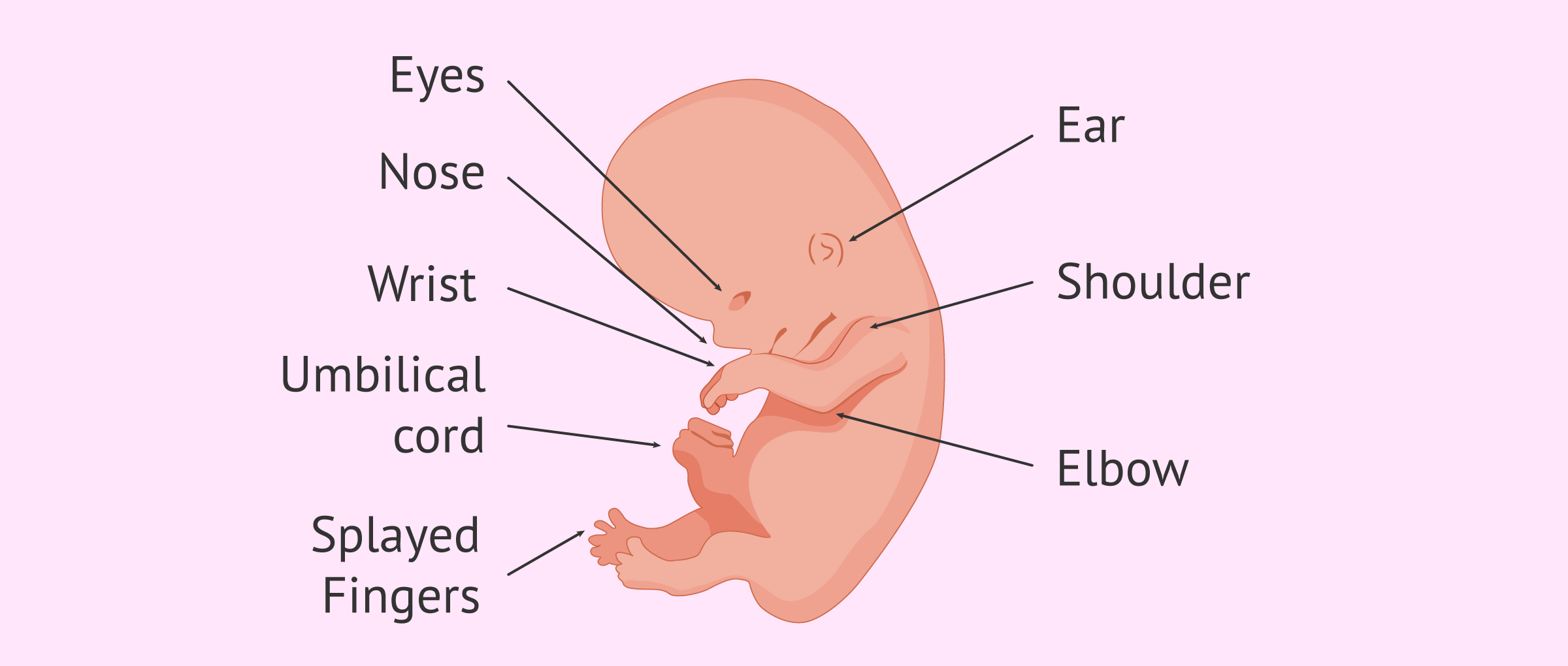
Week 9 of pregnancy: how are the embryo and mother doing?
Week 9 of pregnancy coincides with the beginning of the third month. The fetus already looks more like a human and the woman begins to notice weight gain. Read more
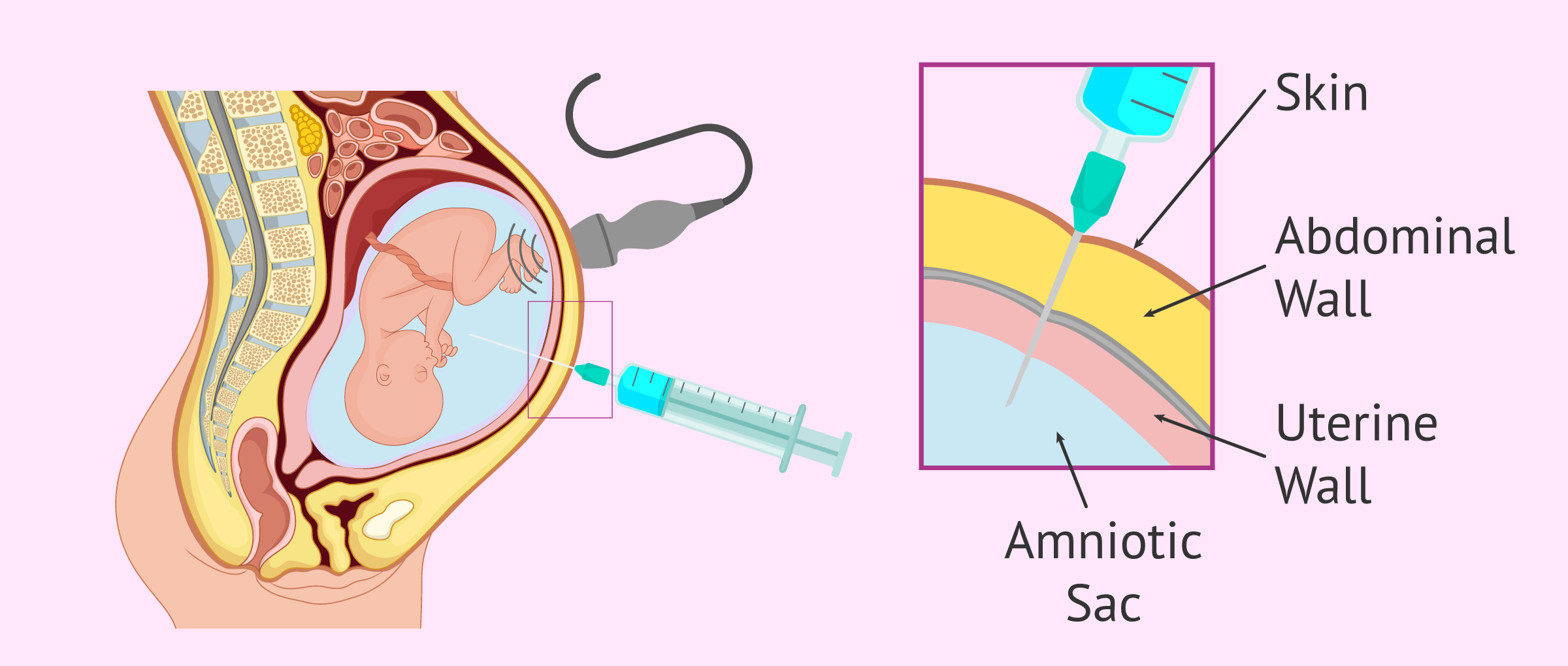
Amniocentesis: Why it is done and what are the possible risks?
Amniocentesis is a prenatal test performed between the 15th and 20th week of pregnancy to detect certain diseases in the baby such as chromosomal alterations or fetal malformations. Read more
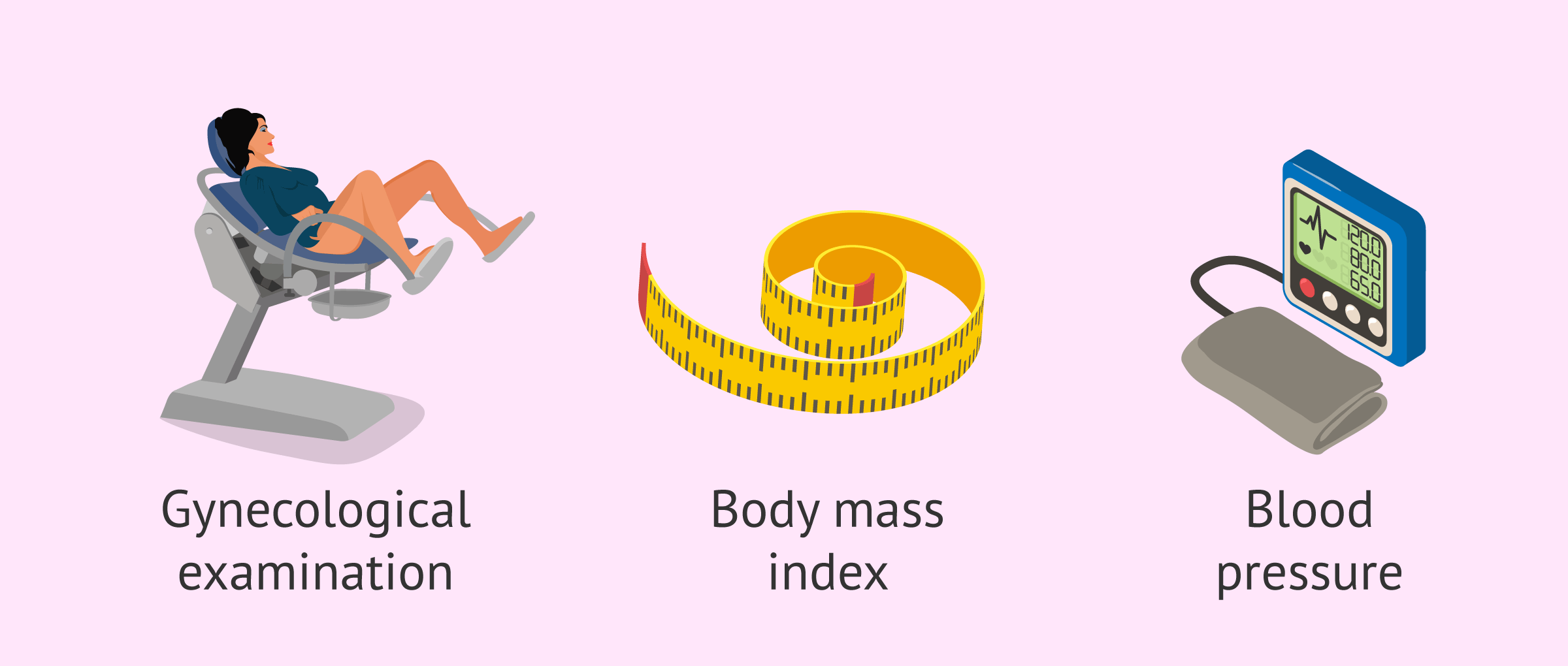
Prenatal pregnancy control: tests, laboratory tests and ultrasound scans
Throughout the pregnancy, the woman should have an adequate medical control and carry out all the necessary tests to check that the fetus is developing well. This monitoring includes ultrasound scans, blood tests and genetic studies. Read more
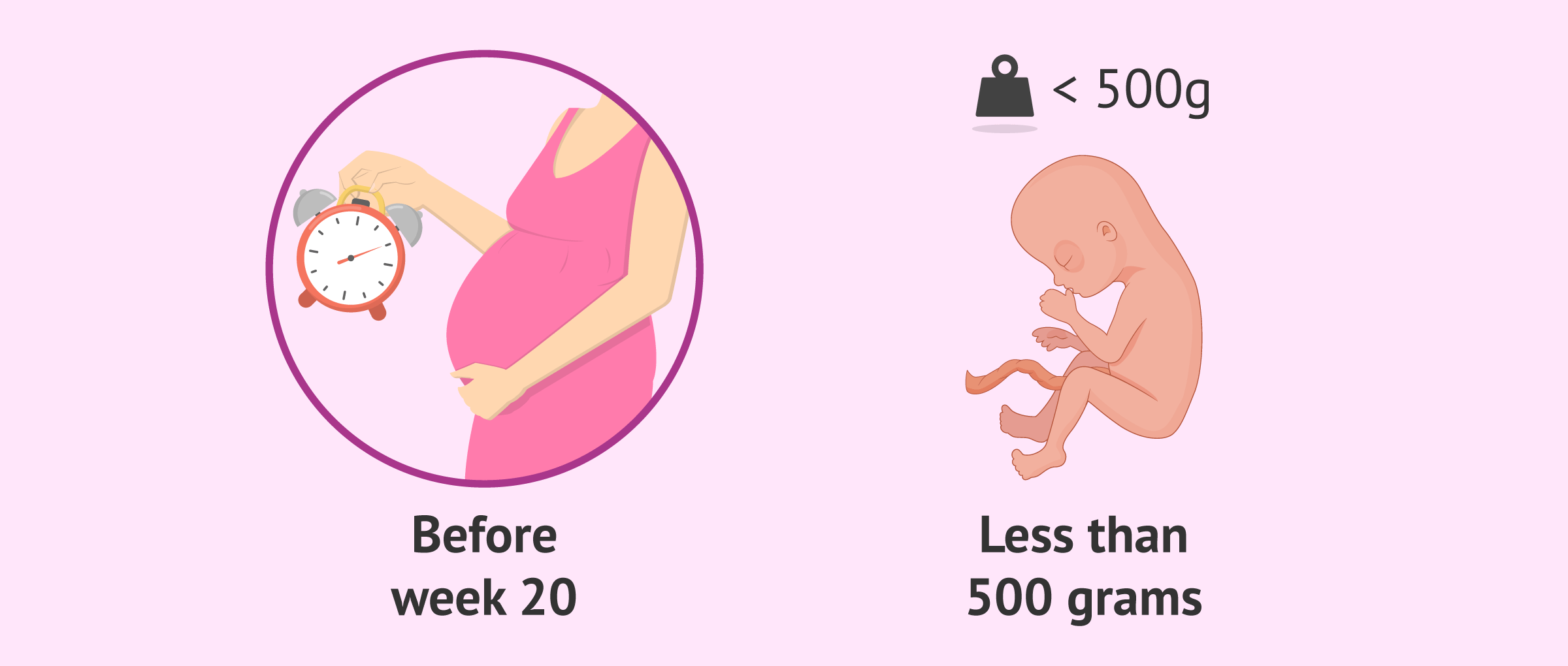
What is a miscarriage: symptoms, causes and consequences
Miscarriage is the spontaneous loss of the baby before the 20th week of pregnancy, although most commonly miscarriage occurs in the first trimester of gestation. Bleeding and abdominal pain are the main symptoms of gestational loss. Read more

Invasive and Non-Invasive Prenatal Diagnostic Tests
Prenatal diagnostic tests that help analyze a baby's risk for disease differ in invasive and noninvasive. Depending on each case, the pregnant woman may be screened in the first trimester, tested for fetal DNA in maternal blood or amniocentesis. Read more

How to deal with miscarriage after an in Vitro Fertilization (IVF)?
The rate of miscarriage after IVF increases with the woman's age. It is not easy to cope with miscarriage; it takes time for both physical and emotional recovery. In addition, it is important that patients express their emotions and ask for help, if they feel it is necessary, from professionals. Read more
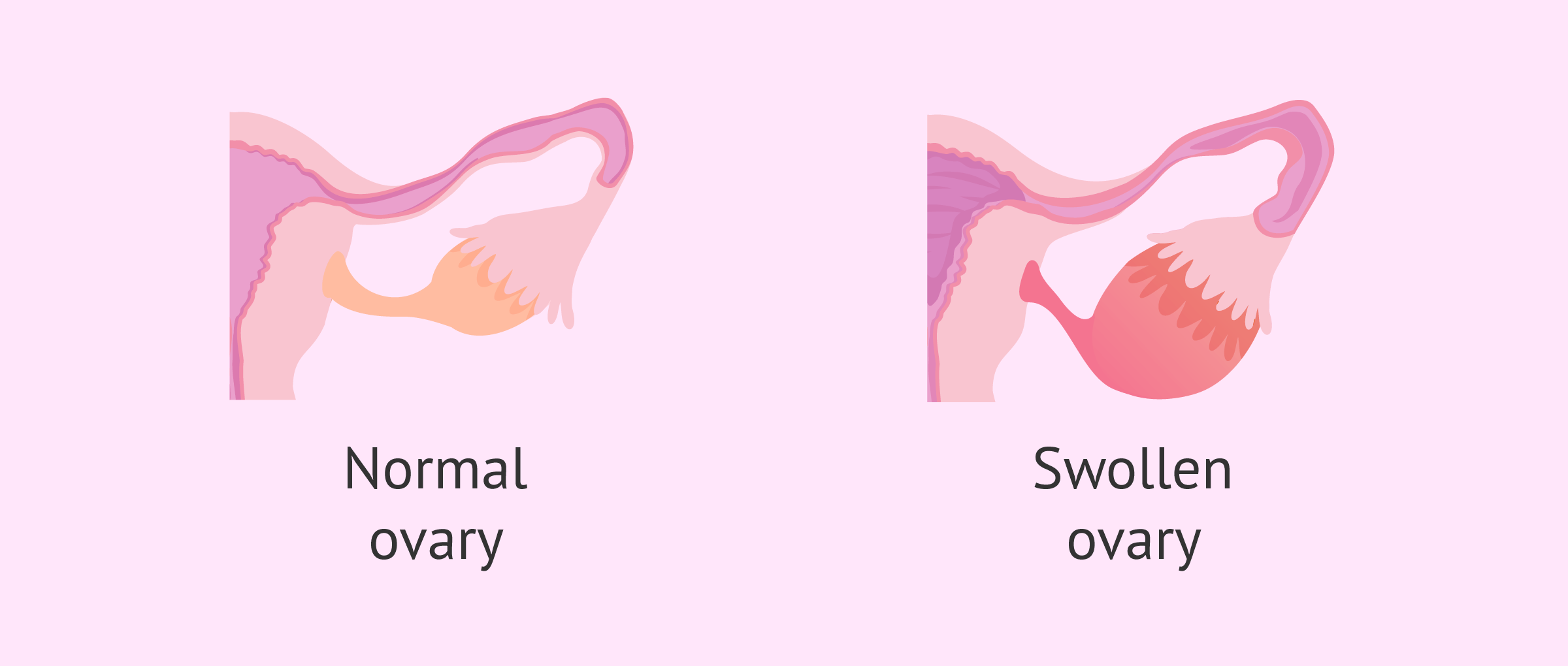
Ovarian inflammation: main causes and symptoms
Oophoritis is an inflammation of one or both ovaries and can occur for various reasons. The most common cause is an infection caused by E. coli, Streptococcus and Staphylococcus among other pathogens. Read more
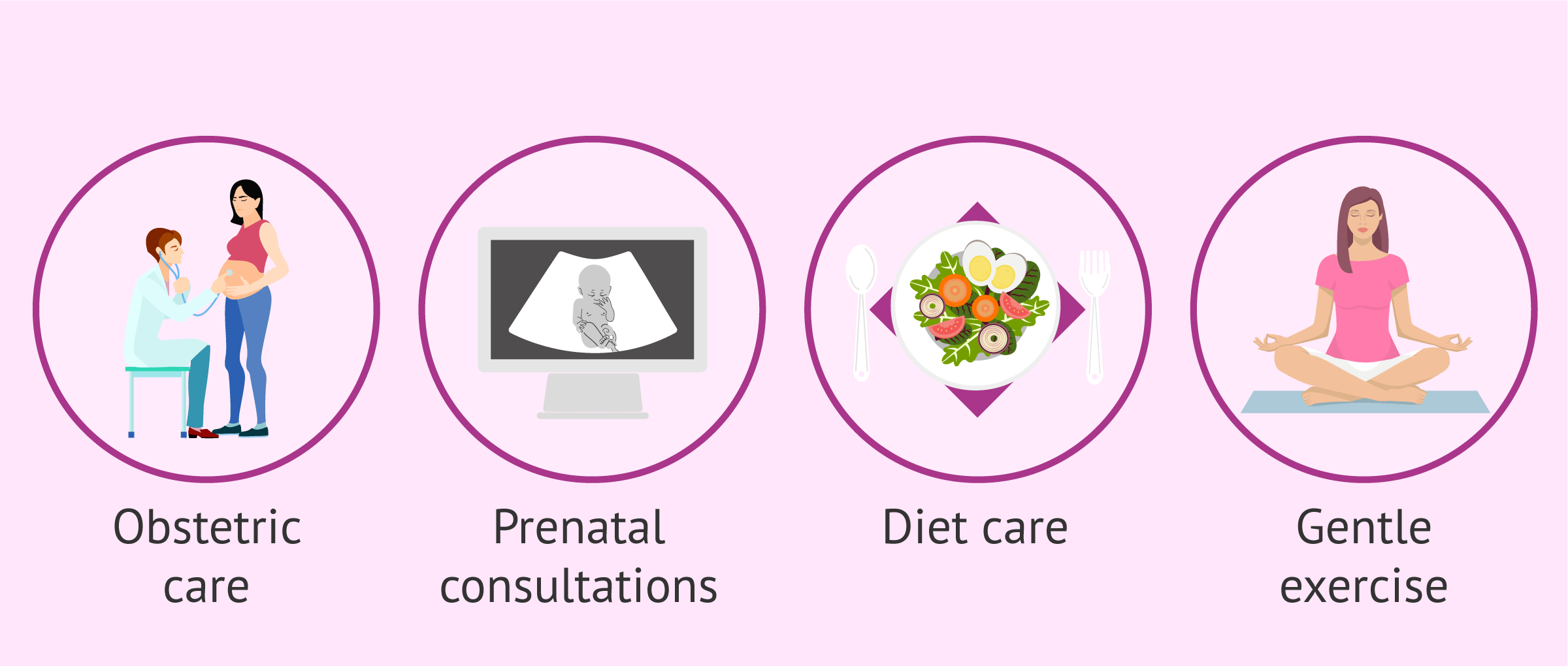
Health in pregnancy: nutrition, care and potential problems
For good health during pregnancy, it is important for women to attend all prenatal check-ups, take care of their diet and maintain proper hygiene, among many other recommendations. Read more
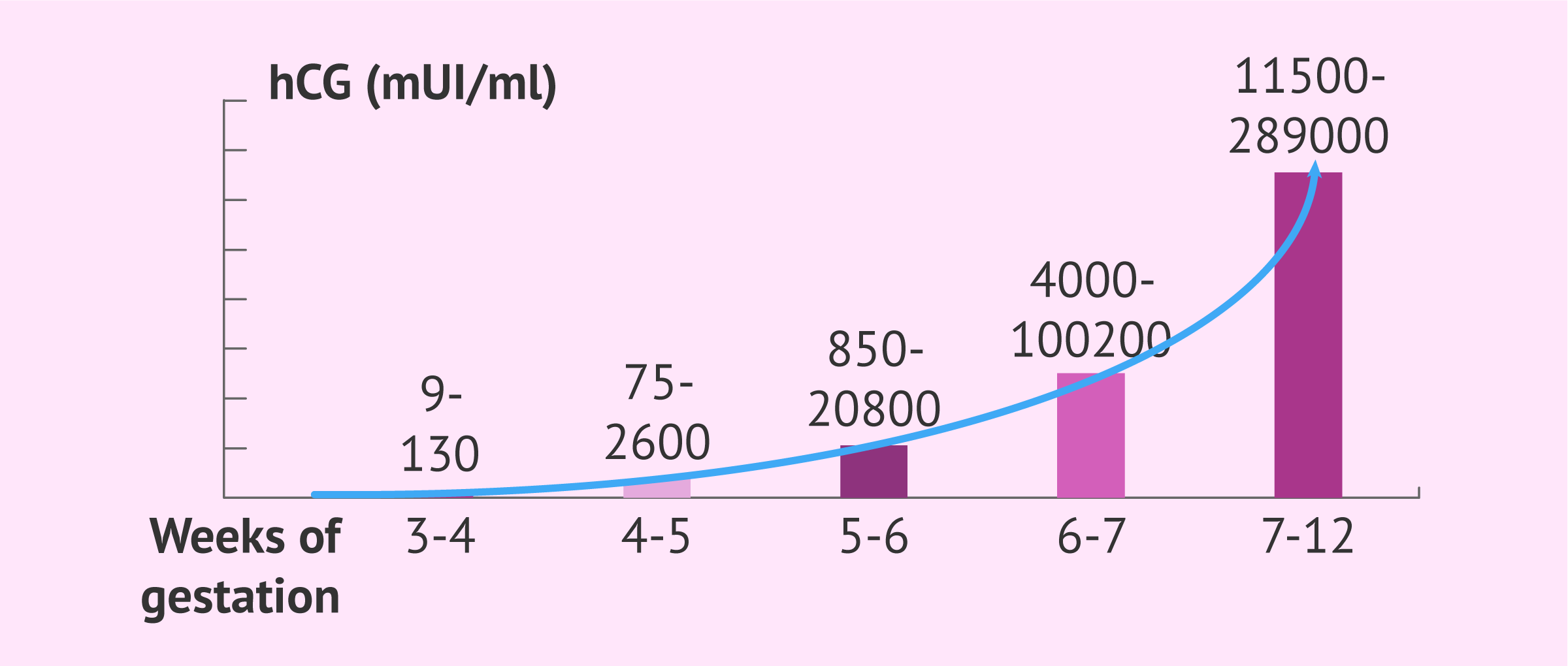
hCG Levels After a Miscarriage or a Medical Abortion
What are the hCG levels we need to be aware of? When should we be concerned about the development of the pregnancy? Not losing hope and getting back to normal is the main point to start the journey. Read more
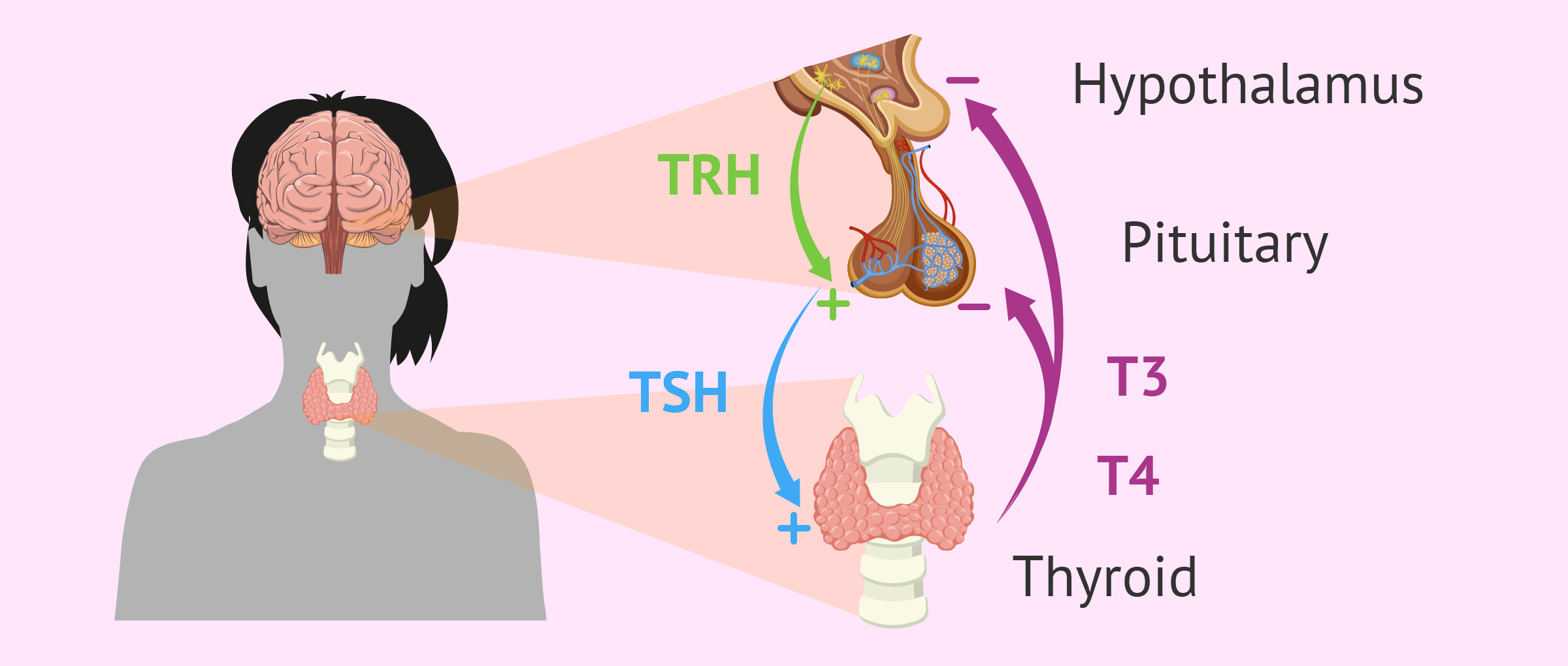
When Female Infertility Is Due To Thyroid Gland Problems
Disorders caused by the thyroid gland may lead to female fertility problems. Women having trouble getting pregnant should take a thyroid-stimulating hormone (TSH) test. Read more
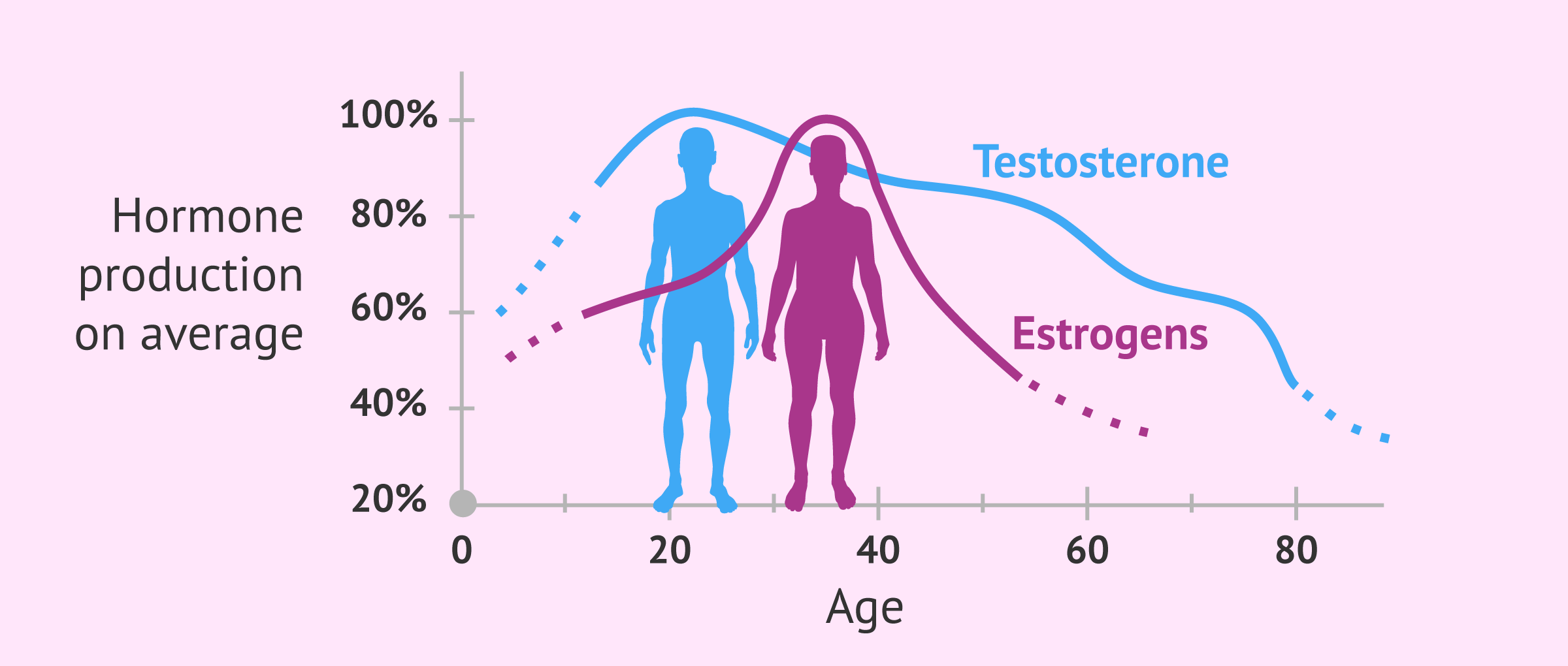
Semen Quality : What Is Measured And What Can Be Done To Improve It?
For men with semen alterations, there are several treatment options, which means that even with these alterations, pregnancy is achievable. Read more

