
Article
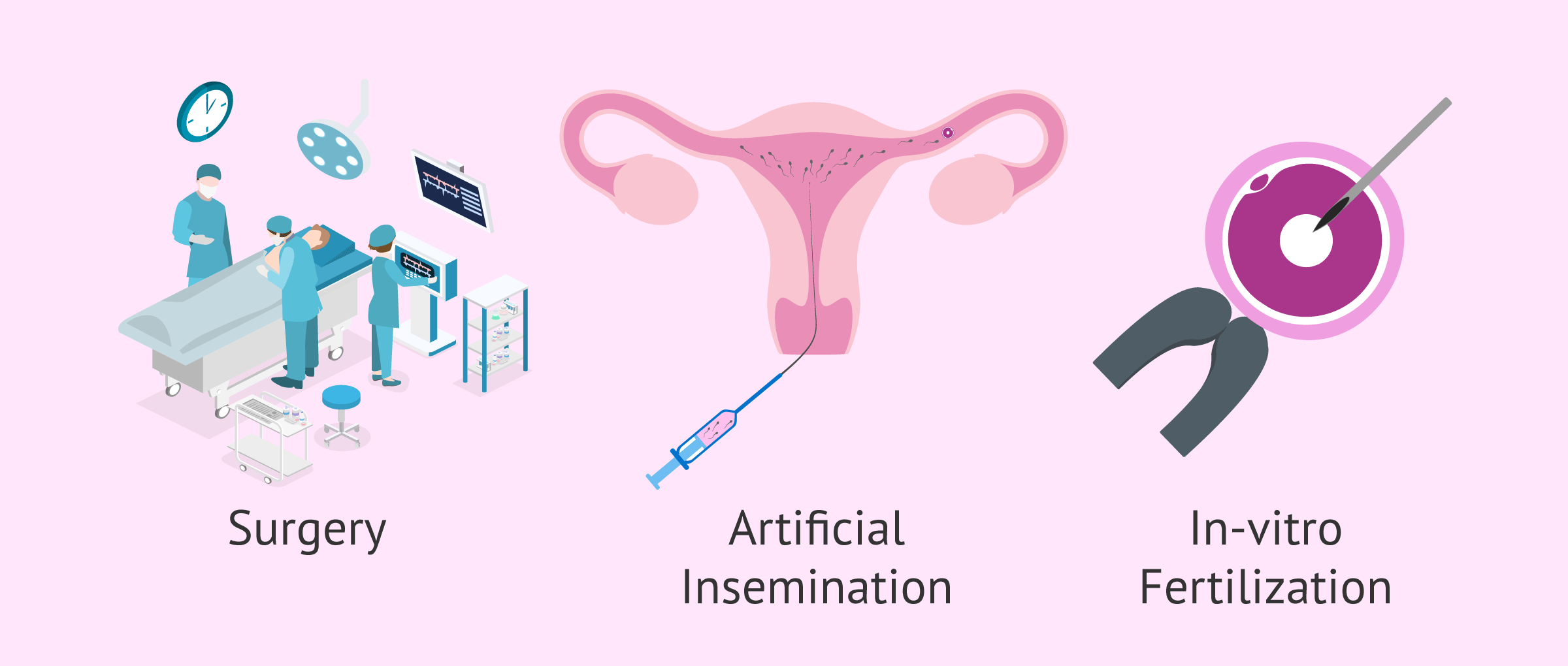
Can pregnancy be achieved with testicular varicocele?
Varicocele or inflammation of the veins of the spermatic cord is one of the main causes of male infertility. Therefore, men with varicocele may have difficulty in achieving pregnancy. As a first therapeutic option, surgery is recommended, since it is close to 90% effective.
Read more

How to improve implantation rates in Assisted Reproduction?
Embryo implantation is an essential process for gestation to occur. It is the adhesion of the embryo to the uterine endometrium of the woman. For implantation to take place, the embryo and the endometrium must be in the right conditions and, in addition, there must be synchrony between them.
Read more
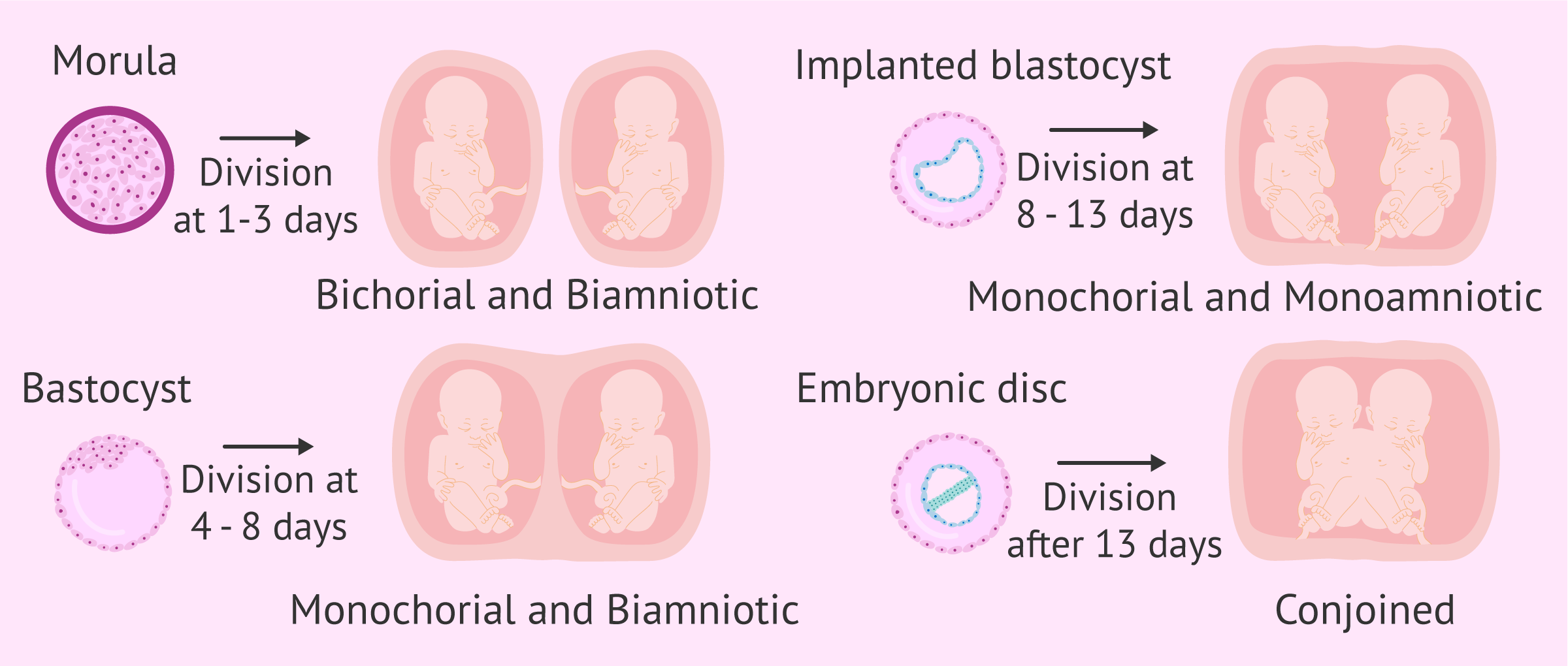
What differs in pregnancy with fraternal twins or identical twins?
Multiple pregnancies occur when more than one baby develops in the maternal uterus. The most common are fraternal or identical twins. Assisted reproductive techniques have increased the birth rate twins, although nowadays this trend is being limited due to the risks involved in multiple pregnancies, and improved AR techniques
Read more
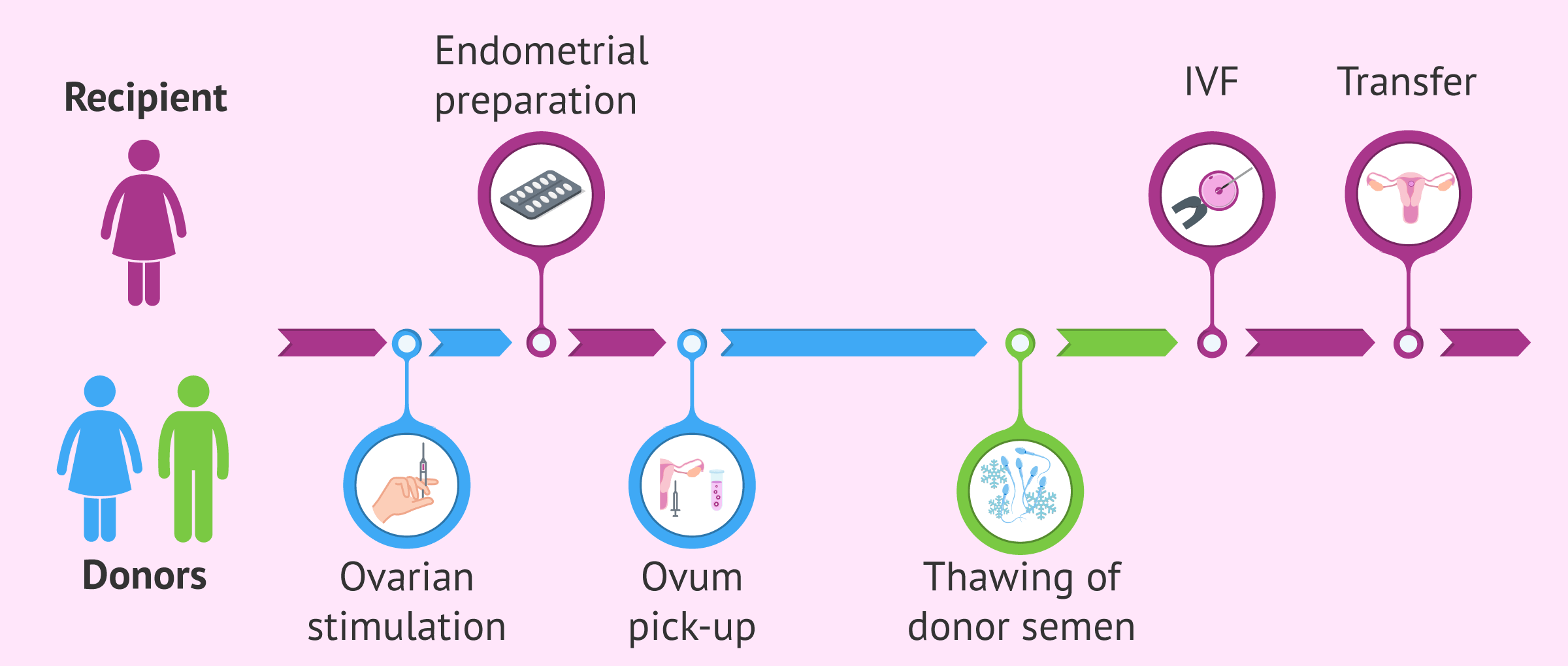
Double donor IVF: assisted reproduction with donor egg and sperm
IVF with egg and sperm donation is a fertility treatment in which the woman or couple needs to resort to donor gametes in order to have a child. The benefits of double gamete donation are the high success rates in people with severe fertility problems.
Read more
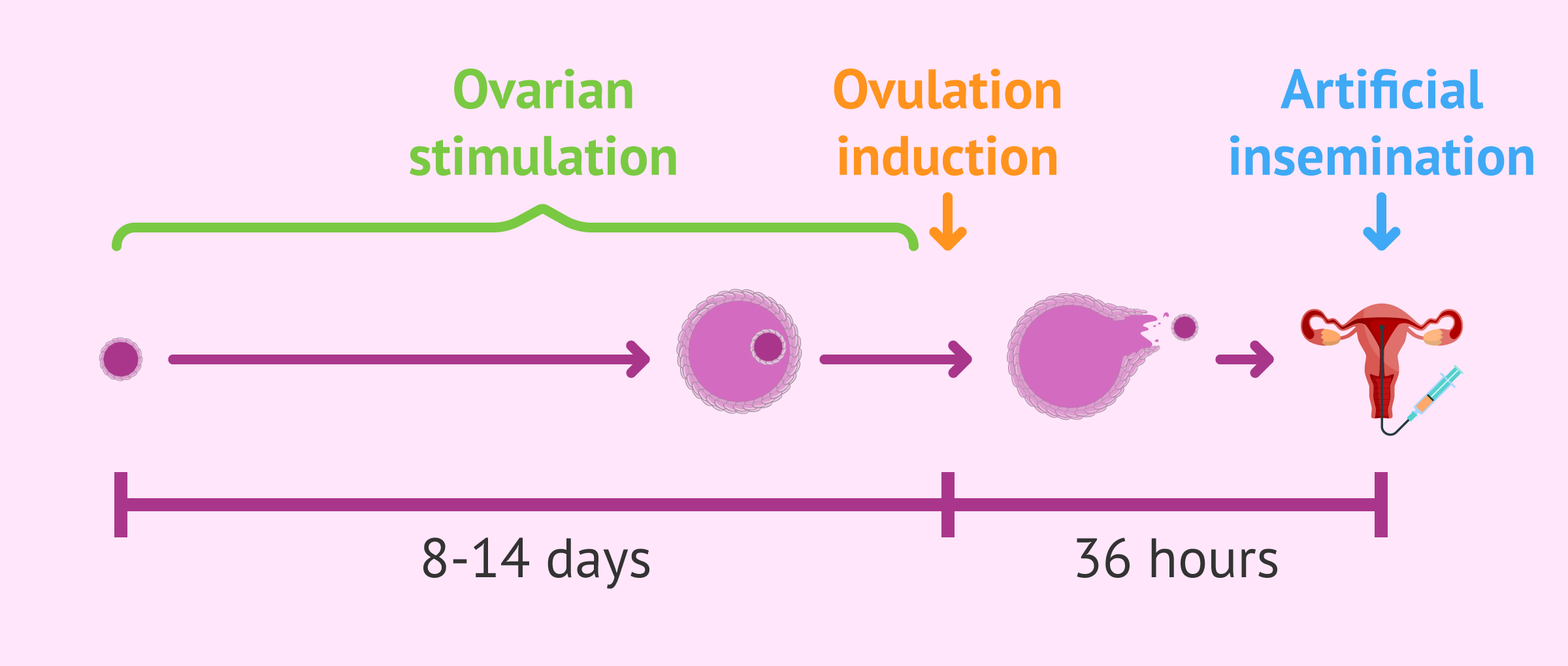
Controlled ovarian stimulation in Artificial Insemination (AI)
The drugs used in artificial insemination produce a controlled ovarian stimulation in order to increase the probability of pregnancy.
Read more
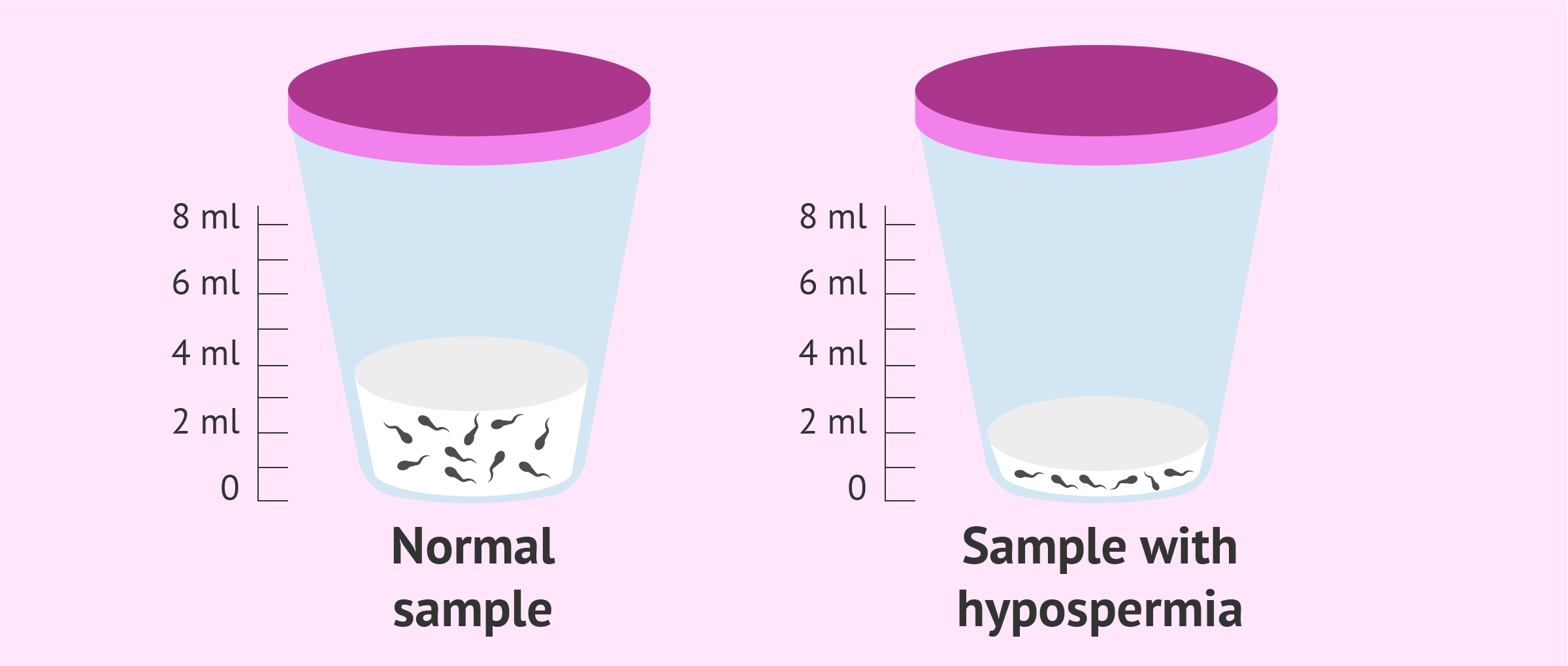
What Is Hypospermia? - Causes, Symptoms & Treatment
Hypospermia is a sperm disorder in which the man has an unusual low volume of ejaculate or semen. Hypospermia is diagnosed when the amount of semen is below 1.5 ml. Although it causes male infertility in some cases, in principle men with this problem can conceive naturally by following the appropriate treatment.
Read more
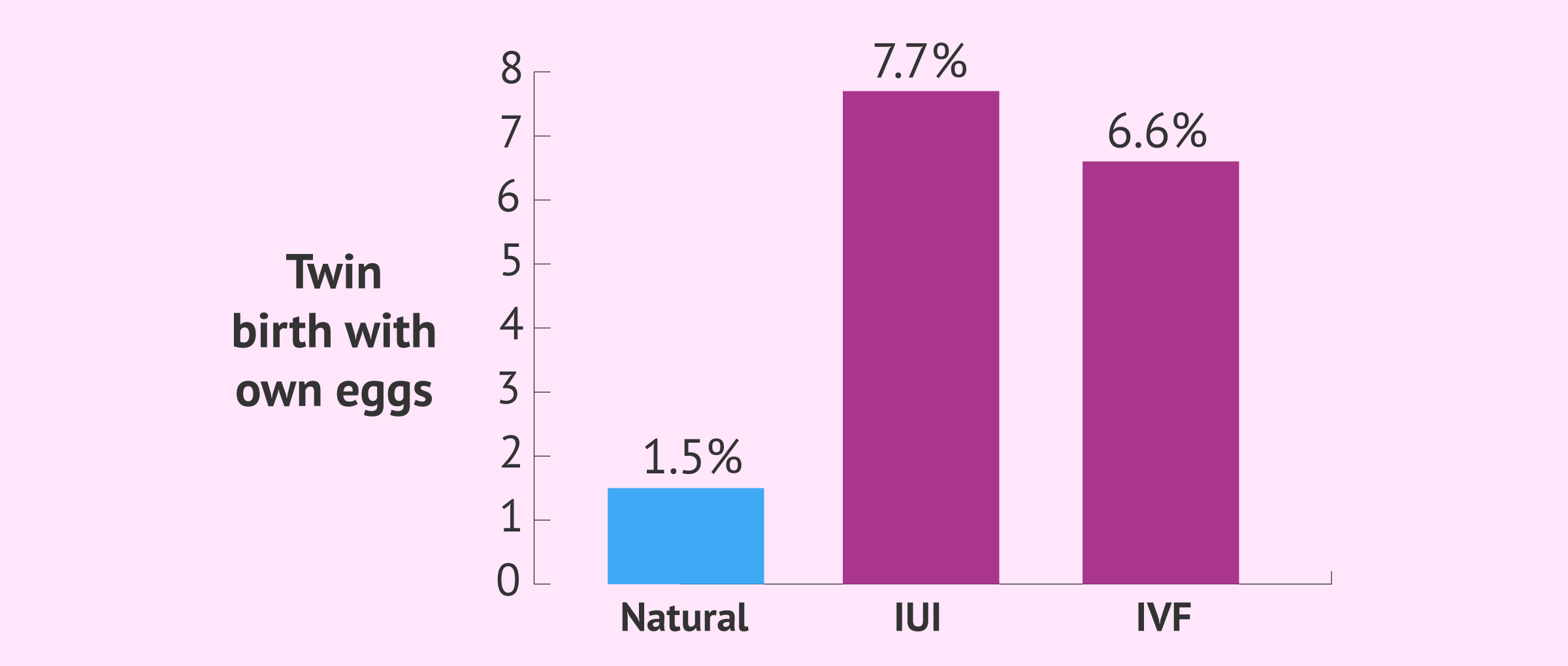
What is the probability of twins with IVF and artificial insemination?
The transfer of two embryos in in vitro fertilisation (IVF) is the main reason for the increased likelihood of twin pregnancies. However, it is becoming increasingly common to opt for a single embryo transfer to reduce the risks associated with a multiple pregnancy.
Read more
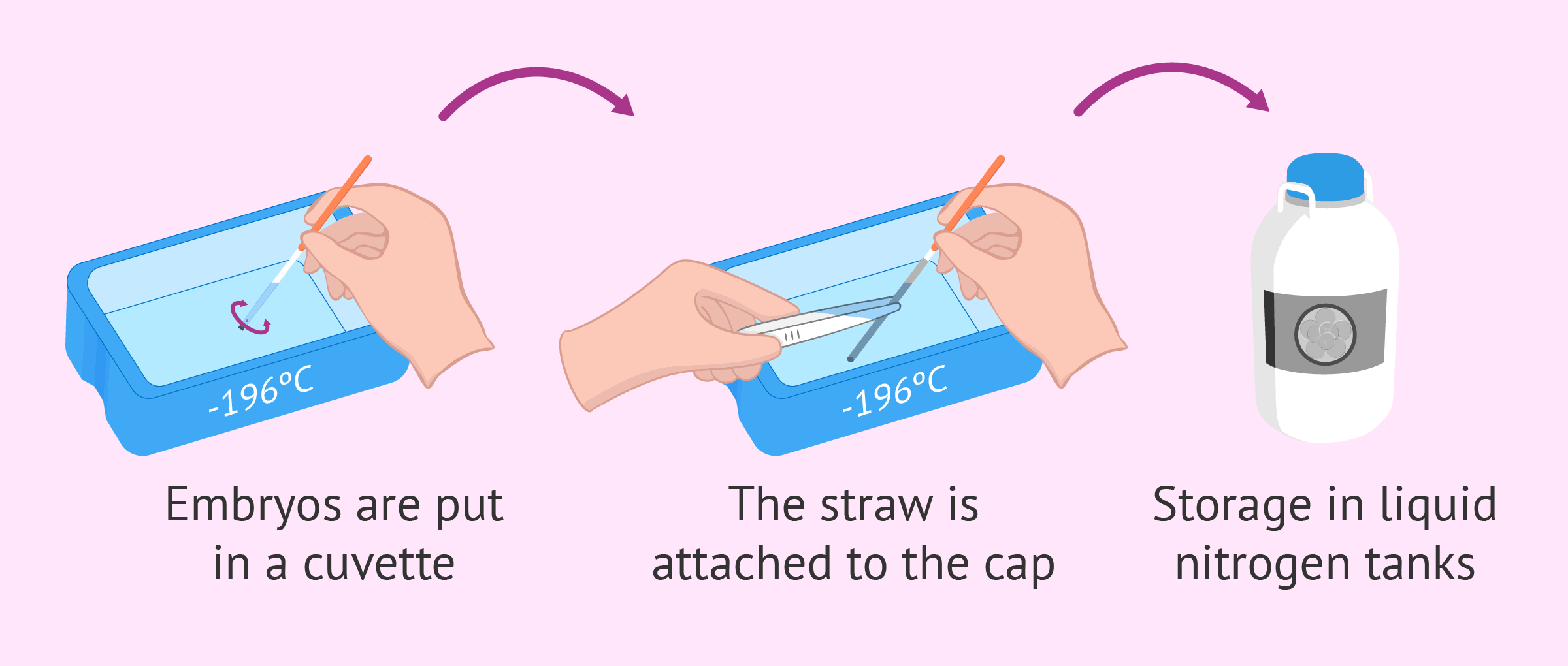
What is embryo vitrification? How and when is this procedure used?
Nowadays, embryo freezing is carried out using the vitrification technique, which is an ultra rapid procedure that offers high survival rates of post-thaw embryos.
Read more
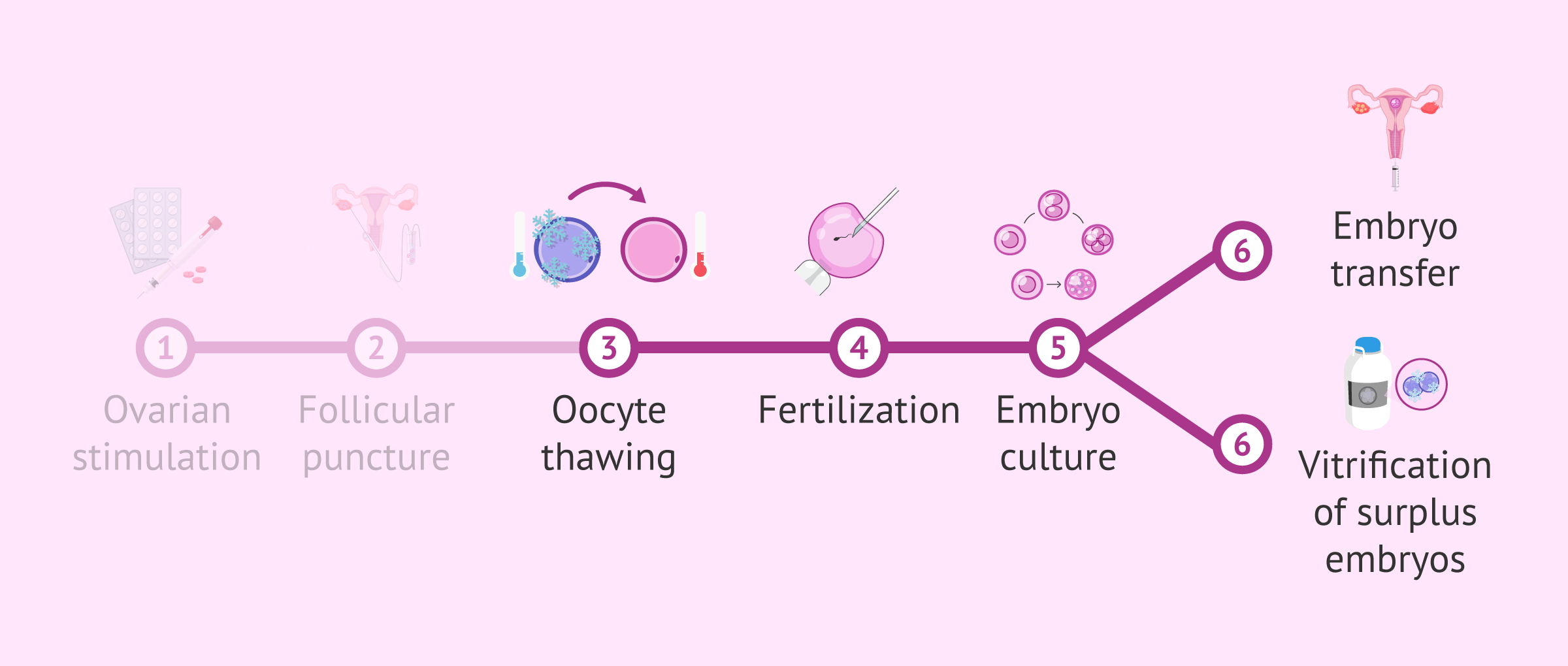
What is IVF with vitrified eggs and what are the results like?
IVF with vitrified eggs is a form of IVF that has similar success rates to IVF with fresh eggs. This reproductive treatment is indicated for women who wish to preserve their fertility, either for oncological, economic and/or social reasons, among other situations.
Read more
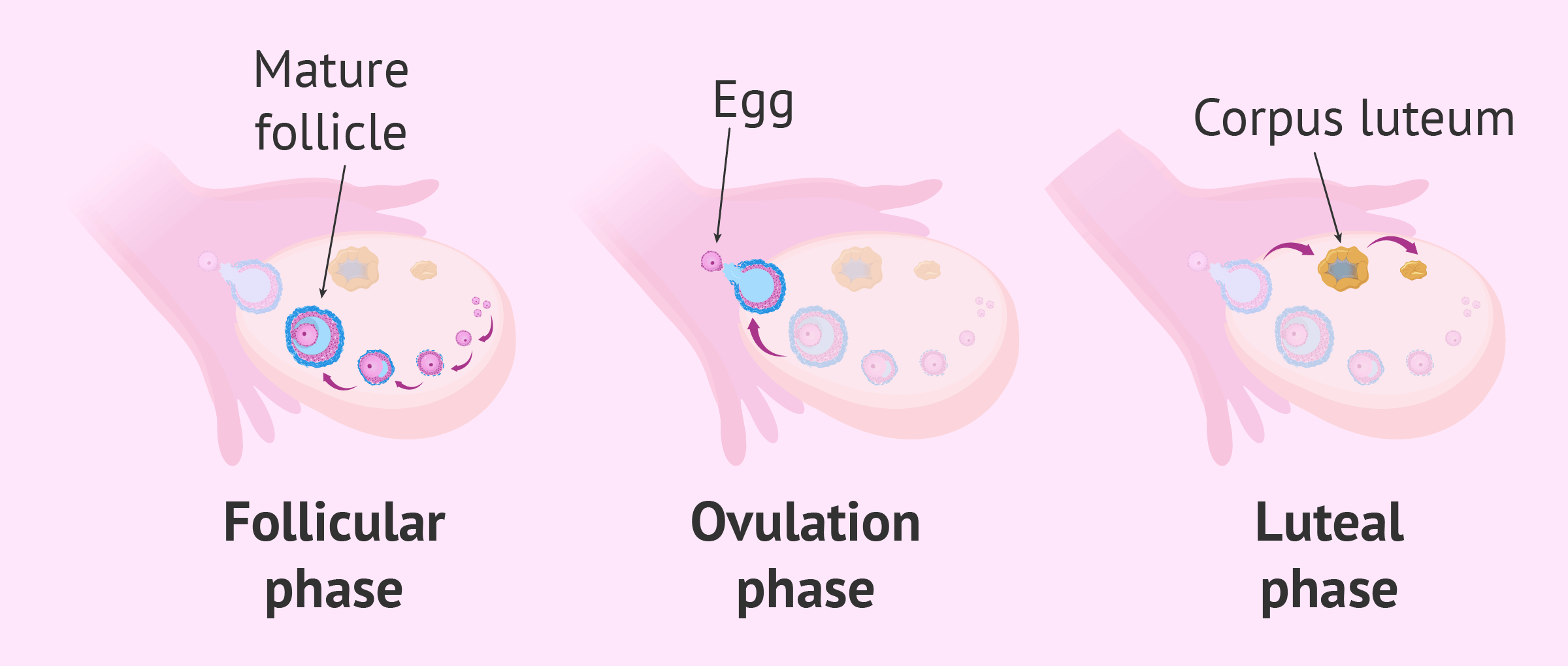
When does ovulation occur? What are the symptoms of it?
Ovulation is the phase of the menstrual cycle when an egg is released from the ovary to the Fallopian tube. It marks the beginning of the fertility window in women.
Read more

Sperm Test Results Explained - Interpretation & Normal Values
Understanding correctly the results of a semen analysis report is crucial to get valuable information about the quality of the sperm you produce and your overall fertility, especially if you are planning on trying for a baby.
Read more

What are some of the main advantages of in vitro fertilization?
IVF allows pregnancy in patients with severe infertility problems. Among its many advantages are the success rates, the possibility of vitrification and the application of other complementary techniques.
Read more

