Why does pain during sexual intercourse, or dyspareunia, occur?
Dyspareunia, also called coitalgia, is the genital pain suffered during or after sexual intercourse associated with penetration. Discomfort after sexual intercourse can range from minor irritation to deep pain.
Pain during intercourse is more common in women than in men, although it can occur in both sexes. In men, dyspareunia can appear at the time of ejaculation, affecting both the external and internal parts of the reproductive system. In contrast, discomfort in women usually occurs in the inner part of the vagina, the pelvic area, and the abdomen.
The causes of pain during intercourse are multiple and will be different in men and women. In any case, if sexual intercourse with penetration is not possible, pregnancy will not be achieved naturally. Therefore, it will be necessary to establish an appropriate treatment for each situation.
The different sections of this article have been assembled into the following table of contents.
Contents
- 1.
- 1.1.
- 2.
- 3.
- 3.1.
- 4.
- 4.1.
- 4.2.
- 4.3.
- 4.4.
- 5.
- 6.
What is dyspareunia?
In Spain, around 6% of men and 26% of women suffer pain during sexual intercourse, and this should not be the norm. This is what is known as dyspareunia.
In men, pain usually manifests during ejaculation. Generally, when a man suffers pain during sexual intercourse, it is due to urethral, seminal vesicle, or prostate infections, although it can also be caused by phimosis. However, the causes of dyspareunia in women are multiple.
One of the main consequences of dyspareunia is that it can cause a woman's rejection or apathy towards intimate relationships, as she may feel:
- External pain: occurs at the opening of the vagina.
- Internal pain: pain is felt in the uterus or other internal areas of the pelvis such as the bladder, rectum, ovaries, or the inner part of the vagina.

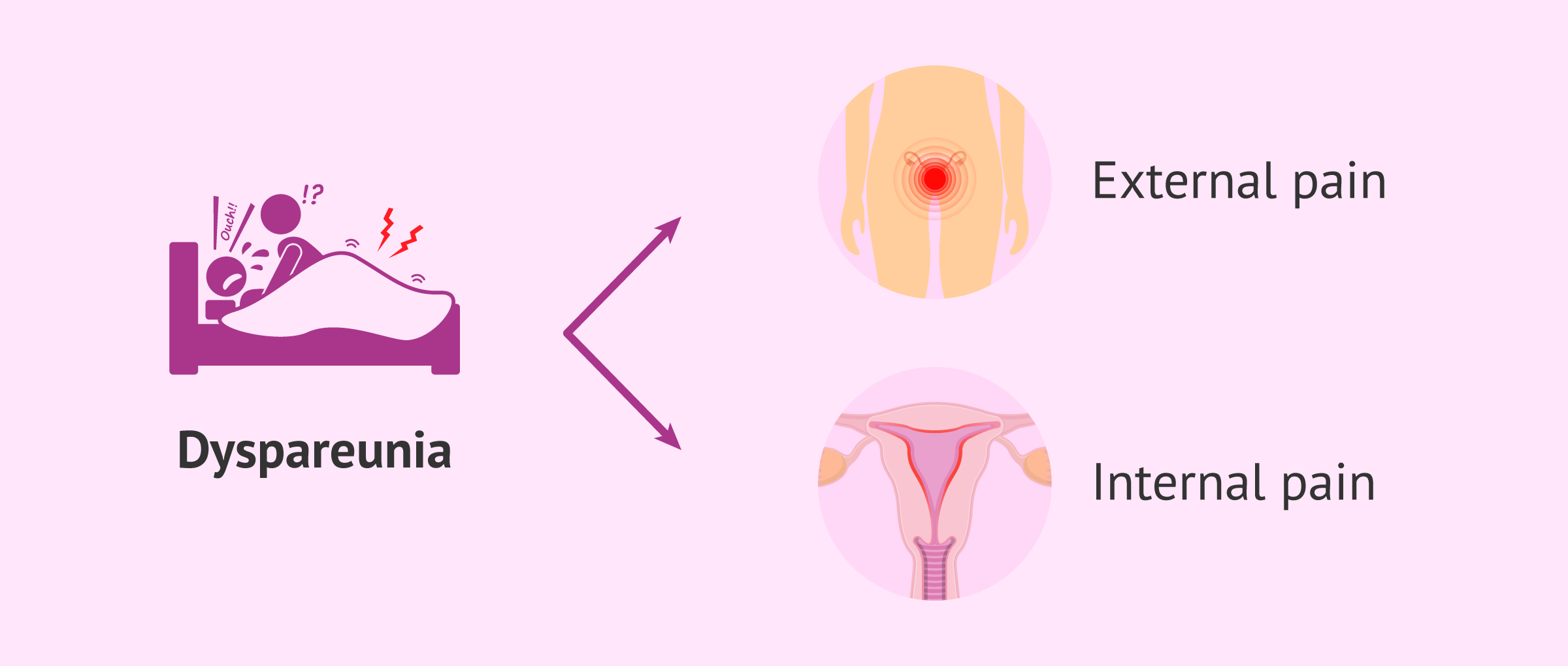
In women suffering from dyspareunia, it is most common for the pain to appear at the time of penetration. This is due to the pressure the man exerts on a specific place during the sexual act.
Symptoms of dyspareunia
Discomfort during sexual intercourse varies among women, as some simply feel burning or stinging, while others suffer intense or spasmodic pain that normally prevents them from reaching orgasm.
Vaginal dryness is the main symptom of dyspareunia, but it is usually accompanied by other discomforts in the woman.
For example, many women describe feeling vulvar or vaginal pain, in addition to less lubrication during sex. Some women also experience bleeding and urinary tract symptoms. This causes dyspareunia to sometimes be confused with urinary tract infections.
For all these reasons, women who notice discomfort during sexual intercourse should consult a specialist. They will carry out a complete gynecological examination to evaluate the possible cause of the painful sexual intercourse.
Causes of the pain
The main cause of dyspareunia in women is urinary tract infections caused by fungi, bacteria, or viruses. Among the most common are the following:
- Vaginal infection.
- Infection of the fallopian tubes and ovaries (pelvic inflammatory disease, adnexitis...).
- Infection of certain glands of the vaginal lips.
- Sexually transmitted diseases such as trichomoniasis, candidiasis, gonorrhea, syphilis, etc.
- Genital warts.
- Some types of cancer.
Other less common causes for pain to appear in women during sexual intercourse are:
- Endometriosis.
- Fibroids.
- Scars after childbirth.
- Congenital malformations of the internal sexual organs.
- Reaction to a contraceptive.
- Vaginal dryness.
- Stress.
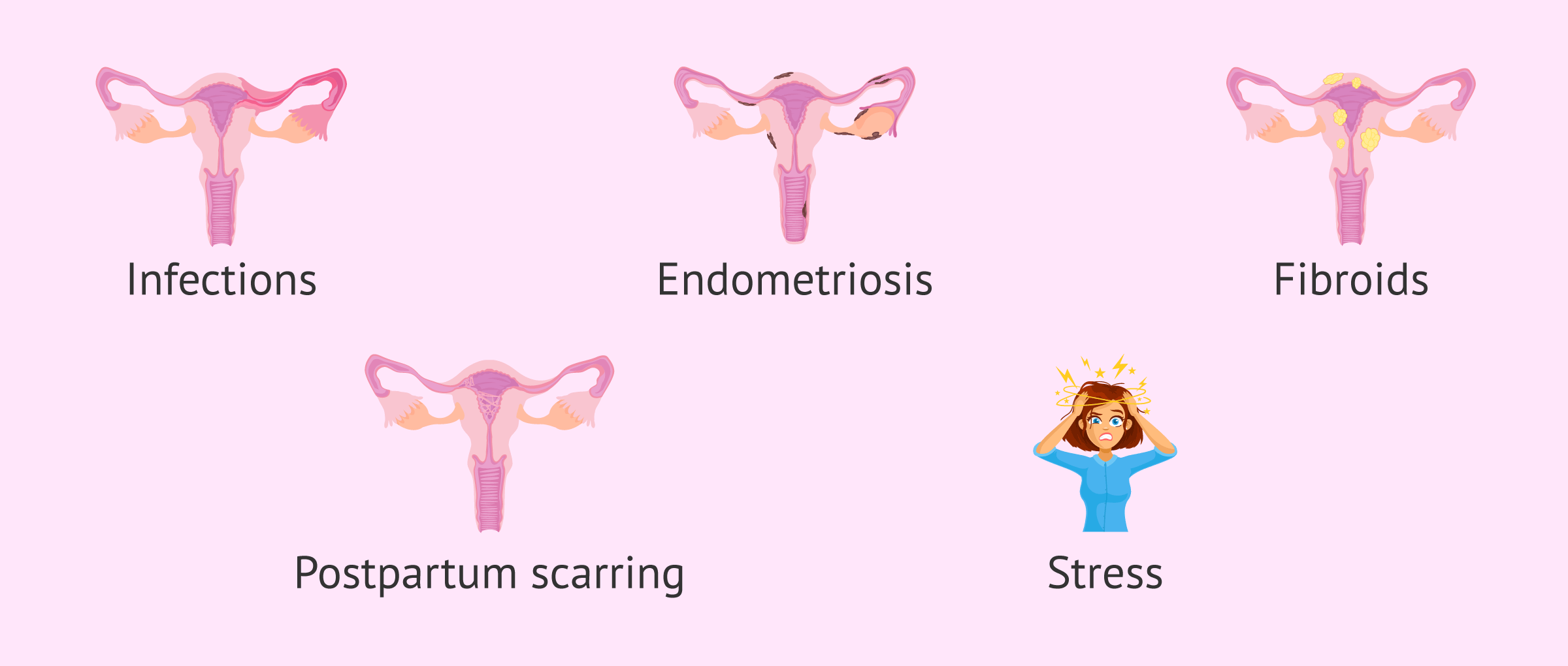
In addition to these possible causes of painful sexual intercourse, it should not be forgotten that dyspareunia can also be caused by psychological factors.
If the woman is not relaxed during sex, her vaginal muscles contract, and penetration is more complicated and painful.
Furthermore, relationship problems and a lack of sex education influence dyspareunia.
Treatment of dyspareunia
Depending on the cause of the pain during intercourse, one treatment or another will be recommended:
- Pharmacological treatment
- if dyspareunia is caused by a genital or urinary infection, the specialist will prescribe antibiotics. ,
- Hormonal treatment
- estrogen creams or gels, or contraceptives can be used. This therapeutic option is especially indicated for women who feel pain during sexual intercourse after reaching menopause. Another alternative is the use of estrogen receptor modulators, such as ospemifene. This drug acts as if it were an estrogen, but it is not.
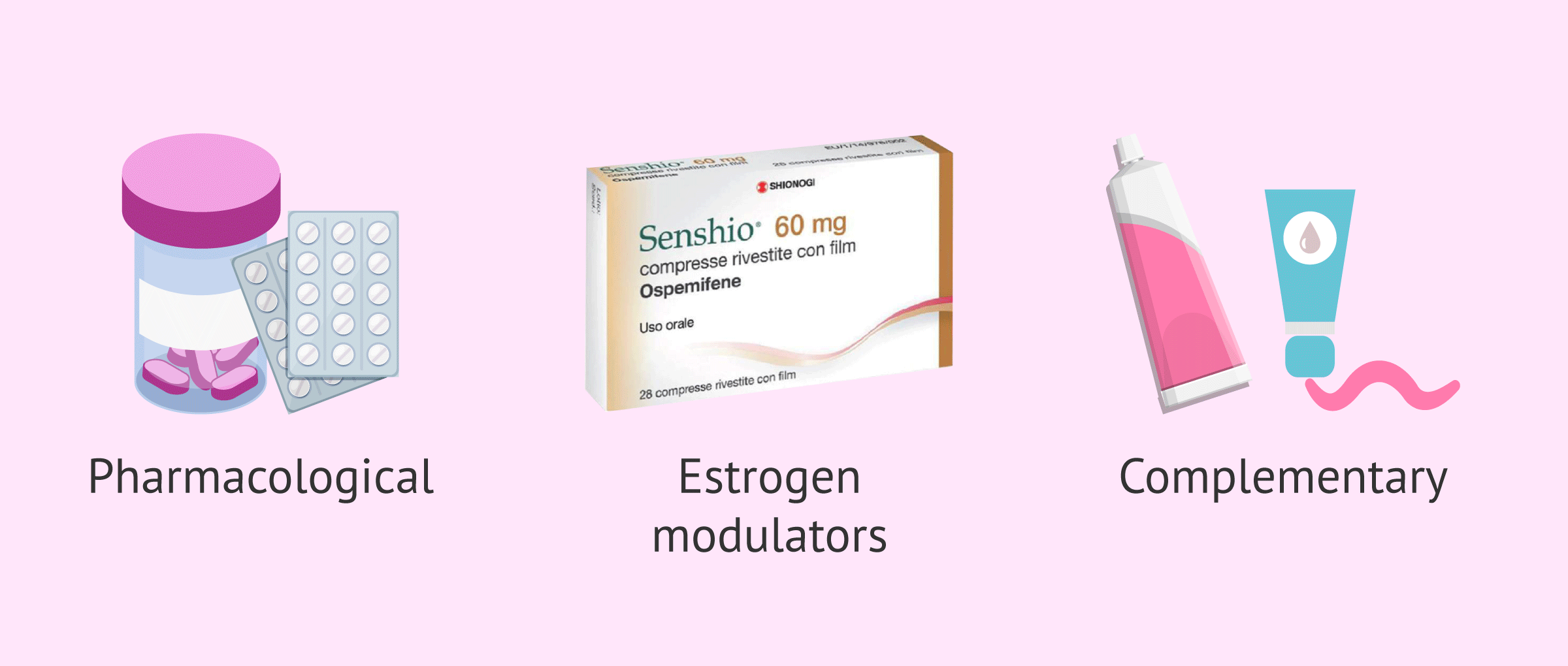
In addition to these treatments for pain during sexual intercourse, one can also opt for complementary treatments such as sex therapy, the use of lubricants to combat vaginal dryness, or performing exercises to strengthen the pelvic floor, for example.
Tips to avoid painful sexual intercourse
When a woman or a man suffers discomfort during the sexual act, they should not lose their nerve; instead, the best thing to do is consult a professional.
Taking care of the vaginal muscles in the case of women is important, as it will allow their contraction and relaxation depending on pleasure.
In addition, it is essential to dismantle myths and false beliefs, as this could create insecurity in the couple. There should also be no pressure on oneself, as otherwise, tension and pain during intercourse could increase.
Last but not least, communication with the partner is essential.
FAQs from users
How can female dyspareunia be treated?
Dyspareunia, or pain during sexual intercourse, can be treated, although the treatment will depend on the underlying cause.
The first-line approach to dyspareunia involves local treatments based on the use of moisturizers and lubricants. In addition, creams containing estrogen or hyaluronic acid may be used. This treatment option reduces friction during intercourse, thereby alleviating pain.
Another alternative is hormone therapy or estrogen receptor modulators, as well as laser therapy.
Can coitalgia or dyspareunia be prevented?
It depends on the cause of the pain during sexual intercourse. Therefore, the best way to prevent dyspareunia is to educate yourself about sex and promote vaginal lubrication. In addition, it is important to adopt good habits to prevent possible urinary tract infections, which can also cause pain during intercourse.
How is dyspareunia diagnosed?
To diagnose this condition, the doctor must first take the woman's medical history and then perform a gynecological physical examination.
In addition, the doctor must collect a sample of vaginal discharge to test for possible pathogens, and, if necessary, perform an ultrasound of the internal reproductive organs.
What causes painful intercourse?
The causes of pain during intercourse are varied and differ by gender:
- Men
- Typically, dyspareunia is caused by an infection of the prostate, bladder, or seminal vesicles. Other factors that can cause pain during sexual intercourse include phimosis, abnormal curvature of the penis, etc.
- Women
- Discomfort during intercourse is associated with vaginismus. Additionally, women may experience dyspareunia if they have pelvic inflammatory disease, endometriosis, hyperprolactinemia, etc.
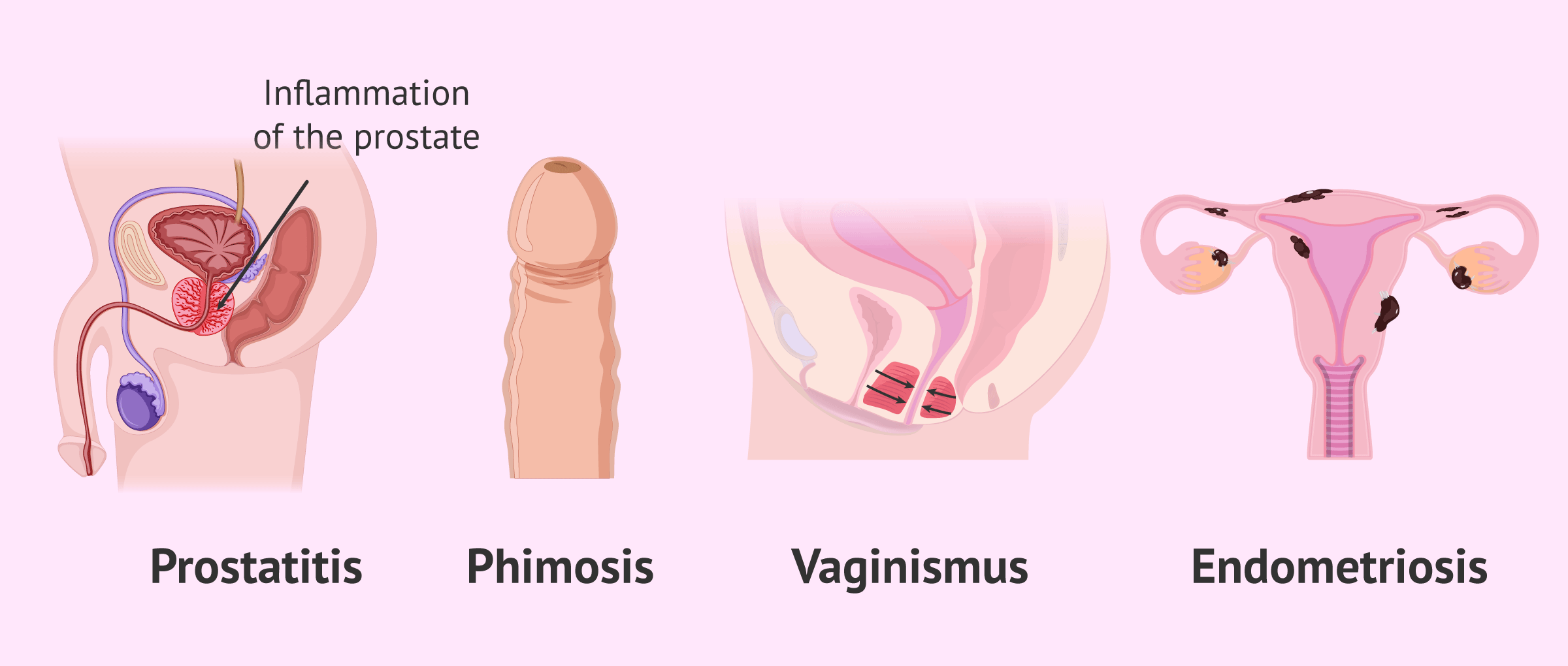
Although these are the most common causes of dyspareunia in men and women, the psychological factor should not be overlooked. Therefore, a lack of arousal, poor sex education, anxiety issues, etc., can also lead to painful sexual intercourse.
Recommended readings
One of the possible causes of vaginal pain that we have discussed is vaginismus in women. If you want more information on this topic, we recommend visiting the following article: What is vaginismus? - Causes, symptoms, and treatment.
On the other hand, it is important to know that, in addition to the vaginal factor, there are other factors that can cause difficulty in getting pregnant. We invite you to continue reading the following article to get all the information: What causes female sterility? - Symptoms and treatments.
We make a great effort to provide you with the highest quality information.
🙏 Please share this article if you liked it. 💜💜 You help us continue!
References
Ana Paula Moreira da Silva, Mary Lourdes Montenegro, Maria Beatriz Ferreira Gurian, Andreia Moreira de Souza Mitidieri, Lucia Alves da Silva Lara, Omero Benedicto Poli-Neto, Julio Cesar Rosa E Silva. Perineal Massage Improves the Dyspareunia Caused by Tenderness of the Pelvic Floor Muscles. Rev Bras Ginecol Obstet. 2017 Jan;39(1):26-30. doi: 10.1055/s-0036-1597651 (View)
D Sánchez-Mariscal, E Bailón-Muñoz. Attitude to a post-menopausal woman who consults due to flushes and dyspareunia. Aten Primaria. 2006 Feb 28;37(3):167-72. doi: 10.1157/13085351 (View)
Edilaine de Paula Batista Mendes, Sonia Maria Junqueira Vasconcellos de Oliveira, Adriana de Souza Caroci, Adriana Amorim Francisco, Sheyla Guimaraes Oliveira, Renata Luana da Silva. Pelvic floor muscle strength in primiparous women according to the delivery type: cross-sectional study. Rev Lat Am Enfermagem. 2016 Aug 15;24:e2758. doi: 10.1590/1518-8345.0926.2758 (View)