
Follicle stimulating hormone (FSH) is a type of gonadotropin synthesized and secreted by the pituitary gland, a gland located at the base of the brain. Its function is to regulate the reproductive cycle in both sexes:
- In men
- stimulates the production of spermatozoa (spermatogenesis).
- In women
- stimulates the development of ovarian follicles and regulates the menstrual cycle.
In addition, the FSH hormone is the active ingredient of the drugs used in assisted reproduction treatments for controlled ovarian stimulation.
Provided below is an index with the 8 points we are going to expand on in this article.
- 1.
- 1.1.
- 1.2.
- 2.
- 2.1.
- 2.2.
- 3.
- 3.1.
- 3.2.
- 3.3.
- 3.4.
- 4.
- 4.1.
- 4.2.
- 4.3.
- 4.4.
- 4.5.
- 4.6.
- 5.
- 6.
- 7.
- 8.
FSH in women
Although FSH is found in both sexes, its name "follicle-stimulating" comes from the function it performs in the female: to stimulate the ovarian follicles to mature the eggs inside them.
Its secretion by the pituitary gland begins when girls reach puberty and, as a consequence, the ovaries mature and begin their function: secondary sexual characteristics appear and the first menstruationarrives.
Measurement of FSH hormone in the blood during a woman's reproductive life is also an indicator of the state of ovarian reserve. For this reason, it is included in female fertility tests.
Functions
FSH is involved in all the regulation of the menstrual cycle and, therefore, it is very important that its levels are not altered so that the woman does not suffer irregularities.
At the beginning of the cycle, FSH begins to be secreted from the brain and acts on the ovaries. In response to this FSH surge, primordial follicles containing immature oocytes begin to grow and migrate to the surface of the ovary.
This developing follicular cohort initiates the synthesis and secretion of another hormone, estradiol, which has a reverse regulatory function: it acts on the pituitary and blocks FSH production.
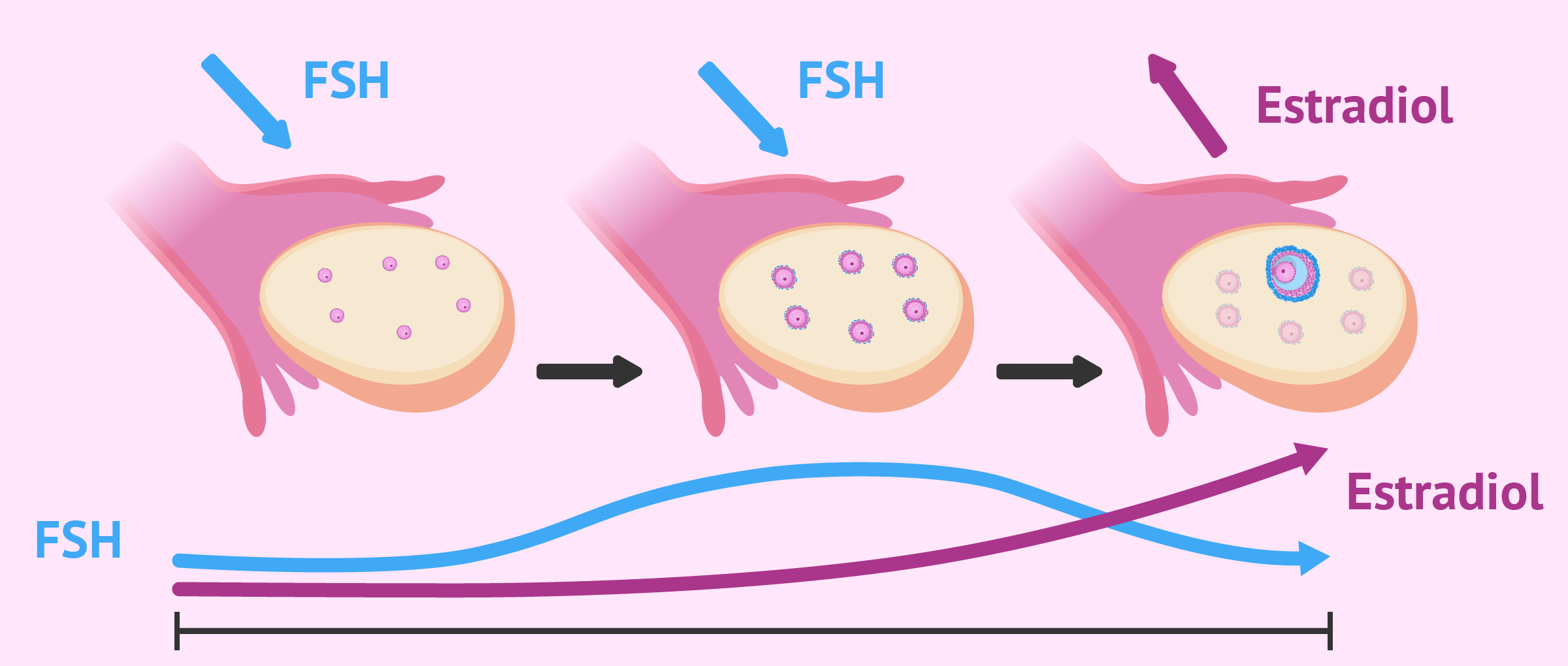
The decrease in FSH levels means that only one of the growing follicles is able to survive: the dominant follicle or Graaf's follicle. The rest will be blocked and will be lost. The FSH level then rises again during the ovulatory phase of the cycle but will remain at basal levels during the luteal phase until menstruation returns and, with it, a new menstrual cycle.
If you want to know in more detail all the phases of the menstrual cycle, we recommend you to continue reading here: A woman's menstrual cycle.
Normal FSH values
FSH tests should be performed at the beginning of the menstrual cycle since at this time the pituitary hormones are in a basal state and can be compared with reference values. Specifically, it is recommended to do the analysis on day 3 of the menstrual cycle, that is, three days after the menstrual period starts.
The normal value of FSH hormone on day 3 of the menstrual cycle is between 3-9 mIU/ml.
An FSH level outside this range may be indicative of one of the following disorders:
- Low FSH
- underweight, anorexia, very rapid weight loss, hypogonadism or pregnancy.
- High FSH
- low ovarian reserve, menopause, contraceptives, Turner syndrome or pituitary tumors.
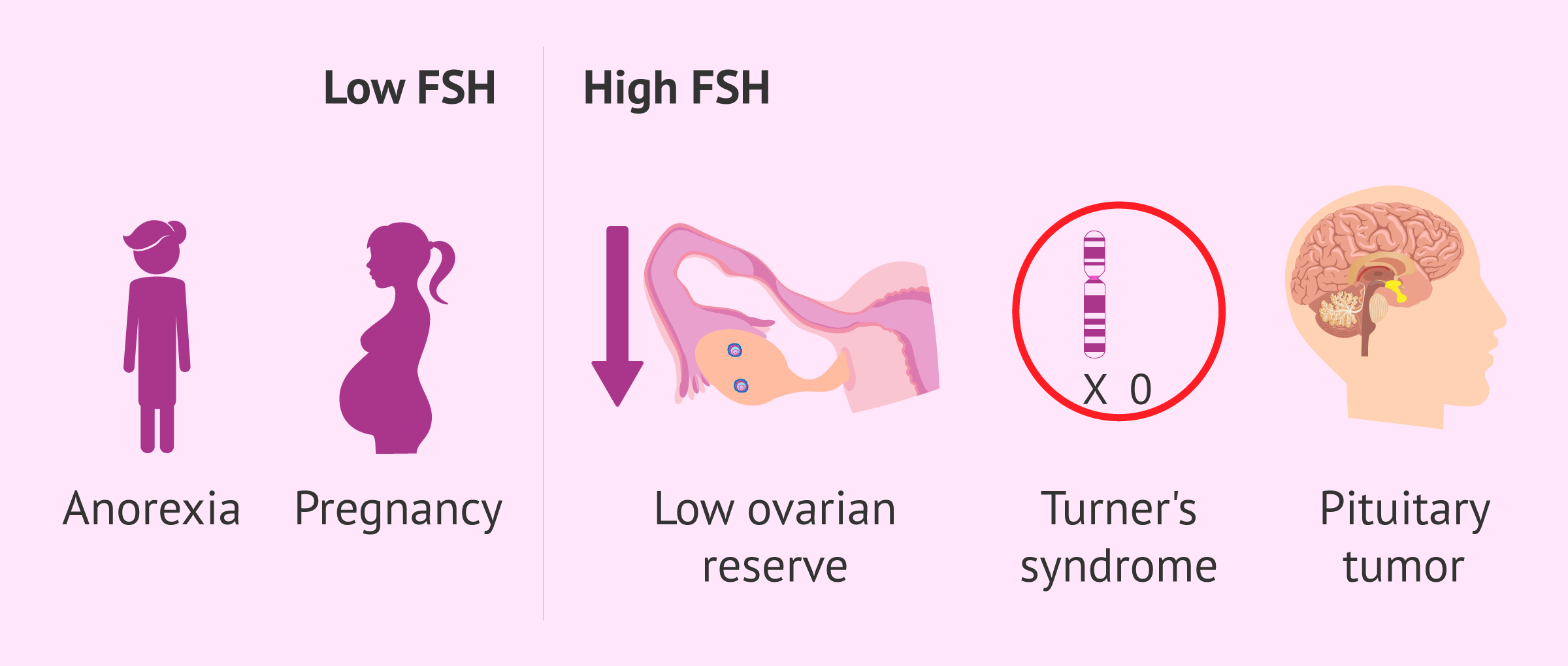
The study of the FSH hormone should be done in conjunction with the rest of the reproductive hormones in order to make a more accurate diagnosis. You can read more about this in the following article: Hormonal analysis in women.
FSH in men
As in females, FSH synthesis in males begins with the onset of puberty. This activates the function of the testes and the start of sperm production.
In parallel, the testes also initiate the secretion of androgens, which causes the appearance of secondary sexual characteristics in boys between 11-12 years of age.
Functions
Specifically, the FSH hormone acts on the Sertoli cells located within the seminiferous tubules of the testis.
These cells are responsible for protecting and nourishing the sperm precursor cells (spermatogonia) and thus act as a support for spermatogenesis.
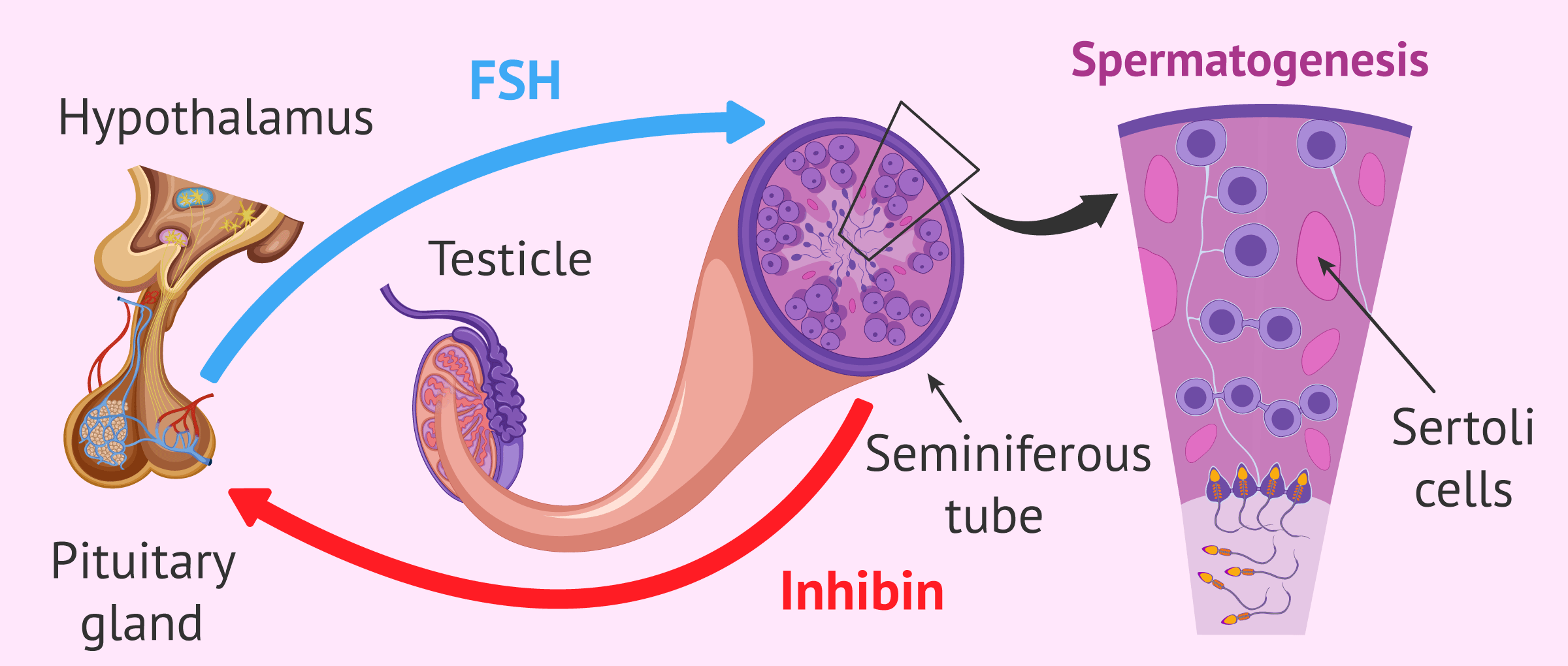
In general, both FSH and the hormone testosterone are responsible for stimulating sperm production in the testis.
On the other hand, as in the ovary, this sperm production also has a reverse regulation system mediated by the hormone inhibin. Inhibin leaves the testis and signals the pituitary to block the synthesis of more FSH.
Normal values
The most important test to assess male fertility is the semen analysis. However, FSH analysis in men can also provide information if there is any alteration in seminal parameters.
The normal reference value of FSH hormone in men is between 1-12 mIU/ml.
If FSH has a level outside this range, it is very likely that the male has impaired testicular function due to one of these reasons:
- Low FSH
- hypogonadotropic hypogonadism, hyperprolactinemia due to taking antidepressants or antihypertensive drugs, etc.
- High FSH
- chemotherapy or radiotherapy treatments, pituitary tumors, Klinefelter's syndrome or advanced age (andropause)

To read more about the hormones that act in male reproductive regulation, you can click on the following link: What are the male hormones?
Drugs with FSH
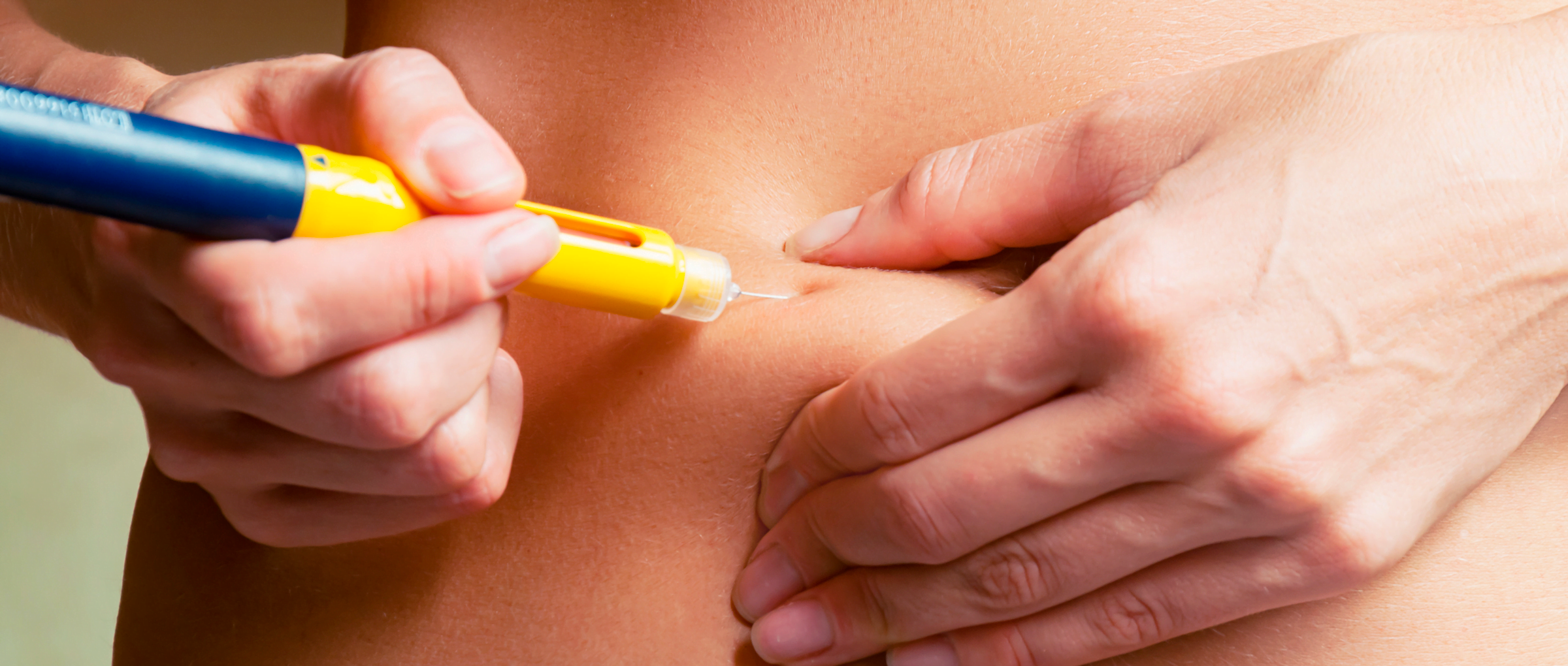
Medications that include the FSH hormone as an active ingredient are very important to be able to carry out an assisted reproduction treatment such as artificial insemination (AI) or in vitro fertilization (IVF).
Specifically, they are used for the ovarian stimulation phase in which it is necessary to obtain multiple follicular development. Thus, the continuous administration of FSH causes several ovarian follicles to mature at the same time, without selection of the dominant follicle.

Thanks to this, it is possible to obtain several mature eggs in IVF, which will become embryos after fertilization in the laboratory
Types
Drugs composed of FSH can be divided according to the origin of this hormone.
Next, we will look at the two ways of obtaining FSH that exist:
- Urinary FSH
- the hormone comes from the purification of urine from menopausal women. This is because the level of FSH after menopause is very high and, therefore, it is the traditional way to obtain a large amount of this hormone. One type of FSH of urinary origin is hMG (human menopausal gonadotropin) which contains 75 IU of FSH and 75 IU of LH. Examples of these drugs are Menopur and HMG lepori.
- Recombinant FSH
- this hormone is obtained by means of genetic engineering techniques from Chinese hamster ovary cells. In this case, there is only rFSH as the active ingredient, and the most commonly used drugs are Gonal-f and Puregon.
The main advantage of recombinant FSH over other types of drugs is the high level of purification, as there are no traces of other hormones. However, for this very reason, it has a disadvantage: the price is higher than if it were natural FSH.
Indications
FSH-containing drugs can be prescribed in both men and women, although they are more common during the course of fertility treatment in the latter:
- Women with polycystic ovary syndrome (PCOS)
- Women with low ovarian reserve
- Women with elevated basal LH levels who experience anovulation
- Failure of stimulation cycles with clomiphene citrate
- Males with congenital or acquired hypogonadotropic hypogonadism
- Men suffering from azoospermia due to hormonal causes

In general, all women who need to do a stimulated AI or IVF cycle, either for a male or female infertility cause, will need follicle-stimulating hormone drugs.
Advantages
The advantages of using FSH to stimulate egg production in women during fertility treatment are as follows:
- It has few side effects, especially recombinant FSH, as it is purer and has no urine traces.
- Multiple follicles develop, allowing for multiple mature eggs to be obtained and increasing the likelihood of pregnancy.
- RFSH is highly effective, as a lower dose produces a greater ovarian response.

If in a stimulation cycle, FSH does not achieve the expected effect, the specialist physician may recommend changing the drug or modifying the dosage of administration.
Disadvantages
As for the disadvantages of administering FSH, we can name the following:
- Risk of ovarian hyperstimulation syndrome (OHSS), especially with IVF, if the correct dose of FSH is not administered.
- Allergic reactions to FSH, although this occurs infrequently.
- Multiple pregnancy due to the development of more than one follicle. In IVF this can be controlled by transferring a single embryo, but not in artificial insemination.
- High economic cost, especially recombinant FSH.
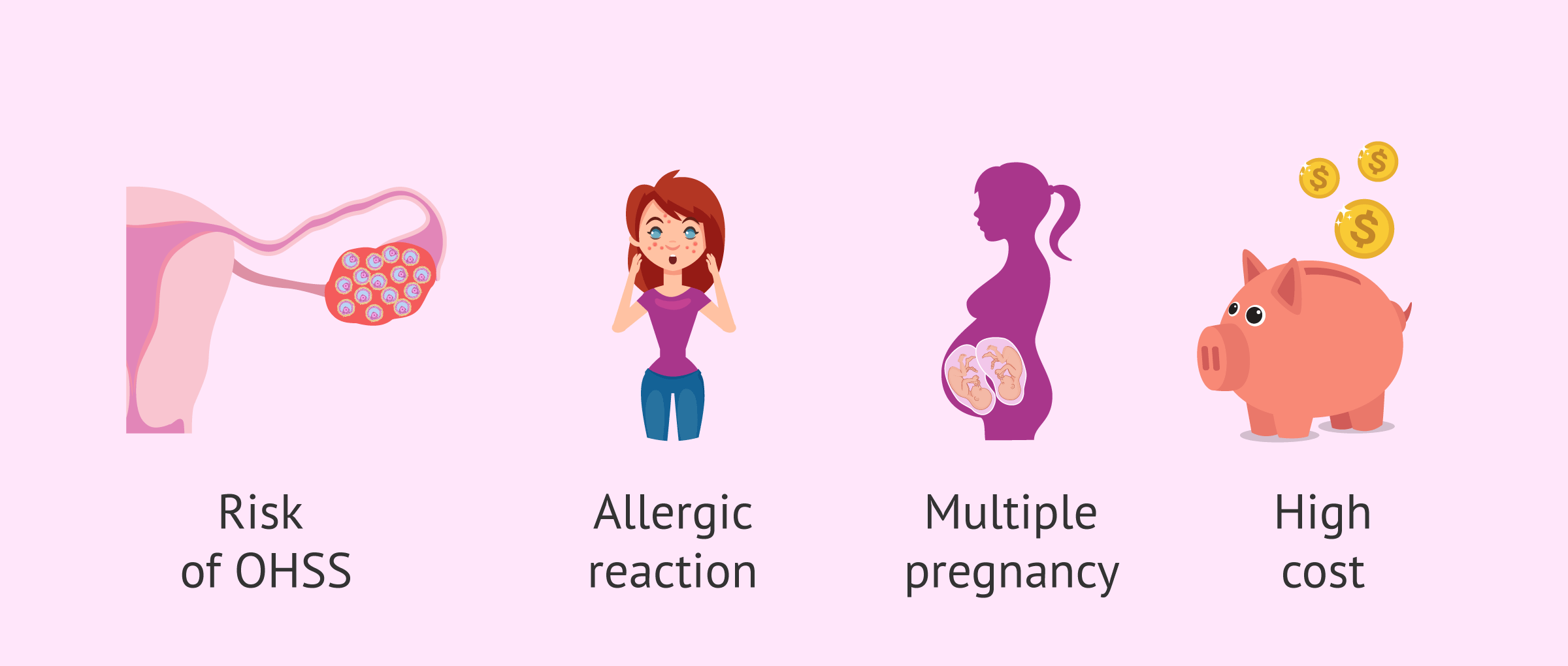
In addition to this, hormonal drugs with FSH have other side effects such as, for example, headache, abdominal distension, breast pain, nausea, etc.
FAQs from users
When is Menopur used in a fertility treatment?
There are two groups of patients in whom a deficit of the LH hormone may prevent proper follicular development:
- Women over 35: As the years go by, the LH produced by the body is less powerful and the LH receptors are less functional.
- Women who, in spite of having good ovarian reserve parameters, have shown a low response in a previous ovarian stimulation cycle. One of the causes, among others, that can provoke this unexpected low response is a genetic variant of LH that makes the hormone biologically inactive. Thus, if we measure the LH levels in the blood they will be normal, but the hormone will not be able to exert its function.
These are the patients in whom it will be necessary to add LH activity in ovarian stimulation, since they do not have enough endogenous LH to complement FSH in folliculogenesis.
Read more
What are the normal FSH values for getting pregnant?
The FSH hormone test at the beginning of the menstrual cycle provides information about the state of the woman's ovarian reserve. Levels between 3-9 mIU/ml indicate that the woman is fertile and, unless there is another sterility problem, she could become pregnant.
What is the success of IVF with high FSH?
Una FSH alta en la mujer indica que la reserva ovárica está disminuida, ya sea por un fallo ovárico prematuro o porque la menopausia está apunto de llegar. Para saber cómo de afectada está la reserva ovárica y si un tratamiento de FIV sería efectivo, el análisis de la hormona antimülleriana (AMH) aporta mayor información que la FSH. Por tanto, es recomendable hacer todos los análisis hormonales, así como ecografías, para predecir mejor el resultado de una FIV.
En general, la FIV con óvulos propios con una FSH muy elevada tiene una baja tasa de éxito, aproximadamente del 10% en mujeres de más de 40 años. On the other hand, this probability of pregnancy would be much higher if donor eggs were used.
When is FSH testing indicated in women and in men?
In the male, FSH tells us about spermiogenesis, indicating testicular function. In this case, the sample can be taken at any time.
FSH in women indicates follicular development and should always be taken at the beginning of the menstrual cycle from the third or fifth day of menstruation.
Read more
What type of azoospermia does a man with high FSH have?
An elevated FSH in males with absent sperm indicates that the type of azoospermia is secretory. Most likely the stem cell population in the testis has been destroyed by some treatment such as radiation therapy and therefore FSH is not assimilated to carry out its function.
What are the causes of elevated FSH?
The reasons why you may have elevated FSH hormone values depend on whether you are a woman or a man.
In the case of women, the FSH hormone may be high due to the presence of a low ovarian reserve and even after menopause. In addition, the administration of contraceptives, Turner's syndrome or pituitary tumors can also cause an increase in the concentration of FSH hormone.
On the other hand, men with elevated FSH hormone levels may have their origin in cancer treatments (chemotherapy or radiotherapy), pituitary tumors and Klinefelter's syndrome. In addition, it is quite common for older men to show high FSH hormone values.
Recommended readings
In addition to FSH, there are other sex hormones that act in the reproductive cycle of men and women. For more detailed information about this, you can enter the following post: Male and female sex hormones.
As for hormonal drugs used in assisted reproduction treatments, you can find them all here: Medications used in controlled ovarian stimulation.
Community and Support
At inviTRA we work to make monthly and rigorous information accessible to everyone. If this article has helped you, consider supporting us so we can continue accompanying more people on their journey to parenthood.
References
Casarini L, Crépieux P, Reiter E, Lazzaretti C, Paradiso E, Rochira V, Brigante G, Santi D, Simoni M. FSH for the Treatment of Male Infertility. Int J Mol Sci. 2020 Mar 25;21(7):2270. doi: 10.3390/ijms21072270. PMID: 32218314; PMCID: PMC7177393. (View)
Conforti A, Vaiarelli A, Cimadomo D, Bagnulo F, Peluso S, Carbone L, Di Rella F, De Placido G, Ubaldi FM, Huhtaniemi I, Alviggi C. Pharmacogenetics of FSH Action in the Female. Front Endocrinol (Lausanne). 2019 Jun 26;10:398. doi: 10.3389/fendo.2019.00398. PMID: 31293516; PMCID: PMC6606727. (View)
Hsieh HC, Su JY, Wang S, Huang YT. Age effect on in vitro fertilization pregnancy mediated by anti-Mullerian hormone (AMH) and modified by follicle stimulating hormone (FSH). BMC Pregnancy Childbirth. 2020 Apr 9;20(1):209. doi: 10.1186/s12884-020-02875-2. PMID: 32272911; PMCID: PMC7147042. (View)
Lizneva D, Rahimova A, Kim SM, Atabiekov I, Javaid S, Alamoush B, Taneja C, Khan A, Sun L, Azziz R, Yuen T, Zaidi M. FSH Beyond Fertility. Front Endocrinol (Lausanne). 2019 Mar 19;10:136. doi: 10.3389/fendo.2019.00136. PMID: 30941099; PMCID: PMC6433784. (View)
Mihm M, Gangooly S, Muttukrishna S. The normal menstrual cycle in women. Anim Reprod Sci. 2011 Apr;124(3-4):229-36. doi: 10.1016/j.anireprosci.2010.08.030. Epub 2010 Sep 3. PMID: 20869180. (View)
Pfister A, Crawford NM, Steiner AZ. Association between diminished ovarian reserve and luteal phase deficiency. Fertil Steril. 2019 Aug;112(2):378-386. doi: 10.1016/j.fertnstert.2019.03.032. Epub 2019 May 2. PMID: 31056309. (View)
Urrutia M, Grinspon RP, Rey RA. Comparing the role of anti-Müllerian hormone as a marker of FSH action in male and female fertility. Expert Rev Endocrinol Metab. 2019 May;14(3):203-214. doi: 10.1080/17446651.2019.1590197. Epub 2019 Mar 18. PMID: 30880521.
Wang S, Zhang Y, Mensah V, Huber WJ 3rd, Huang YT, Alvero R. Discordant anti-müllerian hormone (AMH) and follicle stimulating hormone (FSH) among women undergoing in vitro fertilization (IVF): which one is the better predictor for live birth? J Ovarian Res. 2018 Jul 16;11(1):60. doi: 10.1186/s13048-018-0430-z. PMID: 30012195; PMCID: PMC6048693. (View)
FAQs from users: 'When is Menopur used in a fertility treatment?', 'What are the normal FSH values for getting pregnant?', 'What is the success of IVF with high FSH?', 'When is FSH testing indicated in women and in men?', 'What type of azoospermia does a man with high FSH have?' and 'What are the causes of elevated FSH?'.
Authors and contributors


More information about Cristina Algarra Goosman


Hi, I am trying to look for pregnancy, I have been taking antidepressant pills for a couple of years, from what I read here they can have an effect on the hormone this no?
Hi Curly,
Indeed taking antidepressants can have an effect on FSH levels, it generally causes them to be low and therefore they are not fulfilling their function of stimulating follicles within the ovary.
I recommend that you go to your specialist doctor so that he/she can assess your hormone levels and if they are influenced by the pills. He can also tell you if the medication is compatible with pregnancy and if not, change it for one that is.
I hope I have helped you.
Best regards